
activate
US /ˈæktəˌvet/
UK /ˈæktɪveɪt/
- Transitive Verb
- To cause to happen; cause a chemical reaction
- To make something start working
B1Morealign
US /əˈlaɪn/
UK /əˈlaɪn/
- Transitive Verb
- To arrange (e.g. objects) in line with one another
- Intransitive Verb
- To be in a line or in the correct position in relation to something else.
B2Moreas a result of
US
UK
- Phrase
- Because of something; owing to.
A1Moreas soon as
US /æz sun æz/
UK /æz su:n æz/
- Phrase
- In a short time after (something happens)
- Without any delay; immediately
- Conjunction
- At the moment that, or immediately after.
A1Moreas well as
US /æz wɛl æz/
UK /æz wel æz/
- Adverb
- Also; in addition to
- Preposition
- In addition to; and also.
A1Moreat least
US /æt list/
UK /æt li:st/
- Adverb
- As a minimum
- Not less than
- Phrase
- No less than; at the minimum
- Used to indicate that something is positive in a bad situation.
C2Moreat work
US /æt wɚk/
UK /æt wə:k/
- Phrase
- Located at one's place of employment
A1Moreballistic
US /bəˈlɪstɪk/
UK /bəˈlɪstɪk/
- Adjective
- Of the science of movement of rockets and bullets
C1Moreblast
US /blæst/
UK /blɑ:st/
- Transitive Verb
- To attack someone with words
- To destroy something with explosives
- Noun (Countable/Uncountable)
- Destructive wave of air from an explosion
- Strong current of wind
B1Morebreak through
US /brek θru/
UK /breik θru:/
- Phrasal Verb
- To move quickly through (wall, etc.) using force
A1Morecapital
US /ˈkæpɪtl/
UK /'kæpɪtl/
- Noun
- Writing the first letter of a word in big letters
- Official main city of a country, province or state
- Adjective
- Main, or major
- (Of an offense) liable to the death penalty.
A2Morecause
US /kɔz/
UK /kɔ:z/
- Noun
- Belief, goal or organization that people support
- Reason for
- Transitive Verb
- To make something happen; create effect or result
A2Moreceo
US
UK
- Abbreviation
- CEO for Chief Operating Officer
C2Morecolleague
US /ˈkɑlˌiɡ/
UK /'kɒli:ɡ/
- Noun (Countable/Uncountable)
- Person you work or cooperate with
- A fellow member of a profession
A2Moreconventional
US /kənˈvɛnʃənəl/
UK /kən'venʃənl/
- Adjective
- Following the common attitudes and practices
- Non-nuclear
B2Morecorrespondent
US /ˌkɔrɪˈspɑndənt, ˌkɑr-/
UK /ˌkɒrəˈspɒndənt/
- Countable Noun
- Journalist, as one reporting from other countries
B1Morecruise
US /kruz/
UK /kru:z/
- Verb (Transitive/Intransitive)
- To easily achieve
- To travel by boat or car for leisure
- Countable Noun
- A long vacation trip on a passenger boat
B1Morecut off
US /kʌt ɔf/
UK /kʌt ɔf/
- Phrasal Verb
- To end a process, e.g. a phone call
- To cut the end of something
- Transitive Verb
- To isolate or prevent access to a place or person.
- To interrupt someone while they are speaking.
A1Moredevastating
US
UK
- Transitive Verb
- To cause extensive destruction or ruin utterly
- Adjective
- Destroying everything; very shocking
- Causing great emotional pain or shock.
B1Moreemergency
US /ɪˈmɚdʒənsi/
UK /ɪ'mɜ:dʒənsɪ/
- Noun (Countable/Uncountable)
- Sudden event needing an immediate action
- A medical condition manifesting itself by acute symptoms of sufficient severity such that the absence of immediate medical attention could reasonably be expected to result in placing the patient's health in serious jeopardy.
- Adjective
- Used in an emergency; for use when something dangerous happens.
- Designed for use in an emergency.
A2TOEICMoreenergy
US /ˈɛnədʒi/
UK /'enədʒɪ/
- Noun (Countable/Uncountable)
- Physical or mental strength
- Enthusiasm and determination.
A2Moreentirety
US /ɛnˈtaɪrɪti, -ˈtaɪrti/
UK /ɪnˈtaɪərəti/
- Uncountable Noun
- State of being complete
- A form of joint ownership of property by a husband and wife, in which both have an equal, undivided interest in the whole property.
C1Moreenvoy
US /ˈɛnˌvɔɪ, ˈɑn-/
UK /ˈenvɔɪ/
- Countable Noun
- Person sent to represent his, her country
B2Morefit in
US /fɪt ɪn/
UK /fit in/
- Phrasal Verb
- To mix with others so you get on well with them
A2Morefleet
US /flit/
UK /fli:t/
- Countable Noun
- Group of ships under one commander
- Adjective
- able to run quickly
B1TOEICMorefunction
US /ˈfʌŋkʃən/
UK /'fʌŋkʃn/
- Noun
- Social event, or party such as a wedding
- Mathematical operation used in calculations
- Intransitive Verb
- To serve a certain purpose or role
- To be operating, working or achieving its purpose
A2TOEICMoregenerator
US /ˈdʒɛnəˌretɚ/
UK /ˈdʒenəreɪtə(r)/
- Noun (Countable/Uncountable)
- Machine that produces electrical power
- An element that can be used to generate the elements of a group or set.
B2Moregrain
US /ɡren/
UK /greɪn/
- Noun (Countable/Uncountable)
- Seeds of plants used for food
- Natural pattern in something, e.g. wood
B1TOEICMoregrid
US /ɡrɪd/
UK /ɡrɪd/
- Noun
- Electrical network supplying electricity to area
- Metal structure with bars used to cover a hole
- Transitive Verb
- To mark with a grid.
B2Morehandful
US /ˈhændˌfʊl/
UK /'hændfʊl/
- Noun (Countable/Uncountable)
- an amount of something that can be held in one hand; small quantity or amount of people or things
- A thing requiring great effort to control, manage
B1Morehave to
US /hæv tu/
UK /ˈhæv tə/
- Auxiliary Verb
- Must do
A1Moreimprovise
US /ˈɪmprəˌvaɪz/
UK /ˈɪmprəvaɪz/
- Verb (Transitive/Intransitive)
- To compose, speak or perform without preparation
B2Morein a row
US /ɪn e ro/
UK /in ə rəu/
- Phrase
- One after another without a break.
- Arranged in a straight line.
- Idiom
- To have an argument.
A1Morein the past
US
UK
- Phrase
- During a former period of time; previously.
A1Morein with
US /ɪn wɪð/
UK /in wið/
- Phrase
- Fashionable or popular at the moment.
- Having influence or favor with someone.
- Phrasal Verb
- To introduce or bring something new into a system or organization.
A1Moreintention
US /ɪnˈtɛnʃən/
UK /ɪnˈtenʃn/
- Noun (Countable/Uncountable)
- Aim or purpose
- A determination to act in a certain way.
A2TOEICMorekit
US /kɪt/
UK /kɪt/
- Noun (Countable/Uncountable)
- Set, collection of tools, supplies, for a purpose
B1TOEICMorelaunch
US /lɔntʃ, lɑntʃ/
UK /lɔ:ntʃ/
- Noun
- Starting a new project; introducing new product
- Act of firing rockets into the air
- Transitive Verb
- To start a new project; start selling a product
- To put a rocket into the air
A2TOEICMorelong for
US /lɔŋ fɔr/
UK /lɔŋ fɔ:/
- Phrasal Verb
- To have a strong desire or yearning for something.
A1Moremention
US /ˈmɛnʃən/
UK /'menʃn/
- Transitive Verb
- To refer to or talk or write about something
- Uncountable Noun
- Act of referring to or talking about something
- A formal acknowledgement of something
A2TOEICMoremissile
US /ˈmɪsəl/
UK /ˈmisail/
- Noun
- A weapon that is thrown, shot or launched
- A self-propelled guided weapon.
- Adjective
- Relating to or used in missiles.
B1Moreodd
US /ɑd/
UK /ɒd/
- Adjective
- Being unmatched with someone or something
- Being a number not able to be divided by two
A2Moreon duty
US /ɑn ˈduti/
UK /ɔn ˈdju:ti/
- Phrase
A2Moreongoing
US /ˈɑ:ngoʊɪŋ/
UK /ˈɒngəʊɪŋ/
- Adjective
- Continuing to exist or be in progress
- Noun (Countable/Uncountable)
- A situation or process that is currently taking place or is in progress.
- A problem or difficulty that continues to exist or happen.
B1Moreout of action
US /aʊt ʌv ˈækʃən/
UK /aut ɔv ˈækʃən/
- Phrase
- Not working or able to be used.
A1Moreparanoid
US /ˈpærəˌnɔɪd/
UK /ˈpærənɔɪd/
- Adjective
- Believing others are trying to harm you
- Believing others are trying to harm you
C1Morepartially
US /ˈpɑ:rʃəli/
UK /ˈpɑ:ʃəli/
- Adverb
- In part; in some degree; not wholly
B1Morepattern
US /ˈpætən/
UK /'pætn/
- Noun (Countable/Uncountable)
- Model to follow in making or doing something
- Colors or shapes which are repeated on objects
- Transitive Verb
- To copy the way something else is made
- To decorate with a pattern.
A2TOEICMorepeace talks
US
UK
- Noun (plural)
- Discussions between representatives of opposing sides in a conflict aimed at reaching a peaceful resolution.
A1Moreprevent
US /prɪˈvɛnt/
UK /prɪ'vent/
- Transitive Verb
- To stop something from happening or existing
A2TOEICMoreprevious
US /ˈpriviəs/
UK /ˈpri:viəs/
- Adjective
- Existing or happening before the present time
- Existing or occurring immediately before in time or order.
- Noun
- A button or link that allows navigation to a preceding item or page.
A2TOEICMoreprove
US /pruv/
UK /pru:v/
- Transitive Verb
- To demonstrate truth by providing evidence
- To test the quality or worth of something.
- Intransitive Verb
- To turn out to be; be found to be.
A2TOEICMoreput out
US /pʊt aʊt/
UK /put aut/
- Phrasal Verb
- To publish, e.g. a book
- To cause someone to be troubled or inconvenienced
A1Moreput together
US /pʊt təˈɡɛðɚ/
UK /put təˈɡeðə/
- Phrasal Verb
- To build or assemble something small, e.g. a toy
- To organize or arrange something.
A1Moreraid
US /red/
UK /reɪd/
- Noun
- Sudden entry by police; surprise attack by army
- A sudden aggressive incursion.
- Transitive Verb
- (Army) to suddenly enter or attack a place
- To suddenly enter or attack, e.g. to steal or harm
B1Morereadily
US /ˈrɛdəli, ˈrɛdli/
UK /ˈredɪli/
- Adverb
- In a quick and easy manner
- In a quick and willing manner
B1Morereadout
US /ˈridˌaʊt/
UK /'ri:daʊt/
- Noun
- Electronic screen of data or information
C1Morescreenshot
US
UK
- Countable Noun
- Picture taken of a computer screen
C2Moreshelter
US /ˈʃɛltɚ/
UK /'ʃeltə(r)/
- Noun (Countable/Uncountable)
- Place to protect people/animals from abuse
- Structure that covers or protects things
- Transitive Verb
- To give animals, people a place away from abuse
- To find protection from danger/bad weather
B1Morestrike
US /straɪk/
UK /straɪk/
- Transitive Verb
- To hit something
- To remove or erase.
- Noun (Countable/Uncountable)
- A punch or hit
- Fact of not hitting the ball when playing baseball
A2TOEICMorethanks to
US /θæŋks tu/
UK /θæŋks tu:/
- Preposition
- Because of; as a result of.
A1Moretrademark
US /ˈtredˌmɑrk/
UK /'treɪdmɑ:k/
- Noun (Countable/Uncountable)
- Legal symbol proving ownership of product, etc.
C1Moreused to
US /juzd tu/
UK /ˈju:st tə/
- Adjective
- Did regularly before, but don't do now
- Auxiliary Verb
- Have done before, but do not do now
A1More
Vocabulary
- thanks to: Because of; as a result of.
- as well as: Also; in addition to
- put out: To publish, e.g. a book
- used to: Did regularly before, but don't do now
- cut off: To end a process, e.g. a phone call
- peace talks: Discussions between representatives of opposing sides in a conflict aimed at reaching a peaceful resolution.
- in the past: During a former period of time; previously.
- in a row: One after another without a break.
- as soon as: In a short time after (something happens)
- as a result of: Because of something; owing to.
- fit in: To mix with others so you get on well with them
- in with: Fashionable or popular at the moment.
- out of action: Not working or able to be used.
- break through: To move quickly through (wall, etc.) using force
- long for: To have a strong desire or yearning for something.
- put together: To build or assemble something small, e.g. a toy
- on duty
- have to: Must do
- at least: As a minimum
- at work: Located at one's place of employment
- pattern: Model to follow in making or doing something
- devastating: To cause extensive destruction or ruin utterly
- strike: To hit something
- previous: Existing or happening before the present time
- align: To arrange (e.g. objects) in line with one another
- prevent: To stop something from happening or existing
- odd: Being unmatched with someone or something
- conventional: Following the common attitudes and practices
- function: Social event, or party such as a wedding
- mention: To refer to or talk or write about something
- capital: Writing the first letter of a word in big letters
- cruise: To easily achieve
- shelter: Place to protect people/animals from abuse
- blast: To attack someone with words
- deal: To cope with something - usually troubles
- handful: an amount of something that can be held in one hand; small quantity or amount of people or things
- cause: Belief, goal or organization that people support
- grain: Seeds of plants used for food
- launch: Starting a new project; introducing new product
- intention: Aim or purpose
- colleague: Person you work or cooperate with
- paranoid: Believing others are trying to harm you
- emergency: Sudden event needing an immediate action
- prove: To demonstrate truth by providing evidence
- correspondent: Journalist, as one reporting from other countries
- energy: Physical or mental strength
- grid: Electrical network supplying electricity to area
- activate: To cause to happen; cause a chemical reaction
- company: Good feeling from being with someone else
- hit: To have a negative impact on a person/place/thing
- ongoing: Continuing to exist or be in progress
- fact: Something that is known or proved to be true
- partially: In part; in some degree; not wholly
- continue: To do something without stopping, or after pausing
- improvise: To compose, speak or perform without preparation
- raid: Sudden entry by police; surprise attack by army
- readily: In a quick and easy manner
- fleet: Group of ships under one commander
- legal: Concerning the law; allowed by law
- prepare: To make something ready for use
- missile: A weapon that is thrown, shot or launched
- cover: To record a different version of another song
- work: The product of some artistic or literary endeavor
- country: An area of land that is controlled by a government
- begin: To do the first part of an action; to start
- kit: Set, collection of tools, supplies, for a purpose
- ballistic: Of the science of movement of rockets and bullets
- people: Persons sharing culture, country, background, etc.
- special: Being additional or extra
- put: To move or place a thing in a particular position
- soviet: Elected government council in a communist country
- trademark: Legal symbol proving ownership of product, etc.
- generator: Machine that produces electrical power
- entirety: State of being complete
- envoy: Person sent to represent his, her country
- screenshot: Picture taken of a computer screen
- ceo: CEO for Chief Operating Officer
- readout: Electronic screen of data or information
Get the full experience in the app
Learn anywhere with detailed sentence and usage analysis
01:03
She took a brave step forward, leaving behind her comfort zone to chase her dreams.
Vocabulary
- brave
adj. Having courage
- comfort zone
phr. A familiar situation where one feels safe
Explanation
a brave step is a noun phrase, where brave is an adjective modifying the noun step, meaning "a courageous step".
forward is an adverb modifying step, meaning "ahead".
The whole phrase serves as the object, answering the "what" of took (verb) — she took a brave step forward.
Get the full experience in the app
Look up words anytime with pronunciation, part of speech, and usage
brave
US/brev/
UK/breɪv/
adj.Brave
v.t.To bravely face
A2 Elementary
Get the full experience in the app
Practice speaking anytime and get instant pronunciation feedback
Try this speaking exercise.
Try practicing with this sentence.
80
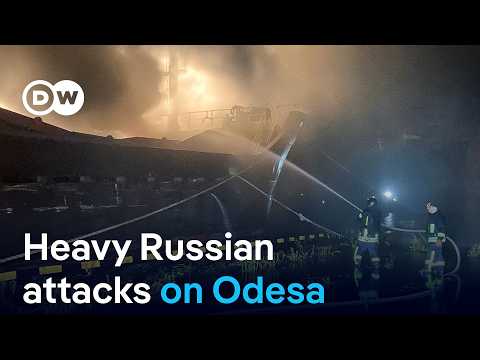
What's behind Russia's focus on Ukraine's port city of Odesa? | DW News
0
林宜悉 posted on 2025/12/23Ever wondered why Russia is so focused on Odesa? This DW News report dives deep into the strategic importance of Ukraine's key port city, exploring the impact of energy grid attacks and power outages. You'll pick up advanced vocabulary related to infrastructure damage and gain cultural depth on the ongoing conflict.
Learn this video on the APP!
The VoiceTube App has more in-depth practice for videos!