
ability
US /əˈbɪlɪti/
UK /ə'bɪlətɪ/
- Noun (Countable/Uncountable)
- The power, resources or skill to do something
- A particular skill or talent.
A2TOEICMoreactively
US /'æktɪvlɪ/
UK /'æktɪvlɪ/
- Adverb
- Doing things to achieve a specific goal
A2Moreas long as
US /æz lɔŋ æz/
UK /æz lɔŋ æz/
- Conjunction
- For the period that; provided that.
- For the length of time that
- Preposition
- On the condition that; providing that.
- Having the same length as.
A1Moreat home
US /æt hom/
UK /æt həum/
- Phrase
- In one's own residence or country.
- Adjective
- Feeling comfortable and relaxed.
author
US /ˈɔθɚ/
UK /'ɔ:θə(r)/
- Noun (Countable/Uncountable)
- Person who writes books, plays, poems etc.
- Transitive Verb
- To write book or articles
B1Morebased on
US
UK
- Phrasal Verb
- To use something as the foundation or starting point for something else.
- Preposition
- Using something as the main idea or foundation.
- Relying on something as evidence or justification.
A1Morebook on
US
UK
- Noun
- A book about a particular subject.
- Verb (Transitive/Intransitive)
- To place a bet on something.
A1Morebreak down
US /brek daʊn/
UK /breik daun/
- Phrasal Verb
- To forcibly break, destroy or make collapse
- (Machine) to stop working or become weaker
A1Moreby doing that
US
UK
- Phrase
- Using that action or method.
A2Morecare of
US /kɛr ʌv/
UK /kɛə ɔv/
- Preposition
- Used in an address to indicate the person who will receive the mail for someone else.
A2Morecheck out
US /tʃɛk aʊt/
UK /tʃek aut/
- Phrase
- Phrasal Verb
- To find out information about something
- To take books out of a library
A1Morecome back
US /kʌm bæk/
UK /kʌm bæk/
- Phrasal Verb
- To reply to someone, often forcefully
- To be remembered
A1Morecome from
US /kʌm frʌm/
UK /kʌm frɔm/
- Phrasal Verb
- To have as your native country or city
A1Morecommunication
US /kəˌmjunɪˈkeʃən/
UK /kəˌmju:nɪ'keɪʃn/
- Noun (Countable/Uncountable)
- Talking to people; giving information to people
- The process of conveying information, ideas, or feelings through language or other means.
A2Moreconversation
US /ˌkɑnvɚˈseʃən/
UK /ˌkɒnvəˈseɪʃn/
- Uncountable Noun
- Talking with other people; discussion or chat
- General communication or interaction.
A2Moredeclarative
US /dɪˈklɛrətɪv, -ˈklær-/
UK /dɪˈklærətɪv/
- Adjective
- Of or having the nature of a declaration
C2Moredecode
US /ˌdi:ˈkoʊd/
UK /ˌdi:ˈkəʊd/
- Transitive Verb
- To translate from code into the plain text
B2Moreeconomic
US /ˌɛkəˈnɑmɪk, ˌikə-/
UK /ˌi:kəˈnɒmɪk/
- Adjective
- Concerning trade, industry, and money
- Financially worthwhile; profitable.
- Noun
- A system relating to economics
- A factor relating to economics
A2Moreemotional
US /ɪˈmoʃənəl/
UK /ɪˈməʊʃənl/
- Adjective
- Causing, feeling, or appealing to the emotions
- Relating to or characterized by emotion
A2Moreencode
US /ɛnˈkod/
UK /ɪn'kəʊd/
- Transitive Verb
- To change a message or information into code
B2Morefiction
US /ˈfɪkʃən/
UK /ˈfɪkʃn/
- Uncountable Noun
- Made-up stories; imagined events
- False statement or account about something
B1Morefigure out
US /ˈfɪɡjɚ aʊt/
UK /ˈfiɡə aut/
- Phrasal Verb
- To understand the behavior of someone
- To think through logically to find a solution
- Verb (Transitive/Intransitive)
- To understand or find an answer to something.
- To find a solution to a problem or understand something.
A1Moregen
US /dʒen/
UK /dʒen/
- Uncountable Noun
- (UK old-fashioned, informal) Information about a particular subject
- Noun
- a group of people born around the same time who share a similar age
B2Moreget into it
US
UK
- Phrasal Verb
- To become interested in something and enjoy it.
- To start a career or profession.
- Intransitive Verb
- To become interested in something.
A1Morego together
US
UK
- Phrasal Verb
- To match well; to be harmonious or aesthetically pleasing.
- To date; to be in a romantic relationship.
A1Moregoal
US /ɡol/
UK /ɡəʊl/
- Noun (Countable/Uncountable)
- Something you try to do or achieve; an aim
- (Sports) net into which you put a ball to score
A2TOEICMoregot to
US /ɡɑt tu/
UK /gɔt tu:/
- Verb (Transitive/Intransitive)
- To arrive at some place
- To have the opportunity or permission to do something
- Phrasal Verb
- To appeal to the emotions of; move
- To finally begin to start something after a delay
A1Morehave to
US /hæv tu/
UK /ˈhæv tə/
- Auxiliary Verb
- Must do
A1Moreimmerse
US /ɪˈmɜ:rs/
UK /ɪˈmɜ:s/
- Transitive Verb
- To put something in liquid until it is covered
- Verb (Transitive/Intransitive)
- To become completely involved in something
B1Morein a box
US /ɪn ə bɑks/
UK /ɪn ə bɒks/
- other
- Contained or confined inside a box or small space.
B2Morein fact
US /ɪn fækt/
UK /in fækt/
- Adverb
- Used to emphasize the truth of a statement, especially one that contrasts with or contradicts something else.
- Used to introduce a more detailed or surprising piece of information.
- Phrase
- Used to emphasize the truth of a statement, especially one that is surprising or contrary to what might be expected.
C1Morein order to
US /ɪn ˈɔrdɚ tu/
UK /in ˈɔ:də tu:/
- Preposition
- For the purpose of; with the aim of.
- Phrase
- In a specific sequence or arrangement.
- With the aim of; for the purpose of.
C1Morein other words
US
UK
- Phrase
- Stating something in a different way, often to make it clearer or more understandable.
in the first place
US
UK
- Phrase
- To begin with; as the first point or consideration.
- From the beginning; initially.
A1Morein the world
US /ɪn ði wɜrld/
UK /in ðə wɜː(r)ld/
- Phrase
- Used to emphasize a question expressing surprise, confusion, disbelief
- Used to indicate the extent or degree of something, often in a superlative sense
A1Morein time
US /ɪn taɪm/
UK /in taim/
- Adverb
- Eventually; after a period of time.
- Not late; with enough time to spare.
- Phrase
- Eventually; before it is too late.
- According to the scheduled time; punctual.
A1Morekeep it up
US /kip ɪt ʌp/
UK /ki:p it ʌp/
- Phrasal Verb
- To continue doing something well
A1Morelook at
US /lʊk æt/
UK /luk æt/
- Phrasal Verb
- To use your eyes to focus on something
- To focus your eyes on something carefully
A1Morelook over
US
UK
- Phrasal Verb
- To check something to see it works well; inspect
- To examine or inspect something quickly.
A1Morelook to
US
UK
- Phrasal Verb
- Be looking to. be planning to (do something)
- To expect someone to do something for you; rely on
A1Moremark up
US /mɑrk ʌp/
UK /mɑ:k ʌp/
- Phrasal Verb
- To increase the price of, to make more profit
A2Moremaster
US /ˈmæstɚ/
UK /'mɑ:stə(r)/
- Transitive Verb
- To gain control over something
- To learn to do something very well
- Adjective
- Being very skilled at doing something
- Being the main or most important thing or part
A2Moremention
US /ˈmɛnʃən/
UK /'menʃn/
- Transitive Verb
- To refer to or talk or write about something
- Uncountable Noun
- Act of referring to or talking about something
- A formal acknowledgement of something
A2TOEICMorenonfiction
US /ˌnɒn'fɪkʃən/
UK /ˌnɒn'fɪkʃən/
- Uncountable Noun
- Not fiction; real or factual content of books
B2Moreoccur
US /əˈkɚ/
UK /əˈkɜ:(r)/
- Intransitive Verb
- To come to pass or to happen
- To be found to exist; to be present.
A2TOEICMoreon the ball
US
UK
- Idiom
- Alert, quick to understand and respond to things.
A1Moreout there
US /aʊt ðɛr/
UK /aut ðɛə/
- Adverb
- In or to a place that is far away
- Existing in the universe
- Adjective
- Unconventional; strange; avant-garde
- Existing or available.
A1Morepassive
US /ˈpæsɪv/
UK /ˈpæsɪv/
- Adjective
- Allowing things to happen with quiet acceptance
- With sentence's subject being what verb acts on
- Noun
- A person who is passive; one who does not actively participate or resist.
B1Morephilosophy
US /fɪˈlɑsəfi/
UK /fə'lɒsəfɪ/
- Uncountable Noun
- Study of ideas about the basic nature of life
- Attitude to life that a person has
C1Moreprecious
US /ˈprɛʃəs/
UK /'preʃəs/
- Adjective
- Having a youthful, cute, and pleasant appearance
- Very little (time, money etc.)
B1Morerecognize
US /ˈrek.əɡ.naɪz/
UK /ˈrek.əɡ.naɪz/
- Transitive Verb
- To accept the truth or reality of something
- To consider something as important or special
A2TOEICMorescience
US /ˈsaɪəns/
UK /'saɪəns/
- Uncountable Noun
- Study of the physical world, based on facts
A2TOEICMoreset up
US /sɛt ʌp/
UK /set ʌp/
- Phrasal Verb
- To make arrangements for something; establish
- Verb (Transitive/Intransitive)
- To arrange or prepare something for use.
- To start a business, organization, etc.
A1Moresit down
US /sit daʊn/
UK /sit daun/
- Phrasal Verb
- To take a seat
A1Morespeak to
US /spik tu/
UK /spi:k tu:/
- Verb (Transitive/Intransitive)
- To address or communicate with someone.
- To indicate or suggest something; to be relevant to.
A1Morespend
US /spɛnd/
UK /spend/
- Transitive Verb
- To use money to pay for something
- To use time in order to do something
A2TOEICMorestep back
US /stɛp bæk/
UK /step bæk/
- Phrasal Verb
- To move backwards; to move away from something.
- To take a break from something; to gain perspective.
A1Morestep into
US /stɛp ˈɪntu/
UK /step ˈɪntuː/
- Phrasal Verb
- To enter a place or situation.
- To become involved in something, especially a job or role.
A1Morestraight
US /stret/
UK /streɪt/
- Adjective
- Not having curves, bends, or angles
- Not gay; heterosexual
- Adverb
- in a line; immediately; honestly and directly
- In a straight line; directly.
A2TOEICMoretalking about
US
UK
- Phrasal Verb
- To discuss a particular topic.
- To be constantly mentioning or bringing up a subject.
A1Morethink about
US /θɪŋk əˈbaʊt/
UK /θiŋk əˈbaut/
- Phrasal Verb
- To consider something carefully.
- To remember or call to mind.
A1Moreto let
US /tu lɛt/
UK /tu let/
- Preposition
- Indicates that a property is available for rent.
A2Moreto the left
US
UK
- Phrase
- In or toward the left direction.
- Situated on the left side of.
topic
US /ˈtɑpɪk/
UK /'tɒpɪk/
- Noun (Countable/Uncountable)
- Subject or issue people talk or write about
A2TOEICMoreturn on
US /tɚn ɑn/
UK /tə:n ɔn/
- Phrasal Verb
- To cause someone to be interested or excited
- Transitive Verb
- To activate or switch on a device or appliance.
- To suddenly attack or criticize someone.
A1Morevocabulary
US /voˈkæbjəˌlɛri/
UK /və'kæbjələrɪ/
- Uncountable Noun
- Words that have to do with a particular subject
- The words that a person knows
B1TOEICMorewalk on water
US
UK
- Intransitive Verb
- To perform a miracle; to do something seemingly impossible.
A1Morework together
US /wɚk təˈɡɛðɚ/
UK /wə:k təˈɡeðə/
- Verb (Transitive/Intransitive)
- To collaborate or cooperate with others to achieve a common goal.
A1Morewrite in
US
UK
- Phrasal Verb
- To add text to a document or form.
- To vote for a candidate whose name is not printed on the ballot by writing it in.
A1More
Vocabulary
- have to: Must do
- look at: To use your eyes to focus on something
- think about: To consider something carefully.
- in order to: For the purpose of; with the aim of.
- got to: To arrive at some place
- talking about: To discuss a particular topic.
- mark up: To increase the price of, to make more profit
- go together: To match well; to be harmonious or aesthetically pleasing.
- check out
- in other words: Stating something in a different way, often to make it clearer or more understandable.
- turn on
- figure out: To understand the behavior of someone
- as long as: For the period that; provided that.
- to the left: In or toward the left direction.
- walk on water: To perform a miracle; to do something seemingly impossible.
- get into it: To become interested in something and enjoy it.
- by doing that: Using that action or method.
- to let: Indicates that a property is available for rent.
- based on: To use something as the foundation or starting point for something else.
- in time: Eventually; after a period of time.
- come from: To have as your native country or city
- look over: To check something to see it works well; inspect
- work together: To collaborate or cooperate with others to achieve a common goal.
- care of: Used in an address to indicate the person who will receive the mail for someone else.
- write in: To add text to a document or form.
- come back: To reply to someone, often forcefully
- at home: In one's own residence or country.
- in a box: Contained or confined inside a box or small space.
- break down: To forcibly break, destroy or make collapse
- step back: To move backwards; to move away from something.
- set up
- in fact: Used to emphasize the truth of a statement, especially one that contrasts with or contradicts something else.
- on the ball: Alert, quick to understand and respond to things.
- keep it up: To continue doing something well
- out there: In or to a place that is far away
- in the world: Used to emphasize a question expressing surprise, confusion, disbelief
- book on: A book about a particular subject.
- step into: To enter a place or situation.
- speak to: To address or communicate with someone.
- sit down: To take a seat
- in the first place: To begin with; as the first point or consideration.
- look to: Be looking to. be planning to (do something)
- recognize: To accept the truth or reality of something
- straight: Not having curves, bends, or angles
- vocabulary: Words that have to do with a particular subject
- conversation: Talking with other people; discussion or chat
- precious: Having a youthful, cute, and pleasant appearance
- philosophy: Study of ideas about the basic nature of life
- emotional: Causing, feeling, or appealing to the emotions
- imagine: To think creatively about; form mental picture of
- ability: The power, resources or skill to do something
- passive: Allowing things to happen with quiet acceptance
- occur: To come to pass or to happen
- mean: Average of a set of numbers
- mention: To refer to or talk or write about something
- draw: To attract attention to someone or something
- series: Set of stories or articles on a particular subject
- similar: Nearly the same; alike
- form: Sports team or person's current winning record
- board: Surface for posting or showing information
- fiction: Made-up stories; imagined events
- immerse: To put something in liquid until it is covered
- topic: Subject or issue people talk or write about
- author: Person who writes books, plays, poems etc.
- goal: Something you try to do or achieve; an aim
- communication: Talking to people; giving information to people
- lot: What happens to a person in life from chance; fate
- master: To gain control over something
- science: Study of the physical world, based on facts
- order: Religious or social group, as of nuns
- spend: To use money to pay for something
- learn: To get knowledge or skills by study or experience
- economic: Concerning trade, industry, and money
- catch: Amount of something that has been caught
- information: Collection of facts and details about something
- language: Words or signs used to communicate messages
- stand: To be a candidate in an election
- active: Moving around a lot or doing many things
- actively: Doing things to achieve a specific goal
- encode: To change a message or information into code
- decode: To translate from code into the plain text
- declarative: Of or having the nature of a declaration
- nonfiction: Not fiction; real or factual content of books
- gen: (UK old-fashioned, informal) Information about a particular subject
Get the full experience in the app
Learn anywhere with detailed sentence and usage analysis
01:03
She took a brave step forward, leaving behind her comfort zone to chase her dreams.
Vocabulary
- brave
adj. Having courage
- comfort zone
phr. A familiar situation where one feels safe
Explanation
a brave step is a noun phrase, where brave is an adjective modifying the noun step, meaning "a courageous step".
forward is an adverb modifying step, meaning "ahead".
The whole phrase serves as the object, answering the "what" of took (verb) — she took a brave step forward.
Get the full experience in the app
Look up words anytime with pronunciation, part of speech, and usage
brave
US/brev/
UK/breɪv/
adj.Brave
v.t.To bravely face
A2 Elementary
Get the full experience in the app
Practice speaking anytime and get instant pronunciation feedback
Try this speaking exercise.
Try practicing with this sentence.
80
Learn Faster by Reading ACTIVELY
0
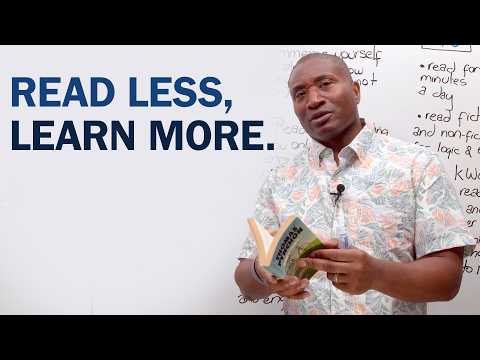
林宜悉 posted on 2025/12/18Want to boost your English reading skills? This video dives into active reading techniques, showing you how to mark up books and think critically about what you read to truly understand and remember more. You'll pick up advanced vocabulary and practical strategies you can use in your daily study!
Learn this video on the APP!
The VoiceTube App has more in-depth practice for videos!