
act out
US /ækt aʊt/
UK /ækt aut/
- Phrasal Verb
- To perform a role before going on stage; practice
- To perform or represent something through actions.
A1Moreadulthood
US /'ædʌlthʊd/
UK /'ædʌlthʊd/
- Uncountable Noun
- Time of life when a person is fully grown
- The time when someone has the rights and responsibilities of an adult.
B1Moreaffect
US /əˈfɛkt/
UK /ə'fekt/
- Transitive Verb
- To cause a change in something else
- To pretend to have or feel (something).
- Noun
- (Psychology) Emotion or feeling.
A2TOEICMoreat the same time
US
UK
- Phrase
- Simultaneously; at the identical moment.
- Nevertheless; however; used to introduce a contrasting or qualifying statement.
A1Morebob
US /bɑ:b/
UK /bɒb/
- Intransitive Verb
- To move up and down repeatedly
- Proper Noun
- Person's name
B2Morechildhood
US /ˈtʃaɪldˌhʊd/
UK /ˈtʃaɪldhʊd/
- Uncountable Noun
- The time when you are a child
B1Morecomplex
US /kəmˈplɛks, ˈkɑmˌplɛks/
UK /'kɒmpleks/
- Countable Noun
- Group of buildings all used for the same purpose
- Adjective
- Not being simple; having many parts or aspects
A2Moredepend
US /dɪˈpend/
UK /dɪˈpend/
- Verb (Transitive/Intransitive)
- Be controlled or determined by (someone/something)
- To rely on someone or something for support, help, or existence.
B1TOEICMoredepending on
US
UK
- Phrasal Verb
- To rely on for support (financial or emotional)
- Influenced or determined by.
- Preposition
- Subject to; contingent on
- Relying on someone or something for support or assistance.
A2Moredisorder
US /dɪsˈɔrdɚ/
UK /dɪs'ɔ:də(r)/
- Uncountable Noun
- State of confusion or a lack of organization
- Illness when the body is not functioning well
- Transitive Verb
- To disrupt the order or arrangement of something.
B2Moreepisode
US /ˈɛpɪˌsod/
UK /'epɪsəʊd/
- Noun
- One separate event in a series of events
- Show which is part of a larger story
B1TOEICMorefacial
US /ˈfeʃəl/
UK /'feɪʃl/
- Noun (Countable/Uncountable)
- Treatment to improve condition of the skin of face
- Adjective
- Concerning or on the face
B2Morefunction
US /ˈfʌŋkʃən/
UK /'fʌŋkʃn/
- Noun
- Social event, or party such as a wedding
- Mathematical operation used in calculations
- Intransitive Verb
- To serve a certain purpose or role
- To be operating, working or achieving its purpose
A2TOEICMoreinteract
US /ˌɪntɚˈækt/
UK /ˌɪntər'ækt/
- Intransitive Verb
- To talk or do things with each other
A2Moreinteract with
US /ˌɪntɚˈækt wɪð/
UK /ˌɪntərˈækt wið/
- Phrase
- Verb (Transitive/Intransitive)
- To engage in communication or action involving mutual or reciprocal influence.
- To use a computer interface to achieve a specific goal.
A2Morelack
US /læk/
UK /læk/
- Verb (Transitive/Intransitive)
- To not have, or not have enough, of something
- Uncountable Noun
- The state of not having or not having enough of
A2TOEICMorelifetime
US /ˈlaɪfˌtaɪm/
UK /ˈlaɪftaɪm/
- Noun (Countable/Uncountable)
- The time between birth and death
- An opportunity that is unlikely to occur again.
- Adjective
- Lasting for the duration of someone's life or the existence of something.
B1Morelucid
US /ˈlusɪd/
UK /ˈlu:sɪd/
- Adjective
- Very clear; really easy to understand
- Able to speak/think clearly, e.g. even if old
C1TOEICMoremake certain
US
UK
- Transitive Verb
- To ensure or ascertain something.
A1Morementally
US /ˈmɛntl:ɪ/
UK /ˈmentəli/
- Adverb
- With or in the mind and thoughts
A2Moremount
US /maʊnt/
UK /maʊnt/
- Transitive Verb
- To attach something to something else
- To set a picture, jewel etc. in
- Noun
- An attachment used to keep something in place
- Horse that someone is riding
B2Moreoccur
US /əˈkɚ/
UK /əˈkɜ:(r)/
- Intransitive Verb
- To come to pass or to happen
- To be found to exist; to be present.
A2TOEICMorepassive
US /ˈpæsɪv/
UK /ˈpæsɪv/
- Adjective
- Allowing things to happen with quiet acceptance
- With sentence's subject being what verb acts on
- Noun
- A person who is passive; one who does not actively participate or resist.
B1Morephysically
US /ˈfɪzɪkəlɪ/
UK /'fɪzɪklɪ/
- Adverb
- In a manner related to the body
- Concerning reality or the laws of nature
A2Moreprevalence
US /ˈprɛvələns/
UK /'prevələns/
- Uncountable Noun
- Fact of being widespread or common
B2Morerelate
US /rɪˈlet/
UK /rɪ'leɪt/
- Transitive Verb
- To demonstrate a logical relationship between
- To understand or sympathize with, e.g. a problem
A2TOEICMoreresearch
US /rɪˈsɚtʃ, ˈriˌsɚtʃ/
UK /rɪ'sɜ:tʃ/
- Verb (Transitive/Intransitive)
- To study in order to discover new ideas and facts
- To study the market relating to marketing products and services.
- Noun (Countable/Uncountable)
- Study done to discover new ideas and facts
- A particular area or topic of study.
A2TOEICMorerespond
US /rɪˈspɑnd/
UK /rɪ'spɒnd/
- Verb (Transitive/Intransitive)
- To answer something or someone
- To have a good reaction to e.g. medical treatment
A2TOEICMoreresponse
US /rɪˈspɑns/
UK /riˈspɔns/
- Noun
- Something said/written as an answer to something
- Reaction to something that has occurred
A2TOEICMoreresult
US /rɪˈzʌlt/
UK /rɪ'zʌlt/
- Noun
- Something produced through tests or experiments
- Final score of a competition, election or game
- Intransitive Verb
- To be the outcome of other causes and effects
- To happen or exist as a consequence of something.
A2Moresame time
US
UK
- Phrase
- Occurring simultaneously or at the same point in time.
- At the identical time as before; recurring at a fixed hour.
- Noun
- An equal duration or period.
A1Morestress
US / strɛs/
UK /stres/
- Transitive Verb
- To emphasize one or more parts of a word, sentence
- To put pressure on something or someone
- Noun (Countable/Uncountable)
- Emphasis on part of a word or sentence
- Pressure on something or someone
A2TOEICMoresuffer
US / ˈsʌfɚ/
UK /'sʌfə(r)/
- Verb (Transitive/Intransitive)
- To experience pain, illness, or injury
- To allow or permit something, especially something unpleasant.
A2Moresuffer from
US /ˈsʌfɚ frʌm/
UK /ˈsʌfə frɔm/
- Intransitive Verb
- To experience pain or distress; to be badly affected by.
A1Moretriangle
US /ˈtraɪˌæŋɡəl/
UK /ˈtraɪæŋgl/
- Noun
- Three people connected with each in a relationship
- A three-sided piece of metal used in orchestras
B1TOEICMoretrigger
US /ˈtrɪɡɚ/
UK /'trɪɡə(r)/
- Noun
- Lever on a gun that you pull to fire
- Device that starts a process
- Transitive Verb
- To start a process off e.g. a memory
- To cause something to begin or happen.
B1Moretypically
US /ˈtɪpɪklɪ/
UK /ˈtɪpɪkli/
- Adverb
- In a normal or usual way
B1Moreunconscious
US /ʌnˈkɑnʃəs/
UK /ʌnˈkɒnʃəs/
- Adjective
- Not aware of what is going on around you
- Not being deliberate or on purpose
- Uncountable Noun
- The part of the mind that contains thoughts and feelings that one is not aware of.
B1More
Vocabulary
- depending on: To rely on for support (financial or emotional)
- at the same time: Simultaneously; at the identical moment.
- same time: Occurring simultaneously or at the same point in time.
- suffer from: To experience pain or distress; to be badly affected by.
- act out: To perform a role before going on stage; practice
- interact with
- make certain: To ensure or ascertain something.
- episode: One separate event in a series of events
- trigger: Lever on a gun that you pull to fire
- term: Conditions applying to an agreement, contract
- disorder: State of confusion or a lack of organization
- typically: In a normal or usual way
- common: Area in a city or town that is open to everyone
- interact: To talk or do things with each other
- unconscious: Not aware of what is going on around you
- complex: Group of buildings all used for the same purpose
- stress: To emphasize one or more parts of a word, sentence
- research: To study in order to discover new ideas and facts
- measure: Plan to achieve a desired result
- lack: To not have, or not have enough, of something
- passive: Allowing things to happen with quiet acceptance
- affect: To cause a change in something else
- function: Social event, or party such as a wedding
- brain: To strike someone forcefully on the head
- occur: To come to pass or to happen
- suffer: To experience pain, illness, or injury
- series: Set of stories or articles on a particular subject
- physically: In a manner related to the body
- response: Something said/written as an answer to something
- perform: To carry out an action well or successfully
- result: Something produced through tests or experiments
- mentally: With or in the mind and thoughts
- click: To work well with someone or something
- relate: To demonstrate a logical relationship between
- respond: To answer something or someone
- noggin: A human head
- stage: To organize an event to gain public interest
- activity: An action or task, e.g. sports, washing clothes
- text: To send a message by phone or other device
- depend: Be controlled or determined by (someone/something)
- hit: To have a negative impact on a person/place/thing
- ever: At any time; at all times in the future
- allow: To admit the validity or truth of something
- simple: Not hard to understand or do; not complex
- facial: Treatment to improve condition of the skin of face
- prevalence: Fact of being widespread or common
- adulthood: Time of life when a person is fully grown
- lucid: Very clear; really easy to understand
- mount: To attach something to something else
- childhood: The time when you are a child
- lifetime: The time between birth and death
- bob: To move up and down repeatedly
- triangle: Three people connected with each in a relationship
Get the full experience in the app
Learn anywhere with detailed sentence and usage analysis
01:03
She took a brave step forward, leaving behind her comfort zone to chase her dreams.
Vocabulary
- brave
adj. Having courage
- comfort zone
phr. A familiar situation where one feels safe
Explanation
a brave step is a noun phrase, where brave is an adjective modifying the noun step, meaning "a courageous step".
forward is an adverb modifying step, meaning "ahead".
The whole phrase serves as the object, answering the "what" of took (verb) — she took a brave step forward.
Get the full experience in the app
Look up words anytime with pronunciation, part of speech, and usage
brave
US/brev/
UK/breɪv/
adj.Brave
v.t.To bravely face
A2 Elementary
Get the full experience in the app
Practice speaking anytime and get instant pronunciation feedback
Try this speaking exercise.
Try practicing with this sentence.
80
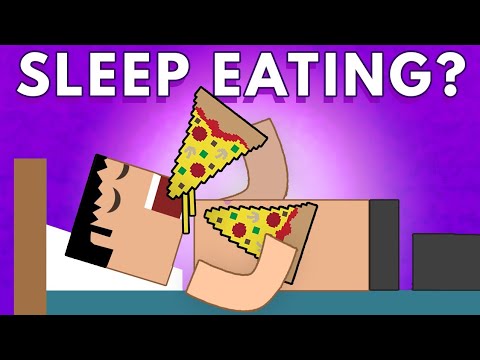
Are You Eating In Your Sleep?
0
Khánh Ngân Nguyễn posted on 2025/12/18Ever wondered if you're sleepwalking or even eating in your sleep? This fascinating video from Life Noggin dives into the science behind parasomnias and slow-wave sleep, helping you understand these strange sleep behaviors. You'll pick up some advanced vocabulary and learn practical insights about sleep that you can use every day!
Learn this video on the APP!
The VoiceTube App has more in-depth practice for videos!