
alpha
US /'ælfə/
UK /ˈælfə/
- Noun
- First letter in the Greek alphabet
- Adjective
- Most powerful (animals of the same sex)
B1Morebust
US /bʌst/
UK /bʌst/
- Transitive Verb
- To arrest people involved in crime
- To break something with force
- Noun
- A woman's chest or breasts
B2Morecome together
US /kʌm təˈɡɛðɚ/
UK /kʌm təˈɡeðə/
- Phrasal Verb
- To assemble or unite; to start working together.
- To form a close relationship or bond.
A1Morefalse
US /fɔ:ls/
UK /fɔ:ls/
- Adjective
- Not real or genuine
- Not true or correct; containing incorrect information.
- Adverb
- In an untrue or inaccurate way.
A2TOEICMorefox
US /fɑ:ks/
UK /fɒks/
- Countable Noun
- Small forest animal with 4 legs and a long tail
- Clever, tricky person
- Verb (Transitive/Intransitive)
- To make something difficult to understand; confuse
- To trick someone in a clever way
A2Morein a box
US /ɪn ə bɑks/
UK /ɪn ə bɒks/
- other
- Contained or confined inside a box or small space.
B2Morelazy
US /ˈlezi/
UK /ˈleɪzi/
- Adjective
- Not liking to work or make an effort; idle
A2Moremagical
US /ˈmædʒɪkəl/
UK /ˈmædʒɪkl/
- Adjective
- Specially enjoyable, pleasing or romantic
- Concerning, involving, or able to perform magic
A2Moreow
US /aʊ/
UK /aʊ/
- Interjection
- Sound people make when they are hurt
C2Moreox
US /ɑ:ks/
UK /ɒks/
- Countable Noun
- Cow-like animal kept for providing milk or meat
B2Moreswine
US /swaɪn/
UK /swaɪn/
- Countable Noun
- A pig
C1More
Vocabulary
- come together: To assemble or unite; to start working together.
- in a box: Contained or confined inside a box or small space.
- bust: To arrest people involved in crime
- false: Not real or genuine
- great: Very good; better than before
- land: Region or country
- quick: Using very little time; moving far in little time
- hide: To go to, or put a thing where it can't be found
- laugh: To make a happy sound when something is funny
- hold: To agree to keep something for someone
- swine: A pig
- hand: Cards given to a player in a card game
- run: To depart or travel according to a schedule
- magical: Specially enjoyable, pleasing or romantic
- lazy: Not liking to work or make an effort; idle
- brown: Of the color of coffee or chocolate
- ready: Being likely or about to do something
- alpha: First letter in the Greek alphabet
- fun: Amusing and enjoyable
- jump: To attack someone suddenly
- box: A marked area of a baseball field
- ox: Cow-like animal kept for providing milk or meat
- sing: To make musical sounds with your voice
- dog: Small 4-legged animal that barks kept as a pet
- fox: Small forest animal with 4 legs and a long tail
- ow: Sound people make when they are hurt
Get the full experience in the app
Learn anywhere with detailed sentence and usage analysis
01:03
She took a brave step forward, leaving behind her comfort zone to chase her dreams.
Vocabulary
- brave
adj. Having courage
- comfort zone
phr. A familiar situation where one feels safe
Explanation
a brave step is a noun phrase, where brave is an adjective modifying the noun step, meaning "a courageous step".
forward is an adverb modifying step, meaning "ahead".
The whole phrase serves as the object, answering the "what" of took (verb) — she took a brave step forward.
Get the full experience in the app
Look up words anytime with pronunciation, part of speech, and usage
brave
US/brev/
UK/breɪv/
adj.Brave
v.t.To bravely face
A2 Elementary
Get the full experience in the app
Practice speaking anytime and get instant pronunciation feedback
Try this speaking exercise.
Try practicing with this sentence.
80
0
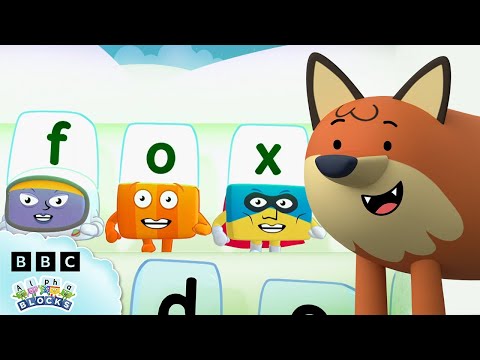
林宜悉 posted on 2025/12/15Get ready to sing along with the "Quick Brown Fox" in this super fun AlphaBlocks episode! You'll boost your phonics skills and learn simple sentence structures while enjoying a playful animated adventure. It's a fantastic way for preschoolers to learn their letters and sounds!
Learn this video on the APP!
The VoiceTube App has more in-depth practice for videos!