
acknowledge
US /ækˈnɑlɪdʒ/
UK /ək'nɒlɪdʒ/
- Transitive Verb
- To say you have received a letter, gift, etc.
- To say you accept the truth or value of something
A2Moreafter all
US /ˈæftɚ ɔl/
UK /ˈɑ:ftə ɔ:l/
- Adverb
- In spite of what was expected; used to introduce a statement that supports a previous statement or explains why it was made
- Considering everything; used to indicate that something is happening or is true despite some difficulty or obstacle
- Phrase
- Despite what was expected or thought; in spite of everything.
- Taking everything into consideration; considering that.
B1Moreall the things
US
UK
- Pronoun
- Everything; all items or aspects
- Determiner
- Every item or object being considered or discussed.
A1Moreat least
US /æt list/
UK /æt li:st/
- Adverb
- As a minimum
- Not less than
- Phrase
- No less than; at the minimum
- Used to indicate that something is positive in a bad situation.
C2Moreat the end of the day
US
UK
- Phrase
- Ultimately; when everything else is considered.
- After a day's work or activities.
A1Morebrunch
US /brʌntʃ/
UK /brʌntʃ/
- Noun
- Mixture of breakfast and lunch eaten late morning
C1Moreburden
US /ˈbɚdn/
UK /'bɜ:dn/
- Transitive Verb
- To weigh down with a load; impose a task upon
- Noun (Countable/Uncountable)
- Something difficult to do, manage, or accept
- Something that is carried with difficulty; an oppressive load.
B1Moreconscious
US /ˈkɑnʃəs/
UK /ˈkɒnʃəs/
- Adjective
- Aware of what is going on around you
- Intentionally done; deliberate.
A2Morecounselor
US /ˈkaʊnsəlɚ, -slɚ/
UK /'kaʊnsələ/
- Noun
- Person offering professional advice to others
B1Moredescription
US /dɪˈskrɪpʃən/
UK /dɪˈskrɪpʃn/
- Noun
- Explanation of what something is like, looks like
- The type or nature of someone or something.
A2TOEICMoredetermine
US /dɪˈtɚmɪn/
UK /dɪ'tɜ:mɪn/
- Transitive Verb
- To control exactly how something will be or act
- To establish the facts about; discover
A2TOEICMoredrift
US /drɪft/
UK /drɪft/
- Intransitive Verb
- (Of sand, etc.) to be blown into heaps by the wind
- (Of boats) to move without purpose on water
B1Moreeffort
US /ˈɛfət/
UK /ˈefət/
- Uncountable Noun
- Amount of work used trying to do something
- A conscious exertion of power; a try.
A2TOEICMoreemotional
US /ɪˈmoʃənəl/
UK /ɪˈməʊʃənl/
- Adjective
- Causing, feeling, or appealing to the emotions
- Relating to or characterized by emotion
A2Moreexempt
US /ɪɡˈzɛmpt/
UK /ɪɡ'zempt/
- Adjective
- Released from some duty that others have to do
- (Tax) Not needed to pay
- Transitive Verb
- To free (a person or organization) from an obligation or liability imposed on others.
B1Morefeel like
US
UK
- Intransitive Verb
- To have a desire or inclination for something.
- To have a particular quality or sensation; resemble.
A1Morefrom time to time
US
UK
- Phrase
- Occasionally; sometimes but not regularly.
- At intervals; now and then.
A1Morefulfil
US
UK
- Transitive Verb
- To finish or provide something successfully
- To make real, to bring into effect
B1Moregenuinely
US /ˈdʒɛnjʊɪnlɪ/
UK /'dʒenjʊɪnlɪ/
- Adverb
- In a real, actual, not false or artificial way
- In a sincere and honest way.
A2Morego out
US /ɡo aʊt/
UK /ɡəu aut/
- Phrase
- To leave a building (e.g. a house)
- Phrasal Verb
- (Of a fire) to burn out; be extinguished
- Go out of fashion to stop being fashionable
A1Moregrab
US /ɡræb/
UK /ɡræb/
- Transitive Verb
- To take and hold something quickly
A2Morehave at
US
UK
- Phrasal Verb
- To attack someone or something.
- To begin doing something with enthusiasm.
A1Morein fact
US /ɪn fækt/
UK /in fækt/
- Adverb
- Used to emphasize the truth of a statement, especially one that contrasts with or contradicts something else.
- Used to introduce a more detailed or surprising piece of information.
- Phrase
- Used to emphasize the truth of a statement, especially one that is surprising or contrary to what might be expected.
C1Morein on
US
UK
- Phrase
- To be involved in a secret or plan.
- To be aware of something that is secret or not generally known.
A1Morein touch
US /ɪn tʌtʃ/
UK /in tʌtʃ/
- Adjective
- Having contact or communication with someone.
- Aware of or informed about something.
B1Morein with
US /ɪn wɪð/
UK /in wið/
- Phrase
- Fashionable or popular at the moment.
- Having influence or favor with someone.
- Phrasal Verb
- To introduce or bring something new into a system or organization.
A1Moreinsight
US /ˈɪnˌsaɪt/
UK /'ɪnsaɪt/
- Noun (Countable/Uncountable)
- Power to understand people and things very well
- Very good understanding of something
B1Morelet in
US /lɛt ɪn/
UK /let in/
- Phrasal Verb
- To allow someone to enter or come in
A1Moreloneliness
US /ˈlonlɪnɪs/
UK /'ləʊnlɪnəs/
- Uncountable Noun
- State of feeling sad because you are alone
- A feeling of being isolated from others, even when surrounded by people.
B2Morelonely
US /ˈloʊnli/
UK /ˈləʊnli/
- Adjective
- Sad because apart from other people
- Being far away and rarely visited by people
B2Morelook at
US /lʊk æt/
UK /luk æt/
- Phrasal Verb
- To use your eyes to focus on something
- To focus your eyes on something carefully
A1Moremental
US /ˈmɛntl/
UK /ˈmentl/
- Adjective
- Concerning the mind
A2TOEICMoreno matter
US
UK
- Conjunction
- Regardless of; it does not matter.
- Adverb
- Regardless of; it is not important
A1Morenotification
US /ˌnoʊtɪfɪˈkeɪʃn/
UK /ˌnəʊtɪfɪˈkeɪʃn/
- Uncountable Noun
- Act of giving formal or official information
B2Moreplenty
US /ˈplɛnti/
UK /'plentɪ/
- Pronoun
- When there is not too little of something; a lot
- Uncountable Noun
- A large or sufficient amount or quantity; abundance.
- A lot of something
A2Morepotentially
US /pəˈtɛnʃəlɪ/
UK /pə'tenʃəlɪ/
- Adverb
- That could happen or become reality
B1Morepresence
US /ˈprɛzəns/
UK /ˈprezns/
- Noun
- The same place or area that a person is
- Ability to reach a market, group of people etc.
A2Morepsych
US /saɪk/
UK /saɪk/
- Transitive Verb
- (Of an upcoming event) to cause excitement in
C2Morepsychological
US /ˌsaɪkəˈlɑdʒɪkəl/
UK /ˌsaɪkəˈlɒdʒɪkl/
- Adjective
- Concerning the study of the mind
- Relating to or involving the use of propaganda, threats, or other psychological techniques to subdue an opponent.
A2Morepsychology
US /saɪˈkɑlədʒi/
UK /saɪ'kɒlədʒɪ/
- Uncountable Noun
- The study of the mind and how it affects behavior
- Way in which a person or group thinks and behaves
C2Morequality
US /ˈkwɑlɪti/
UK /'kwɒlətɪ/
- Noun (Countable/Uncountable)
- Feature associated with someone or something
- High level of worth or excellence
- Adjective
- Of a high standard
A2TOEICMorereach out
US /ritʃ aʊt/
UK /ri:tʃ aut/
- Phrasal Verb
- To attempt to communicate with someone.
- To offer help and support to someone.
B1Morereap
US /rip/
UK /ri:p/
- Transitive Verb
- To harvest or to cut and collect crops
- To gain or get as a result of doing something else
B2Moreregardless of
US /rɪˈɡɑrdlɪs ʌv/
UK /riˈɡɑ:dlis ɔv/
- Phrase
- Preposition
- Without being affected or influenced by something; despite.
A2Moreregularly
US /ˈregjələrli/
UK /ˈregjələli/
- Adverb
- At the usual time each day, week, or month
- In a normal or customary way.
B1TOEICMoreseek help
US
UK
- Verb (Transitive/Intransitive)
- To ask for or try to get assistance or support.
A1Morestruggle
US /ˈstrʌɡəl/
UK /'strʌɡl/
- Verb (Transitive/Intransitive)
- To try very hard to do something difficult
- To fight or struggle violently
- Noun (Countable/Uncountable)
- Strong efforts made to do something difficult
- A difficult or challenging situation or task
A2Moretalking about
US
UK
- Phrasal Verb
- To discuss a particular topic.
- To be constantly mentioning or bringing up a subject.
A1Moretend
US /tɛnd/
UK /tend/
- Intransitive Verb
- To move or act in a certain manner
- Transitive Verb
- To take care of
A2Moretherapeutic
US /ˌθɛrəˈpjutɪk/
UK /ˌθerəˈpju:tɪk/
- Adjective
- Intended to make things (e.g. illness) better
B2Moretouchy
US /ˈtʌtʃi/
UK /'tʌtʃɪ/
- Adjective
- Taking offense easily; easily angered
- (Of an issue) needing careful handling; sensitive
C1Moreuncomfortable
US /ʌnˈkʌmfətəbəl, -ˈkʌmftə-/
UK /ʌnˈkʌmftəbl/
- Adjective
- Not being relaxed; worried about something
- Causing or feeling slight pain or physical unease.
B1Moreused to
US /juzd tu/
UK /ˈju:st tə/
- Adjective
- Did regularly before, but don't do now
- Auxiliary Verb
- Have done before, but do not do now
A1Morewith just
US
UK
- Phrase
- Using only; with no more than.
- Barely; by a narrow margin.
A2More
Vocabulary
- feel like: To have a desire or inclination for something.
- from time to time: Occasionally; sometimes but not regularly.
- no matter: Regardless of; it does not matter.
- with just: Using only; with no more than.
- have at: To attack someone or something.
- at least: As a minimum
- in fact: Used to emphasize the truth of a statement, especially one that contrasts with or contradicts something else.
- look at: To use your eyes to focus on something
- talking about: To discuss a particular topic.
- all the things: Everything; all items or aspects
- in with: Fashionable or popular at the moment.
- used to: Did regularly before, but don't do now
- in on: To be involved in a secret or plan.
- in touch: Having contact or communication with someone.
- at the end of the day: Ultimately; when everything else is considered.
- let in: To allow someone to enter or come in
- go out: To leave a building (e.g. a house)
- regardless of
- after all: In spite of what was expected; used to introduce a statement that supports a previous statement or explains why it was made
- reach out: To attempt to communicate with someone.
- seek help: To ask for or try to get assistance or support.
- conscious: Aware of what is going on around you
- struggle: To try very hard to do something difficult
- mental: Concerning the mind
- genuinely: In a real, actual, not false or artificial way
- grab: To take and hold something quickly
- effort: Amount of work used trying to do something
- description: Explanation of what something is like, looks like
- matter: To be of great importance; to count
- realize: To become aware of or understand mentally
- determine: To control exactly how something will be or act
- potentially: That could happen or become reality
- presence: The same place or area that a person is
- tend: To move or act in a certain manner
- plenty: When there is not too little of something; a lot
- treat: To pay for the food or enjoyment of someone else
- psychological: Concerning the study of the mind
- sense: Certain mental feeling or emotion
- emotional: Causing, feeling, or appealing to the emotions
- psychology: The study of the mind and how it affects behavior
- burden: To weigh down with a load; impose a task upon
- quality: Feature associated with someone or something
- insight: Power to understand people and things very well
- acknowledge: To say you have received a letter, gift, etc.
- therapeutic: Intended to make things (e.g. illness) better
- drift: (Of sand, etc.) to be blown into heaps by the wind
- reap: To harvest or to cut and collect crops
- social: Involving activity with people, e.g. in free time
- scary: Causing fear; frightening
- regularly: At the usual time each day, week, or month
- lot: What happens to a person in life from chance; fate
- offer: Price you say you are willing to pay for something
- counselor: Person offering professional advice to others
- notification: Act of giving formal or official information
- loneliness: State of feeling sad because you are alone
- find: To become aware of something that is happening
- popular: Liked or enjoyed by many people
- check: Paper showing how much you owe at a restaurant
- feel: To be aware of or experience an emotion, sensation
- life: All the living things e.g. animals, plants, humans
- human: A person; a man, woman or child
- exempt: Released from some duty that others have to do
- time: Speed at which music is played; tempo
- uncomfortable: Not being relaxed; worried about something
- lonely: Sad because apart from other people
- psych: (Of an upcoming event) to cause excitement in
- touchy: Taking offense easily; easily angered
- brunch: Mixture of breakfast and lunch eaten late morning
- fulfil: To finish or provide something successfully
Get the full experience in the app
Learn anywhere with detailed sentence and usage analysis
01:03
She took a brave step forward, leaving behind her comfort zone to chase her dreams.
Vocabulary
- brave
adj. Having courage
- comfort zone
phr. A familiar situation where one feels safe
Explanation
a brave step is a noun phrase, where brave is an adjective modifying the noun step, meaning "a courageous step".
forward is an adverb modifying step, meaning "ahead".
The whole phrase serves as the object, answering the "what" of took (verb) — she took a brave step forward.
Get the full experience in the app
Look up words anytime with pronunciation, part of speech, and usage
brave
US/brev/
UK/breɪv/
adj.Brave
v.t.To bravely face
A2 Elementary
Get the full experience in the app
Practice speaking anytime and get instant pronunciation feedback
Try this speaking exercise.
Try practicing with this sentence.
80
0
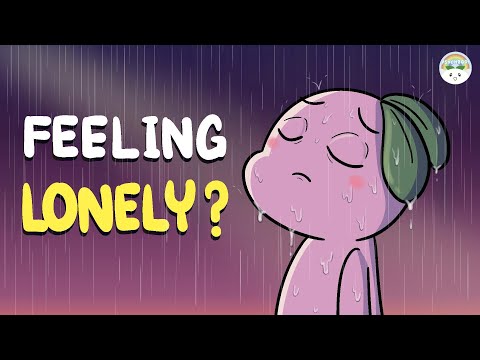
林宜悉 posted on 2025/12/13Feeling a bit lonely lately? This video dives into the signs of loneliness and shares practical, everyday tips to build stronger social connections, inspired by fascinating research! You'll pick up simple sentence structures and useful phrases to help you reach out and nurture your support network.
Learn this video on the APP!
The VoiceTube App has more in-depth practice for videos!