
at least
US /æt list/
UK /æt li:st/
- Adverb
- As a minimum
- Not less than
- Phrase
- No less than; at the minimum
- Used to indicate that something is positive in a bad situation.
C2Moreat worst
US /æt wɚst/
UK /æt wə:st/
- Adverb
- If the most unfavorable outcome happens.
A1Morecamp down
US /kæmp daʊn/
UK /kæmp daʊn/
- other
- To set up a camp and stay temporarily outdoors.
C1Morecome up
US /kʌm ʌp/
UK /kʌm ʌp/
- Phrasal Verb
- To come closer to someone; approach
- (Of sun) to rise into the sky in the morning
A1Morecomparison
US /kəmˈpærɪsən/
UK /kəmˈpærɪsn/
- Noun (Countable/Uncountable)
- Act of comparing things
- The quality or state of being similar or alike.
A2Moreconnection
US /kəˈnɛkʃən/
UK /kəˈnekʃn/
- Noun (Countable/Uncountable)
- Something that joins things together; being joined
- Person you know who can help you in some way
A2Morecreative
US /kriˈetɪv/
UK /krɪ'eɪtɪv/
- Adjective
- Having the ability to make something new
- Having the ability to create; imaginative and original.
- Noun
- A person whose job involves creative work.
A2Moredown with
US /daʊn wɪð/
UK /daun wið/
- Adjective
- Suffering from an illness.
- Agreeable to; in favor of.
- Interjection
- An expression of opposition to something.
A1Morefeel sorry for
US
UK
- Phrasal Verb
- To experience sympathy or pity for someone.
A1Moreflag up
US /flæg ʌp/
UK /flæg ʌp/
- other
- To bring attention to a problem or important point.
B2Moreget naked
US
UK
- Verb (Transitive/Intransitive)
- To remove one's clothes; to undress completely.
B2Moregive up
US /ɡɪv ʌp/
UK /ɡiv ʌp/
- Phrasal Verb
- To lose hope or admit defeat
- To decide to not start to try solving a problem
A1Moregoing on
US /ˈɡoɪŋ ɑn/
UK /ˈgəʊɪŋ ɔn/
- Phrasal Verb
- To continue doing something
- To happen (usually negative)
A1Moregot to
US /ɡɑt tu/
UK /gɔt tu:/
- Verb (Transitive/Intransitive)
- To arrive at some place
- To have the opportunity or permission to do something
- Phrasal Verb
- To appeal to the emotions of; move
- To finally begin to start something after a delay
A1Moregrow up
US /ɡro ʌp/
UK /ɡrəu ʌp/
- Phrasal Verb
- To develop from a child into an adult
A1Morehave at
US
UK
- Phrasal Verb
- To attack someone or something.
- To begin doing something with enthusiasm.
A1Morehave to
US /hæv tu/
UK /ˈhæv tə/
- Auxiliary Verb
- Must do
A1Morein service
US /ɪn 'sɝvɪs/
UK /in ˈsɜːvɪs/
- Adjective
- Available for use; operational
B1Morein the end
US /ɪn ði ɛnd/
UK /in ðə end/
- Phrase
- Finally; after a period of time or series of events.
- Ultimately; as the final result or consequence.
A1Morein the green
US /ɪn ðə ˈɡrin/
UK /in ðə ˈɡri:n/
- other
- Having a financial profit or gain.
- On the putting surface of a golf course.
B2Moreinside of
US /ɪnˈsaɪd ʌv/
UK /inˈsaid ɔv/
- Preposition
- Within; in the inner part of.
- Within a certain period of time.
A1Moreknow about
US /noʊ əˈbaʊt/
UK /nəʊ əˈbaut/
- Phrasal Verb
- To have information or understanding of a subject or situation.
left open
US
UK
- Adjective
- Not closed, ajar.
- Available; not yet filled or decided.
look at
US /lʊk æt/
UK /luk æt/
- Phrasal Verb
- To use your eyes to focus on something
- To focus your eyes on something carefully
A1Moremarching orders
US
UK
- Noun
- Official orders given to a soldier or unit to move to a new location or begin a specific operation.
- Informal term for being dismissed or fired from a job.
of course
US /ʌv kɔː(r)s/
UK /ɔv kɔː(r)s/
- Adverb
- Sure ; Certainly
- Phrase
- For sure; certainly
A2Moreon a daily basis
US
UK
- Phrase
- Happening every day.
A1Moreon the couch
US /ɑn ðə kaʊtʃ/
UK /ɒn ðə kaʊtʃ/
- other
- Receiving psychotherapy or psychological treatment.
B1Moreon the line
US /ɑn ði laɪn/
UK /ɔn ðə lain/
- Phrase
- At risk; in a situation where something could be lost.
- Having a great deal of responsibility.
A1Moreout there
US /aʊt ðɛr/
UK /aut ðɛə/
- Adverb
- In or to a place that is far away
- Existing in the universe
- Adjective
- Unconventional; strange; avant-garde
- Existing or available.
A1Moreplay in
US
UK
- Phrasal Verb
- To participate or compete in a game or competition.
- To have a role in a theatrical production.
A1Morerather than
US
UK
- Adverb
- More exactly; more correctly
- Preferably; instead
- Preposition
- Instead of
A1Morered flag
US /rɛd flæɡ/
UK /red flæɡ/
- Noun
- A warning sign or signal of danger or a problem.
- A symbol of socialism or communism.
B1Moresearch for
US /sɚtʃ fɔr/
UK /sə:tʃ fɔ:/
- Phrasal Verb
- To try to find someone or something.
B1Moreset up
US /sɛt ʌp/
UK /set ʌp/
- Phrasal Verb
- To make arrangements for something; establish
- Verb (Transitive/Intransitive)
- To arrange or prepare something for use.
- To start a business, organization, etc.
A1Moreshame
US /ʃem/
UK /ʃeɪm/
- Uncountable Noun
- Feeling of guilt because you did something wrong
- Transitive Verb
- To make someone feel ashamed
A2Moreshow of hands
US
UK
- Noun
- A way of voting in which people raise their hands to show that they support something.
A1Moreshow up
US /ʃo ʌp/
UK /ʃəu ʌp/
- Phrasal Verb
- To arrive or be seen at a place, e.g. a party
- To be noticeably better than (someone else)
A1Morestay home
US
UK
- Intransitive Verb
- To remain in one's house or residence.
A1Morestay in
US /ste ɪn/
UK /stei in/
- Phrasal Verb
- To remain inside one's home.
- Intransitive Verb
- To remain as an inpatient in a hospital.
string up
US
UK
- Phrasal Verb
- To hang someone by a rope, especially as a form of punishment or execution.
- To suspend something from a height using string or rope.
A1Morestuff
US /stʌf/
UK /stʌf/
- Uncountable Noun
- Generic description for things, materials, objects
- Transitive Verb
- To push material inside something, with force
B1Moresweat
US /swɛt/
UK /swet/
- Verb (Transitive/Intransitive)
- To do an amount of hard work
- To be worried or anxious about something
- Noun (Countable/Uncountable)
- An amount of hard work
A2Moretalking about
US
UK
- Phrasal Verb
- To discuss a particular topic.
- To be constantly mentioning or bringing up a subject.
A1Morethink about
US /θɪŋk əˈbaʊt/
UK /θiŋk əˈbaut/
- Phrasal Verb
- To consider something carefully.
- To remember or call to mind.
A1Moreto God
US /tə ɡɑd/
UK /tə ɡɒd/
- other
- Used to emphasize truth or sincerity.
A2Moreturn off
US
UK
- Phrasal Verb
- To make someone feel negatively about something
A1Moreup against
US /ʌp əˈɡenst/
UK /ʌp əˈɡenst/
- Phrase
- Facing or contending with something difficult or challenging.
- In close proximity or contact with something.
up there
US /ʌp ðɛr/
UK /ʌp ðɛə/
- Adverb
- In or to a higher place or position; far away.
- In heaven.
A1Moreup top
US
UK
- Adverb
- In or at the highest position or location.
- Interjection
- A gesture involving raising a hand for a high-five, often used as a greeting or congratulatory signal.
B2Moreused to
US /juzd tu/
UK /ˈju:st tə/
- Adjective
- Did regularly before, but don't do now
- Auxiliary Verb
- Have done before, but do not do now
A1Morevulnerability
US /ˌvʌlnərə'bɪlətɪ/
UK /ˌvʌlnərə'bɪlətɪ/
- Uncountable Noun
- Being weak and able to be easily hurt or damaged
- A weakness or flaw that makes something susceptible to harm or damage.
B1Morewalk through
US /wɔk θru/
UK /wɔ:k θru:/
- Phrasal Verb
- To show someone carefully how to do something
A1Morewanna
US /ˈwɑnə/
UK /'wɒnə/
- Verb (Transitive/Intransitive)
- Shortened form of 'want to'. Used only in speaking
B2Morewin over
US /wɪn ˈovɚ/
UK /win ˈəuvə/
- Phrasal Verb
- To convince others to support you or your ideas
A1More
Vocabulary
- show up: To arrive or be seen at a place, e.g. a party
- have to: Must do
- talking about: To discuss a particular topic.
- know about: To have information or understanding of a subject or situation.
- of course: Sure ; Certainly
- look at: To use your eyes to focus on something
- going on: To continue doing something
- think about: To consider something carefully.
- used to: Did regularly before, but don't do now
- get naked: To remove one's clothes; to undress completely.
- got to: To arrive at some place
- win over: To convince others to support you or your ideas
- in service: Available for use; operational
- grow up: To develop from a child into an adult
- down with: Suffering from an illness.
- inside of: Within; in the inner part of.
- marching orders: Official orders given to a soldier or unit to move to a new location or begin a specific operation.
- play in: To participate or compete in a game or competition.
- give up: To lose hope or admit defeat
- feel sorry for: To experience sympathy or pity for someone.
- stay home: To remain in one's house or residence.
- on the couch: Receiving psychotherapy or psychological treatment.
- turn off
- search for: To try to find someone or something.
- stay in: To remain inside one's home.
- in the end: Finally; after a period of time or series of events.
- at worst: If the most unfavorable outcome happens.
- on the line: At risk; in a situation where something could be lost.
- show of hands: A way of voting in which people raise their hands to show that they support something.
- set up
- camp down: To set up a camp and stay temporarily outdoors.
- string up: To hang someone by a rope, especially as a form of punishment or execution.
- come up: To come closer to someone; approach
- up top: In or at the highest position or location.
- up against: Facing or contending with something difficult or challenging.
- on a daily basis: Happening every day.
- walk through: To show someone carefully how to do something
- out there: In or to a place that is far away
- in the green: Having a financial profit or gain.
- left open: Not closed, ajar.
- flag up: To bring attention to a problem or important point.
- red flag: A warning sign or signal of danger or a problem.
- rather than: More exactly; more correctly
- up there: In or to a higher place or position; far away.
- have at: To attack someone or something.
- at least: As a minimum
- to God: Used to emphasize truth or sincerity.
- to: Toward a point, person, place or thing
- stuff: Generic description for things, materials, objects
- go: To attend or be at a place
- people: Persons sharing culture, country, background, etc.
- life: All the living things e.g. animals, plants, humans
- think: To have an idea about something without certainty
- work: The product of some artistic or literary endeavor
- wanna: Shortened form of 'want to'. Used only in speaking
- vulnerability: Being weak and able to be easily hurt or damaged
- connection: Something that joins things together; being joined
- sweat: To do an amount of hard work
- shame: Feeling of guilt because you did something wrong
- comparison: Act of comparing things
- talk: Style of speaking
- creative: Having the ability to make something new
Get the full experience in the app
Learn anywhere with detailed sentence and usage analysis
01:03
She took a brave step forward, leaving behind her comfort zone to chase her dreams.
Vocabulary
- brave
adj. Having courage
- comfort zone
phr. A familiar situation where one feels safe
Explanation
a brave step is a noun phrase, where brave is an adjective modifying the noun step, meaning "a courageous step".
forward is an adverb modifying step, meaning "ahead".
The whole phrase serves as the object, answering the "what" of took (verb) — she took a brave step forward.
Get the full experience in the app
Look up words anytime with pronunciation, part of speech, and usage
brave
US/brev/
UK/breɪv/
adj.Brave
v.t.To bravely face
A2 Elementary
Get the full experience in the app
Practice speaking anytime and get instant pronunciation feedback
Try this speaking exercise.
Try practicing with this sentence.
80
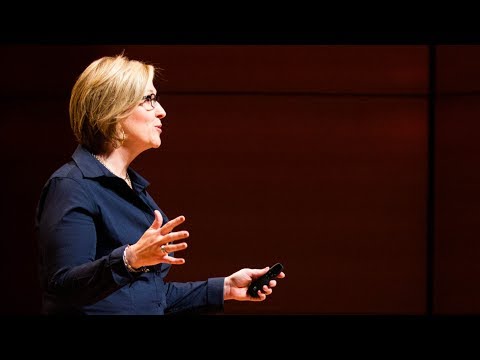
Brené Brown: Why Your Critics Aren't The Ones Who Count
0
Go Tutor posted on 2014/12/21Ever feel like your critics are louder than your fans? Brené Brown's powerful TED Talk dives into why the opinions that truly matter come from those brave enough to show up. You'll pick up practical phrases for handling criticism and understanding vulnerability, perfect for boosting your confidence!
Learn this video on the APP!
The VoiceTube App has more in-depth practice for videos!