
accomplish
US /əˈkɑmplɪʃ/
UK /ə'kʌmplɪʃ/
- Transitive Verb
- To succeed in doing; complete successfully
B1TOEICMorebuild on
US /bɪld ɑn/
UK /bild ɔn/
- Phrasal Verb
- To develop or expand something; to use something as a foundation for further progress.
- To use something as a base or foundation for further development or success.
A2Morebunch
US /bʌntʃ/
UK /bʌntʃ/
- Noun (Countable/Uncountable)
- A group of things of the same kind
- A group of people.
- Transitive Verb
- To group people or things closely together
B1Morecalendar
US /ˈkæləndɚ/
UK /ˈkælɪndə(r)/
- Noun (Countable/Uncountable)
- A table showing the days, months and years
- A system for organizing days, weeks, months, and years.
B1Morecapture
US /ˈkæptʃɚ/
UK /'kæptʃə(r)/
- Transitive Verb
- To attract and hold e.g. interest, attention
- To record, tape, or film something
- Noun
- The act of seizing or taking control of something.
B1Moreconnect
US /kəˈnɛkt/
UK /kə'nekt/
- Transitive Verb
- To associate a thing with something else
- To join or attach things together
A2Moreget lost
US /ɡɛt lɔst/
UK /ɡet lɔ:st/
- Intransitive Verb
- An impolite way of telling someone to go away.
- To become unable to find your way; to lose your sense of direction.
- Interjection
- An impolite way of telling someone to go away.
A1Moregoing on
US /ˈɡoɪŋ ɑn/
UK /ˈgəʊɪŋ ɔn/
- Phrasal Verb
- To continue doing something
- To happen (usually negative)
A1Morehave to
US /hæv tu/
UK /ˈhæv tə/
- Auxiliary Verb
- Must do
A1Morehunt
US /hʌnt/
UK /hʌnt/
- Transitive Verb
- To search for wild animals to kill (for food)
- To look for very carefully; search for
- Noun
- A search for animals to kill for food
A2Morehunt down
US /hʌnt daʊn/
UK /hʌnt daun/
- Phrasal Verb
- To search for someone or something until you find them, often after a long time or over a large area.
- To pursue someone or something relentlessly until caught or found.
B1Morelead to
US /lid tu/
UK /li:d tu:/
- Phrasal Verb
- To result in some action
- Verb (Transitive/Intransitive)
- To have something as a consequence or result.
A1Moreno matter
US
UK
- Conjunction
- Regardless of; it does not matter.
- Adverb
- Regardless of; it is not important
A1Morenote
US /noʊ/
UK /nəʊt/
- Verb
- To notice or pay particular attention to something.
- Noun
- A short informal letter or written record.
- A piece of paper money issued by a central bank or government authority that acts as legal tender
A2TOEICMorepile
US /paɪl/
UK /paɪl/
- Noun (Countable/Uncountable)
- Large amount of something
- Group of things one on top of another
- Verb (Transitive/Intransitive)
- (E.g. of problems) to increase; get more or worse
- To place things on top of each other; to heap up.
B1TOEICMoreprioritize
US /praɪˈɔ:rətaɪz/
UK /praɪˈɒrətaɪz/
- Transitive Verb
- To rank things in importance
B1TOEICMorereminder
US /rɪˈmaɪndər/
UK /rɪˈmaɪndə(r)/
- Noun
- Something that causes one to remember something
A2Moreschedule
US /ˈskedʒu:l/
UK /ˈʃedju:l/
- Noun (Countable/Uncountable)
- A list of events and their times
- A plan to do something at a certain time
- Transitive Verb
- To plan to do something at a certain time
A2TOEICMoreset up
US /sɛt ʌp/
UK /set ʌp/
- Phrasal Verb
- To make arrangements for something; establish
- Verb (Transitive/Intransitive)
- To arrange or prepare something for use.
- To start a business, organization, etc.
A1Moreshuffle
US /ˈʃʌfəl/
UK /'ʃʌfl/
- Transitive Verb
- To change the order of items/people in a group
B2Morestuff
US /stʌf/
UK /stʌf/
- Uncountable Noun
- Generic description for things, materials, objects
- Transitive Verb
- To push material inside something, with force
B1Moretrack
US /træk/
UK /træk/
- Transitive Verb
- To use marks to follow a wild animal
- To move a certain way/follow a particular course
- Noun
- A circular course for running
- Course or way someone takes, e.g. in education
A2TOEICMore
Vocabulary
- have to: Must do
- lead to: To result in some action
- no matter: Regardless of; it does not matter.
- build on: To develop or expand something; to use something as a foundation for further progress.
- hunt down: To search for someone or something until you find them, often after a long time or over a large area.
- going on: To continue doing something
- get lost: An impolite way of telling someone to go away.
- set up
- stuff: Generic description for things, materials, objects
- bunch: A group of things of the same kind
- prioritize: To rank things in importance
- matter: To be of great importance; to count
- accomplish: To succeed in doing; complete successfully
- track: To use marks to follow a wild animal
- brain: To strike someone forcefully on the head
- pile: Large amount of something
- capture: To attract and hold e.g. interest, attention
- due: When something is required or expected
- lead: Wire for electricity, computer, etc.; cable
- click: To work well with someone or something
- project: To predict what will happen in the future
- organize: To arrange and plan things, e.g. a party
- calendar: A table showing the days, months and years
- kind: In a caring and helpful manner
- manage: To survive hardships and difficulties; to cope
- build: Your physical shape; physique
- connect: To associate a thing with something else
- schedule: A list of events and their times
- bring: To take or go with someone to a place
- great: Very good; better than before
- find: To become aware of something that is happening
- set: Prepared for something; ready
- pack: Bag carried on the back of donkey, etc.
- shuffle: To change the order of items/people in a group
- reminder: Something that causes one to remember something
- note: To notice or pay particular attention to something.
- hunt: To search for wild animals to kill (for food)
Get the full experience in the app
Learn anywhere with detailed sentence and usage analysis
01:03
She took a brave step forward, leaving behind her comfort zone to chase her dreams.
Vocabulary
- brave
adj. Having courage
- comfort zone
phr. A familiar situation where one feels safe
Explanation
a brave step is a noun phrase, where brave is an adjective modifying the noun step, meaning "a courageous step".
forward is an adverb modifying step, meaning "ahead".
The whole phrase serves as the object, answering the "what" of took (verb) — she took a brave step forward.
Get the full experience in the app
Look up words anytime with pronunciation, part of speech, and usage
brave
US/brev/
UK/breɪv/
adj.Brave
v.t.To bravely face
A2 Elementary
Get the full experience in the app
Practice speaking anytime and get instant pronunciation feedback
Try this speaking exercise.
Try practicing with this sentence.
80
0
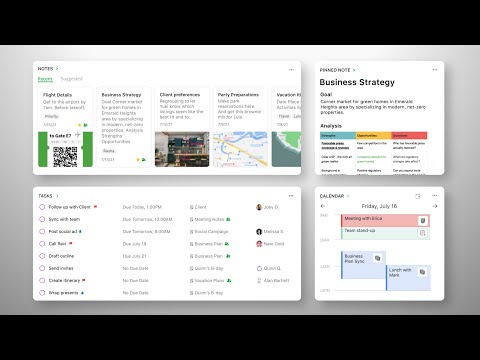
Sunnynguyen posted on 2025/12/09Ever feel like your brilliant ideas vanish into thin air? This video shows you how Evernote helps busy professionals capture every thought, stay organized with smart reminders and calendar sync, and find what you need in a flash! You'll pick up practical phrases for managing tasks and boosting your daily productivity.
Learn this video on the APP!
The VoiceTube App has more in-depth practice for videos!