
absence
US /ˈæbsəns/
UK /ˈæbsəns/
- Uncountable Noun
- State of not being present, or not existing
- A period of time when someone is away.
B1TOEICMoreabsurd
US /əbˈsɚd, -ˈzɚd/
UK /əb'sɜ:d/
- Adjective
- So foolish as to be difficult to believe
B1Moreacrylic
US /əˈkrɪlɪk/
UK /əˈkrɪlɪk/
- Noun
- A chemical used to make clothes and paint
B2Moreaffect
US /əˈfɛkt/
UK /ə'fekt/
- Transitive Verb
- To cause a change in something else
- To pretend to have or feel (something).
- Noun
- (Psychology) Emotion or feeling.
A2TOEICMoreairbrush
US /ˈerbrʌʃ/
UK /ˈeəbrʌʃ/
- Noun
- Atomizer to spray paint by means of compressed air
- Transitive Verb
- To spray paint onto something
C2Morearound the world
US /əˈraʊnd ði wɜrld/
UK /əˈraund ðə wɜː(r)ld/
- Phrase
- In or to many countries.
- In various places throughout the world.
A2Morearticulate
US /ɑ:rˈtɪkjuleɪt/
UK /ɑ:ˈtɪkjuleɪt/
- Transitive Verb
- To express something clearly using language
- Adjective
- Having or showing the ability to speak fluently and coherently.
B2TOEICMoreas one
US
UK
- Adverb
- Acting or moving together at the same time.
- In complete agreement or unity.
- Phrase
- With a single voice or opinion; unanimously.
- In perfect harmony or unison.
A1Morebasically
US /ˈbesɪkəli,-kli/
UK /ˈbeɪsɪkli/
- Adverb
- Used before you explain something simply, clearly
- In essence; when you consider the most important aspects of something.
A2Morebreak apart
US
UK
- Phrasal Verb
- To separate into pieces; disintegrate.
- To end a relationship or association.
A2Morebreak into
US /brek ˈɪntu/
UK /breik ˈɪntuː/
- Phrasal Verb
- To start suddenly (crying, panicking, etc.)
- To get into a new field of work
A1Morebuild up
US /bɪld ʌp/
UK /bild ʌp/
- Phrasal Verb
- To increase the amount; collect something
- To develop or increase something in stages
- Verb (Transitive/Intransitive)
- To increase or develop something gradually.
- To praise or encourage someone.
A1Morecitizen
US /ˈsɪtɪzən/
UK /'sɪtɪzn/
- Noun (Countable/Uncountable)
- Person who belongs to and has rights in a country
- A person who is a member of a community.
B1Moreclay
US /kle/
UK /kleɪ/
- Uncountable Noun
- Heavy sticky earth used to make pottery
- Proper Noun
- Person's name
B1Morecommission
US /kəˈmɪʃən/
UK /kə'mɪʃn/
- Noun (Countable/Uncountable)
- Money paid for a service, e.g. money exchanging
- An official role or title in the military
- Transitive Verb
- To hire someone, order work to be done for payment
- To formally ask someone to create or produce something.
A2TOEICMorecomparison
US /kəmˈpærɪsən/
UK /kəmˈpærɪsn/
- Noun (Countable/Uncountable)
- Act of comparing things
- The quality or state of being similar or alike.
A2Morecomposition
US /ˌkɑ:mpəˈzɪʃn/
UK /ˌkɒmpəˈzɪʃn/
- Noun (Countable/Uncountable)
- Piece of writing, music etc.
- A piece of music
A2Moredeal with
US /dil wɪð/
UK /di:l wið/
- Verb (Transitive/Intransitive)
- To buy or sell goods or services.
- Phrasal Verb
- To take action to solve a problem or manage a situation.
- To be about; concern.
A1Moredeparture
US /dɪˈpɑrtʃɚ/
UK /dɪˈpɑ:tʃə(r)/
- Noun
- Act of leaving a place, to start a journey
- Starting something new or doing it in a new way
B1TOEICMoredevelopment
US /dɪˈvɛləpmənt/
UK /dɪ'veləpmənt/
- Noun (Countable/Uncountable)
- Act or process of growing bigger or more advanced
- A new event related to a previous event
A2TOEICMoredictate
US /ˈdɪkˌtet/
UK /dɪk'teɪt/
- Transitive Verb
- To speak while someone writes down your words
- To make a thing necessary
B1TOEICMoredraw on
US /drɔ ɑn/
UK /drɔ: ɔn/
- Phrasal Verb
- To come to its end
- To make use of (someone's help, your savings, etc.)
A1Moreelement
US /ˈɛləmənt/
UK /'elɪmənt/
- Noun (Countable/Uncountable)
- Essential or particular part of something
- A substance that cannot be broken down into simpler substances by chemical means.
A2TOEICMoreembed
US /ɛmˈbɛd/
UK /ɪm'bed/
- Transitive Verb
- To place or set inside rock, etc.
- To integrate (something) into something else.
B2Moreenvision
US
UK
- Transitive Verb
- To imagine or picture in your mind
C2TOEICMoreerasure
US /ɪˈreʃɚ/
UK /ɪˈreɪʒə(r)/
- Uncountable Noun
- Act of removing or destroying a thing
B2TOEICMoreever since
US /ˈɛvɚ sɪns/
UK /ˈevə sins/
- Adverb
- Continuously from a past time until now.
- Conjunction
- From the time that; because.
B2Moreevolve
US /ɪˈvɑlv/
UK /ɪ'vɒlv/
- Verb (Transitive/Intransitive)
- To develop certain features
- To develop or change slowly over time
B1Morefigure out
US /ˈfɪɡjɚ aʊt/
UK /ˈfiɡə aut/
- Phrasal Verb
- To understand the behavior of someone
- To think through logically to find a solution
- Verb (Transitive/Intransitive)
- To understand or find an answer to something.
- To find a solution to a problem or understand something.
A1Morefor the most part
US
UK
- Phrase
- Generally; mostly; on the whole.
- Mostly; generally; in most cases.
A1Morefragment
US /ˈfræɡmənt/
UK /'fræɡmənt/
- Countable Noun
- Part that is broken off of something
- Intransitive Verb
- To be broken into pieces
- (Of computer file) to be broken into pieces
B1Moregoing on
US /ˈɡoɪŋ ɑn/
UK /ˈgəʊɪŋ ɔn/
- Phrasal Verb
- To continue doing something
- To happen (usually negative)
A1Morehave to
US /hæv tu/
UK /ˈhæv tə/
- Auxiliary Verb
- Must do
A1Morein comparison
US /ɪn kəmˈpærɪsən/
UK /in kəmˈpærisən/
- Adverb
- When compared to something else.
- Phrase
- When compared to something else.
- When considering the differences between two or more things.
A1Morein terms of
US
UK
- Phrase
- With regard to; concerning a particular aspect.
A1Morein the end
US /ɪn ði ɛnd/
UK /in ðə end/
- Phrase
- Finally; after a period of time or series of events.
- Ultimately; as the final result or consequence.
A1Moreintense
US /ɪnˈtɛns/
UK /ɪn'tens/
- Adjective
- Very strong, great or extreme in degree
- Experiencing or showing great force or strength; extreme.
A2TOEICMoreinteract
US /ˌɪntɚˈækt/
UK /ˌɪntər'ækt/
- Intransitive Verb
- To talk or do things with each other
A2Morejust kind of
US
UK
- Phrase
- Used to express a feeling or state in a vague or hesitant way.
- Used to indicate something is approximately or generally similar to something else.
A2Morelayer
US /ˈleɚ/
UK /ˈleiə/
- Noun (Countable/Uncountable)
- One of several sheets of a material or object
- A covering of something spread over a surface.
- Transitive Verb
- To put things one on top of another
B1TOEICMorelook at
US /lʊk æt/
UK /luk æt/
- Phrasal Verb
- To use your eyes to focus on something
- To focus your eyes on something carefully
A1Moremarketplace
US /ˈmɑ:rkɪtpleɪs/
UK /ˈmɑ:kɪtpleɪs/
- Noun (Countable/Uncountable)
- Place where a public market is held
- An online platform where multiple sellers can list products or services for sale.
C1Moremove around
US /muv əˈraʊnd/
UK /mu:v əˈraund/
- Phrasal Verb
- To change position or location; to go from place to place.
- Intransitive Verb
- To spread or circulate (e.g., information, rumors).
off of
US /ɔf ʌv/
UK /ɔf ɔv/
- Preposition
- From a position on something; down from.
A1Moreon site
US /ɑn saɪt/
UK /ɔn sait/
- Adverb
- At the location of a particular activity or project.
- Present at a specific location for a particular purpose.
A1Moreorganic
US /ɔrˈɡænɪk/
UK /ɔ:ˈgænɪk/
- Adjective
- Developing naturally and without a set structure
- Concerning food made with few or no chemicals
B1Moreorganically
US /ɔ:'ɡænɪklɪ/
UK /ɔ:'ɡænɪklɪ/
- Adverb
- In a natural way, without a set structure
- In a way that uses few or no chemicals
B2Moreout of it
US /aʊt ʌv ɪt/
UK /aut ɔv it/
- Adjective
- Unconscious or not completely alert; dazed or confused.
- Not able to think clearly or react quickly; not with it.
A1Morepessimistic
US /ˌpesɪˈmɪstɪk/
UK /ˌpesɪˈmɪstɪk/
- Adjective
- Having negative feelings about the future
- Characterized by a lack of hope or confidence in the future.
B1Morephenomenon
US /fɪˈnɑməˌnɑn, -nən/
UK /fə'nɒmɪnən/
- Noun (Countable/Uncountable)
- Unusual event, fact that can be studied
- Interesting or unusual person, group
B1Moreprivilege
US /ˈprɪvəlɪdʒ, ˈprɪvlɪdʒ/
UK /'prɪvəlɪdʒ/
- Noun (Countable/Uncountable)
- Advantage or right given to only certain people
- An opportunity to do something special or enjoyable.
- Transitive Verb
- To give advantages to some people not others
B1TOEICMoreprocess
US /ˈprɑsˌɛs, ˈproˌsɛs/
UK /prə'ses/
- Transitive Verb
- To organize and use data in a computer
- To deal with official forms in the way required
- Noun (Countable/Uncountable)
- Dealing with official forms in the way required
- Set of changes that occur slowly and naturally
A2TOEICMorerecognizable
US /ˈrekəɡnaɪzəbl/
UK /ˈrekəgnaɪzəbl/
- Adjective
- Being easily identified because of some quality
- Having a distinct or identifiable character or quality.
B1TOEICMorerefrain
US /rɪˈfren/
UK /rɪˈfreɪn/
- Verb (Transitive/Intransitive)
- To decide to not do something you want to do
- To keep from doing, saying, or thinking something
- Noun (Countable/Uncountable)
- Idea or comment that is repeated frequently
- Part of a song or poem that repeats several times
B2Moreroll
US /rol/
UK /rəʊl/
- Countable Noun
- Small, round piece of bread for one person to eat
- Photographic film wrapped round and round itself
- Verb (Transitive/Intransitive)
- To continue along as time normally progresses
- To produce a very deep and continuous sound
A2TOEICMorescale
US /skel/
UK /skeɪl/
- Noun (Countable/Uncountable)
- Size, level, or amount when compared
- Small hard plates that cover the body of fish
- Verb (Transitive/Intransitive)
- To change the size of but keep the proportions
- To climb something large (e.g. a mountain)
A2TOEICMoreshift
US /ʃɪft/
UK /ʃɪft/
- Verb (Transitive/Intransitive)
- To change in position or direction
- To move something from one place to another
- Noun (Countable/Uncountable)
- A change in a persons plans, opinions or beliefs
- Period of work starting at a certain time
A2Morespell out
US /spɛl aʊt/
UK /spel aut/
- Phrasal Verb
- To explain something in a very clear and detailed way.
- To say or write the letters of a word in the correct order.
- Transitive Verb
- To say or write the letters of a word one by one.
A2Moresurface
US /ˈsɚfəs/
UK /'sɜ:fɪs/
- Transitive Verb
- To give (road) a top layer
- Intransitive Verb
- To appear after being hidden, unseen, or unknown
- To come to the top of something; emerge
A2TOEICMoreto order
US
UK
- Transitive Verb
- To give an instruction or command.
- To request something to be made, supplied, or served.
A1Moretrace
US /tres/
UK /treɪs/
- Transitive Verb
- To make an outline to determine a shape
- To find someone or something that has disappeared
- Uncountable Noun
- Very small quantity of something
- A mark or other sign of the former presence or passage of something.
B1Moretrust
US /trʌst/
UK /trʌst/
- Verb (Transitive/Intransitive)
- To expect confidently
- To have confidence or faith
- Uncountable Noun
- Wealth or property held by one person for another
- The belief that someone is honest
A2TOEICMorewatch out
US /wɑtʃ aʊt/
UK /wɔtʃ aut/
- Phrasal Verb
- To be careful; to be alert to danger
A1Morewith it
US /wɪð ɪt/
UK /wið it/
- Adjective
- Intelligent, alert, and up-to-date.
- Understanding and knowledgeable about current trends or information.
A1More
Vocabulary
- have to: Must do
- in terms of
- look at: To use your eyes to focus on something
- going on: To continue doing something
- spell out: To explain something in a very clear and detailed way.
- in comparison: When compared to something else.
- as one: Acting or moving together at the same time.
- on site: At the location of a particular activity or project.
- off of: From a position on something; down from.
- watch out: To be careful; to be alert to danger
- just kind of: Used to express a feeling or state in a vague or hesitant way.
- with it: Intelligent, alert, and up-to-date.
- for the most part: Generally; mostly; on the whole.
- move around: To change position or location; to go from place to place.
- around the world: In or to many countries.
- break apart: To separate into pieces; disintegrate.
- break into: To start suddenly (crying, panicking, etc.)
- build up: To increase the amount; collect something
- draw on: To come to its end
- deal with
- figure out: To understand the behavior of someone
- ever since: Continuously from a past time until now.
- out of it: Unconscious or not completely alert; dazed or confused.
- in the end: Finally; after a period of time or series of events.
- to order: To give an instruction or command.
- sort: To organize things by putting them into groups
- intense: Very strong, great or extreme in degree
- articulate: To express something clearly using language
- process: To organize and use data in a computer
- phenomenon: Unusual event, fact that can be studied
- privilege: Advantage or right given to only certain people
- basically: Used before you explain something simply, clearly
- scale: Size, level, or amount when compared
- evolve: To develop certain features
- develop: To explain something in steps and in detail
- interact: To talk or do things with each other
- environment: Natural world in which plants and animals live
- shift: To change in position or direction
- affect: To cause a change in something else
- dictate: To speak while someone writes down your words
- draw: To attract attention to someone or something
- deal: To cope with something - usually troubles
- absurd: So foolish as to be difficult to believe
- surface: To give (road) a top layer
- comparison: Act of comparing things
- reason: To think and make conclusions in a logical manner
- envision: To imagine or picture in your mind
- break: To create a new record e.g. running the 100m dash
- organic: Developing naturally and without a set structure
- project: To predict what will happen in the future
- shape: The outer form of something, what it looks like
- element: Essential or particular part of something
- commission: Money paid for a service, e.g. money exchanging
- layer: One of several sheets of a material or object
- absence: State of not being present, or not existing
- development: Act or process of growing bigger or more advanced
- trace: To make an outline to determine a shape
- refrain: To decide to not do something you want to do
- pessimistic: Having negative feelings about the future
- century: Period of 100 years
- place: To put someone in a particular type of situation
- kind: In a caring and helpful manner
- departure: Act of leaving a place, to start a journey
- information: Collection of facts and details about something
- roll: Small, round piece of bread for one person to eat
- language: Words or signs used to communicate messages
- fragment: Part that is broken off of something
- point: An item to be discussed
- citizen: Person who belongs to and has rights in a country
- clay: Heavy sticky earth used to make pottery
- composition: Piece of writing, music etc.
- trust: To expect confidently
- recognizable: Being easily identified because of some quality
- embed: To place or set inside rock, etc.
- organically: In a natural way, without a set structure
- marketplace: Place where a public market is held
- acrylic: A chemical used to make clothes and paint
- erasure: Act of removing or destroying a thing
- airbrush: Atomizer to spray paint by means of compressed air
Get the full experience in the app
Learn anywhere with detailed sentence and usage analysis
01:03
She took a brave step forward, leaving behind her comfort zone to chase her dreams.
Vocabulary
- brave
adj. Having courage
- comfort zone
phr. A familiar situation where one feels safe
Explanation
a brave step is a noun phrase, where brave is an adjective modifying the noun step, meaning "a courageous step".
forward is an adverb modifying step, meaning "ahead".
The whole phrase serves as the object, answering the "what" of took (verb) — she took a brave step forward.
Get the full experience in the app
Look up words anytime with pronunciation, part of speech, and usage
brave
US/brev/
UK/breɪv/
adj.Brave
v.t.To bravely face
A2 Elementary
Get the full experience in the app
Practice speaking anytime and get instant pronunciation feedback
Try this speaking exercise.
Try practicing with this sentence.
80
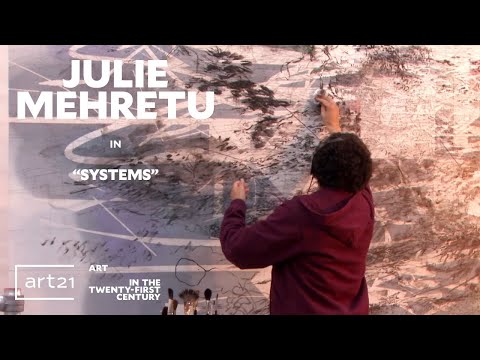
Julie Mehretu in "Systems" - Season 5 - "Art in the Twenty-First Century" | Art21
0
yeeen posted on 2025/12/08Ever wondered how artists create massive, mind-bending paintings? Dive into Julie Mehretu's "Systems" project and see her incredible mapping imagery and erasure techniques in action! You'll pick up advanced vocabulary and gain cultural depth by exploring her unique artistic process.
Learn this video on the APP!
The VoiceTube App has more in-depth practice for videos!