
actions speak louder than words
US /ˈækʃənz spik ˈlaʊdɚ ðən wɝdz/
UK /ˈækʃənz spi:k ˈlaudə ðən wɜ:dz/
- Proverb
- What people do is more important than what they say.
B2Morealliance
US /əˈlaɪəns/
UK /əˈlaɪəns/
- Noun
- Group of people/organizations working together
B1TOEICMorearticle
US /ˈɑrtɪkəl/
UK /'ɑ:tɪkl/
- Noun (Countable/Uncountable)
- Word such as 'a', 'an', or 'the' used before nouns
- Piece of writing about a particular subject
A2TOEICMoreas useful
US
UK
- Phrase
- Equally useful; to the same degree of usefulness.
at risk
US
UK
- Phrase
- In danger; likely to be harmed
at that time
US /æt ðæt taɪm/
UK /æt ðæt taim/
- Phrase
- During a specific point in the past.
A1Moreat the moment
US
UK
- Adverb
- At this time; now
A1Moreat war
US /æt wɔr/
UK /æt wɔ:/
- Phrase
- Engaged in a war; fighting
A2Morebased on
US
UK
- Phrasal Verb
- To use something as the foundation or starting point for something else.
- Preposition
- Using something as the main idea or foundation.
- Relying on something as evidence or justification.
A1Morebasically
US /ˈbesɪkəli,-kli/
UK /ˈbeɪsɪkli/
- Adverb
- Used before you explain something simply, clearly
- In essence; when you consider the most important aspects of something.
A2Morechallenge
US /ˈtʃæləndʒ/
UK /'tʃælɪndʒ/
- Noun (Countable/Uncountable)
- An activity you wish to try that may be hard to do
- Act of formally inviting someone to compete
- Transitive Verb
- To formally invite someone to compete at something
- To question the correctness of something
A2Moreconflict
US /ˈkɑnˌflɪkt/
UK /'kɒnflɪkt/
- Noun (Countable/Uncountable)
- Argument or struggle between two or more parties
- A serious disagreement or argument.
- Verb (Transitive/Intransitive)
- To have opposite ideas; to disagree; To not match
A2Moreconstructive
US /kənˈstrʌktɪv/
UK /kənˈstrʌktɪv/
- Adjective
- Having positive effective results
B1Morecourt
US /kɔrt, kort/
UK /kɔ:t/
- Transitive Verb
- To act in a way to shows you wish to marry someone
- To encourage dangerous behavior
- Noun
- Place king or queen meet people, makes laws etc.
- Place where legal cases are decided
A2TOEICMoredecent
US /ˈdisənt/
UK /ˈdi:snt/
- Adjective
- Being fairly good; acceptable
- Conforming to conventionally accepted standards of behaviour; respectable or moral.
B1Moredeception
US /dɪˈsɛpʃən/
UK /dɪ'sepʃn/
- Uncountable Noun
- Use of trickery to make someone believe an untruth
- The quality of being deceptive; misleading.
B1Moredefence
US /dɪˈfɛns/
UK /dɪˈfens/
- Uncountable Noun
- The process of protecting something from attack
B1Moredelegation
US /ˌdɛlɪˈɡeʃən/
UK /ˌdelɪˈgeɪʃn/
- Noun (Countable/Uncountable)
- A group of people sent as representatives
- Act of giving responsibilities to others
B2Moredemocracy
US /dɪˈmɑkrəsi/
UK /dɪ'mɒkrəsɪ/
- Noun (Countable/Uncountable)
- System of government in which everyone is equal
- Principles of social equality and respect for the individual within a society.
B1Moredependency
US /dɪˈpendənsi/
UK /dɪˈpendənsi/
- Uncountable Noun
- Relying on person/thing financially or emotionally
B1Moredetermine
US /dɪˈtɚmɪn/
UK /dɪ'tɜ:mɪn/
- Transitive Verb
- To control exactly how something will be or act
- To establish the facts about; discover
A2TOEICMorediplomacy
US /dɪˈploməsi/
UK /dɪˈpləʊməsi/
- Uncountable Noun
- Tactful handling of sensitive relationships
- The art and practice of conducting negotiations between nations; skill in handling affairs without arousing hostility.
B2Moredrone
US /dron/
UK /drəʊn/
- Countable Noun
- A remote controlled flying device
- Male bee
- Intransitive Verb
- To talk in a continually dull or monotonous voice
- To make a continuous low humming sound.
B2TOEICMoreeffort
US /ˈɛfət/
UK /ˈefət/
- Uncountable Noun
- Amount of work used trying to do something
- A conscious exertion of power; a try.
A2TOEICMoreenlargement
US /ɪnˈlɑ:rdʒmənt/
UK /ɪnˈlɑ:dʒmənt/
- Noun
- Act or process of making something larger
B1TOEICMoreenvoy
US /ˈɛnˌvɔɪ, ˈɑn-/
UK /ˈenvɔɪ/
- Countable Noun
- Person sent to represent his, her country
B2Moreequation
US /ɪˈkweʒən, -ʃən/
UK /ɪˈkweɪʒn/
- Noun (Countable/Uncountable)
- Mathematical statement showing things to be equal
- Complex set of different facts, ideas or issues
B1Morefellow
US /ˈfɛlo/
UK /'feləʊ/
- Noun (Countable/Uncountable)
- Man or a boy
- Student paid to study and teach after college
- Adjective
- Being of the same kind
- Sharing a particular activity, situation, or characteristic.
A2TOEICMoreflexibility
US
UK
- Uncountable Noun
- The quality of being able to be bent or stretched
B1TOEICMorefoundation
US /faʊnˈdeʃən/
UK /faunˈdeiʃən/
- Noun (Countable/Uncountable)
- Base or important starting point
- Underground base on which building is constructed
C1TOEICMoregather
US /ˈɡæðɚ/
UK /ˈgæðə(r)/
- Transitive Verb
- To bring objects together into one place
- To collect foods such as wild berries or crops
- Noun
- Fold in cloth, as in a full skirt
A2TOEICMoregive up
US /ɡɪv ʌp/
UK /ɡiv ʌp/
- Phrasal Verb
- To lose hope or admit defeat
- To decide to not start to try solving a problem
- Verb Phrase
- to surrender an item; hand over an item
A1Morego back to
US /ɡo bæk tu/
UK /ɡəu bæk tu:/
- Phrasal Verb
- To return to a starting point
A1Moregoal
US /ɡol/
UK /ɡəʊl/
- Noun (Countable/Uncountable)
- Something you try to do or achieve; an aim
- (Sports) net into which you put a ball to score
A2TOEICMoregravity
US /ˈɡrævɪti/
UK /ˈgrævəti/
- Uncountable Noun
- (Of a situation) extreme seriousness
- Force making things fall towards the ground
B1TOEICMorehave to
US /hæv tu/
UK /ˈhæv tə/
- Auxiliary Verb
- Must do
A1Moreimprovisation
US /ɪmˌprɑvɪˈzeʃən, ˌɪmprəvɪ-/
UK /ˌɪmprəvaɪ'zeɪʃn/
- Uncountable Noun
- Doing something without preparation
B2Morein one voice
US /ɪn wʌn vɔɪs/
UK /ɪn wʌn vɔɪs/
- other
- Speaking or agreeing with complete unity.
B2Morein terms of
US
UK
- Phrase
- With regard to; concerning a particular aspect.
A1Moreinstitute
US / ˈɪnstɪˌtut, -ˌtjut/
UK /'ɪnstɪtju:t/
- Noun (Countable/Uncountable)
- Organization studying science, engineering etc.
- A short intensive course of instruction, often focusing on a specific topic.
- Transitive Verb
- To start or commence doing, e.g. a business plan
- To establish or start (a system, rule, or course of action).
A2TOEICMorejar
US /dʒɑr/
UK /dʒɑ:(r)/
- Verb (Transitive/Intransitive)
- To have a harsh or unsettling effect on someone
- To make a harsh sound to the ears
- Countable Noun
- Glass container for foods
B2Morejolly
US /'dʒɑ:lɪ/
UK /'dʒɒlɪ/
- Adjective
- Being full of cheer, friendliness and happiness
B2Morelooking out
US
UK
- Phrasal Verb
- To take care and watch something carefully
- To be careful; to be vigilant
- Intransitive Verb
- To be careful or vigilant
A1Moreof course
US /ʌv kɔː(r)s/
UK /ɔv kɔː(r)s/
- Adverb
- Sure ; Certainly
- Phrase
- For sure; certainly
A2Moreout of it
US /aʊt ʌv ɪt/
UK /aut ɔv it/
- Adjective
- Unconscious or not completely alert; dazed or confused.
- Not able to think clearly or react quickly; not with it.
A1Moreportray
US /pɔ:rˈtreɪ/
UK /pɔ:ˈtreɪ/
- Transitive Verb
- To play a character in theater or on film
- To represent something for artistic purposes
B2Moreprecisely
US /prɪˈsaɪsli/
UK /prɪˈsaɪsli/
- Adverb
- In an exact and accurate manner
- (Emphasizes that a statement is totally correct)
B1TOEICMorepresident
US /ˈprɛzɪdənt,-ˌdɛnt/
UK /ˈprezɪdənt/
- Noun
- Person in charge of a country, or organization
- The highest-ranking executive in a corporation or organization.
A2TOEICMoreprogress
US /ˈprɑɡˌrɛs, -rəs, ˈproˌɡrɛs/
UK /'prəʊɡres/
- Verb (Transitive/Intransitive)
- To move forward or toward a place or goal
- To make progress; develop or improve.
- Uncountable Noun
- Act of moving forward
- The process of improving or developing something over a period of time.
A2TOEICMorerather than
US
UK
- Adverb
- More exactly; more correctly
- Preferably; instead
- Preposition
- Instead of
A1Moreresearch
US /rɪˈsɚtʃ, ˈriˌsɚtʃ/
UK /rɪ'sɜ:tʃ/
- Verb (Transitive/Intransitive)
- To study in order to discover new ideas and facts
- To study the market relating to marketing products and services.
- Noun (Countable/Uncountable)
- Study done to discover new ideas and facts
- A particular area or topic of study.
A2TOEICMoresabotage
US /ˈsæbəˌtɑʒ/
UK /'sæbətɑ:ʒ/
- Transitive Verb
- To destroy or damage, often secretly, to weaken
- Noun (Countable/Uncountable)
- Destroying or damaging so as to weaken enemy, etc.
B2Moresow
US /so/
UK /saʊ/
- Transitive Verb
- To plant seeds in an area of ground
- Countable Noun
- An adult female pig.
B2Moresubstantial
US /səbˈstænʃəl/
UK /səbˈstænʃl/
- Adjective
- (Of a meal) able to satisfy your hunger; filling
- Being large in degree, quantity, or size
C2TOEICMoresustain
US /səˈsten/
UK /sə'steɪn/
- Transitive Verb
- To lengthen or continue to do something
- To support or maintain someone or something
B2TOEICMoretake away from
US /tek əˈwe frʌm/
UK /teik əˈwei frɔm/
- Phrasal Verb
- To reduce the positive effect or value of something.
- To remove or detract from a particular quality or fact.
A1Moretalking about
US
UK
- Phrasal Verb
- To discuss a particular topic.
- To be constantly mentioning or bringing up a subject.
A1Moreterritorial
US /ˌtɛrɪˈtɔriəl, -ˈtor-/
UK /ˌterəˈtɔ:riəl/
- Adjective
- Associated with the ownership of an area
- Defensive of a space or area.
B1Morethink about
US /θɪŋk əˈbaʊt/
UK /θiŋk əˈbaut/
- Phrasal Verb
- To consider something carefully.
- To remember or call to mind.
A1Moretogether with
US /təˈɡɛðɚ wɪð/
UK /təˈɡeðə wið/
- Preposition
- In addition to; along with.
- Including; as well as.
A1Moreultimate
US /ˈʌltəmɪt/
UK /ˈʌltɪmət/
- Adjective
- Basic; original; most significant
- Being the greatest example of something
- Noun
- A non-contact team sport played with a flying disc.
- The best achievable or imaginable of its kind.
A2Moreunrealistic
US /ˌʌnri:əˈlɪstɪk/
UK /ˌʌnrɪəˈlɪstɪk/
- Adjective
- Not seeing or interpreting things as they are
B1Moreunreliable
US /ˌʌnrɪˈlaɪəbəl/
UK /ˌʌnrɪˈlaɪəbl/
- Adjective
- Not able to be trusted or believed
B1Morezoom out
US /zum aʊt/
UK /zu:m aut/
- Phrasal Verb
- To decrease the magnification of an image, showing more of the scene.
- To take a broader perspective; to consider the overall context.
Vocabulary
- have to: Must do
- of course: Sure ; Certainly
- actions speak louder than words: What people do is more important than what they say.
- as useful: Equally useful; to the same degree of usefulness.
- rather than: More exactly; more correctly
- at the moment: At this time; now
- take away from: To reduce the positive effect or value of something.
- talking about: To discuss a particular topic.
- at that time: During a specific point in the past.
- together with: In addition to; along with.
- out of it: Unconscious or not completely alert; dazed or confused.
- looking out: To take care and watch something carefully
- zoom out: To decrease the magnification of an image, showing more of the scene.
- in one voice: Speaking or agreeing with complete unity.
- at war: Engaged in a war; fighting
- go back to: To return to a starting point
- think about: To consider something carefully.
- at risk: In danger; likely to be harmed
- based on: To use something as the foundation or starting point for something else.
- give up: To lose hope or admit defeat
- in terms of
- sort: To organize things by putting them into groups
- ultimate: Basic; original; most significant
- decent: Being fairly good; acceptable
- effort: Amount of work used trying to do something
- progress: To move forward or toward a place or goal
- basically: Used before you explain something simply, clearly
- determine: To control exactly how something will be or act
- conflict: Argument or struggle between two or more parties
- research: To study in order to discover new ideas and facts
- precisely: In an exact and accurate manner
- gravity: (Of a situation) extreme seriousness
- deal: To cope with something - usually troubles
- foundation: Base or important starting point
- sustain: To lengthen or continue to do something
- court: To act in a way to shows you wish to marry someone
- sabotage: To destroy or damage, often secretly, to weaken
- state: Region within a country, with its own government
- democracy: System of government in which everyone is equal
- challenge: An activity you wish to try that may be hard to do
- substantial: (Of a meal) able to satisfy your hunger; filling
- fellow: Man or a boy
- institute: Organization studying science, engineering etc.
- deception: Use of trickery to make someone believe an untruth
- equation: Mathematical statement showing things to be equal
- article: Word such as 'a', 'an', or 'the' used before nouns
- drone: A remote controlled flying device
- portray: To play a character in theater or on film
- unrealistic: Not seeing or interpreting things as they are
- goal: Something you try to do or achieve; an aim
- promise: To say you will certainly do something
- president: Person in charge of a country, or organization
- gather: To bring objects together into one place
- constructive: Having positive effective results
- language: Words or signs used to communicate messages
- program: To make someone act or think in a certain way
- point: An item to be discussed
- alliance: Group of people/organizations working together
- delegation: A group of people sent as representatives
- flexibility: The quality of being able to be bent or stretched
- diplomacy: Tactful handling of sensitive relationships
- jolly: Being full of cheer, friendliness and happiness
- understand: To know the meaning of language, what someone says
- jar: To have a harsh or unsettling effect on someone
- clear: Empty; without anything in it or on it
- time: Speed at which music is played; tempo
- meet: To provide something that is necessary
- happen: To take place or occur
- give: Degree of flexibility in something, a material
- sow: To plant seeds in an area of ground
- territorial: Associated with the ownership of an area
- visit: To go to a place for a time, usually for a reason
- western: Movies often about cowboys in the American West
- dependency: Relying on person/thing financially or emotionally
- unreliable: Not able to be trusted or believed
- improvisation: Doing something without preparation
- envoy: Person sent to represent his, her country
- defence: The process of protecting something from attack
- enlargement: Act or process of making something larger
Get the full experience in the app
Learn anywhere with detailed sentence and usage analysis
01:03
She took a brave step forward, leaving behind her comfort zone to chase her dreams.
Vocabulary
- brave
adj. Having courage
- comfort zone
phr. A familiar situation where one feels safe
Explanation
a brave step is a noun phrase, where brave is an adjective modifying the noun step, meaning "a courageous step".
forward is an adverb modifying step, meaning "ahead".
The whole phrase serves as the object, answering the "what" of took (verb) — she took a brave step forward.
Get the full experience in the app
Look up words anytime with pronunciation, part of speech, and usage
brave
US/brev/
UK/breɪv/
adj.Brave
v.t.To bravely face
A2 Elementary
Get the full experience in the app
Practice speaking anytime and get instant pronunciation feedback
Try this speaking exercise.
Try practicing with this sentence.
80
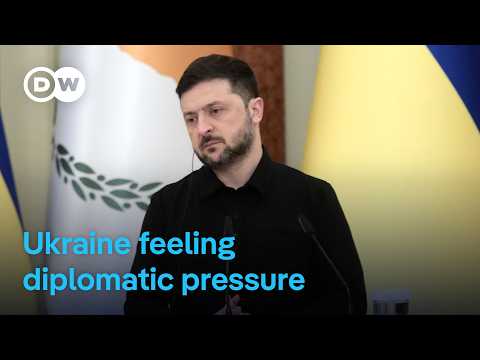
Can Ukraine avoid making concessions to end the war? | DW News
0
林宜悉 posted on 2025/12/05Ever wonder if Ukraine can avoid making concessions to end the war? This DW News analysis dives deep into the complex world of backchannel diplomacy and expert opinions on the ongoing conflict. You'll pick up advanced vocabulary related to international relations and gain a richer understanding of the geopolitical landscape!
Learn this video on the APP!
The VoiceTube App has more in-depth practice for videos!