
achieve
US /əˈtʃiv/
UK /ə'tʃi:v/
- Transitive Verb
- To succeed in doing good, usually by working hard
- To succeed in reaching a particular goal, status, or standard, often after effort or perseverance.
A2TOEICMoreadministration
US / ædˌmɪnɪˈstreʃən/
UK /ədˌmɪnɪˈstreɪʃn/
- Uncountable Noun
- Act of giving e.g. medicine to a patient
- The work of running something, e.g. a business
B1TOEICMorealign
US /əˈlaɪn/
UK /əˈlaɪn/
- Transitive Verb
- To arrange (e.g. objects) in line with one another
- Intransitive Verb
- To be in a line or in the correct position in relation to something else.
B2Moreat the same time
US
UK
- Phrase
- Simultaneously; at the identical moment.
- Nevertheless; however; used to introduce a contrasting or qualifying statement.
A1Morebasically
US /ˈbesɪkəli,-kli/
UK /ˈbeɪsɪkli/
- Adverb
- Used before you explain something simply, clearly
- In essence; when you consider the most important aspects of something.
A2Morebattlefield
US /ˈbætlˌfild/
UK /ˈbætlfi:ld/
- Noun
- Region where a battle was, or is being fought
C1Moreblame
US /blem/
UK /bleɪm/
- Transitive Verb
- To say someone is responsible for something bad
- Noun (Countable/Uncountable)
- Act of saying someone did something bad
A2TOEICMoreceasefire
US
UK
- Noun
- Agreement by two sides in a war to stop fighting
C2Morechinchilla
US
UK
- Noun (Countable/Uncountable)
- South American grey rat-like animal
- Expensive silvery grey fur of the chinchilla
- Adjective
- Of a pale gray color, like that of chinchilla fur.
C2Morecome back
US /kʌm bæk/
UK /kʌm bæk/
- Phrasal Verb
- To reply to someone, often forcefully
- To be remembered
A1Morecompromise
US /ˈkɑmprəˌmaɪz/
UK /'kɒmprəmaɪz/
- Verb (Transitive/Intransitive)
- To weaken your position or views
- To lessen your demands so as to reach agreement
- Noun (Countable/Uncountable)
- When you lessen your demands to get agreement
B1Moreconquer
US /ˈkɑŋkɚ/
UK /'kɒŋkə(r)/
- Transitive Verb
- To take possession of (land, city) with an army
- To beat something difficult, e.g. a fear; overcome
B2Moreconvince
US /kənˈvɪns/
UK /kən'vɪns/
- Transitive Verb
- To persuade someone, or make them feel sure
A2TOEICMorecooperation
US /koˌɑpəˈreʃən/
UK /kəʊˌɒpəˈreɪʃn/
- Uncountable Noun
- Working together to get something done
- Willingness to help or do what someone asks.
B1Morecostly
US /ˈkɔstli/
UK /'kɒstlɪ/
- Adjective
- Being very expensive, often wasteful
B1Morecritical
US /ˈkrɪtɪkəl/
UK /ˈkrɪtɪkl/
- Adjective
- Making a negative judgment of something
- Being important or serious; vital; dangerous
A2Moreenvoy
US /ˈɛnˌvɔɪ, ˈɑn-/
UK /ˈenvɔɪ/
- Countable Noun
- Person sent to represent his, her country
B2Moreessentially
US /ɪˈsenʃəli/
UK /ɪˈsenʃəli/
- Adverb
- Basically; (said when stating the basic facts)
- Used to emphasize the basic truth or fact of a situation.
A2Moreever since
US /ˈɛvɚ sɪns/
UK /ˈevə sins/
- Adverb
- Continuously from a past time until now.
- Conjunction
- From the time that; because.
B2Morefor the taking
US /fɚ ðə ˈteɪkɪŋ/
UK /fə ðə ˈteɪkɪŋ/
- other
- Available to be taken or obtained easily.
B2Moreget out of
US /ɡɛt aʊt ʌv/
UK /ɡet aut ɔv/
- Phrasal Verb
- To leave or escape responsibilities, troubles
- To leave a small, enclosed vehicle
A1Morego nowhere
US
UK
- Intransitive Verb
- To be unsuccessful; to not achieve any progress or positive result.
- To lead to no particular place or destination.
A1Morehand on
US /hænd ɑn/
UK /hænd ɔn/
- Phrasal Verb
- To pass or transfer something physically to someone else.
- To pass or transfer knowledge, skills, or traditions to someone else.
A1Morehand over
US /hænd ˈovɚ/
UK /hænd ˈəuvə/
- Phrasal Verb
- To give into the possession or control of another
A1Morehave to
US /hæv tu/
UK /ˈhæv tə/
- Auxiliary Verb
- Must do
A1Morehuge
US /hjudʒ/
UK /hju:dʒ/
- Adjective
- Very very large
A2Morein fact
US /ɪn fækt/
UK /in fækt/
- Adverb
- Used to emphasize the truth of a statement, especially one that contrasts with or contradicts something else.
- Used to introduce a more detailed or surprising piece of information.
- Phrase
- Used to emphasize the truth of a statement, especially one that is surprising or contrary to what might be expected.
C1Morein particular
US /ɪn pɚˈtɪkjəlɚ/
UK /in pəˈtikjulə/
- Phrase
- Specifically; especially.
- Detailed or precise.
A1Morein peace
US /ɪn pis/
UK /in pi:s/
- Phrase
- In a state of tranquility, without disturbance or conflict.
- In a state of non-war, without armed conflict.
B1Morein the west
US
UK
- Phrase
- Located in or towards the west.
- Located in the western part of a country or region.
A1Morejar
US /dʒɑr/
UK /dʒɑ:(r)/
- Verb (Transitive/Intransitive)
- To have a harsh or unsettling effect on someone
- To make a harsh sound to the ears
- Countable Noun
- Glass container for foods
B2Moreknow about
US /noʊ əˈbaʊt/
UK /nəʊ əˈbaut/
- Phrasal Verb
- To have information or understanding of a subject or situation.
lack
US /læk/
UK /læk/
- Verb (Transitive/Intransitive)
- To not have, or not have enough, of something
- Uncountable Noun
- The state of not having or not having enough of
A2TOEICMorelook at
US /lʊk æt/
UK /luk æt/
- Phrasal Verb
- To use your eyes to focus on something
- To focus your eyes on something carefully
A1Morenegotiate with
US
UK
- Verb (Transitive/Intransitive)
- To discuss something formally in order to make an agreement.
C1Moreof course
US /ʌv kɔː(r)s/
UK /ɔv kɔː(r)s/
- Adverb
- Sure ; Certainly
- Phrase
- For sure; certainly
A2Moreof itself
US /ʌv ɪtˈself/
UK /əv ɪtˈself/
- other
- Happening automatically without external cause or help.
B1Moreon the table
US /ɑn ði ˈtebəl/
UK /ɔn ðə ˈteibl/
- Phrase
- Located on the surface of a table.
- Available for consideration or discussion.
A1Morepeace talks
US
UK
- Noun (plural)
- Discussions between representatives of opposing sides in a conflict aimed at reaching a peaceful resolution.
A1Moreperformance
US / pɚˈfɔrməns/
UK /pə'fɔ:məns/
- Noun
- Act of doing something
- Activity done to entertain an audience
A2TOEICMorepositive
US /ˈpɑzɪtɪv/
UK /ˈpɒzətɪv/
- Adjective
- Showing agreement or support for something
- Being sure about something; knowing the truth
- Noun
- A photograph in which light areas are light and dark areas are dark
A2Morepotentially
US /pəˈtɛnʃəlɪ/
UK /pə'tenʃəlɪ/
- Adverb
- That could happen or become reality
B1Morepressure
US /ˈprɛʃɚ/
UK /'preʃə(r)/
- Noun (Countable/Uncountable)
- Anxiety caused by difficult problems
- Force, weight when pressing against a thing
- Transitive Verb
- To apply force to something
- To persuade or force someone to do something
A2TOEICMoreprogress
US /ˈprɑɡˌrɛs, -rəs, ˈproˌɡrɛs/
UK /'prəʊɡres/
- Verb (Transitive/Intransitive)
- To move forward or toward a place or goal
- To make progress; develop or improve.
- Uncountable Noun
- Act of moving forward
- The process of improving or developing something over a period of time.
A2TOEICMorepropaganda
US /ˌprɑ:pə'ɡændə/
UK /ˌprɒpə'ɡændə/
- Uncountable Noun
- (Use of) message that you want people to accept
- The systematic dissemination of information, especially in a biased or misleading way, in order to promote a political cause or point of view.
B1Morepursue
US /pɚˈsu/
UK /pə'sju:/
- Transitive Verb
- To follow and try to catch, or to reach a goal
- To try to achieve or get something over time
B1TOEICMoreput forth
US /pʊt fɔrθ/
UK /put fɔ:θ/
- Phrasal Verb
- To bring into existence
- To offer ideas for consideration
B1Moreput the screws on
US /pʊt ðə skruz ɔn/
UK /pʊt ðə skru:z ɒn/
- other
- To apply pressure or force to achieve something.
C2Moreresponse
US /rɪˈspɑns/
UK /riˈspɔns/
- Noun
- Something said/written as an answer to something
- Reaction to something that has occurred
A2TOEICMoresame time
US
UK
- Phrase
- Occurring simultaneously or at the same point in time.
- At the identical time as before; recurring at a fixed hour.
- Noun
- An equal duration or period.
A1Moresecurity
US /sɪˈkjʊrɪti/sə'kjurətɪ/
UK /sɪ'kjʊərətɪ/
- Noun
- Department in a company in charge of protection
- Financial document, like stocks, bonds and notes
A2TOEICMorestand with
US /stænd wɪð/
UK /stænd wið/
- Phrasal Verb
- To support or defend someone or something.
A1Moresustainable
US /səˈsteɪnəbl/
UK /səˈsteɪnəbl/
- Adjective
- Capable of continuing for a long time
- Able to be maintained without running out of
B2Moreto hand
US
UK
- Transitive Verb
- To give or pass something to someone using your hand.
- To offer assistance or help.
A1Moreunderway
US /ˌʌndɚˈwe/
UK /ˌʌndəˈweɪ/
- Adverb
- Happening now
B2TOEICMoreused to
US /juzd tu/
UK /ˈju:st tə/
- Adjective
- Did regularly before, but don't do now
- Auxiliary Verb
- Have done before, but do not do now
A1Morewalk away
US /wɔk əˈwe/
UK /wɔ:k əˈwei/
- Phrasal Verb
- To leave a situation, especially a difficult or unpleasant one.
- To choose not to be involved in something.
A1Morewithout which
US
UK
- Conjunction
- Used to indicate something that is essential or necessary for something else to exist or happen.
- Phrase
- Lacking the necessary element or condition.
A2Moreworth
US /wɚθ/
UK /wɜ:θ/
- Noun (Countable/Uncountable)
- the financial, practical or moral value of somebody/something
- having a particular value, especially in money
- Adjective
- Having a specified value.
A2More
Vocabulary
- look at: To use your eyes to focus on something
- peace talks: Discussions between representatives of opposing sides in a conflict aimed at reaching a peaceful resolution.
- have to: Must do
- in particular: Specifically; especially.
- in peace: In a state of tranquility, without disturbance or conflict.
- without which: Used to indicate something that is essential or necessary for something else to exist or happen.
- of course: Sure ; Certainly
- stand with: To support or defend someone or something.
- walk away: To leave a situation, especially a difficult or unpleasant one.
- put the screws on: To apply pressure or force to achieve something.
- negotiate with: To discuss something formally in order to make an agreement.
- go nowhere: To be unsuccessful; to not achieve any progress or positive result.
- in fact: Used to emphasize the truth of a statement, especially one that contrasts with or contradicts something else.
- used to: Did regularly before, but don't do now
- in the west: Located in or towards the west.
- for the taking: Available to be taken or obtained easily.
- on the table: Located on the surface of a table.
- come back: To reply to someone, often forcefully
- hand on: To pass or transfer something physically to someone else.
- hand over: To give into the possession or control of another
- ever since: Continuously from a past time until now.
- to hand: To give or pass something to someone using your hand.
- of itself: Happening automatically without external cause or help.
- put forth: To bring into existence
- know about: To have information or understanding of a subject or situation.
- get out of: To leave or escape responsibilities, troubles
- at the same time: Simultaneously; at the identical moment.
- same time: Occurring simultaneously or at the same point in time.
- essentially: Basically; (said when stating the basic facts)
- present: Being in attendance; being there; having turned up
- critical: Making a negative judgment of something
- compromise: To weaken your position or views
- progress: To move forward or toward a place or goal
- basically: Used before you explain something simply, clearly
- positive: Showing agreement or support for something
- potentially: That could happen or become reality
- pursue: To follow and try to catch, or to reach a goal
- sustainable: Capable of continuing for a long time
- convince: To persuade someone, or make them feel sure
- achieve: To succeed in doing good, usually by working hard
- conquer: To take possession of (land, city) with an army
- failure: When things go wrong; lack of function
- pressure: Anxiety caused by difficult problems
- blame: To say someone is responsible for something bad
- align: To arrange (e.g. objects) in line with one another
- lack: To not have, or not have enough, of something
- worth: the financial, practical or moral value of somebody/something
- mean: Average of a set of numbers
- deal: To cope with something - usually troubles
- wonder: Surprise caused by experiencing something amazing
- response: Something said/written as an answer to something
- huge: Very very large
- security: Department in a company in charge of protection
- complete: To finish or reach the end of doing something
- administration: Act of giving e.g. medicine to a patient
- performance: Act of doing something
- propaganda: (Use of) message that you want people to accept
- rest: Time when one relaxes, sleeps, or is inactive
- interest: Best or most advantageous thing for someone
- discuss: To talk about seriously or in great detail
- lot: What happens to a person in life from chance; fate
- important: Having power or authority
- sign: Indication that something exists or will happen
- sound: Sensible, dependable and reliable
- fact: Something that is known or proved to be true
- point: An item to be discussed
- jar: To have a harsh or unsettling effect on someone
- cooperation: Working together to get something done
- underway: Happening now
- ceasefire: Agreement by two sides in a war to stop fighting
- battlefield: Region where a battle was, or is being fought
- costly: Being very expensive, often wasteful
- envoy: Person sent to represent his, her country
- chinchilla: South American grey rat-like animal
Get the full experience in the app
Learn anywhere with detailed sentence and usage analysis
01:03
She took a brave step forward, leaving behind her comfort zone to chase her dreams.
Vocabulary
- brave
adj. Having courage
- comfort zone
phr. A familiar situation where one feels safe
Explanation
a brave step is a noun phrase, where brave is an adjective modifying the noun step, meaning "a courageous step".
forward is an adverb modifying step, meaning "ahead".
The whole phrase serves as the object, answering the "what" of took (verb) — she took a brave step forward.
Get the full experience in the app
Look up words anytime with pronunciation, part of speech, and usage
brave
US/brev/
UK/breɪv/
adj.Brave
v.t.To bravely face
A2 Elementary
Get the full experience in the app
Practice speaking anytime and get instant pronunciation feedback
Try this speaking exercise.
Try practicing with this sentence.
80
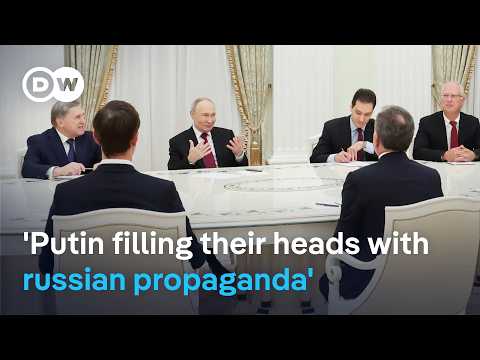
Is it time for Trump to put the screws to Putin? | DW News
0
林宜悉 posted on 2025/12/04Ever wondered if it's time for some tough diplomacy with Russia? This DW News analysis dives deep into the Russia-Ukraine war, exploring potential peace talks and the complex 'blame game' involved. You'll pick up advanced vocabulary related to international policy and practice understanding complex sentence structures used in serious news discussions!
Learn this video on the APP!
The VoiceTube App has more in-depth practice for videos!