Vocabulary
- going on: To continue doing something
- on the rise: Increasing; becoming more popular or common.
- to the point: Expressing something directly and without unnecessary detail.
- do in: To make completely tired out and exhausted
- to do with: To be about something; concern
- think of: To look on as (being something specific); consider
- defense force: A military organization responsible for protecting a country against attack.
- of course: Sure ; Certainly
- threat to: A person or thing likely to cause damage or danger.
- chop off: To remove something by cutting it with a sharp tool.
- cut down: To reduce your use of something
- take back: To say you no longer agree with an opinion you had
- along with: In addition to; together with.
- everyday people: Ordinary or common people, without special status or wealth.
- drum up: To try to get support or interest from people for something.
- for sure: Definitely; certainly; without a doubt.
- in the open: Publicly; not secret.
- in terms of
- ultimately: Done or considered as the final and most important
- specific: Precise; particular; just about that thing
- approach: To get close to reaching something or somewhere
- trigger: Lever on a gun that you pull to fire
- force: Group of persons trained for military action; army
- expect: To believe something is probably going to happen
- squeeze: Amount of liquid from firmly pressing e.g. orange
- parliament: Elected officials who govern a country (in the UK)
- track: To use marks to follow a wild animal
- roughly: Approximately; (of numbers) about; around
- relationship: Connection between two or more people or things
- domestic: Someone paid to help with housework in your house
- prime: To get a person ready for; prepare someone
- military: Army or armed forces
- avoid: To prevent from happening
- tangible: Able to be touched or felt; real
- mean: Average of a set of numbers
- deal: To cope with something - usually troubles
- immense: Very great in size or amount
- threat: Warning of probable trouble
- interrupt: To stop something from happening for a while
- planet: One of the bodies that orbit the sun
- dispute: To argue with someone about something
- filthy: Being very rude (about sex, bodily functions)
- communist: Believer in communism
- respond: To answer something or someone
- scope: Opportunity for action or thought
- offensive: Causing displeasure or anger
- blunt: Without a sharp edge or point
- suggest: To mention something that could be done; propose
- sovereignty: The power a country has to decide for itself
- guard: To keep watch over something to protect it
- escort: Person going with you for protection/help/company
- coast: Land near the sea or ocean
- imply: To suggest something, without saying it directly
- chop: To cut into pieces with an up and down motion
- survival: Act of continuing to exist when facing difficulty
- fact: Something that is known or proved to be true
- language: Words or signs used to communicate messages
- memorial: Ceremony or monument honoring dead person, people
- deploy: To put into position (often a military operation)
- legal: Concerning the law; allowed by law
- suspend: To hang something or someone from something
- question: To ask for or try to get information
- standoff: a situation in which no agreement can be reached
- diplomat: Person representing their government overseas
- world: All the humans, events, activities on the earth
- magnify: To increase the importance or seriousness of
- hear: To be aware of sound; to perceive with the ear
- international: Of or relating to several countries
- people: Persons sharing culture, country, background, etc.
- line: Border that divides two places or regions
- infringement: Act that disregards an agreement or a right
- provocation: Causing anger or resentment, often deliberately
- illegally: In a manner not allowed by law; criminally
- behead: To execute by cutting off the head
- seafood: Fish, shellfish, etc. that can be eaten
- consul: Official of your government in another country
Get the full experience in the app
Learn anywhere with detailed sentence and usage analysis
01:03
She took a brave step forward, leaving behind her comfort zone to chase her dreams.
Vocabulary
- brave
adj. Having courage
- comfort zone
phr. A familiar situation where one feels safe
Explanation
a brave step is a noun phrase, where brave is an adjective modifying the noun step, meaning "a courageous step".
forward is an adverb modifying step, meaning "ahead".
The whole phrase serves as the object, answering the "what" of took (verb) — she took a brave step forward.
Get the full experience in the app
Look up words anytime with pronunciation, part of speech, and usage
brave
US/brev/
UK/breɪv/
adj.Brave
v.t.To bravely face
A2 Elementary
Get the full experience in the app
Practice speaking anytime and get instant pronunciation feedback
Try this speaking exercise.
Try practicing with this sentence.
80
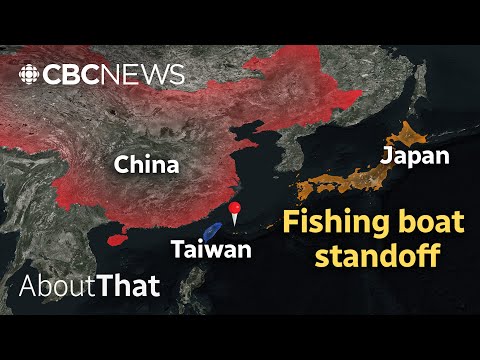
Will a fishing boat spark a crisis between China and Japan? | About That
0
Minjane posted on 2025/12/03Ever wondered how a single fishing boat could spark a major international incident? This video dives deep into the complex China-Japan relations surrounding the Senkaku Islands, explaining the maritime tensions and potential diplomatic fallout. You'll pick up advanced vocabulary related to sovereignty and international law while getting a fascinating look at real-world geopolitics!
Learn this video on the APP!
The VoiceTube App has more in-depth practice for videos!