
along with
US /əˈlɔŋ wɪð/
UK /əˈlɔŋ wið/
- Preposition
- In addition to; together with.
- Adverb
- In company or together with someone or something.
- Including; in addition to.
A2Moreapproach
US /əˈprəʊtʃ/
UK /ə'prəʊtʃ/
- Verb (Transitive/Intransitive)
- To get close to reaching something or somewhere
- To request someone to do something specific
- Noun (Countable/Uncountable)
- Means of reaching a place, often a road or path
- Request of someone with a specific goal in mind
A2TOEICMoreavoid
US /əˈvɔɪd/
UK /ə'vɔɪd/
- Transitive Verb
- To prevent from happening
- To stay away from
A2TOEICMorebehead
US /bɪˈhɛd/
UK /bɪˈhed/
- Transitive Verb
- To execute by cutting off the head
C2Moreblunt
US /blʌnt/
UK /blʌnt/
- Adjective
- Without a sharp edge or point
- Speaking directly; without trying to be polite or kind
- Transitive Verb
- To make dull or lessen the sharpness of something
B1Morechop
US /tʃɑp/
UK /tʃɒp/
- Verb (Transitive/Intransitive)
- To cut into pieces with an up and down motion
- To hit someone with your hand
- Noun (Countable/Uncountable)
- A hit with the hand in a sideways motion
- Thick slice of meat still attached to a bone
B1Morechop off
US /tʃɑp ɔf/
UK /tʃɔp ɔf/
- Phrasal Verb
- To remove something by cutting it with a sharp tool.
B2Morecoast
US /kost/
UK /kəʊst/
- Noun
- Land near the sea or ocean
- Intransitive Verb
- To progress in something without trying hard
- (Of a vehicle) to move forward without power
A2TOEICMorecommunist
US /ˈkɑmjənɪst/
UK /ˈkɒmjənɪst/
- Adjective
- Believer in communism
- Noun
- A person who supports or believes in communism.
B1Moreconsul
US /ˈkɑnsəl/
UK /'kɒnsl/
- Noun
- Official of your government in another country
B2Morecut down
US /kʌt daʊn/
UK /kʌt daun/
- Phrasal Verb
- To reduce your use of something
- To fell a tree.
A1Moredefense force
US
UK
- Noun
- A military organization responsible for protecting a country against attack.
B1Moredeploy
US /dɪˈplɔɪ/
UK /dɪˈplɔɪ/
- Transitive Verb
- To put into position (often a military operation)
- To put something into use or action.
B1TOEICMorediplomat
US /ˈdɪpləˌmæt/
UK /ˈdɪpləmæt/
- Countable Noun
- Person representing their government overseas
B1Moredispute
US /dɪˈspjut/
UK /dɪ'spju:t/
- Verb (Transitive/Intransitive)
- To argue with someone about something
- To disagree about who owns or controls something
- Noun (Countable/Uncountable)
- Argument with someone about something
- A question or doubt about something
B1TOEICMoredo in
US
UK
- Phrasal Verb
- To make completely tired out and exhausted
- To destroy or cause damage to someone
A1Moredomestic
US /dəˈmɛstɪk/
UK /dəˈmestɪk/
- Noun
- Someone paid to help with housework in your house
- Adjective
- British informal fight between husband and wife
- Concerning your own home or house
A2TOEICMoredrum up
US /drʌm ʌp/
UK /drʌm ʌp/
- Phrasal Verb
- To try to get support or interest from people for something.
A2Moreescort
US /ˈeskɔ:rt/
UK /ˈeskɔ:t/
- Countable Noun
- Person going with you for protection/help/company
- Transitive Verb
- To go along with to provide protection, help
B2Moreeveryday people
US
UK
- Noun (plural)
- Ordinary or common people, without special status or wealth.
- People who are relatable and representative of the general population.
A1Morefilthy
US /ˈfɪlθi/
UK /'fɪlθɪ/
- Adjective
- Being very rude (about sex, bodily functions)
- (E.g. of a joke) being extremely rude or impolite
B2Morefor sure
US /fɔr ʃʊr/
UK /fɔ: ʃuə/
- Adverb
- Definitely; certainly; without a doubt.
- Used to emphasize a statement.
- Interjection
- An expression of strong agreement or affirmation.
A2Moregoing on
US /ˈɡoɪŋ ɑn/
UK /ˈgəʊɪŋ ɔn/
- Phrasal Verb
- To continue doing something
- To happen (usually negative)
A1Moreguard
US /ɡɑrd/
UK /ɡɑ:d/
- Transitive Verb
- To keep watch over something to protect it
- Noun (Countable/Uncountable)
- Someone who watches a place or prevents escapes
- A player in basketball whose primary role is to handle the ball and initiate the offense.
A2Moreillegally
US /ɪˈliɡəlɪ/
UK /ɪ'li:ɡəlɪ/
- Adverb
- In a manner not allowed by law; criminally
B2Moreimmense
US /ɪˈmɛns/
UK /ɪˈmens/
- Adjective
- Very great in size or amount
- Extremely great in degree; vast.
B1Moreimply
US /ɪmˈplaɪ/
UK /ɪmˈplaɪ/
- Transitive Verb
- To suggest something, without saying it directly
- To involve or indicate by inference, association, or necessary consequence rather than by direct statement
A2TOEICMorein terms of
US
UK
- Phrase
- With regard to; concerning a particular aspect.
A1Morein the open
US /ɪn ði ˈopən/
UK /in ðə ˈəupən/
- Phrase
- Publicly; not secret.
- Outdoors; not inside a building or covered space.
A1Moreinfringement
US /ɪnˈfrɪndʒmənt/
UK /ɪn'frɪndʒmənt/
- Noun (Countable/Uncountable)
- Act that disregards an agreement or a right
B2Moreinterrupt
US /ˌɪntəˈrʌpt/
UK /ˌɪntə'rʌpt/
- Verb (Transitive/Intransitive)
- To stop something from happening for a while
- To stop someone from speaking by saying or doing something.
- Noun
- A signal that stops a computer from working on one thing and starts it working on something else.
B1TOEICMoremagnify
US /ˈmæɡnəˌfaɪ/
UK /'mæɡnɪfaɪ/
- Transitive Verb
- To increase the importance or seriousness of
- To make something larger, louder, or greater
B2Morememorial
US /məˈmɔriəl, -ˈmor-/
UK /mə'mɔ:rɪəl/
- Noun
- Ceremony or monument honoring dead person, people
B1Moremilitary
US /ˈmɪlɪˌtɛri/
UK /'mɪlətrɪ/
- Noun
- Army or armed forces
- Adjective
- Concerning the army or navy
B1Moreof course
US /ʌv kɔː(r)s/
UK /ɔv kɔː(r)s/
- Adverb
- Sure ; Certainly
- Phrase
- For sure; certainly
A2Moreoffensive
US /əˈfɛnsɪv/
UK /əˈfensɪv/
- Adjective
- Causing displeasure or anger
- Attacking or intended to attack
- Noun
- A military attack
B1TOEICMoreon the rise
US /ɑn ði raɪz/
UK /ɔn ðə raiz/
- Adjective
- Increasing; becoming more popular or common.
- Becoming more successful in a career or field.
- Phrase
- Increasing in popularity.
A1Moreparliament
US /ˈpɑrləmənt/
UK /ˈpɑ:ləmənt/
- Noun
- Elected officials who govern a country (in the UK)
- Period when the Uk government is in session
A2Moreplanet
US /ˈplænɪt/
UK /'plænɪt/
- Noun (Countable/Uncountable)
- One of the bodies that orbit the sun
- A different world or sphere of existence.
- Proper Noun
- The earth.
A2Moreprime
US /praɪm/
UK /praɪm/
- Transitive Verb
- To get a person ready for; prepare someone
- To coat with paint to prepare it for the main coat
- Adjective
- Concerning the highest in quality or value
- Concerning the highest level of achievement
A2TOEICMoreprovocation
US /ˌprɑ:vəˈkeɪʃn/
UK /ˌprɒvəˈkeɪʃn/
- Noun
- Causing anger or resentment, often deliberately
B2Morerelationship
US /rɪˈleʃənˌʃɪp/
UK /rɪˈleɪʃnʃɪp/
- Noun (Countable/Uncountable)
- Connection between two or more people or things
- Way people interact or live with each other
A2TOEICMorerespond
US /rɪˈspɑnd/
UK /rɪ'spɒnd/
- Verb (Transitive/Intransitive)
- To answer something or someone
- To have a good reaction to e.g. medical treatment
A2TOEICMoreroughly
US /ˈrʌflɪ/
UK /ˈrʌfli/
- Adverb
- Approximately; (of numbers) about; around
- In a manner that is violent or not careful
B1Morescope
US /skoʊp/
UK /skəʊp/
- Noun (Countable/Uncountable)
- Opportunity for action or thought
- Range of things included or dealt with
- Verb (Transitive/Intransitive)
- to look at especially for the purpose of evaluation —usually used with out
B1TOEICMoreseafood
US /ˈsiˌfud/
UK /'si:fu:d/
- Noun (Countable/Uncountable)
- Fish, shellfish, etc. that can be eaten
B2Moresovereignty
US /ˈsɑ:vrənti/
UK /ˈsɒvrənti/
- Uncountable Noun
- The power a country has to decide for itself
B2Morespecific
US /spɪˈsɪfɪk/
UK /spəˈsɪfɪk/
- Adjective
- Precise; particular; just about that thing
- Concerning one particular thing or kind of thing
A2Moresqueeze
US /skwiz/
UK /skwi:z/
- Noun (Countable/Uncountable)
- Amount of liquid from firmly pressing e.g. orange
- Act of putting pressure on, as to get liquid out
- Transitive Verb
- To force or threaten someone to give you something
- To strongly compress something to get liquid out
C1Moresurvival
US /sɚˈvaɪvəl/
UK /səˈvaɪvl/
- Uncountable Noun
- Act of continuing to exist when facing difficulty
A2Moresuspend
US /səˈspɛnd/
UK /sə'spend/
- Transitive Verb
- To hang something or someone from something
- To stop something for a period of time; interrupt
B2TOEICMoretake back
US /tek bæk/
UK /teik bæk/
- Phrasal Verb
- To say you no longer agree with an opinion you had
- To return something you bought to the store
- Transitive Verb
- To retract or withdraw a statement or claim.
- To regain possession of something.
A1Moretangible
US /ˈtændʒəbəl/
UK /ˈtændʒəbl/
- Adjective
- Able to be touched or felt; real
- Able to be seen or noticed; obvious; apparent
- Noun (Countable/Uncountable)
- Item which can be seen and touched
- A thing that is perceptible by touch.
B2Morethink of
US /θɪŋk ʌv/
UK /θiŋk ɔv/
- Phrasal Verb
- To look on as (being something specific); consider
- To consider or remember something.
- Verb (Transitive/Intransitive)
- To imagine or call something to mind
A1Morethreat
US /θrɛt/
UK /θret/
- Noun
- Warning of probable trouble
- A warning that you may be harmed
A2TOEICMorethreat to
US
UK
- Phrase
- A person or thing likely to cause damage or danger.
- A statement of an intention to inflict pain, injury, damage, or other hostile action on someone in retribution for or opposition to something done or not done.
B2Moreto do with
US
UK
- Phrasal Verb
- To be about something; concern
A1Moreto the point
US /tu ði pɔɪnt/
UK /tu: ðə pɔint/
- Adjective
- Expressing something directly and without unnecessary detail.
- Phrase
- Relevant and pertinent to the matter at hand.
A2Moretrack
US /træk/
UK /træk/
- Transitive Verb
- To use marks to follow a wild animal
- To move a certain way/follow a particular course
- Noun
- A circular course for running
- Course or way someone takes, e.g. in education
A2TOEICMoretrigger
US /ˈtrɪɡɚ/
UK /'trɪɡə(r)/
- Noun
- Lever on a gun that you pull to fire
- Device that starts a process
- Transitive Verb
- To start a process off e.g. a memory
- To cause something to begin or happen.
B1Moreultimately
US /ˈʌltəmɪtli/
UK /ˈʌltɪmətli/
- Adverb
- Done or considered as the final and most important
- Fundamentally; at the most basic level.
B1TOEICMore
Vocabulary
- going on: To continue doing something
- to the point: Expressing something directly and without unnecessary detail.
- on the rise: Increasing; becoming more popular or common.
- do in: To make completely tired out and exhausted
- to do with: To be about something; concern
- think of: To look on as (being something specific); consider
- defense force: A military organization responsible for protecting a country against attack.
- of course: Sure ; Certainly
- threat to: A person or thing likely to cause damage or danger.
- chop off: To remove something by cutting it with a sharp tool.
- cut down: To reduce your use of something
- take back: To say you no longer agree with an opinion you had
- along with: In addition to; together with.
- everyday people: Ordinary or common people, without special status or wealth.
- drum up: To try to get support or interest from people for something.
- for sure: Definitely; certainly; without a doubt.
- in the open: Publicly; not secret.
- in terms of
- ultimately: Done or considered as the final and most important
- specific: Precise; particular; just about that thing
- approach: To get close to reaching something or somewhere
- trigger: Lever on a gun that you pull to fire
- force: Group of persons trained for military action; army
- expect: To believe something is probably going to happen
- squeeze: Amount of liquid from firmly pressing e.g. orange
- track: To use marks to follow a wild animal
- parliament: Elected officials who govern a country (in the UK)
- roughly: Approximately; (of numbers) about; around
- relationship: Connection between two or more people or things
- domestic: Someone paid to help with housework in your house
- prime: To get a person ready for; prepare someone
- military: Army or armed forces
- avoid: To prevent from happening
- tangible: Able to be touched or felt; real
- mean: Average of a set of numbers
- deal: To cope with something - usually troubles
- immense: Very great in size or amount
- interrupt: To stop something from happening for a while
- threat: Warning of probable trouble
- planet: One of the bodies that orbit the sun
- dispute: To argue with someone about something
- filthy: Being very rude (about sex, bodily functions)
- communist: Believer in communism
- respond: To answer something or someone
- scope: Opportunity for action or thought
- offensive: Causing displeasure or anger
- blunt: Without a sharp edge or point
- suggest: To mention something that could be done; propose
- sovereignty: The power a country has to decide for itself
- guard: To keep watch over something to protect it
- escort: Person going with you for protection/help/company
- coast: Land near the sea or ocean
- imply: To suggest something, without saying it directly
- chop: To cut into pieces with an up and down motion
- survival: Act of continuing to exist when facing difficulty
- fact: Something that is known or proved to be true
- language: Words or signs used to communicate messages
- memorial: Ceremony or monument honoring dead person, people
- deploy: To put into position (often a military operation)
- legal: Concerning the law; allowed by law
- question: To ask for or try to get information
- suspend: To hang something or someone from something
- standoff: a situation in which no agreement can be reached
- diplomat: Person representing their government overseas
- world: All the humans, events, activities on the earth
- magnify: To increase the importance or seriousness of
- hear: To be aware of sound; to perceive with the ear
- international: Of or relating to several countries
- people: Persons sharing culture, country, background, etc.
- line: Border that divides two places or regions
- infringement: Act that disregards an agreement or a right
- provocation: Causing anger or resentment, often deliberately
- illegally: In a manner not allowed by law; criminally
- behead: To execute by cutting off the head
- seafood: Fish, shellfish, etc. that can be eaten
- consul: Official of your government in another country
Get the full experience in the app
Learn anywhere with detailed sentence and usage analysis
01:03
She took a brave step forward, leaving behind her comfort zone to chase her dreams.
Vocabulary
- brave
adj. Having courage
- comfort zone
phr. A familiar situation where one feels safe
Explanation
a brave step is a noun phrase, where brave is an adjective modifying the noun step, meaning "a courageous step".
forward is an adverb modifying step, meaning "ahead".
The whole phrase serves as the object, answering the "what" of took (verb) — she took a brave step forward.
Get the full experience in the app
Look up words anytime with pronunciation, part of speech, and usage
brave
US/brev/
UK/breɪv/
adj.Brave
v.t.To bravely face
A2 Elementary
Get the full experience in the app
Practice speaking anytime and get instant pronunciation feedback
Try this speaking exercise.
Try practicing with this sentence.
80
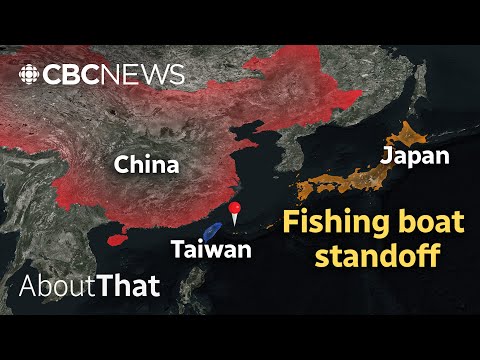
Will a fishing boat spark a crisis between China and Japan? | About That
0
Minjane posted on 2025/12/03Ever wondered how a single fishing boat could spark a major international incident? This video dives deep into the complex China-Japan relations surrounding the Senkaku Islands, explaining the maritime tensions and potential diplomatic fallout. You'll pick up advanced vocabulary related to sovereignty and international law while getting a fascinating look at real-world geopolitics!
Learn this video on the APP!
The VoiceTube App has more in-depth practice for videos!