
addition
US /əˈdɪʃən/
UK /əˈdɪʃn/
- Noun (Countable/Uncountable)
- Act of adding something; thing that is added
- The process of calculating the total of two or more numbers or amounts
A2TOEICMorealpha
US /'ælfə/
UK /ˈælfə/
- Noun
- First letter in the Greek alphabet
- Adjective
- Most powerful (animals of the same sex)
B1Moreat last
US /æt læst/
UK /æt lɑ:st/
- Adverb
- Finally; after a long delay.
B1Morebrilliant
US /ˈbrɪljənt/
UK /'brɪlɪənt/
- Adjective
- Having a great amount of intelligence or talent
- Being very bright, like a diamond; shining
- Noun
- A diamond or other gem cut in a particular form with many facets to have exceptional brilliance.
A2Morebuddy
US /ˈbʌdi/
UK /'bʌdɪ/
- Countable Noun
- Friend, usually male
- A term of address, often used informally.
B2Morecome back
US /kʌm bæk/
UK /kʌm bæk/
- Phrasal Verb
- To reply to someone, often forcefully
- To be remembered
A1Morecome together
US /kʌm təˈɡɛðɚ/
UK /kʌm təˈɡeðə/
- Phrasal Verb
- To assemble or unite; to start working together.
- To form a close relationship or bond.
A1Moreexciting
US /ɪkˈsaɪtɪŋ/
UK /ɪkˈsaɪtɪŋ/
- Transitive Verb
- To cause a reaction; make active
- To make someone feel happy, interested or eager
- Adjective
- Creating interest, happiness or pleasurable fear
- Full of action, thrills, or creating suspense.
A2Moreexplode
US /ɪkˈsplod/
UK /ɪk'spləʊd/
- Verb (Transitive/Intransitive)
- To express an emotion in a sudden and loud way
- To increase in number or amount very quickly
B1Moreextremely
US /ɪk'strimlɪ/
UK /ɪkˈstri:mli/
- Adverb
- In a way that is much more than usual or expected
- Remarkably; unusually.
B1Morefix
US /fɪks/
UK /fɪks/
- Noun
- Answer to a problem
- Transitive Verb
- To arrange or prepare something
- To attach something so it will not move or change
A2TOEICMoreflex
US /flɛks/
UK /fleks/
- Verb (Transitive/Intransitive)
- To move a part of the body to stretch muscles
B2Morego out
US /ɡo aʊt/
UK /ɡəu aut/
- Phrase
- To leave a building (e.g. a house)
- Phrasal Verb
- (Of a fire) to burn out; be extinguished
- Go out of fashion to stop being fashionable
A1Morehunt
US /hʌnt/
UK /hʌnt/
- Transitive Verb
- To search for wild animals to kill (for food)
- To look for very carefully; search for
- Noun
- A search for animals to kill for food
A2Morein a box
US /ɪn ə bɑks/
UK /ɪn ə bɒks/
- other
- Contained or confined inside a box or small space.
B2Morelink
US /lɪŋk/
UK /lɪŋk/
- Noun (Countable/Uncountable)
- Any one of the rings that are part of a chain
- Connection between two or more things or people
- Transitive Verb
- To join or connect together
- To associate or connect in one's mind.
A2TOEICMoreloose
US /lus/
UK /lu:s/
- Transitive Verb
- To shoot or fire something from a gun
- Adjective
- (Idea, thought, or work) unclear or imprecise
- Not tightly attached or held
A2Moremagical
US /ˈmædʒɪkəl/
UK /ˈmædʒɪkl/
- Adjective
- Specially enjoyable, pleasing or romantic
- Concerning, involving, or able to perform magic
A2Moremuscle
US /ˈmʌsəl/
UK /'mʌsl/
- Uncountable Noun
- Physical power
- Power or influence, especially of an economic or political kind.
- Transitive Verb
- To use or muscles of force to get what you want
A2Moreon the loose
US /ɑn ði lus/
UK /ɔn ðə lu:s/
- Adjective
- Having escaped from captivity; free to move around without restraint.
- Uncontrolled; behaving wildly or without restraint.
A1Moreow
US /aʊ/
UK /aʊ/
- Interjection
- Sound people make when they are hurt
C2Moreox
US /ɑ:ks/
UK /ɒks/
- Countable Noun
- Cow-like animal kept for providing milk or meat
B2Morepicnic
US /ˈpɪknɪk/
UK /ˈpɪknɪk/
- Noun
- Meal that is eaten outdoors, sitting on the ground
- Intransitive Verb
- To eat a meal on the ground outdoors
B1Morepot
US /pɑt/
UK /pɒt/
- Noun (Countable/Uncountable)
- Container designed to hold or store something
- Deep, round container that is used for cooking
- Transitive Verb
- To plant something in a container filled with soil
- To hit a ball into a table pocket in snooker
A2Morerescue
US /ˈrɛskju/
UK /'reskju:/
- Transitive Verb
- To save someone who is in danger or in trouble
- To provide financial assistance to save a company or economy from collapse.
- Noun (Countable/Uncountable)
- Act of saving someone in danger or in trouble
- An act of saving someone or something from a dangerous or difficult situation.
A2TOEICMoreroute
US /rut, raʊt/
UK /ru:t/
- Noun (Countable/Uncountable)
- Way to get from one place to another place; path
- Path or way that people often use
- Transitive Verb
- To send along a particular path or way
A2TOEICMoresh
US /ʃ/
UK /ʃ/
- Interjection
- Sound people make to make someone be quiet
C2Moresheep
US /ʃip/
UK /ʃi:p/
- Noun (Countable/Uncountable)
- Animal with a woolly coat raised for meat or wool
- Noun
- Person who behaves as others do, without thinking
B1Moresilly
US /ˈsɪli/
UK /'sɪlɪ/
- Adjective
- Careless
- Acting funny or playfully
A2Moresolve
US /sɑ:lv/
UK /sɒlv/
- Transitive Verb
- To figure out a way to handle a difficult problem
A2TOEICMorestand back
US /stænd bæk/
UK /stænd bæk/
- Phrasal Verb
- To move away from something, usually to create space or avoid danger.
- To not get involved in a situation; to take a detached perspective.
A2Moreswine
US /swaɪn/
UK /swaɪn/
- Countable Noun
- A pig
C1Moreto the rescue
US /tu ðə ˈrɛskju/
UK /tə ðə ˈreskju:/
- other
- Arriving in time to help or save someone from danger.
B1Moretreasure
US /ˈtrɛʒɚ/
UK /'treʒə(r)/
- Noun (Countable/Uncountable)
- Valuable things collected, and often hidden
- Someone or something that is worth a lot
- Transitive Verb
- To value something you keep very much
- To take great care of because you love/value it
A2TOEICMoreunderwater
US /ˈʌndɚˌwɔtɚ, -ˌwɑtɚ/
UK /ˌʌndəˈwɔ:tə(r)/
- Adjective
- (Moving or existing) beneath the surface of water
C2Moreunhelpful
US /ʌnˈhelpfl/
UK /ʌnˈhelpfl/
- Adjective
- Providing no assistance
B1More
Vocabulary
- to the rescue: Arriving in time to help or save someone from danger.
- come back: To reply to someone, often forcefully
- come together: To assemble or unite; to start working together.
- go out: To leave a building (e.g. a house)
- in a box: Contained or confined inside a box or small space.
- stand back: To move away from something, usually to create space or avoid danger.
- on the loose: Having escaped from captivity; free to move around without restraint.
- at last: Finally; after a long delay.
- extremely: In a way that is much more than usual or expected
- brilliant: Having a great amount of intelligence or talent
- doubt: Not being sure of something; lack of certainty
- silly: Careless
- route: Way to get from one place to another place; path
- leave: To go away from; depart
- treasure: Valuable things collected, and often hidden
- rescue: To save someone who is in danger or in trouble
- buddy: Friend, usually male
- loose: To shoot or fire something from a gun
- solve: To figure out a way to handle a difficult problem
- explode: To express an emotion in a sudden and loud way
- stand: To be a candidate in an election
- head: To hit a ball with your head in a game
- addition: Act of adding something; thing that is added
- find: To become aware of something that is happening
- pot: Container designed to hold or store something
- land: Region or country
- hide: To go to, or put a thing where it can't be found
- laugh: To make a happy sound when something is funny
- hold: To agree to keep something for someone
- fix: Answer to a problem
- link: Any one of the rings that are part of a chain
- muscle: Physical power
- carry: To have a child, be pregnant
- problem: Something difficult to deal with or causes trouble
- work: The product of some artistic or literary endeavor
- flex: To move a part of the body to stretch muscles
- full: Containing all the parts; complete
- exciting: To cause a reaction; make active
- swine: A pig
- long: Person's name
- hand: Cards given to a player in a card game
- magical: Specially enjoyable, pleasing or romantic
- hunt: To search for wild animals to kill (for food)
- picnic: Meal that is eaten outdoors, sitting on the ground
- alpha: First letter in the Greek alphabet
- underwater: (Moving or existing) beneath the surface of water
- sheep: Animal with a woolly coat raised for meat or wool
- ox: Cow-like animal kept for providing milk or meat
- ow: Sound people make when they are hurt
- unhelpful: Providing no assistance
- sh: Sound people make to make someone be quiet
Get the full experience in the app
Learn anywhere with detailed sentence and usage analysis
01:03
She took a brave step forward, leaving behind her comfort zone to chase her dreams.
Vocabulary
- brave
adj. Having courage
- comfort zone
phr. A familiar situation where one feels safe
Explanation
a brave step is a noun phrase, where brave is an adjective modifying the noun step, meaning "a courageous step".
forward is an adverb modifying step, meaning "ahead".
The whole phrase serves as the object, answering the "what" of took (verb) — she took a brave step forward.
Get the full experience in the app
Look up words anytime with pronunciation, part of speech, and usage
brave
US/brev/
UK/breɪv/
adj.Brave
v.t.To bravely face
A2 Elementary
Get the full experience in the app
Practice speaking anytime and get instant pronunciation feedback
Try this speaking exercise.
Try practicing with this sentence.
80
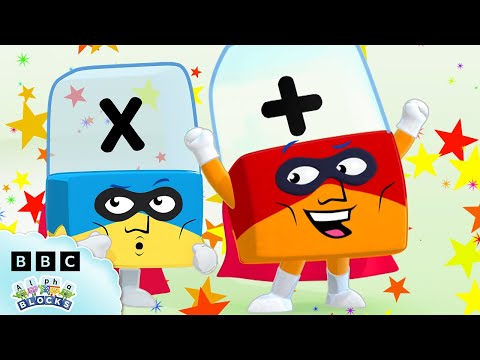
Plusman ➕ | Season Four | Alphablocks Full Episode | Learn to Read | @officialalphablocks
0
林宜悉 posted on 2025/12/02Get ready for a super fun adventure with Plusman and the Alphablocks as they go on a treasure hunt using their amazing letter magic! You'll love seeing how they playfully combine letters to make words and learn all about phonics in this exciting episode.
Learn this video on the APP!
The VoiceTube App has more in-depth practice for videos!