
access
US /ˈæksɛs/
UK /'ækses/
- Noun (Countable/Uncountable)
- Way to enter a place, e.g. a station or stadium
- The opportunity or right to use something or to see someone.
- Transitive Verb
- To be able to use or have permission to use
A2TOEICMoreaffect
US /əˈfɛkt/
UK /ə'fekt/
- Transitive Verb
- To cause a change in something else
- To pretend to have or feel (something).
- Noun
- (Psychology) Emotion or feeling.
A2TOEICMoreagainst the clock
US
UK
- Phrase
- Rushed and under pressure to meet a deadline.
A2Moreapart from
US /əˈpɑrt frʌm/
UK /əˈpɑ:t frɔm/
- Preposition
- Except for; not considering
- In addition to; as well as
at least
US /æt list/
UK /æt li:st/
- Adverb
- As a minimum
- Not less than
- Phrase
- No less than; at the minimum
- Used to indicate that something is positive in a bad situation.
C2Moreat the moment
US
UK
- Adverb
- At this time; now
A1Moreby foot
US
UK
- Phrase
- Walking, instead of using transport
A2Morecarry off
US
UK
- Phrasal Verb
- To cause the death of someone
- To handle something successfully
A1Morechallenge
US /ˈtʃæləndʒ/
UK /'tʃælɪndʒ/
- Noun (Countable/Uncountable)
- An activity you wish to try that may be hard to do
- Act of formally inviting someone to compete
- Transitive Verb
- To formally invite someone to compete at something
- To question the correctness of something
A2Moreclear up
US /klɪr ʌp/
UK /kliə ʌp/
- Phrasal Verb
- To tidy things away, e.g. dirty dishes after meal
- To explain something in an understandable way
A1Moreclimate
US /ˈklaɪmɪt/
UK /ˈklaɪmət/
- Noun (Countable/Uncountable)
- Typical weather conditions in a particular place
- The general attitudes, feelings, or opinions that people have at a particular time.
A2Morecombine
US /kəmˈbaɪn/
UK /kəmˈbaɪn/
- Verb (Transitive/Intransitive)
- To mix several things together to form one thing
- To harvest by means of a combine.
- Noun (Countable/Uncountable)
- A harvesting machine for cutting, threshing, and cleaning grain.
- A mixture of different things.
A2Morecontrary
US /ˈkɑnˌtrɛri/
UK /'kɒntrərɪ/
- Adjective
- (Of weather) difficult; likely to cause trouble
- Going against authority, a parent, or the rules
- Adverb
- In opposition to.
B1Morecontrary to
US /ˈkɑnˌtrɛri tu/
UK /ˈkɔntrəri tu:/
- Preposition
- In opposition to; against.
- Differing from; not in agreement with.
A1Morecut off
US /kʌt ɔf/
UK /kʌt ɔf/
- Phrasal Verb
- To end a process, e.g. a phone call
- To cut the end of something
- Transitive Verb
- To isolate or prevent access to a place or person.
- To interrupt someone while they are speaking.
A1Morecyclone
US /ˈsaɪkloʊn/
UK /ˈsaɪkləʊn/
- Noun (Countable/Uncountable)
- Strong wind, similar to a hurricane, tornado, etc.
- A large-scale air mass that rotates around a strong center of low atmospheric pressure.
C1Moredamage
US /ˈdæmɪdʒ/
UK /ˈdæmɪdʒ/
- Noun (Countable/Uncountable)
- Physical harm that is done to something
- Transitive Verb
- To harm physically; to hurt or break something
- To harm the reputation of someone.
A2TOEICMoredeforestation
US //diːˌfɔːr.əˈsteɪ.ʃən//
UK //diːˌfɒr.ɪˈsteɪ.ʃən//
- Uncountable Noun
- Process of removing the trees from an area
C2Moredegradation
US /ˌdɛɡrəˈdeʃən/
UK /ˌdegrəˈdeɪʃn/
- Noun (Countable/Uncountable)
- Reduction in quality or character
- The act of treating someone poorly and without respect.
B2Moredevastate
US /ˈdɛvəˌstet/
UK /'devəsteɪt/
- Transitive Verb
- To cause extensive destruction or ruin utterly
- To cause (someone) to feel extreme emotional pain.
B1Moredevastating
US
UK
- Transitive Verb
- To cause extensive destruction or ruin utterly
- Adjective
- Destroying everything; very shocking
- Causing great emotional pain or shock.
B1Moredevastation
US /ˌdevəˈsteɪʃn/
UK /ˌdevəˈsteɪʃn/
- Uncountable Noun
- Act of ruining or destroying something
- A feeling of being extremely shocked and sad.
B1Moredump
US /dʌmp/
UK /dʌmp/
- Transitive Verb
- To end a romantic relationship
- To put something somewhere without care
- Noun
- A place where waste or garbage is left.
- A copy of data from one part of a computer system to another.
B1Moreeconomic
US /ˌɛkəˈnɑmɪk, ˌikə-/
UK /ˌi:kəˈnɒmɪk/
- Adjective
- Concerning trade, industry, and money
- Financially worthwhile; profitable.
- Noun
- A system relating to economics
- A factor relating to economics
A2Moreessential
US /ɪˈsɛnʃəl/
UK /ɪ'senʃl/
- Adjective
- Extremely or most important and necessary
- Fundamental; basic.
- Noun
- A concentrated hydrophobic liquid containing volatile aroma compounds from plants.
B1TOEICMoreflash
US /flæʃ/
UK /flæʃ/
- Intransitive Verb
- To appear suddenly and briefly
- To shine brightly very suddenly and briefly
- Noun (Countable/Uncountable)
- Sudden and brief appearance of something
- Light used by a camera to brighten the area
B1Moreflood
US /flʌd/
UK /flʌd/
- Verb (Transitive/Intransitive)
- To quickly appear unexpectedly and in volume
- (Of liquid) to fill or cover something completely
- Noun (Countable/Uncountable)
- A quick unexpectedly volume of something
- Large number of people or things arriving at once
B1Morefootage
US /ˈfʊtɪdʒ/
UK /ˈfʊtɪdʒ/
- Uncountable Noun
- A certain amount of film or video of something
- The length or amount of something measured in feet.
B2Moregoing on
US /ˈɡoɪŋ ɑn/
UK /ˈgəʊɪŋ ɔn/
- Phrasal Verb
- To continue doing something
- To happen (usually negative)
A1Morehave at
US
UK
- Phrasal Verb
- To attack someone or something.
- To begin doing something with enthusiasm.
A1Morehave to
US /hæv tu/
UK /ˈhæv tə/
- Auxiliary Verb
- Must do
A1Morein order to
US /ɪn ˈɔrdɚ tu/
UK /in ˈɔ:də tu:/
- Preposition
- For the purpose of; with the aim of.
- Phrase
- In a specific sequence or arrangement.
- With the aim of; for the purpose of.
C1Morein some places
US
UK
- Phrase
- In certain locations or areas, but not all.
A1Morein terms of
US
UK
- Phrase
- With regard to; concerning a particular aspect.
A1Morein the past
US
UK
- Phrase
- During a former period of time; previously.
A1Moreinfrastructure
US /ˈɪnfrəˌstrʌktʃɚ/
UK /'ɪnfrəstrʌktʃə(r)/
- Uncountable Noun
- Basic necessary equipment for a country or region
- The underlying framework or system of an organization.
B1Moreintensity
US /ɪnˈtɛnsɪti/
UK /ɪn'tensətɪ/
- Uncountable Noun
- Great energy, strength, or concentration
- The quality of being intense; the degree or amount of strength, force, etc.
A2TOEICMoreisolate
US /ˈaɪsəˌlet/
UK /ˈaɪsəleɪt/
- Transitive Verb
- To identify, consider, or deal with separately
- To keep in a place or situation apart from others
B1Morelandslide
US /ˈlændˌslaɪd/
UK /ˈlændslaɪd/
- Noun (Countable/Uncountable)
- Slide of dirt and rock down a mountain or cliff
- A very big win (in an election)
B2Morelook at
US /lʊk æt/
UK /luk æt/
- Phrasal Verb
- To use your eyes to focus on something
- To focus your eyes on something carefully
A1Moremajor
US /ˈmedʒɚ/
UK /'meɪdʒə(r)/
- Countable Noun
- High-ranking officer in the army
- Main subject you study at university
- Adjective
- Main league; esp. referring to American baseball
- Important, serious, or large in scope, size
A2TOEICMoreoccur
US /əˈkɚ/
UK /əˈkɜ:(r)/
- Intransitive Verb
- To come to pass or to happen
- To be found to exist; to be present.
A2TOEICMoreof course
US /ʌv kɔː(r)s/
UK /ɔv kɔː(r)s/
- Adverb
- Sure ; Certainly
- Phrase
- For sure; certainly
A2Moreon the way
US /ɑn ði we/
UK /ɔn ðə wei/
- Phrase
- During the journey to a particular place.
A1Morepresident
US /ˈprɛzɪdənt,-ˌdɛnt/
UK /ˈprezɪdənt/
- Noun
- Person in charge of a country, or organization
- The highest-ranking executive in a corporation or organization.
A2TOEICMoreprovince
US /ˈprɑvɪns/
UK /'prɒvɪns/
- Noun
- Subject that a person has a good knowledge of
- Area a country is divided into outside the capital
B1Moreregion
US /ˈridʒən/
UK /'ri:dʒən/
- Noun (Countable/Uncountable)
- Part of a country, of the world, area, etc.
- A part of the body
A2TOEICMorerelief
US /rɪˈlif/
UK /rɪˈli:f/
- Noun (Countable/Uncountable)
- Aid given to people in need as after war/disaster
- Artwork, e.g. part of wall, that partly sticks out
B1TOEICMorerescue
US /ˈrɛskju/
UK /'reskju:/
- Transitive Verb
- To save someone who is in danger or in trouble
- To provide financial assistance to save a company or economy from collapse.
- Noun (Countable/Uncountable)
- Act of saving someone in danger or in trouble
- An act of saving someone or something from a dangerous or difficult situation.
A2TOEICMorerestore
US /rɪˈstɔr, -ˈstor/
UK /rɪˈstɔ:(r)/
- Transitive Verb
- To return a thing to its original condition
B1Moresatellite
US /ˈsætlˌaɪt/
UK /'sætəlaɪt/
- Noun (Countable/Uncountable)
- Device sent into space that aids communication
- Natural object in space that moves around another
B1Morescarce
US /skers/
UK /skeəs/
- Adjective
- Not many; Not plentiful or abundant
B2TOEICMoresoutheast
US /saʊθˈist, saʊˈist/
UK /ˌsaʊθ'i:st/
- Noun
- Location in the southeastern part of an area
B2Morestrand
US /strænd/
UK /strænd/
- Countable Noun
- Long part of a rope, someone's hair, etc.
- Transitive Verb
- To cause to be stuck or trapped somewhere
B2Moresubmerge
US /səbˈmɚdʒ/
UK /səb'mɜ:dʒ/
- Transitive Verb
- To sink or put below the surface
B2TOEICMoresuppose
US /səˈpoʊz/
UK /sə'pəʊz/
- Verb (Transitive/Intransitive)
- To imagine or guess what might happen
- Conjunction
- What if
A2TOEICMoretalking about
US
UK
- Phrasal Verb
- To discuss a particular topic.
- To be constantly mentioning or bringing up a subject.
A1Moreterrible
US /ˈtɛrəbəl/
UK /ˈterəbl/
- Adjective
- Very bad; horrible
- Causing great fear; frightening
A2TOEICMoretight schedule
US
UK
- Noun
- A schedule with very little time available; a very busy timetable.
A2Moretoll
US /tol/
UK /təʊl/
- Noun (Countable/Uncountable)
- Sound that a big bell makes, when it is rung
- Number of people hurt or killed in a disaster
- Intransitive Verb
- (Bell) to ring in a slow, loud and repeated way
B2TOEICMoretropical
US /ˈtrɑpɪkəl/
UK /ˈtrɒpɪkl/
- Adjective
- Hot and humid; near to the equator
- Very hot and humid
- Noun
- The tropical region of the earth
B1Moretsunami
US /tsʊˈnɑmi/
UK /tsu:ˈnɑ:mi/
- Noun
- Huge sea wave often caused by an earthquake
B2Moreused to
US /juzd tu/
UK /ˈju:st tə/
- Adjective
- Did regularly before, but don't do now
- Auxiliary Verb
- Have done before, but do not do now
A1More
Vocabulary
- apart from: Except for; not considering
- at the moment: At this time; now
- have to: Must do
- talking about: To discuss a particular topic.
- against the clock: Rushed and under pressure to meet a deadline.
- carry off: To cause the death of someone
- have at: To attack someone or something.
- at least: As a minimum
- cut off: To end a process, e.g. a phone call
- on the way: During the journey to a particular place.
- clear up: To tidy things away, e.g. dirty dishes after meal
- by foot: Walking, instead of using transport
- in order to: For the purpose of; with the aim of.
- in the past: During a former period of time; previously.
- tight schedule: A schedule with very little time available; a very busy timetable.
- contrary to: In opposition to; against.
- in terms of
- used to: Did regularly before, but don't do now
- in some places: In certain locations or areas, but not all.
- going on: To continue doing something
- of course: Sure ; Certainly
- look at: To use your eyes to focus on something
- essential: Extremely or most important and necessary
- access: Way to enter a place, e.g. a station or stadium
- situation: Place, position or area that something is in
- devastating: To cause extensive destruction or ruin utterly
- infrastructure: Basic necessary equipment for a country or region
- fear: Unpleasant feeling caused by being aware of danger
- climate: Typical weather conditions in a particular place
- suppose: To imagine or guess what might happen
- bit: Device put in a horse's mouth to control it
- dump: To end a romantic relationship
- affect: To cause a change in something else
- toll: Sound that a big bell makes, when it is rung
- intensity: Great energy, strength, or concentration
- occur: To come to pass or to happen
- region: Part of a country, of the world, area, etc.
- contrary: (Of weather) difficult; likely to cause trouble
- footage: A certain amount of film or video of something
- effect: An advantage, benefit
- challenge: An activity you wish to try that may be hard to do
- guess: To give an answer without knowing if it is correct
- relief: Aid given to people in need as after war/disaster
- major: High-ranking officer in the army
- rescue: To save someone who is in danger or in trouble
- satellite: Device sent into space that aids communication
- tropical: Hot and humid; near to the equator
- combine: To mix several things together to form one thing
- scarce: Not many; Not plentiful or abundant
- devastate: To cause extensive destruction or ruin utterly
- lot: What happens to a person in life from chance; fate
- restore: To return a thing to its original condition
- manage: To survive hardships and difficulties; to cope
- promise: To say you will certainly do something
- president: Person in charge of a country, or organization
- terrible: Very bad; horrible
- economic: Concerning trade, industry, and money
- government: Group of people and system that rule a nation
- flood: To quickly appear unexpectedly and in volume
- damage: Physical harm that is done to something
- rise: To wake up and get out of bed after sleeping
- worse: Comparative of 'bad'; more bad
- deforestation: Process of removing the trees from an area
- tsunami: Huge sea wave often caused by an earthquake
- province: Subject that a person has a good knowledge of
- devastation: Act of ruining or destroying something
- isolate: To identify, consider, or deal with separately
- area: Amount of measured space
- strand: Long part of a rope, someone's hair, etc.
- season: One of Spring, Summer, Autumn (Fall) and Winter
- degradation: Reduction in quality or character
- flash: To appear suddenly and briefly
- picture: General situation or state of being
- country: An area of land that is controlled by a government
- cyclone: Strong wind, similar to a hurricane, tornado, etc.
- landslide: Slide of dirt and rock down a mountain or cliff
- submerge: To sink or put below the surface
- southeast: Location in the southeastern part of an area
Get the full experience in the app
Learn anywhere with detailed sentence and usage analysis
01:03
She took a brave step forward, leaving behind her comfort zone to chase her dreams.
Vocabulary
- brave
adj. Having courage
- comfort zone
phr. A familiar situation where one feels safe
Explanation
a brave step is a noun phrase, where brave is an adjective modifying the noun step, meaning "a courageous step".
forward is an adverb modifying step, meaning "ahead".
The whole phrase serves as the object, answering the "what" of took (verb) — she took a brave step forward.
Get the full experience in the app
Look up words anytime with pronunciation, part of speech, and usage
brave
US/brev/
UK/breɪv/
adj.Brave
v.t.To bravely face
A2 Elementary
Get the full experience in the app
Practice speaking anytime and get instant pronunciation feedback
Try this speaking exercise.
Try practicing with this sentence.
80
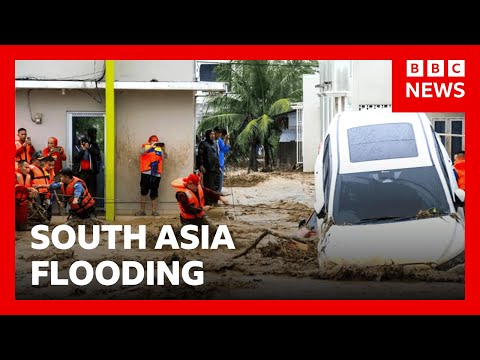
Death toll rises after floods across South East Asia | BBC News
0
林宜悉 posted on 2025/12/02Wow, devastating floods have hit South East Asia, and this BBC News report dives deep into the crisis! You'll get a real-world look at rescue operations and humanitarian efforts, plus pick up some advanced vocabulary related to natural disasters and their impacts.
Learn this video on the APP!
The VoiceTube App has more in-depth practice for videos!