
access
US /ˈæksɛs/
UK /'ækses/
- Noun (Countable/Uncountable)
- Way to enter a place, e.g. a station or stadium
- The opportunity or right to use something or to see someone.
- Transitive Verb
- To be able to use or have permission to use
A2TOEICMorealtogether
US /ˌɔltəˈɡɛðɚ/
UK /ˌɔ:ltəˈgeðə(r)/
- Adverb
- All things considered
- Completely and entirely, fully
A2Moreanxiety
US /æŋˈzaɪɪti/
UK /æŋ'zaɪətɪ/
- Uncountable Noun
- A feeling of worry, nervousness, or unease about something that might happen, especially when the outcome is uncertain.
B1Morearound the world
US /əˈraʊnd ði wɜrld/
UK /əˈraund ðə wɜː(r)ld/
- Phrase
- In or to many countries.
- In various places throughout the world.
A2Moreas long as
US /æz lɔŋ æz/
UK /æz lɔŋ æz/
- Conjunction
- For the period that; provided that.
- For the length of time that
- Preposition
- On the condition that; providing that.
- Having the same length as.
A1Moreas well as
US /æz wɛl æz/
UK /æz wel æz/
- Adverb
- Also; in addition to
- Preposition
- In addition to; and also.
A1Moreat home
US /æt hom/
UK /æt həum/
- Phrase
- In one's own residence or country.
- Adjective
- Feeling comfortable and relaxed.
at school
US
UK
- Phrase
- Present and attending school.
A1Moreban
US /bæn/
UK /bæn/
- Transitive Verb
- To make something illegal or not allowed
- To prohibit someone from participating in a particular online community or game.
- Noun (Countable/Uncountable)
- Official action preventing something happening
- A prohibition from participating in a particular online community or game.
B1Morebear
US /bɛr/
UK /bɛː/
- Transitive Verb
- To accept (responsibilities or duties)
- To give birth to a child; to produce fruit
- Countable Noun
- Large brown animal with fur that lives in forests
- Someone who expects stock market to fall
A2Morebrick
US /brɪk/
UK /brɪk/
- Countable Noun
- Baked clay block used to build houses, walls
A2Morebully
US /ˈbʊli/
UK /'bʊlɪ/
- Noun (Countable/Uncountable)
- a person who habitually seeks to harm or intimidate those whom they perceive as vulnerable
- A person who uses superior strength or influence to intimidate others.
- Verb (Transitive/Intransitive)
- seek to harm, intimidate, or coerce (someone perceived as vulnerable)
B2Morechildhood
US /ˈtʃaɪldˌhʊd/
UK /ˈtʃaɪldhʊd/
- Uncountable Noun
- The time when you are a child
B1Morecorrelation
US /ˌkɔrəˈleʃən, ˌkɑr-/
UK /ˌkɒrəˈleɪʃn/
- Noun (Countable/Uncountable)
- The relationship between two variables
- A statistical measure that expresses the extent to which two variables are linearly related (meaning they change together at a constant rate).
B1Morecut off
US /kʌt ɔf/
UK /kʌt ɔf/
- Phrasal Verb
- To end a process, e.g. a phone call
- To cut the end of something
- Transitive Verb
- To isolate or prevent access to a place or person.
- To interrupt someone while they are speaking.
A1Moredatum
US /ˈdetəm, ˈdætəm, ˈdɑtəm/
UK /ˈdeɪtəm/
- Noun
- Item of factual information
B1Moredebate
US / dɪˈbet/
UK /dɪ'beɪt/
- Noun (Countable/Uncountable)
- General public discussion of a topic
- A formal event where two sides discuss a topic
- Verb (Transitive/Intransitive)
- To consider options before making a decision
- To take part in a formal discussion
A2TOEICMoredistract
US /dɪˈstrækt/
UK /dɪ'strækt/
- Transitive Verb
- To draw someone's attention away from something
B1TOEICMoreelement
US /ˈɛləmənt/
UK /'elɪmənt/
- Noun (Countable/Uncountable)
- Essential or particular part of something
- A substance that cannot be broken down into simpler substances by chemical means.
A2TOEICMoreepisode
US /ˈɛpɪˌsod/
UK /'epɪsəʊd/
- Noun
- One separate event in a series of events
- Show which is part of a larger story
B1TOEICMoreexperiment
US /ɪkˈspɛrəmənt/
UK /ɪk'sperɪmənt/
- Noun (Countable/Uncountable)
- Test performed to assess new ideas or theories
- A course of action tentatively adopted without being sure of the eventual outcome.
- Verb (Transitive/Intransitive)
- To create and perform tests to research something
- To try something new that you haven't tried before
A2TOEICMorefeel like
US
UK
- Intransitive Verb
- To have a desire or inclination for something.
- To have a particular quality or sensation; resemble.
A1Moreflick
US /flɪk/
UK /flɪk/
- Transitive Verb
- To hit something with your finger to move it
- To move a button, switch from on, off positions
- Noun
- Hitting something with your finger to move it
B1Morefor example
US
UK
- Phrase
- As an illustration or instance.
for instance
US /fɔr ˈɪnstəns/
UK /fɔ: ˈinstəns/
- Adverb
- As an example.
- Phrase
- As an example.
- As an illustration or case in point
B1Moreforce in
US /fɔrs ɪn/
UK /fɔ:rs ɪn/
- other
- To enter a place by applying physical force.
B2Moregeneration
US /ˌdʒɛnəˈreʃən/
UK /ˌdʒenəˈreɪʃn/
- Noun (Countable/Uncountable)
- Act or process of producing or causing something
- People born and living at about the same time
A2TOEICMorego on
US /ɡo ɑn/
UK /ɡəu ɔn/
- Phrasal Verb
- To continue doing something
- To happen (usually negative)
- Interjection
- Used to encourage someone
A1Moregoing on
US /ˈɡoɪŋ ɑn/
UK /ˈgəʊɪŋ ɔn/
- Phrasal Verb
- To continue doing something
- To happen (usually negative)
A1Morehave to
US /hæv tu/
UK /ˈhæv tə/
- Auxiliary Verb
- Must do
A1Morein a box
US /ɪn ə bɑks/
UK /ɪn ə bɒks/
- other
- Contained or confined inside a box or small space.
B2Morein power
US /ɪn ˈpaʊɚ/
UK /in ˈpauə/
- Adjective
- Having control of a country or organization.
- Phrase
- During a period of holding authority or control.
B1Morein school
US /ɪn skul/
UK /ɪn sku:l/
- other
- Attending an educational institution.
A1Morein the world
US /ɪn ði wɜrld/
UK /in ðə wɜː(r)ld/
- Phrase
- Used to emphasize a question expressing surprise, confusion, disbelief
- Used to indicate the extent or degree of something, often in a superlative sense
A1Morein touch
US /ɪn tʌtʃ/
UK /in tʌtʃ/
- Adjective
- Having contact or communication with someone.
- Aware of or informed about something.
B1Moreknow about
US /noʊ əˈbaʊt/
UK /nəʊ əˈbaut/
- Phrasal Verb
- To have information or understanding of a subject or situation.
legislation
US /ˌlɛdʒɪˈsleʃən/
UK /ˌledʒɪsˈleɪʃn/
- Uncountable Noun
- Act or process of writing and passing laws
B1Morelike crack
US /laɪk kræk/
UK /laɪk kræk/
- other
- Very fast or with great energy and intensity.
C1Morelike new
US /laɪk nu/
UK /laɪk nju:/
- other
- In very good, almost perfect condition as if unused.
A2Morelimit
US /ˈlɪmɪt/
UK /'lɪmɪt/
- Noun (Countable/Uncountable)
- Point beyond which it is not possible to go
- A line or edge marking the boundary of an area.
- Transitive Verb
- To stop or prevent an increase past a point
A2TOEICMorelook at
US /lʊk æt/
UK /luk æt/
- Phrasal Verb
- To use your eyes to focus on something
- To focus your eyes on something carefully
A1Moremake of
US /mek ʌv/
UK /meik ɔv/
- Phrasal Verb
- To understand or have an opinion about something
- To create or produce something from a particular material
A1Moremaking waves
US
UK
- Verb (Transitive/Intransitive)
- To cause problems or difficulties.
- To attract a lot of attention; to be noticed.
B1Moremental
US /ˈmɛntl/
UK /ˈmentl/
- Adjective
- Concerning the mind
A2TOEICMoremobile
US /ˈmoʊbl/
UK /'məʊbaɪl/
- Adjective
- Able to be moved or able to move
- Able to move easily from one job, place, or social class to another.
- Countable Noun
- Personal phone you take with you wherever you go
- A decorative structure that is suspended so as to turn freely in the air.
B1Moremount
US /maʊnt/
UK /maʊnt/
- Transitive Verb
- To attach something to something else
- To set a picture, jewel etc. in
- Noun
- An attachment used to keep something in place
- Horse that someone is riding
B2Moreof age
US /əv eɪdʒ/
UK /əv eɪdʒ/
- other
- Having reached the legal age of adulthood.
A2Moreof course
US /ʌv kɔː(r)s/
UK /ɔv kɔː(r)s/
- Adverb
- Sure ; Certainly
- Phrase
- For sure; certainly
A2Moreon the internet
US
UK
- Phrase
- Located or available on the internet.
- Using the internet as a medium or platform.
A1Moreon the news
US
UK
- Phrase
- Reported or broadcasted as part of a news program.
A1Moreopinion
US /əˈpɪnjən/
UK /əˈpɪnjən/
- Noun
- Court judge's statement why a decision was made
- A person's thoughts on a topic
A2TOEICMorepause
US /pɔz/
UK /pɔ:z/
- Verb (Transitive/Intransitive)
- To stop doing for a while before continuing
- To temporarily interrupt the execution of a program or process.
- Noun (Countable/Uncountable)
- A temporary break before continuing
- Function on a device to stop and restart it
A2Morepersonal data
US
UK
- Noun (Countable/Uncountable)
- Information that relates to an identifiable individual.
B2Morephone in
US /foʊn ɪn/
UK /fəʊn ɪn/
- other
- Call someone by phone, often to report or notify remotely.
B2Morerather than
US
UK
- Adverb
- More exactly; more correctly
- Preferably; instead
- Preposition
- Instead of
A1Morereception
US /rɪˈsɛpʃən/
UK /rɪˈsepʃn/
- Noun (Countable/Uncountable)
- Front desk area of an organization or building
- Party occurring after an event it celebrates
B1TOEICMoreresist
US /rɪˈzɪst/
UK /rɪ'zɪst/
- Verb (Transitive/Intransitive)
- To not be affected by e.g. a force or an effect
- To fight or prevent something from happening
A2TOEICMorerun by
US
UK
- Phrasal Verb
- To be managed or controlled by someone or a group.
- To show or tell something to someone briefly to get their opinion or approval.
A1Moresee in
US /si ɪn/
UK /si: in/
- Phrasal Verb
- To accompany someone to the entrance of a building or room.
A1Moreslightly
US /ˈslaɪtli/
UK /ˈslaɪtli/
- Adverb
- Only a little
B1Moresolid
US /ˈsɑlɪd/
UK /'sɒlɪd/
- Adjective
- Being able to be trusted; reliable
- Substance that is hard or of fixed shape
- Noun
- Something firm or hard; not gas or liquid
A2Morestay away
US /ste əˈwe/
UK /stei əˈwei/
- Phrasal Verb
- To keep a distance from something or someone; to avoid approaching.
- To remain absent from a place or event.
C2Morestrict
US /strɪkt/
UK /strɪkt/
- Adjective
- Tending to enforce rules; severe
- (Of orders) that must be obeyed
A2Moretalking about
US
UK
- Phrasal Verb
- To discuss a particular topic.
- To be constantly mentioning or bringing up a subject.
A1Morethink about
US /θɪŋk əˈbaʊt/
UK /θiŋk əˈbaut/
- Phrasal Verb
- To consider something carefully.
- To remember or call to mind.
A1Moreto hand
US
UK
- Transitive Verb
- To give or pass something to someone using your hand.
- To offer assistance or help.
A1Moretransformation
US /ˌtrænsfərˈmeɪʃn/
UK /ˌtrænsfəˈmeɪʃn/
- Noun (Countable/Uncountable)
- A complete change in shape or form of something
C2Moreultimately
US /ˈʌltəmɪtli/
UK /ˈʌltɪmətli/
- Adverb
- Done or considered as the final and most important
- Fundamentally; at the most basic level.
B1TOEICMoreused to
US /juzd tu/
UK /ˈju:st tə/
- Adjective
- Did regularly before, but don't do now
- Auxiliary Verb
- Have done before, but do not do now
A1Moreverification
US /ˌvɛrəfɪˈkeʃən/
UK /ˌverɪfɪ'keɪʃn/
- Noun (Countable/Uncountable)
- Confirmation of the truth or accuracy of something
B2Morewhip out
US
UK
- Phrasal Verb
B1More
Vocabulary
- talking about: To discuss a particular topic.
- feel like: To have a desire or inclination for something.
- in the world: Used to emphasize a question expressing surprise, confusion, disbelief
- have to: Must do
- know about: To have information or understanding of a subject or situation.
- around the world: In or to many countries.
- as well as: Also; in addition to
- rather than: More exactly; more correctly
- at school: Present and attending school.
- for example: As an illustration or instance.
- at home: In one's own residence or country.
- of age: Having reached the legal age of adulthood.
- as long as: For the period that; provided that.
- make of: To understand or have an opinion about something
- go on: To continue doing something
- on the news: Reported or broadcasted as part of a news program.
- think about: To consider something carefully.
- to hand: To give or pass something to someone using your hand.
- force in: To enter a place by applying physical force.
- in power: Having control of a country or organization.
- going on: To continue doing something
- used to: Did regularly before, but don't do now
- in school: Attending an educational institution.
- cut off: To end a process, e.g. a phone call
- making waves: To cause problems or difficulties.
- look at: To use your eyes to focus on something
- for instance: As an example.
- on the internet: Located or available on the internet.
- see in: To accompany someone to the entrance of a building or room.
- stay away: To keep a distance from something or someone; to avoid approaching.
- whip out
- personal data: Information that relates to an identifiable individual.
- run by: To be managed or controlled by someone or a group.
- like new: In very good, almost perfect condition as if unused.
- like crack: Very fast or with great energy and intensity.
- phone in: Call someone by phone, often to report or notify remotely.
- in a box: Contained or confined inside a box or small space.
- in touch: Having contact or communication with someone.
- of course: Sure ; Certainly
- ultimately: Done or considered as the final and most important
- anxiety: A feeling of worry, nervousness, or unease about something that might happen, especially when the outcome is uncertain.
- episode: One separate event in a series of events
- mental: Concerning the mind
- access: Way to enter a place, e.g. a station or stadium
- slightly: Only a little
- debate: General public discussion of a topic
- evidence: Factual proof that helps to establish the truth
- term: Conditions applying to an agreement, contract
- experiment: Test performed to assess new ideas or theories
- solid: Being able to be trusted; reliable
- distract: To draw someone's attention away from something
- amount: Quantity of something
- opinion: Court judge's statement why a decision was made
- correlation: The relationship between two variables
- bit: Device put in a horse's mouth to control it
- strict: Tending to enforce rules; severe
- resist: To not be affected by e.g. a force or an effect
- pause: To stop doing for a while before continuing
- account: An advantage
- pretty: Being attractive to the eye in a simple way
- introduce: To open an essay to set the scene
- generation: Act or process of producing or causing something
- element: Essential or particular part of something
- leave: To go away from; depart
- social: Involving activity with people, e.g. in free time
- digital: Using electronic signals or computers
- bear: To accept (responsibilities or duties)
- altogether: All things considered
- lot: What happens to a person in life from chance; fate
- bully: a person who habitually seeks to harm or intimidate those whom they perceive as vulnerable
- limit: Point beyond which it is not possible to go
- brick: Baked clay block used to build houses, walls
- legislation: Act or process of writing and passing laws
- kind: In a caring and helpful manner
- ever: At any time; at all times in the future
- manage: To survive hardships and difficulties; to cope
- government: Group of people and system that rule a nation
- reception: Front desk area of an organization or building
- ban: To make something illegal or not allowed
- mobile: Able to be moved or able to move
- flick: To hit something with your finger to move it
- mount: To attach something to something else
- childhood: The time when you are a child
- datum: Item of factual information
- transformation: A complete change in shape or form of something
- verification: Confirmation of the truth or accuracy of something
Get the full experience in the app
Learn anywhere with detailed sentence and usage analysis
01:03
She took a brave step forward, leaving behind her comfort zone to chase her dreams.
Vocabulary
- brave
adj. Having courage
- comfort zone
phr. A familiar situation where one feels safe
Explanation
a brave step is a noun phrase, where brave is an adjective modifying the noun step, meaning "a courageous step".
forward is an adverb modifying step, meaning "ahead".
The whole phrase serves as the object, answering the "what" of took (verb) — she took a brave step forward.
Get the full experience in the app
Look up words anytime with pronunciation, part of speech, and usage
brave
US/brev/
UK/breɪv/
adj.Brave
v.t.To bravely face
A2 Elementary
Get the full experience in the app
Practice speaking anytime and get instant pronunciation feedback
Try this speaking exercise.
Try practicing with this sentence.
80
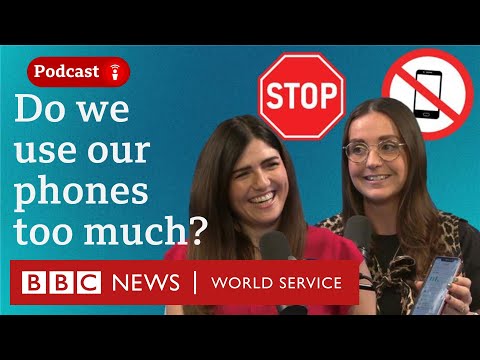
Bans on social media and phones: what's the evidence? - What in the World podcast, BBC World Service
0
王可欣 posted on 2025/12/02Ever wondered if banning phones and social media actually works for teens? This episode of BBC's 'What in the World' dives into the evidence behind these bans, exploring everything from school policies to age verification tech. You'll pick up advanced vocabulary on screen time and teen mental health while learning about real-world debates!
Learn this video on the APP!
The VoiceTube App has more in-depth practice for videos!