
abuse
US /əˈbjuz/
UK /ə'bju:s/
- Transitive Verb
- To mistreat or be cruel towards someone
- To use in an inappropriate or excessive way
- Noun (Countable/Uncountable)
- Improper/dishonest/excessive use of something
- Insulting someone, e.g. by swearing at them
A2TOEICMoreaid
US /ed/
UK /eɪd/
- Transitive Verb
- To help others and provide things
- Noun (Countable/Uncountable)
- Action of giving help to others
- Money or help given to those who need it
A2TOEICMoreammunition
US /ˌæmjəˈnɪʃən/
UK /ˌæmjuˈnɪʃn/
- Uncountable Noun
- Supply of bullets, etc. that are fired from guns
B2Moreapart from
US /əˈpɑrt frʌm/
UK /əˈpɑ:t frɔm/
- Preposition
- Except for; not considering
- In addition to; as well as
beat
US /bit/
UK /bi:t/
- Intransitive Verb
- To move in regular motions in order to push blood
- Transitive Verb
- To strike or hit repeatedly and with great force
- To mix ingredients together with a fork or machine
A2Morebreathe
US /brið/
UK /bri:ð/
- Verb (Transitive/Intransitive)
- To move air into and out of your lungs
- To say something very softly
A2Morebrutal
US /ˈbrutl/
UK /'bru:tl/
- Adjective
- Extremely violent or mean
B1Morebrutality
US /bruˈtælɪti/
UK /bru:'tælətɪ/
- Uncountable Noun
- Extremely mean or violent act or treatment
B1Moreburden
US /ˈbɚdn/
UK /'bɜ:dn/
- Transitive Verb
- To weigh down with a load; impose a task upon
- Noun (Countable/Uncountable)
- Something difficult to do, manage, or accept
- Something that is carried with difficulty; an oppressive load.
B1Morecapture
US /ˈkæptʃɚ/
UK /'kæptʃə(r)/
- Transitive Verb
- To attract and hold e.g. interest, attention
- To record, tape, or film something
- Noun
- The act of seizing or taking control of something.
B1Morechaos
US /ˈkeˌɑs/
UK /'keɪɒs/
- Noun (plural)
- State of utter confusion or disorder
- Uncountable Noun
- Complete disorder and confusion.
- Behavior so unpredictable as to appear random, owing to great sensitivity to small changes in conditions.
B1Morecheckpoint
US /ˈtʃɛkˌpɔɪnt/
UK /ˈtʃekpɔɪnt/
- Noun
- Place where a traveler's ID is checked
C2Morecivil
US /ˈsɪvəl/
UK /ˈsɪvl/
- Adjective
- Of citizens of a country; not military, criminal
- Acting in a polite, but not truly friendly manner
B1Moreconflict
US /ˈkɑnˌflɪkt/
UK /'kɒnflɪkt/
- Noun (Countable/Uncountable)
- Argument or struggle between two or more parties
- A serious disagreement or argument.
- Verb (Transitive/Intransitive)
- To have opposite ideas; to disagree; To not match
A2Moredeny
US /dɪˈnaɪ/
UK /dɪ'naɪ/
- Transitive Verb
- To refuse to allow or accept something
A2TOEICMoredesert
US /ˈdɛzət/
UK /'dezət/
- Transitive Verb
- To leave a place for ever; abandon
- To leave when one is needed or expected to stay
- Noun (Countable/Uncountable)
- Bare area of land, often with few plants and water
- A punishment or reward that is deserved.
A2Moredetention
US /dɪˈtɛnʃən/
UK /dɪ'tenʃn/
- Uncountable Noun
- Act of keeping someone in jail or similar
B2Morediabetes
US /ˌdaɪəˈbitɪs, -tiz/
UK /ˌdaɪəˈbi:ti:z/
- Noun (Countable/Uncountable)
- Illness where there is too much sugar in the blood
- A form of diabetes, usually diagnosed in children and young adults, in which the body does not produce insulin.
B2Moreescape
US /ɪˈskep/
UK /ɪ'skeɪp/
- Noun (Countable/Uncountable)
- Act to briefly ignoring boring or bad things
- The 'esc key' on a keyboard
- Verb (Transitive/Intransitive)
- To avoid something undesirable, dangerous or bad
- To get away from a place where you are being kept
A2Moreflee
US /fli/
UK /fli:/
- Intransitive Verb
- To leave somewhere urgently, to avoid danger
B1Moreget here
US
UK
- Intransitive Verb
- To arrive at a specific location.
A1Moregrandmother
US /ˈɡrændˌmʌðɚ, ˈɡræn-/
UK /ˈgrænmʌðə(r)/
- Noun
- Your mother or father's mother
B2Moreidentify
US /aɪˈdɛntəˌfaɪ/
UK /aɪ'dentɪfaɪ/
- Transitive Verb
- To indicate who or what someone or something is
- To say exactly what something is
B1TOEICMorein the west
US
UK
- Phrase
- Located in or towards the west.
- Located in the western part of a country or region.
A1Moreindividual
US /ˌɪndəˈvɪdʒuəl/
UK /ˌɪndɪˈvɪdʒuəl/
- Countable Noun
- Single person, looked at separately from others
- A single thing or item, especially when part of a set or group.
- Adjective
- Made for use by one single person
- Having a distinct manner different from others
A2Moreinvestigate
US /ɪnˈvɛstɪˌɡet/
UK /ɪn'vestɪɡeɪt/
- Verb (Transitive/Intransitive)
- To try to find out facts; to carry out research
A2Moremove around
US /muv əˈraʊnd/
UK /mu:v əˈraund/
- Phrasal Verb
- To change position or location; to go from place to place.
- Intransitive Verb
- To spread or circulate (e.g., information, rumors).
neighborhood
US /ˈnebɚˌhʊd/
UK /'neɪbəhʊd/
- Noun (Countable/Uncountable)
- Area of a town or city that people live in
- People who live in a particular area
- Adjective
- Relating to a neighborhood.
B1Morenerve
US /nɚv/
UK /nə:v/
- Noun (Countable/Uncountable)
- Fibers in the body that enable feeling, movement
- Courage to do something that is difficult or risky
- Verb (Transitive/Intransitive)
- To summon one's courage; brace oneself.
A2Morepanic
US /ˈpænɪk/
UK /'pænɪk/
- Uncountable Noun
- Overwhelming feeling of fear and anxiety
- Intransitive Verb
- To feel sudden anxiety and fear and cannot think
B1Morerebel
US / rɪˈbɛl/
UK /'rebl/
- Noun (Countable/Uncountable)
- Person who fights against established government
- Person who insists on doing things their way
- Verb (Transitive/Intransitive)
- To fight against an established government/power
- To resist and fight against existing authority
B1Morerecruit
US /rɪˈkrut/
UK /rɪ'kru:t/
- Countable Noun
- Person who has just joined the military
- Person who has just begun a new activity or job
- Transitive Verb
- To convince and help people to join the military
- To find new employees, volunteers or members
B1TOEICMorerefuge
US /ˈrɛfjudʒ/
UK /'refju:dʒ/
- Noun
- Somewhere you can find safety or hide
B2Morescar
US /skɑr/
UK /skɑ:(r)/
- Noun (Countable/Uncountable)
- Long lasting emotional pain from a bad experience
- A mark on something made by scratching it
- Transitive Verb
- To cause long lasting emotional pain
- To leave a mark on something by scratching it
B1Morescatter
US /ˈskætɚ/
UK /'skætə(r)/
- Verb (Transitive/Intransitive)
- To throw or move into various different directions
- Transitive Verb
- To place or leave things in various places
B2Moreseparate
US /'sepəreɪt/
UK /'sepəreɪt/
- Adjective
- Being different from or unrelated to another
- Not connected; different.
- Transitive Verb
- To divide two things by being in between them
- To move things away from each other
A2TOEICMoreset up
US /sɛt ʌp/
UK /set ʌp/
- Phrasal Verb
- To make arrangements for something; establish
- Verb (Transitive/Intransitive)
- To arrange or prepare something for use.
- To start a business, organization, etc.
A1Moresiege
US /sidʒ/
UK /si:dʒ/
- Noun
- Surrounding an enemy to prevent them getting food
C2TOEICMorestand apart
US
UK
- Phrasal Verb
- To be noticeably different or better than others.
B1Morestronghold
US /ˈstrɔŋˌhold/
UK /ˈstrɔ:ŋˌhəʊld/
- Noun
- Castle, fort etc. place that is fortified or secure
C2Moresuffer
US / ˈsʌfɚ/
UK /'sʌfə(r)/
- Verb (Transitive/Intransitive)
- To experience pain, illness, or injury
- To allow or permit something, especially something unpleasant.
A2Moreterritory
US /ˈtɛrɪˌtɔri, -ˌtori/
UK /'terətrɪ/
- Noun (Countable/Uncountable)
- Area of land defended by an animal
- Area of particular knowledge or experience
B1TOEICMoreupset
US /ʌpˈsɛt/
UK /ʌpˈset/
- Adjective
- (Of stomach, etc.) not functioning well; sick
- Troubled, worried, or angry
- Transitive Verb
- To turn upside down or on its side
- To trouble, worry, or anger someone
A2Moreusher
US /ˈʌʃɚ/
UK /ˈʌʃə(r)/
- Noun
- One who leads you to your seat, as in a theater
- Transitive Verb
- To serve as a leader or guide
B2Moreviolence
US /ˈvaɪələns/
UK /ˈvaɪələns/
- Uncountable Noun
- Strong physical force of nature
- Use of physical force to harm someone
B1Morewidespread
US /ˈwaɪdˈsprɛd/
UK /ˈwaɪdspred/
- Adjective
- Happening or existing in many places
A2TOEICMore
Vocabulary
- in the west: Located in or towards the west.
- move around: To change position or location; to go from place to place.
- get here: To arrive at a specific location.
- set up
- apart from: Except for; not considering
- stand apart: To be noticeably different or better than others.
- individual: Single person, looked at separately from others
- panic: Overwhelming feeling of fear and anxiety
- diabetes: Illness where there is too much sugar in the blood
- conflict: Argument or struggle between two or more parties
- chaos: State of utter confusion or disorder
- identify: To indicate who or what someone or something is
- territory: Area of land defended by an animal
- separate: Being different from or unrelated to another
- burden: To weigh down with a load; impose a task upon
- brutal: Extremely violent or mean
- escape: Act to briefly ignoring boring or bad things
- abuse: To mistreat or be cruel towards someone
- suffer: To experience pain, illness, or injury
- upset: (Of stomach, etc.) not functioning well; sick
- rebel: Person who fights against established government
- widespread: Happening or existing in many places
- aid: To help others and provide things
- capture: To attract and hold e.g. interest, attention
- deny: To refuse to allow or accept something
- empty: Containing nothing; with no contents
- beat: To move in regular motions in order to push blood
- nerve: Fibers in the body that enable feeling, movement
- flee: To leave somewhere urgently, to avoid danger
- civil: Of citizens of a country; not military, criminal
- fall: Season after summer and before winter; Autumn
- recruit: Person who has just joined the military
- investigate: To try to find out facts; to carry out research
- violence: Strong physical force of nature
- detention: Act of keeping someone in jail or similar
- desert: To leave a place for ever; abandon
- scar: Long lasting emotional pain from a bad experience
- manage: To survive hardships and difficulties; to cope
- control: A device designed to operate a machine
- continue: To do something without stopping, or after pausing
- breathe: To move air into and out of your lungs
- ammunition: Supply of bullets, etc. that are fired from guns
- refuge: Somewhere you can find safety or hide
- brutality: Extremely mean or violent act or treatment
- neighborhood: Area of a town or city that people live in
- drive: A person's ambition and motivation to do something
- afraid: Worried that something bad will happen; scared
- scatter: To throw or move into various different directions
- great: Very good; better than before
- find: To become aware of something that is happening
- usher: One who leads you to your seat, as in a theater
- siege: Surrounding an enemy to prevent them getting food
- hold: To agree to keep something for someone
- travel: To go to a place that is far away
- country: An area of land that is controlled by a government
- lose: To be unable to keep in check or control something
- stay: To keep trying without giving up
- international: Of or relating to several countries
- stronghold: Castle, fort etc. place that is fortified or secure
- grandmother: Your mother or father's mother
- checkpoint: Place where a traveler's ID is checked
Get the full experience in the app
Learn anywhere with detailed sentence and usage analysis
01:03
She took a brave step forward, leaving behind her comfort zone to chase her dreams.
Vocabulary
- brave
adj. Having courage
- comfort zone
phr. A familiar situation where one feels safe
Explanation
a brave step is a noun phrase, where brave is an adjective modifying the noun step, meaning "a courageous step".
forward is an adverb modifying step, meaning "ahead".
The whole phrase serves as the object, answering the "what" of took (verb) — she took a brave step forward.
Get the full experience in the app
Look up words anytime with pronunciation, part of speech, and usage
brave
US/brev/
UK/breɪv/
adj.Brave
v.t.To bravely face
A2 Elementary
Get the full experience in the app
Practice speaking anytime and get instant pronunciation feedback
Try this speaking exercise.
Try practicing with this sentence.
80
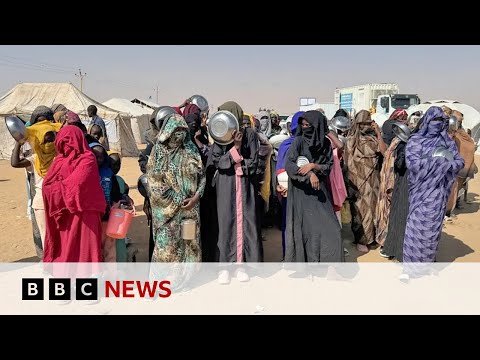
BBC speaks to victims of Sudan conflict | BBC News
0
林宜悉 posted on 2025/12/01Dive into the powerful stories of survivors from the Sudan conflict in this impactful BBC News report. You'll gain deep cultural understanding and learn advanced vocabulary related to war crimes and displacement, all while following a compelling narrative.
Learn this video on the APP!
The VoiceTube App has more in-depth practice for videos!