
a blanket of
US
UK
- Phrase
- A thick layer or covering of something.
- Something that covers or affects everything or everyone in a place or group.
A1Moreadvice
US /əd'vaɪs/
UK /ədˈvaɪs/
- Uncountable Noun
- Suggestion about what would help someone
- Professional guidance from a lawyer or legal expert.
A2TOEICMoreapproach
US /əˈprəʊtʃ/
UK /ə'prəʊtʃ/
- Verb (Transitive/Intransitive)
- To get close to reaching something or somewhere
- To request someone to do something specific
- Noun (Countable/Uncountable)
- Means of reaching a place, often a road or path
- Request of someone with a specific goal in mind
A2TOEICMoreback out
US /bæk aʊt/
UK /bæk aut/
- Phrasal Verb
- To say you will now not do something you promised
A1Moreblanket
US /ˈblæŋkɪt/
UK /'blæŋkɪt/
- Countable Noun
- Piece of cloth you covers yourself with in bed
- Transitive Verb
- To cover something completely so it cannot be seen
A2TOEICMorebring in
US /brɪŋ ɪn/
UK /briŋ in/
- Phrasal Verb
- To earn a certain amount of money or profits
- To add person into existing group, e.g. phone call
A1Morecause
US /kɔz/
UK /kɔ:z/
- Noun
- Belief, goal or organization that people support
- Reason for
- Transitive Verb
- To make something happen; create effect or result
A2Moreclose out
US /kloz aʊt/
UK /kləuz aut/
- Phrasal Verb
- To sell off or eliminate remaining items or inventory, often at discounted prices.
- To terminate or offset an existing financial position or trade.
A1Moreconcern
US /kənˈsɚn/
UK /kənˈsɜ:n/
- Verb (Transitive/Intransitive)
- To be about a particular topic
- To have a direct impact on someone
- Noun (Countable/Uncountable)
- Company, firm or business
- Feeling of worry or anxiety
A2TOEICMoreconnected with
US
UK
- Phrase
- Related to; associated with.
- Involved with; having a relationship with.
- Phrasal Verb
- Was associated or linked to someone or something.
- Felt understanding or empathy with someone or something.
B1Morecoordinator
US /koʊ'ɔ:dənˌeɪtə/
UK /kəʊ'ɔ:dɪneɪtə/
- Noun
- Someone tasked to see that work goes harmoniously
B1Moredepending on
US
UK
- Phrasal Verb
- To rely on for support (financial or emotional)
- Influenced or determined by.
- Preposition
- Subject to; contingent on
- Relying on someone or something for support or assistance.
A2Moreemergency
US /ɪˈmɚdʒənsi/
UK /ɪ'mɜ:dʒənsɪ/
- Noun (Countable/Uncountable)
- Sudden event needing an immediate action
- A medical condition manifesting itself by acute symptoms of sufficient severity such that the absence of immediate medical attention could reasonably be expected to result in placing the patient's health in serious jeopardy.
- Adjective
- Used in an emergency; for use when something dangerous happens.
- Designed for use in an emergency.
A2TOEICMoreentire
US /ɛnˈtaɪr/
UK /ɪn'taɪə(r)/
- Adjective
- Complete or full; with no part left out; whole
- Undivided; not shared or distributed.
A2TOEICMorefigure out
US /ˈfɪɡjɚ aʊt/
UK /ˈfiɡə aut/
- Phrasal Verb
- To understand the behavior of someone
- To think through logically to find a solution
- Verb (Transitive/Intransitive)
- To understand or find an answer to something.
- To find a solution to a problem or understand something.
A1Morefor example
US
UK
- Phrase
- As an illustration or instance.
have on
US /hæv ɑn/
UK /hæv ɔn/
- Phrasal Verb
- To be wearing something.
- To deceive or trick someone, often in a playful way.
A1Morehave to
US /hæv tu/
UK /ˈhæv tə/
- Auxiliary Verb
- Must do
A1Moreimpact
US /ˈɪmˌpækt/
UK /'ɪmpækt/
- Noun
- A striking effect or result to hit with force
- Act or force of one thing hitting something else
- Verb (Transitive/Intransitive)
- To hit or strike someone or something with force
- To have a strong effect on someone or something.
A2TOEICMorein full force
US /ɪn fʊl fɔrs/
UK /in ful fɔ:s/
- Phrase
- With maximum power or intensity.
- With all members present or active.
in general
US /ɪn ˈdʒɛnərəl/
UK /in ˈdʒenərəl/
- Phrase
- Typically; usually; on the whole.
- Not specific or detailed; broadly.
- Adjective
- Not detailed or specific; overall.
C2Moreinclement
US /ɪnˈklɛmənt/
UK /ɪnˈklemənt/
- Adjective
- (Of weather) bad; unpleasant; wet or cold
C2TOEICMorelook at
US /lʊk æt/
UK /luk æt/
- Phrasal Verb
- To use your eyes to focus on something
- To focus your eyes on something carefully
A1Moremanagement
US /ˈmænɪdʒmənt/
UK /'mænɪdʒmənt/
- Noun (Countable/Uncountable)
- People who are in control of a business or group
- Uncountable Noun
- The process of dealing with or controlling things or people.
- The skill of organizing and controlling resources.
A2TOEICMoremention
US /ˈmɛnʃən/
UK /'menʃn/
- Transitive Verb
- To refer to or talk or write about something
- Uncountable Noun
- Act of referring to or talking about something
- A formal acknowledgement of something
A2TOEICMoremidwest
US
UK
- Adjective
- North central region of the United States
B1Moreneighbor
US /ˈnebɚ/
UK /'neɪbə/
- Noun (Countable/Uncountable)
- Person who lives, or is near, you
- A country or area next to another.
- Adjective
- Situated near or next to something.
B1Moreoff guard
US /ɔf ɡɑrd/
UK /ɔf ɡɑ:d/
- Adjective
- In a vulnerable state; not alert or cautious.
- Unprepared for something; surprised.
A2Moreon average
US /ɑn ˈævərɪdʒ/
UK /ɔn ˈævəridʒ/
- Phrase
- Typically; usually; based on an average calculation.
B1Moreon the road
US /ɑn ði rəʊd/
UK /ɔn ðə roʊd/
- Phrase
- Traveling, especially as part of a tour or journey.
- Making progress; advancing towards a goal.
- Idiom
- Making progress towards a goal or achievement.
A1Moreout there
US /aʊt ðɛr/
UK /aut ðɛə/
- Adverb
- In or to a place that is far away
- Existing in the universe
- Adjective
- Unconventional; strange; avant-garde
- Existing or available.
A1Moreovernight
US /ˈovɚˌnaɪt/
UK /ˌəʊvə'naɪt/
- Adverb
- (Becoming famous, etc.) in a short amount of time
- For or during the night
- Adjective
- Lasting or taking place during the night
- Delivered or intended to be delivered on the next day
B1Moreperspective
US /pɚˈspɛktɪv/
UK /pə'spektɪv/
- Noun (Countable/Uncountable)
- Artistic method of creating a sense of distance
- Ability to understand what is important in life
B1TOEICMoreplenty
US /ˈplɛnti/
UK /'plentɪ/
- Pronoun
- When there is not too little of something; a lot
- Uncountable Noun
- A large or sufficient amount or quantity; abundance.
- A lot of something
A2Morepurview
US /ˈpɜ:rvju:/
UK /ˈpɜ:vju:/
- Noun
- Area of authority, knowledge of influence
C1Moreregion
US /ˈridʒən/
UK /'ri:dʒən/
- Noun (Countable/Uncountable)
- Part of a country, of the world, area, etc.
- A part of the body
A2TOEICMoreresponse
US /rɪˈspɑns/
UK /riˈspɔns/
- Noun
- Something said/written as an answer to something
- Reaction to something that has occurred
A2TOEICMoreroadway
US /ˈroʊdweɪ/
UK /ˈrəʊdweɪ/
- Noun
- Road over which vehicles travel
C2Moresemi
US /ˈsɛmaɪ, ˈsɛmi/
UK /ˈsemi/
- Prefix
- A prefix meaning 'half'
- Noun
- House that shares a wall with another house
B1Moreset to
US /sɛt tu/
UK /set tu:/
- Phrasal Verb
- To energetically begin to do, e.g. making a fire
A1Moresevere
US /səˈvɪr/
UK /sɪ'vɪə(r)/
- Adjective
- Very bad; harsh
- (Of clothes, etc.) plain; simple; not decorated
A2TOEICMoreslam
US /slæm/
UK /slæm/
- Transitive Verb
- To criticize sharply
- To shut with a lot of force, making a loud noise
- Noun
- Act or sound of closing a door, etc. violently
B1Moresnow in
US /snoʊ ɪn/
UK /snəu in/
- other
- To be trapped inside due to heavy snowfall blocking exits.
B2Moresnowfall
US /ˈsnoˌfɔl/
UK /ˈsnəʊfɔ:l/
- Uncountable Noun
- Precipitation falling in the form of ice crystals
C2Morestatewide
US /ˈstetˌwaɪd/
UK /ˈsteɪtwaɪd/
- Adverb
- Occurring or extending throughout a state
C1Morestay home
US
UK
- Intransitive Verb
- To remain in one's house or residence.
A1Morestay in
US /ste ɪn/
UK /stei in/
- Phrasal Verb
- To remain inside one's home.
- Intransitive Verb
- To remain as an inpatient in a hospital.
stick
US /stɪk/
UK /stɪk/
- Verb (Transitive/Intransitive)
- To push a sharp or pointed object into something
- To join together using glue or paste
- Countable Noun
- Long thin piece of wood from a tree
A2Morestick around
US /stɪk əˈraʊnd/
UK /stik əˈraund/
- Phrasal Verb
- To remain in place; not leave or go
A2Moretabletop
US /ˈtebəlˌtɑp/
UK /ˈteɪbltɒp/
- Noun
- Top horizontal work surface of a table
C2Moretake it easy
US /tek ɪt ˈizi/
UK /teik it ˈi:zi/
- Phrase
A1Moretornado
US /tɔrˈnedo/
UK /tɔ:'neɪdəʊ/
- Noun
- Violent storm with strong winds
B2Moretransportation
US /ˌtrænspɔ:rˈteɪʃn/
UK /ˌtrænspɔ:ˈteɪʃn/
- Noun (Countable/Uncountable)
- Act of moving people or goods between places
- A system or means of transport, especially public transport.
B1Moreused to
US /juzd tu/
UK /ˈju:st tə/
- Adjective
- Did regularly before, but don't do now
- Auxiliary Verb
- Have done before, but do not do now
A1Morewarren
US /ˈwɔrən, ˈwɑr-/
UK /'wɒrən/
- Noun
- Large network of connecting rabbit burrows
C1More
Vocabulary
- out there: In or to a place that is far away
- on the road: Traveling, especially as part of a tour or journey.
- bring in: To earn a certain amount of money or profits
- have to: Must do
- for example: As an illustration or instance.
- set to: To energetically begin to do, e.g. making a fire
- a blanket of: A thick layer or covering of something.
- look at: To use your eyes to focus on something
- depending on: To rely on for support (financial or emotional)
- close out: To sell off or eliminate remaining items or inventory, often at discounted prices.
- snow in: To be trapped inside due to heavy snowfall blocking exits.
- in full force: With maximum power or intensity.
- back out: To say you will now not do something you promised
- on average: Typically; usually; based on an average calculation.
- stay home: To remain in one's house or residence.
- take it easy
- figure out: To understand the behavior of someone
- stick around: To remain in place; not leave or go
- have on: To be wearing something.
- stay in: To remain inside one's home.
- used to: Did regularly before, but don't do now
- in general: Typically; usually; on the whole.
- off guard: In a vulnerable state; not alert or cautious.
- connected with: Related to; associated with.
- perspective: Artistic method of creating a sense of distance
- sort: To organize things by putting them into groups
- entire: Complete or full; with no part left out; whole
- stick: To push a sharp or pointed object into something
- approach: To get close to reaching something or somewhere
- improve: To make, or become, something better
- impact: A striking effect or result to hit with force
- plenty: When there is not too little of something; a lot
- severe: Very bad; harsh
- expect: To believe something is probably going to happen
- bit: Device put in a horse's mouth to control it
- concern: To be about a particular topic
- advice: Suggestion about what would help someone
- mention: To refer to or talk or write about something
- state: Region within a country, with its own government
- response: Something said/written as an answer to something
- cause: Belief, goal or organization that people support
- region: Part of a country, of the world, area, etc.
- emergency: Sudden event needing an immediate action
- fall: Season after summer and before winter; Autumn
- slam: To criticize sharply
- lot: What happens to a person in life from chance; fate
- blanket: Piece of cloth you covers yourself with in bed
- storm: To act violently or angrily
- catch: Amount of something that has been caught
- transportation: Act of moving people or goods between places
- drive: A person's ambition and motivation to do something
- great: Very good; better than before
- management: People who are in control of a business or group
- possibly: May be true or likely, but is uncertain
- make: To arrange or prepare something e.g. dinner
- prepare: To make something ready for use
- secretary: Office worker who makes appointments, etc.
- overnight: (Becoming famous, etc.) in a short amount of time
- tornado: Violent storm with strong winds
- neighbor: Person who lives, or is near, you
- coordinator: Someone tasked to see that work goes harmoniously
- semi: A prefix meaning 'half'
- warren: Large network of connecting rabbit burrows
- inclement: (Of weather) bad; unpleasant; wet or cold
- snowfall: Precipitation falling in the form of ice crystals
- purview: Area of authority, knowledge of influence
- roadway: Road over which vehicles travel
- midwest: North central region of the United States
- statewide: Occurring or extending throughout a state
- tabletop: Top horizontal work surface of a table
Get the full experience in the app
Learn anywhere with detailed sentence and usage analysis
01:03
She took a brave step forward, leaving behind her comfort zone to chase her dreams.
Vocabulary
- brave
adj. Having courage
- comfort zone
phr. A familiar situation where one feels safe
Explanation
a brave step is a noun phrase, where brave is an adjective modifying the noun step, meaning "a courageous step".
forward is an adverb modifying step, meaning "ahead".
The whole phrase serves as the object, answering the "what" of took (verb) — she took a brave step forward.
Get the full experience in the app
Look up words anytime with pronunciation, part of speech, and usage
brave
US/brev/
UK/breɪv/
adj.Brave
v.t.To bravely face
A2 Elementary
Get the full experience in the app
Practice speaking anytime and get instant pronunciation feedback
Try this speaking exercise.
Try practicing with this sentence.
80
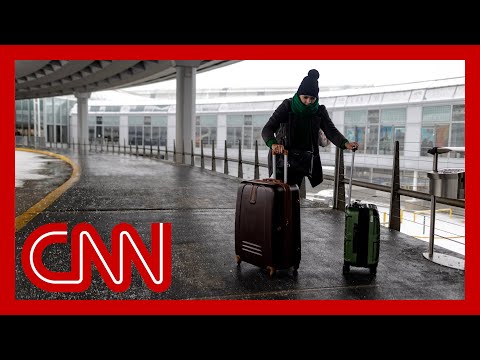
Massive winter storm sweeps the country, causing major Midwest travel delays after Thanksgiving
0
Haer posted on 2025/11/30Brace yourselves for a massive winter storm! This video dives into the chaos of major Midwest travel delays after Thanksgiving, perfect for learning practical vocabulary about weather events and holiday travel disruptions. You'll pick up useful phrases for discussing flight delays and road conditions, making it a super practical listen!
Learn this video on the APP!
The VoiceTube App has more in-depth practice for videos!