
advance
US /ædˈvæns/
UK /əd'vɑ:ns/
- Noun
- Forward movement by an army
- An attempt to seduce someone
- Verb (Transitive/Intransitive)
- (Of an army) to move forward
- To change or improve
A2TOEICMoreaffirm
US /əˈfɚm/
UK /ə'fɜ:m/
- Transitive Verb
- To state, strengthen or support a belief you have
- To show you support or agree
B2Moreanswer to
US
UK
- Phrasal Verb
- To be responsible to someone and have to explain your actions to them.
- To correspond to or match a description or requirement.
A1Moreblink
US /blɪŋk/
UK /blɪŋk/
- Verb (Transitive/Intransitive)
- To close and open one or both of the eyes rapidly
- To shine with a flickering light.
- Noun
- A quick shutting and opening of the eye.
- A brief flash of light.
B1Morecivilization
US /ˌsɪvəlɪˈzeʃən/
UK /ˌsɪvəlaɪ'zeɪʃn/
- Noun (Countable/Uncountable)
- A highly developed society
B2Morecolleague
US /ˈkɑlˌiɡ/
UK /'kɒli:ɡ/
- Noun (Countable/Uncountable)
- Person you work or cooperate with
- A fellow member of a profession
A2Moreconcrete
US /kɑnˈkrit, kɑŋ-, ˈkɑnˌkrit, ˈkɑŋ-/
UK /'kɒŋkri:t/
- Uncountable Noun
- Hard building material made of cement, sand, water
- Transitive Verb
- To cover or make with a hard grey building material
- To lay or cover with concrete.
B1Moreconsensus
US /kənˈsɛnsəs/
UK /kənˈsensəs/
- Noun (Countable/Uncountable)
- A decision that is shared by most of a group
B1Moreconvince
US /kənˈvɪns/
UK /kən'vɪns/
- Transitive Verb
- To persuade someone, or make them feel sure
A2TOEICMorecrust
US /krʌst/
UK /krʌst/
- Noun
- Hard outer layer of something, e.g. the earth
B2Moredirector
US /dɪˈrɛktɚ, daɪ-/
UK /də'rektə(r)/
- Noun
- Senior person who manages part of an organization
- Person who controls the acting in a movie or play
A2TOEICMoreepisode
US /ˈɛpɪˌsod/
UK /'epɪsəʊd/
- Noun
- One separate event in a series of events
- Show which is part of a larger story
B1TOEICMoreevidence of
US
UK
- Phrase
- Facts, objects, or signs that make you believe that something is true.
- Something that shows that something else exists or is true.
A1Morefor long
US
UK
- Phrase
- For a considerable period of time.
- For a significant duration in the future.
A1Morefor now
US /fɔr naʊ/
UK /fɔ: nau/
- Phrase
- Temporarily; for the present time.
- In the short term; for the immediate future.
A1Morefossil
US /ˈfɑsəl/
UK /'fɒsl/
- Noun (Countable/Uncountable)
- Plant or animal that became rock after many years
- A person or thing that is outdated or no longer useful.
- Adjective
- Relating to or resembling a fossil.
- Relating to or denoting energy generated from fossil fuels.
B1Morefraction
US /ˈfrækʃən/
UK /ˈfrækʃn/
- Noun (Countable/Uncountable)
- Small part of something
- A numerical quantity that is not a whole number (e.g., 1/2, 0.5).
B1TOEICMorefrank
US /fræŋk/
UK /fræŋk/
- Proper Noun
- Member of the ancient Germanic peoples
- Person's name
- Transitive Verb
- To stamp envelopes for posting
B2TOEICMorehypothesis
US /haɪˈpɑθɪsɪs/
UK /haɪˈpɒθəsɪs/
- Noun
- A theory trying to explain something
- A supposition or proposed explanation made on the basis of limited evidence as a starting point for further investigation.
B1Moreidiom
US /ˈɪdiəm/
UK /ˈɪdiəm/
- Noun
- Phrase with a special, metaphoric meaning
B2Morein other words
US
UK
- Phrase
- Stating something in a different way, often to make it clearer or more understandable.
institute
US / ˈɪnstɪˌtut, -ˌtjut/
UK /'ɪnstɪtju:t/
- Noun (Countable/Uncountable)
- Organization studying science, engineering etc.
- A short intensive course of instruction, often focusing on a specific topic.
- Transitive Verb
- To start or commence doing, e.g. a business plan
- To establish or start (a system, rule, or course of action).
A2TOEICMorejaw
US /dʒɔ/
UK /dʒɔ:/
- Noun (Countable/Uncountable)
- One of the two bones of the face where teeth grow
- Intransitive Verb
- To talk with a lot of energy for a long time
B1Morekeen
US /kin/
UK /ki:n/
- Adjective
- Being eager or excited for something to happen
- Liking something; wanting to do or have; desiring
- Intransitive Verb
- To make a loud sad cry, as because someone died
B1TOEICMorelayer
US /ˈleɚ/
UK /ˈleiə/
- Noun (Countable/Uncountable)
- One of several sheets of a material or object
- A covering of something spread over a surface.
- Transitive Verb
- To put things one on top of another
B1TOEICMoremethod
US /ˈmɛθəd/
UK /'meθəd/
- Noun (Countable/Uncountable)
- (Organized and planned) way of doing something
- Orderliness of thought, arrangement, or behavior.
A2TOEICMoremysterious
US /mɪˈstɪriəs/
UK /mɪˈstɪəriəs/
- Adjective
- Unusual; hard to understand or work out
A2Moreon earth
US /ɑn ɚθ/
UK /ɔn ə:θ/
- Phrase
- Used to emphasize a question expressing surprise or anger.
- Used to emphasize that something is not possible or will not happen.
A1Moreover to
US
UK
- Preposition
- Used to hand over to someone else to speak
- The responsibility is now yours
personally
US /ˈpəsənəli/
UK /ˈpɜ:sənəli/
- Adverb
- By a specific person, and not by anyone else
- Knowing someone as a friend, or closely
A2Morepick up on
US
UK
- Phrasal Verb
- To notice or become aware of something that is not obvious.
- To learn something by watching or listening to other people.
A1Moreplanet
US /ˈplænɪt/
UK /'plænɪt/
- Noun (Countable/Uncountable)
- One of the bodies that orbit the sun
- A different world or sphere of existence.
- Proper Noun
- The earth.
A2Morepreserve
US /prɪˈzɜ:rv/
UK /prɪˈzɜ:v/
- Transitive Verb
- To cook food so it can be kept for long periods
- To protect something from harm, loss or damage
- Noun (Countable/Uncountable)
- Sweet fruit spread; jam
- Protected area of land with plants and animals
B1TOEICMorepropose
US /prəˈpoz/
UK /prə'pəʊz/
- Transitive Verb
- To make an offer of marriage
- To offer or put forward an idea for consideration
A2TOEICMoreprove
US /pruv/
UK /pru:v/
- Transitive Verb
- To demonstrate truth by providing evidence
- To test the quality or worth of something.
- Intransitive Verb
- To turn out to be; be found to be.
A2TOEICMorequiz
US /kwɪz/
UK /kwɪz/
- Noun (Countable/Uncountable)
- A game in which players answer questions on topics
- Brief spoken or written test, given to students
- Transitive Verb
- To ask a person many questions about something
B1Moreremain
US /rɪˈmen/
UK /rɪˈmeɪn/
- Intransitive Verb
- To be left behind; to continue to exist
- To stay in a place when other people have gone
A2TOEICMorescientific
US /ˌsaɪənˈtɪfɪk/
UK /ˌsaɪənˈtɪfɪk/
- Adjective
- Concerning academic study of the physical world
- Systematic and precise, following a methodology.
- Noun
- Relating to or used in science.
A2Moresuch as
US /sʌtʃ æz/
UK /sʌtʃ æz/
- Preposition
- For example; like
A1Moresuggestion
US /səɡˈdʒɛstʃən, səˈdʒɛs-/
UK /səˈdʒestʃən/
- Noun
- Idea about what someone should do
A2TOEICMoretiny
US /ˈtaɪni/
UK /'taɪnɪ/
- Adjective
- Very, very small
A2Moretrace
US /tres/
UK /treɪs/
- Transitive Verb
- To make an outline to determine a shape
- To find someone or something that has disappeared
- Uncountable Noun
- Very small quantity of something
- A mark or other sign of the former presence or passage of something.
B1Moreused to
US /juzd tu/
UK /ˈju:st tə/
- Adjective
- Did regularly before, but don't do now
- Auxiliary Verb
- Have done before, but do not do now
A1Morevanish
US /ˈvænɪʃ/
UK /'vænɪʃ/
- Intransitive Verb
- To disappear in a sudden and mysterious way
B1Morevocabulary
US /voˈkæbjəˌlɛri/
UK /və'kæbjələrɪ/
- Uncountable Noun
- Words that have to do with a particular subject
- The words that a person knows
B1TOEICMoreworksheet
US
UK
- Noun
- Piece of paper showing work planned or done
C2More
Vocabulary
- on earth: Used to emphasize a question expressing surprise or anger.
- such as: For example; like
- in other words: Stating something in a different way, often to make it clearer or more understandable.
- for long: For a considerable period of time.
- evidence of: Facts, objects, or signs that make you believe that something is true.
- pick up on: To notice or become aware of something that is not obvious.
- answer to: To be responsible to someone and have to explain your actions to them.
- used to: Did regularly before, but don't do now
- over to: Used to hand over to someone else to speak
- for now: Temporarily; for the present time.
- episode: One separate event in a series of events
- evidence: Factual proof that helps to establish the truth
- period: Set amount of time during which events take place
- vocabulary: Words that have to do with a particular subject
- convince: To persuade someone, or make them feel sure
- general: Widespread, normal or usual
- amount: Quantity of something
- method: (Organized and planned) way of doing something
- concrete: Hard building material made of cement, sand, water
- exist: To be present, alive or real
- mysterious: Unusual; hard to understand or work out
- crust: Hard outer layer of something, e.g. the earth
- keen: Being eager or excited for something to happen
- mean: Average of a set of numbers
- hypothesis: A theory trying to explain something
- fraction: Small part of something
- similar: Nearly the same; alike
- remain: To be left behind; to continue to exist
- tiny: Very, very small
- consensus: A decision that is shared by most of a group
- explain: To make clear or easy to understand by describing
- preserve: To cook food so it can be kept for long periods
- idiom: Phrase with a special, metaphoric meaning
- advance: Forward movement by an army
- scientific: Concerning academic study of the physical world
- planet: One of the bodies that orbit the sun
- drop: Distance between a higher and a lower level
- institute: Organization studying science, engineering etc.
- civilization: A highly developed society
- colleague: Person you work or cooperate with
- quiz: A game in which players answer questions on topics
- prove: To demonstrate truth by providing evidence
- layer: One of several sheets of a material or object
- discuss: To talk about seriously or in great detail
- fossil: Plant or animal that became rock after many years
- trace: To make an outline to determine a shape
- personally: By a specific person, and not by anyone else
- lot: What happens to a person in life from chance; fate
- learn: To get knowledge or skills by study or experience
- director: Senior person who manages part of an organization
- argue: To fight or disagree over something
- program: To make someone act or think in a certain way
- blink: To close and open one or both of the eyes rapidly
- wrong: Action that is harmful, unjust or illegal
- jaw: One of the two bones of the face where teeth grow
- propose: To make an offer of marriage
- frank: Member of the ancient Germanic peoples
- vanish: To disappear in a sudden and mysterious way
- suggestion: Idea about what someone should do
- worksheet: Piece of paper showing work planned or done
- affirm: To state, strengthen or support a belief you have
Get the full experience in the app
Learn anywhere with detailed sentence and usage analysis
01:03
She took a brave step forward, leaving behind her comfort zone to chase her dreams.
Vocabulary
- brave
adj. Having courage
- comfort zone
phr. A familiar situation where one feels safe
Explanation
a brave step is a noun phrase, where brave is an adjective modifying the noun step, meaning "a courageous step".
forward is an adverb modifying step, meaning "ahead".
The whole phrase serves as the object, answering the "what" of took (verb) — she took a brave step forward.
Get the full experience in the app
Look up words anytime with pronunciation, part of speech, and usage
brave
US/brev/
UK/breɪv/
adj.Brave
v.t.To bravely face
A2 Elementary
Get the full experience in the app
Practice speaking anytime and get instant pronunciation feedback
Try this speaking exercise.
Try practicing with this sentence.
80
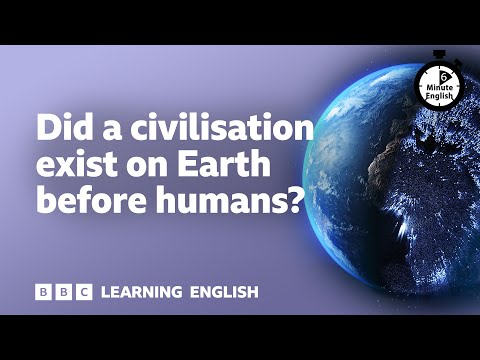
Did a civilisation exist on Earth before humans? ⏲️ 6 Minute English
0
林宜悉 posted on 2025/11/24Ever wondered if another advanced civilization existed on Earth before us? This fascinating 6 Minute English episode dives into the Silurian Hypothesis, exploring what traces might remain and why it's so hard to find them! You'll pick up some fantastic vocabulary related to geology and scientific inquiry along the way.
Learn this video on the APP!
The VoiceTube App has more in-depth practice for videos!