
abstract
US /ˈæbˌstrækt/
UK /'æbstrækt/
- Noun (Countable/Uncountable)
- Passage of text from an article or book
- Something that doesn't exist physically
- Adjective
- Concerning something that doesn't exist physically
- Relating to abstract art.
B1Moreadvanced level
US
UK
- Noun
- A high or complex stage of learning or skill.
- Adjective
- Indicating a high degree of proficiency or expertise.
A2Moreat work
US /æt wɚk/
UK /æt wə:k/
- Phrase
- Located at one's place of employment
A1Morebreak through
US /brek θru/
UK /breik θru:/
- Phrasal Verb
- To move quickly through (wall, etc.) using force
A1Moreclumsy
US /ˈklʌmzi/
UK /'klʌmzɪ/
- Adjective
- Moving or doing things awkwardly
- Tactless and likely to offend.
B2Morecomfort
US /ˈkʌmfət/
UK /'kʌmfət/
- Transitive Verb
- To try to make distressed person feel better
- Uncountable Noun
- Acts or words that reduce pain or sadness
- State of being relaxed, warm or happy
A2Morecontentment
US /kənˈtɛntmənt/
UK /kənˈtentmənt/
- Uncountable Noun
- Satisfaction with your situation in life
B1Moreconversation
US /ˌkɑnvɚˈseʃən/
UK /ˌkɒnvəˈseɪʃn/
- Uncountable Noun
- Talking with other people; discussion or chat
- General communication or interaction.
A2Moredecent
US /ˈdisənt/
UK /ˈdi:snt/
- Adjective
- Being fairly good; acceptable
- Conforming to conventionally accepted standards of behaviour; respectable or moral.
B1Morediminish
US /dɪˈmɪnɪʃ/
UK /dɪˈmɪnɪʃ/
- Verb (Transitive/Intransitive)
- To make something smaller or less important
- To imply someone's reputation is less good
B1Moredissatisfaction
US /dɪsˌsætɪsˈfækʃən/
UK /ˌdɪsˌsætɪsˈfækʃn/
- Uncountable Noun
- Feeling of unhappiness or disapproval
B1Moredo in
US
UK
- Phrasal Verb
- To make completely tired out and exhausted
- To destroy or cause damage to someone
A1Moreexistential
US /ˌɛɡzɪˈstɛnʃəl, ˌɛksɪ-/
UK /ˌegzɪˈstenʃəl/
- Adjective
- Philosophy concerning existence
B2Morefeel like
US
UK
- Intransitive Verb
- To have a desire or inclination for something.
- To have a particular quality or sensation; resemble.
A1Morefeel stuck
US
UK
- Phrase
- To feel unable to progress or change a situation, often leading to frustration or helplessness.
A1Morefigure out
US /ˈfɪɡjɚ aʊt/
UK /ˈfiɡə aut/
- Phrasal Verb
- To understand the behavior of someone
- To think through logically to find a solution
- Verb (Transitive/Intransitive)
- To understand or find an answer to something.
- To find a solution to a problem or understand something.
A1Morefill in
US /fɪl ɪn/
UK /fil in/
- Phrasal Verb
- To put earth in e.g. a hole
- To explain the context so that someone understands
- Verb (Transitive/Intransitive)
- To write or type information in a blank space.
- To temporarily do someone else's job.
A1Morefluency
US /ˈfluːənsi/
UK /ˈflu:ənsi/
- Uncountable Noun
- Ability to do something well and with ease
- Ability to speak or write a language easily
B1TOEICMorefor example
US
UK
- Phrase
- As an illustration or instance.
from memory
US /frəm ˈmɛməri/
UK /frəm ˈmeməri/
- other
- Using only your memory without any help or notes.
B2Moregoing on
US /ˈɡoɪŋ ɑn/
UK /ˈgəʊɪŋ ɔn/
- Phrasal Verb
- To continue doing something
- To happen (usually negative)
A1Moregrammar
US /ˈɡræmɚ/
UK /ˈgræmə(r)/
- Uncountable Noun
- Book describing the syntactic rules of a language
- Rules explaining how words are used in a language
B1Moreimmersion
US /ɪˈmə:ʒən, -ʃən/
UK /ɪˈmɜ:ʒən, -ʃən/
- Uncountable Noun
- Complete mental attention, e.g. when reading
- The act of putting something completely under the surface of a liquid; the state of being completely under the surface of a liquid.
B1Morein the middle of
US
UK
- Phrase
- In the central part or point of something.
- Engaged or occupied with something.
A2Moreinstead of
US /ɪnˈstɛd ʌv/
UK /inˈsted ɔv/
- Preposition
- When one thing is replaced by another
- Adverb
- As a substitute or alternative.
A1Moreintermediate
US /ˌɪntɚˈmidiɪt/
UK /ˌɪntəˈmi:diət/
- Adjective
- Between; in the middle; moderate
- Having some knowledge but not advanced
- Noun (Countable/Uncountable)
- Person with some knowledge but not advanced
- Something that comes between two things in time, place, character, etc.
B1Moremeaningful
US /ˈminɪŋfəl/
UK /'mi:nɪŋfl/
- Adjective
- Having importance; showing someone's intention
- Having importance or value.
A2Moremethod
US /ˈmɛθəd/
UK /'meθəd/
- Noun (Countable/Uncountable)
- (Organized and planned) way of doing something
- Orderliness of thought, arrangement, or behavior.
A2TOEICMoremold
US /mold/
UK /məʊld/
- Noun
- Distinctive type of character or nature
- Fungus growing on old food or in wet dark places
- Transitive Verb
- To influence a person's character or behavior
- To form something into a shape
B1Moremove on
US /muv ɑn/
UK /mu:v ɔn/
- Phrasal Verb
- To decide to change or go to a different place
- To start talking about something different.
A1Morenative
US /ˈnetɪv/
UK /ˈneɪtɪv/
- Noun (Countable/Uncountable)
- Someone from or born in a specific country
- Original inhabitant, e.g. before others
- Adjective
- Caused by natural ability; innate
A2Morenuance
US /ˈnu:ɑ:ns/
UK /ˈnju:ɑ:ns/
- Noun
- Small, not obvious difference in meaning, etc.
B2TOEICMorepassively
US /'pæsɪvlɪ/
UK /'pæsɪvlɪ/
- Adverb
- So as to quietly accept what happens
B1Morepause
US /pɔz/
UK /pɔ:z/
- Verb (Transitive/Intransitive)
- To stop doing for a while before continuing
- To temporarily interrupt the execution of a program or process.
- Noun (Countable/Uncountable)
- A temporary break before continuing
- Function on a device to stop and restart it
A2Morephilosopher
US /fɪˈlɑsəfɚ/
UK /fəˈlɒsəfə(r)/
- Noun (Countable/Uncountable)
- Person studying the meaning of truth and life
- A person who is calm and wise; someone who lives by philosophical principles.
C1Morepractical
US /ˈpræktɪkəl/
UK /ˈpræktɪkl/
- Adjective
- Relating to what is sensible, real or useful
- Relating to experience, action, or practice; not theoretical or ideal.
- Noun
- A practical exam or lesson.
- A person concerned chiefly with the practice of something; a person with practical skills.
A2TOEICMoreprioritize
US /praɪˈɔ:rətaɪz/
UK /praɪˈɒrətaɪz/
- Transitive Verb
- To rank things in importance
B1TOEICMoreprogress
US /ˈprɑɡˌrɛs, -rəs, ˈproˌɡrɛs/
UK /'prəʊɡres/
- Verb (Transitive/Intransitive)
- To move forward or toward a place or goal
- To make progress; develop or improve.
- Uncountable Noun
- Act of moving forward
- The process of improving or developing something over a period of time.
A2TOEICMoreput together
US /pʊt təˈɡɛðɚ/
UK /put təˈɡeðə/
- Phrasal Verb
- To build or assemble something small, e.g. a toy
- To organize or arrange something.
A1Morequark
US /kwɔrk, kwɑrk/
UK /kwɑ:k/
- Noun
- One of the smallest amounts of physical matter
C1Moreroughly
US /ˈrʌflɪ/
UK /ˈrʌfli/
- Adverb
- Approximately; (of numbers) about; around
- In a manner that is violent or not careful
B1Moresolid
US /ˈsɑlɪd/
UK /'sɒlɪd/
- Adjective
- Being able to be trusted; reliable
- Substance that is hard or of fixed shape
- Noun
- Something firm or hard; not gas or liquid
A2Moresplit
US /splɪt/
UK /splɪt/
- Adjective
- No longer married or in a relationship
- (Injured) by cutting it open, as in someone's lip
- Verb (Transitive/Intransitive)
- To become divided or broken along a straight line
- To cause a cut in (lip, etc.)
A2Morestick
US /stɪk/
UK /stɪk/
- Verb (Transitive/Intransitive)
- To push a sharp or pointed object into something
- To join together using glue or paste
- Countable Noun
- Long thin piece of wood from a tree
A2Morestructure
US /ˈstrʌk.tʃɚ/
UK /ˈstrʌk.tʃə/
- Noun (Countable/Uncountable)
- The way in which the parts of a system or object are arranged or organized, or a system arranged in this way
- A building or other man-made object.
- Transitive Verb
- To plan, organize, or arrange the parts of something
A2TOEICMoresurvive
US /sɚˈvaɪv/
UK /sə'vaɪv/
- Intransitive Verb
- To continue to live despite illness or trouble
A2TOEICMoretalking about
US
UK
- Phrasal Verb
- To discuss a particular topic.
- To be constantly mentioning or bringing up a subject.
A1Morethink about
US /θɪŋk əˈbaʊt/
UK /θiŋk əˈbaut/
- Phrasal Verb
- To consider something carefully.
- To remember or call to mind.
A1Moretopic
US /ˈtɑpɪk/
UK /'tɒpɪk/
- Noun (Countable/Uncountable)
- Subject or issue people talk or write about
A2TOEICMoretransform
US /trænsˈfɔrm/
UK /træns'fɔ:m/
- Transitive Verb
- To change the shape completely in a good way
- To convert from one form or substance into another.
C2Moretrap
US /træp/
UK /træp/
- Countable Noun
- Device used for catching animals
- Vehicle pulled by a single horse
- Transitive Verb
- To use a device to catch animals or people
- To hold, e.g. a nerve, so that it cannot move
A2Moretreadmill
US /ˈtrɛdˌmɪl/
UK /ˈtredmɪl/
- Noun
- Boring job, with repetitive tasks
C2Moreutter
US /ˈʌtɚ/
UK /'ʌtə(r)/
- Transitive Verb
- To make a particular sound; speak
- Adjective
- Being complete or total
B2TOEICMorevocabulary
US /voˈkæbjəˌlɛri/
UK /və'kæbjələrɪ/
- Uncountable Noun
- Words that have to do with a particular subject
- The words that a person knows
B1TOEICMorezone
US /zoʊn/
UK /zəʊn/
- Noun
- Area of space designated for a particular use
- Transitive Verb
- To divide an area for a particular reason
B1More
Vocabulary
- feel stuck: To feel unable to progress or change a situation, often leading to frustration or helplessness.
- feel like: To have a desire or inclination for something.
- advanced level: A high or complex stage of learning or skill.
- break through: To move quickly through (wall, etc.) using force
- going on: To continue doing something
- talking about: To discuss a particular topic.
- in the middle of: In the central part or point of something.
- for example: As an illustration or instance.
- at work: Located at one's place of employment
- fill in: To put earth in e.g. a hole
- from memory: Using only your memory without any help or notes.
- instead of: When one thing is replaced by another
- think about: To consider something carefully.
- move on: To decide to change or go to a different place
- do in: To make completely tired out and exhausted
- put together: To build or assemble something small, e.g. a toy
- figure out: To understand the behavior of someone
- stick: To push a sharp or pointed object into something
- mindset: Way someone things about something
- decent: Being fairly good; acceptable
- prioritize: To rank things in importance
- progress: To move forward or toward a place or goal
- native: Someone from or born in a specific country
- vocabulary: Words that have to do with a particular subject
- practical: Relating to what is sensible, real or useful
- structure: The way in which the parts of a system or object are arranged or organized, or a system arranged in this way
- force: Group of persons trained for military action; army
- sense: Certain mental feeling or emotion
- conversation: Talking with other people; discussion or chat
- split: No longer married or in a relationship
- solid: Being able to be trusted; reliable
- express: To send something by fast mail
- sentence: (Of a judge) to decide the punishment of
- roughly: Approximately; (of numbers) about; around
- environment: Natural world in which plants and animals live
- method: (Organized and planned) way of doing something
- abstract: Passage of text from an article or book
- immersion: Complete mental attention, e.g. when reading
- brain: To strike someone forcefully on the head
- mean: Average of a set of numbers
- comfort: To try to make distressed person feel better
- grammar: Book describing the syntactic rules of a language
- fluency: Ability to do something well and with ease
- diminish: To make something smaller or less important
- trap: Device used for catching animals
- pause: To stop doing for a while before continuing
- suddenly: In an unexpected or very quick manner
- survive: To continue to live despite illness or trouble
- treadmill: Boring job, with repetitive tasks
- accept: To agree to receive or take something offered
- meaningful: Having importance; showing someone's intention
- mold: Distinctive type of character or nature
- break: To create a new record e.g. running the 100m dash
- topic: Subject or issue people talk or write about
- nuance: Small, not obvious difference in meaning, etc.
- intermediate: Between; in the middle; moderate
- utter: To make a particular sound; speak
- stage: To organize an event to gain public interest
- clumsy: Moving or doing things awkwardly
- transform: To change the shape completely in a good way
- philosopher: Person studying the meaning of truth and life
- kind: In a caring and helpful manner
- hit: To have a negative impact on a person/place/thing
- learn: To get knowledge or skills by study or experience
- existential: Philosophy concerning existence
- zone: Area of space designated for a particular use
- contentment: Satisfaction with your situation in life
- passively: So as to quietly accept what happens
- dissatisfaction: Feeling of unhappiness or disapproval
- quark: One of the smallest amounts of physical matter
Get the full experience in the app
Learn anywhere with detailed sentence and usage analysis
01:03
She took a brave step forward, leaving behind her comfort zone to chase her dreams.
Vocabulary
- brave
adj. Having courage
- comfort zone
phr. A familiar situation where one feels safe
Explanation
a brave step is a noun phrase, where brave is an adjective modifying the noun step, meaning "a courageous step".
forward is an adverb modifying step, meaning "ahead".
The whole phrase serves as the object, answering the "what" of took (verb) — she took a brave step forward.
Get the full experience in the app
Look up words anytime with pronunciation, part of speech, and usage
brave
US/brev/
UK/breɪv/
adj.Brave
v.t.To bravely face
A2 Elementary
Get the full experience in the app
Practice speaking anytime and get instant pronunciation feedback
Try this speaking exercise.
Try practicing with this sentence.
80
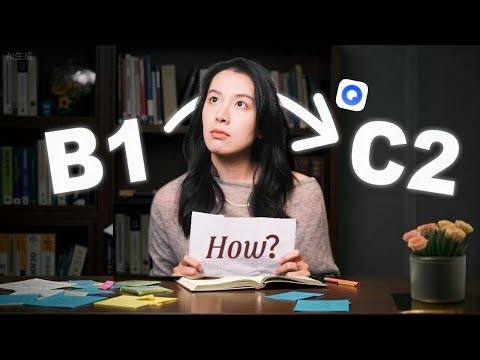
Why You're Stuck at B1 (And how to "actually" reach C1)
0
Minjane posted on 2025/11/22Feeling stuck at the intermediate English level? This video dives deep into why that happens and shares super practical fluency strategies, including the amazing Retelling Method and how to use Quark AI for phone call practice. You'll pick up advanced vocabulary and gain a crucial mindset shift to finally reach C1!
Learn this video on the APP!
The VoiceTube App has more in-depth practice for videos!