
affection
US /əˈfɛkʃən/
UK /əˈfekʃn/
- Noun (Countable/Uncountable)
- Feeling of liking someone or something
- A gentle feeling of fondness or liking.
B1Morealgorithm
US /ˈælɡəˌrɪðəm/
UK /'ælɡərɪðəm/
- Noun
- A step-by-step problem-solving feature
B2Moreasexual
US /eˈsɛkʃuəl/
UK /ˌeɪˈsekʃuəl/
- Adjective
- Without sexual organs; not involving sex
C1Moreat home
US /æt hom/
UK /æt həum/
- Phrase
- In one's own residence or country.
- Adjective
- Feeling comfortable and relaxed.
at the moment
US
UK
- Adverb
- At this time; now
A1Moreavoid
US /əˈvɔɪd/
UK /ə'vɔɪd/
- Transitive Verb
- To prevent from happening
- To stay away from
A2TOEICMorebond
US /bɑnd/
UK /bɒnd/
- Noun (Countable/Uncountable)
- Rope, chain or other thing used to tie someone up
- Closeness that is shared between people or groups
- Verb (Transitive/Intransitive)
- To develop a close relationship with
- To become joined or connected, e.g. using glue
A2TOEICMorechronic
US /ˈkrɑnɪk/
UK /'krɒnɪk/
- Adjective
- Always or often doing something, e.g. lying
- (Of disease) over a long time; serious
B1Morecome from
US /kʌm frʌm/
UK /kʌm frɔm/
- Phrasal Verb
- To have as your native country or city
A1Morecommunity
US /kəˈmjunɪti/
UK /kə'mju:nətɪ/
- Noun (Countable/Uncountable)
- Group of people who share a common idea or area
- A feeling of fellowship with others, as a result of sharing common attitudes, interests, and goals.
- Adjective
- Relating to or shared by the people in a particular area.
- Shared or participated in by all members of a group
A2Morecondition
US /kənˈdɪʃən/
UK /kənˈdɪʃn/
- Transitive Verb
- To improve something to make it better
- To cause to behave automatically in a certain way
- Noun (Countable/Uncountable)
- Disease or other medical problem
- The state of living you are in, e.g. good health
A2Moreconfiguration
US /kənˌfɪɡjəˈreʃən/
UK /kənˌfɪgəˈreɪʃn/
- Noun
- A shape or outline; a method of arrangement
B2Moreconnection
US /kəˈnɛkʃən/
UK /kəˈnekʃn/
- Noun (Countable/Uncountable)
- Something that joins things together; being joined
- Person you know who can help you in some way
A2Morecontent
US /ˈkɑnˌtɛnt/
UK /'kɒntent/
- Adjective
- Being happy or satisfied
- In a state of peaceful happiness.
- Noun (Countable/Uncountable)
- Information in something, e.g. book or computer
- The subject matter of a book, speech, etc.
A2Morecut off
US /kʌt ɔf/
UK /kʌt ɔf/
- Phrasal Verb
- To end a process, e.g. a phone call
- To cut the end of something
- Transitive Verb
- To isolate or prevent access to a place or person.
- To interrupt someone while they are speaking.
A1Moredefault
US /dɪˈfɔlt/
UK /dɪ'fɔ:lt/
- Noun (Countable/Uncountable)
- Automatic setting when no indicated preference
- Failure to meet an agreement or make a payment
- Verb (Transitive/Intransitive)
- To fail to meet as agreed; failure to pay
- To return to a previously determined state
B2TOEICMoredetachment
US /dɪ'tætʃmənt/
UK /dɪ'tætʃmənt/
- Uncountable Noun
- Feeling of not being personally involved
- Separating something from another larger thing
- Countable Noun
- (Of soldiers) a group separated from the main unit
B2Morediagnosis
US /ˌdaɪəgˈnoʊsɪs/
UK /ˌdaɪəgˈnəʊsɪs/
- Noun (plural)
- Judgments by a doctor about a person's illness
- Noun
- The identification of a disease or condition.
B1Moredisorder
US /dɪsˈɔrdɚ/
UK /dɪs'ɔ:də(r)/
- Uncountable Noun
- State of confusion or a lack of organization
- Illness when the body is not functioning well
- Transitive Verb
- To disrupt the order or arrangement of something.
B2Moredistance
US /ˈdɪstəns/
UK /'dɪstəns/
- Uncountable Noun
- Lack of friendliness toward another person
- Noun (Countable/Uncountable)
- Amount of space between two places or things
- A point or place that is far away.
A2Morediverse
US /dɪˈvɚs, daɪ-, ˈdaɪˌvɚs/
UK /daɪˈvɜ:s/
- Adjective
- Being varied or different from each other
- Very different from each other
B1TOEICMoreemotional
US /ɪˈmoʃənəl/
UK /ɪˈməʊʃənl/
- Adjective
- Causing, feeling, or appealing to the emotions
- Relating to or characterized by emotion
A2Moreempathy
US /ˈɛmpəθi/
UK /ˈempəθi/
- Uncountable Noun
- Understanding how other people feel/suffer
- The ability to understand and share the feelings of another, especially when those feelings are negative or painful
B2TOEICMorefamily ties
US
UK
- Noun
- The connections and relationships between members of a family.
- A sense of loyalty and commitment to one's family.
A1Morefragile
US /ˈfrædʒəl, -ˌaɪl/
UK /'frædʒaɪl/
- Adjective
- Easily affected, broken, or harmed
- Weak or delicate; easily damaged in health
B2TOEICMoregenetic
US /dʒəˈnɛtɪk/
UK /dʒəˈnetɪk/
- Adjective
- Of, relating to, or controlled by genes
- Relating to genes or heredity.
B1Moreget into it
US
UK
- Phrasal Verb
- To become interested in something and enjoy it.
- To start a career or profession.
- Intransitive Verb
- To become interested in something.
A1Moreheal
US /hi:l/
UK /hi:l/
- Verb (Transitive/Intransitive)
- To recover from or forget a bad experience
- To make or become healthy or well again
B1Moreidentity
US /aɪˈdɛntɪti/
UK /aɪ'dentətɪ/
- Noun (Countable/Uncountable)
- Collection of qualities that makes a person
- Who someone is; the name of a person
B1Morein reality
US /ɪn riˈælɪti/
UK /in riˈæliti/
- Phrase
- Actually; in fact; truly.
B2Morein return
US /ɪn rɪˈtɚn/
UK /in riˈtə:n/
- Adverb
- As a reciprocal action or gesture; in exchange or repayment.
- Phrase
- As compensation or consideration for something.
- As a reaction or response to something.
A1Moreincapable
US /ɪnˈkepəbəl/
UK /ɪnˈkeɪpəbl/
- Adjective
- Not capable or able to do something
- Legally disqualified or incapacitated.
- Noun
- A person lacking ability or qualification.
B1Moreintimacy
US /ˈɪntəməsi/
UK /'ɪntɪməsɪ/
- Uncountable Noun
- The sharing of private and personal things
B2Morelack
US /læk/
UK /læk/
- Verb (Transitive/Intransitive)
- To not have, or not have enough, of something
- Uncountable Noun
- The state of not having or not having enough of
A2TOEICMorelead to
US /lid tu/
UK /li:d tu:/
- Phrasal Verb
- To result in some action
- Verb (Transitive/Intransitive)
- To have something as a consequence or result.
A1Morelongitudinal
US /ˌlɑ:ndʒəˈtu:dnl/
UK /ˌlɒŋgɪˈtju:dɪnl/
- Adjective
- Going from the top to the bottom of something
B2Moremeaningful
US /ˈminɪŋfəl/
UK /'mi:nɪŋfl/
- Adjective
- Having importance; showing someone's intention
- Having importance or value.
A2Moremechanism
US /ˈmɛkəˌnɪzəm/
UK /'mekənɪzəm/
- Noun (Countable/Uncountable)
- Part of a machine that performs a certain function
- System or process for achieving a certain result
B1Moremental
US /ˈmɛntl/
UK /ˈmentl/
- Adjective
- Concerning the mind
A2TOEICMoremiss out
US /mɪs aʊt/
UK /mis aut/
- Phrasal Verb
- To exclude; not include in something
- To fail to take advantage of something; to lose an opportunity.
A1Moremute
US /mjut/
UK /mju:t/
- Adjective
- Not willing or being unable to speak
- Noun
- Device used to make trombone, etc. sound quieter
B2Moremyth
US /mɪθ/
UK /mɪθ/
- Noun (Countable/Uncountable)
- Popular belief that is false, unsupported by fact
- Famous story dealing with origins of a culture
B1Moreneglect
US /nɪˈɡlɛkt/
UK /nɪ'ɡlekt/
- Uncountable Noun
- Act of failing to do something important, required
- State or condition of not receiving proper care
- Transitive Verb
- To not do something that is important or required
- To fail to take care of something; ignore
B1TOEICMoreobligation
US /ˌɑblɪˈɡeʃən/
UK /ˌɒblɪ'ɡeɪʃn/
- Noun
- Duty to be done because of a law, rule or promise
- Fact of being forced morally to do something
B2TOEICMoreor simply
US
UK
- Phrase
- Alternatively; in a more straightforward way.
A1Moreover time
US /ˈovɚ taɪm/
UK /ˈəuvə taim/
- Phrase
- Gradually; as time passes.
- During a long period.
- Adverb
- Gradually; as time passes.
B1Morepersonality
US /ˌpɚsəˈnælɪti/
UK /ˌpɜ:səˈnæləti/
- Noun (Countable/Uncountable)
- Way someone is or reacts to life or other people
- Person who is famous; celebrity
A2Morepsych
US /saɪk/
UK /saɪk/
- Transitive Verb
- (Of an upcoming event) to cause excitement in
C2Morepsychology
US /saɪˈkɑlədʒi/
UK /saɪ'kɒlədʒɪ/
- Uncountable Noun
- The study of the mind and how it affects behavior
- Way in which a person or group thinks and behaves
C2Morepush out
US /pʊʃ aʊt/
UK /puʃ aut/
- Phrasal Verb
- To prevent others from competing, e.g. in business
A1Morerather than
US
UK
- Adverb
- More exactly; more correctly
- Preferably; instead
- Preposition
- Instead of
A1Morerebellion
US /rɪˈbɛljən/
UK /rɪ'beljən/
- Uncountable Noun
- Act of conflicting with someone in authority
- Resisting and fighting against existing authority
B1Morerelate
US /rɪˈlet/
UK /rɪ'leɪt/
- Transitive Verb
- To demonstrate a logical relationship between
- To understand or sympathize with, e.g. a problem
A2TOEICMoreresearch
US /rɪˈsɚtʃ, ˈriˌsɚtʃ/
UK /rɪ'sɜ:tʃ/
- Verb (Transitive/Intransitive)
- To study in order to discover new ideas and facts
- To study the market relating to marketing products and services.
- Noun (Countable/Uncountable)
- Study done to discover new ideas and facts
- A particular area or topic of study.
A2TOEICMoreresilient
US /rɪˈzɪljənt/
UK /rɪ'zɪlɪənt/
- Adjective
- Recovering quickly from something bad
- Able to withstand or recover quickly from difficult conditions.
B2Moreresonate
US /ˈrɛzəˌnet/
UK /'rezəneɪt/
- Intransitive Verb
- (Of ideas) to have a big impact for a long time
- (E.g. of a bell) to sound clearly for a long time
C2TOEICMoresearch for
US /sɚtʃ fɔr/
UK /sə:tʃ fɔ:/
- Phrasal Verb
- To try to find someone or something.
B1Moreshield
US /ʃild/
UK /ʃi:ld/
- Noun
- A family's coat of arms or insignia
- Device used to protect from a harmful force
- Transitive Verb
- To cover (e.g. your face) so as to hide from
- To cover from a dangerous or harmful force
B1Moreshow up
US /ʃo ʌp/
UK /ʃəu ʌp/
- Phrasal Verb
- To arrive or be seen at a place, e.g. a party
- To be noticeably better than (someone else)
A1Morespectrum
US /ˈspɛktrəm/
UK /'spektrəm/
- Noun
- The wavelengths of colors from red to violet
- a range of different positions, opinions, etc. between two extreme points
B1Moresubtle
US /ˈsʌtl/
UK /'sʌtl/
- Adjective
- Delicate or slight so it is difficult to perceive
- Clever or indirect but hides the true purpose
B1Moretalking about
US
UK
- Phrasal Verb
- To discuss a particular topic.
- To be constantly mentioning or bringing up a subject.
A1Moretrauma
US /ˈtraʊmə/
UK /'trɔ:mə/
- Noun (Countable/Uncountable)
- A very severe or upsetting experience
- Serious injury to part of the body
B2Morevariation
US /ˌvɛriˈeʃən, ˈvær-/
UK /ˌveəriˈeɪʃn/
- Noun (Countable/Uncountable)
- Something almost the same as another but different
- Music played with a different tune from another
A2TOEICMoreviral
US /ˈvaɪrəl/
UK /ˈvaɪrəl/
- Adjective
- Of or caused by a virus
- Becoming very popular by circulating quickly from person to person, especially through the Internet.
B2More
Vocabulary
- over time: Gradually; as time passes.
- come from: To have as your native country or city
- get into it: To become interested in something and enjoy it.
- push out: To prevent others from competing, e.g. in business
- search for: To try to find someone or something.
- miss out: To exclude; not include in something
- in return: As a reciprocal action or gesture; in exchange or repayment.
- show up: To arrive or be seen at a place, e.g. a party
- rather than: More exactly; more correctly
- at home: In one's own residence or country.
- cut off: To end a process, e.g. a phone call
- lead to: To result in some action
- at the moment: At this time; now
- or simply: Alternatively; in a more straightforward way.
- family ties: The connections and relationships between members of a family.
- in reality: Actually; in fact; truly.
- talking about: To discuss a particular topic.
- chronic: Always or often doing something, e.g. lying
- mental: Concerning the mind
- subtle: Delicate or slight so it is difficult to perceive
- content: Being happy or satisfied
- empathy: Understanding how other people feel/suffer
- intimacy: The sharing of private and personal things
- trauma: A very severe or upsetting experience
- fragile: Easily affected, broken, or harmed
- experience: Thing a person has done or that happened to them
- disorder: State of confusion or a lack of organization
- spectrum: The wavelengths of colors from red to violet
- resilient: Recovering quickly from something bad
- community: Group of people who share a common idea or area
- describe: To tell the appearance, sound, smell of something
- express: To send something by fast mail
- emotional: Causing, feeling, or appealing to the emotions
- psychology: The study of the mind and how it affects behavior
- default: Automatic setting when no indicated preference
- research: To study in order to discover new ideas and facts
- obligation: Duty to be done because of a law, rule or promise
- diverse: Being varied or different from each other
- viral: Of or caused by a virus
- lack: To not have, or not have enough, of something
- myth: Popular belief that is false, unsupported by fact
- algorithm: A step-by-step problem-solving feature
- bond: Rope, chain or other thing used to tie someone up
- avoid: To prevent from happening
- mechanism: Part of a machine that performs a certain function
- personality: Way someone is or reacts to life or other people
- condition: To improve something to make it better
- affection: Feeling of liking someone or something
- genetic: Of, relating to, or controlled by genes
- neglect: Act of failing to do something important, required
- simply: In an easy or clear manner
- resonate: (Of ideas) to have a big impact for a long time
- identity: Collection of qualities that makes a person
- distance: Lack of friendliness toward another person
- meaningful: Having importance; showing someone's intention
- break: To create a new record e.g. running the 100m dash
- relate: To demonstrate a logical relationship between
- connection: Something that joins things together; being joined
- variation: Something almost the same as another but different
- heal: To recover from or forget a bad experience
- shield: A family's coat of arms or insignia
- learn: To get knowledge or skills by study or experience
- diagnosis: Judgments by a doctor about a person's illness
- natural: Being as one would expect; being usual or normal
- pull: Act of breathing in smoke, as from a pipe
- quick: Using very little time; moving far in little time
- incapable: Not capable or able to do something
- rebellion: Act of conflicting with someone in authority
- configuration: A shape or outline; a method of arrangement
- widely: To a large degree; over a large range
- feel: To be aware of or experience an emotion, sensation
- choose: To select; decide between several possibilities
- meet: To provide something that is necessary
- detachment: Feeling of not being personally involved
- belong: To be a welcomed as a new member of a group
- people: Persons sharing culture, country, background, etc.
- longitudinal: Going from the top to the bottom of something
- mute: Not willing or being unable to speak
- psych: (Of an upcoming event) to cause excitement in
- asexual: Without sexual organs; not involving sex
Get the full experience in the app
Learn anywhere with detailed sentence and usage analysis
01:03
She took a brave step forward, leaving behind her comfort zone to chase her dreams.
Vocabulary
- brave
adj. Having courage
- comfort zone
phr. A familiar situation where one feels safe
Explanation
a brave step is a noun phrase, where brave is an adjective modifying the noun step, meaning "a courageous step".
forward is an adverb modifying step, meaning "ahead".
The whole phrase serves as the object, answering the "what" of took (verb) — she took a brave step forward.
Get the full experience in the app
Look up words anytime with pronunciation, part of speech, and usage
brave
US/brev/
UK/breɪv/
adj.Brave
v.t.To bravely face
A2 Elementary
Get the full experience in the app
Practice speaking anytime and get instant pronunciation feedback
Try this speaking exercise.
Try practicing with this sentence.
80
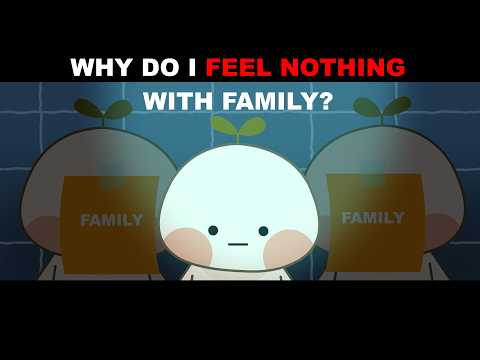
Why Some People Don’t Feel Attachment to Family
0
林宜悉 posted on 2025/11/20Ever wondered why family doesn't always feel like 'everything' to some people? This video dives into emotional detachment and the concept of 'chosen family,' helping you understand complex family dynamics and pick up some advanced vocabulary along the way!
Learn this video on the APP!
The VoiceTube App has more in-depth practice for videos!