
ability
US /əˈbɪlɪti/
UK /ə'bɪlətɪ/
- Noun (Countable/Uncountable)
- The power, resources or skill to do something
- A particular skill or talent.
A2TOEICMoreaccess
US /ˈæksɛs/
UK /'ækses/
- Noun (Countable/Uncountable)
- Way to enter a place, e.g. a station or stadium
- The opportunity or right to use something or to see someone.
- Transitive Verb
- To be able to use or have permission to use
A2TOEICMoreallegedly
US /ə'ledʒɪdlɪ/
UK /ə'ledʒɪdlɪ/
- Adverb
- According to what has been alleged
B2Moreat least
US /æt list/
UK /æt li:st/
- Adverb
- As a minimum
- Not less than
- Phrase
- No less than; at the minimum
- Used to indicate that something is positive in a bad situation.
C2Moreat night
US /æt naɪt/
UK /æt nait/
- Phrase
- During the night; in the nighttime.
A1Moreattempt
US /əˈtɛmpt/
UK /ə'tempt/
- Verb (Transitive/Intransitive)
- To try to do something challenging or difficult
- Noun
- Effort made to try to do or accomplish something
A2TOEICMorecease
US /sis/
UK /si:s/
- Verb (Transitive/Intransitive)
- To come or bring to an end; stop continuing
B1Morecombat
US /kəmˈbæt, ˈkɑmˌbæt/
UK /'kɒmbæt/
- Verb (Transitive/Intransitive)
- To fight someone or something physically
B1Morecome back
US /kʌm bæk/
UK /kʌm bæk/
- Phrasal Verb
- To reply to someone, often forcefully
- To be remembered
A1Morecommit
US /kəˈmɪt/
UK /kə'mɪt/
- Transitive Verb
- To do something bad, usually a crime
- To promise your permanent love or loyalty (to)
A2TOEICMorecontroversial
US /ˌkɑntrəˈvɚʃəl, -siəl/
UK /ˌkɔntrəˈvə:ʃəl/
- Adjective
- Causing a great deal of argument, or conflict
B1Morecope
US /koʊp/
UK /kəʊp/
- Verb (Transitive/Intransitive)
- To deal with something in spite of difficulties
A2Morecope with
US /kop wɪð/
UK /kəup wið/
- Phrasal Verb
- To deal successfully with a difficult situation.
A1Moredatum
US /ˈdetəm, ˈdætəm, ˈdɑtəm/
UK /ˈdeɪtəm/
- Noun
- Item of factual information
B1Moredeal with
US /dil wɪð/
UK /di:l wið/
- Verb (Transitive/Intransitive)
- To buy or sell goods or services.
- Phrasal Verb
- To take action to solve a problem or manage a situation.
- To be about; concern.
A1Moredeny
US /dɪˈnaɪ/
UK /dɪ'naɪ/
- Transitive Verb
- To refuse to allow or accept something
A2TOEICMoredeploy
US /dɪˈplɔɪ/
UK /dɪˈplɔɪ/
- Transitive Verb
- To put into position (often a military operation)
- To put something into use or action.
B1TOEICMoredisorder
US /dɪsˈɔrdɚ/
UK /dɪs'ɔ:də(r)/
- Uncountable Noun
- State of confusion or a lack of organization
- Illness when the body is not functioning well
- Transitive Verb
- To disrupt the order or arrangement of something.
B2Moreexpert
US /ˈɛkˌspɚt/
UK /'ekspɜ:t/
- Countable Noun
- Skillful person with special knowledge
- Adjective
- Having special knowledge or skill
A2TOEICMoreflint
US /flɪnt/
UK /flɪnt/
- Uncountable Noun
- Hard rock that sparks when hit with steel
B2Moregenocide
US /ˈdʒɛnəˌsaɪd/
UK /ˈdʒenəsaɪd/
- Noun
- Deliberate destruction of a group of people
B2Moregoing on
US /ˈɡoɪŋ ɑn/
UK /ˈgəʊɪŋ ɔn/
- Phrasal Verb
- To continue doing something
- To happen (usually negative)
A1Morehave to
US /hæv tu/
UK /ˈhæv tə/
- Auxiliary Verb
- Must do
A1Moreiceberg
US /ˈaɪsˌbə:ɡ/
UK /'aɪsbɜ:ɡ/
- Noun (Countable/Uncountable)
- Very large mass of floating ice in the sea
B1Morein fact
US /ɪn fækt/
UK /in fækt/
- Adverb
- Used to emphasize the truth of a statement, especially one that contrasts with or contradicts something else.
- Used to introduce a more detailed or surprising piece of information.
- Phrase
- Used to emphasize the truth of a statement, especially one that is surprising or contrary to what might be expected.
C1Morein general
US /ɪn ˈdʒɛnərəl/
UK /in ˈdʒenərəl/
- Phrase
- Typically; usually; on the whole.
- Not specific or detailed; broadly.
- Adjective
- Not detailed or specific; overall.
C2Morein order to
US /ɪn ˈɔrdɚ tu/
UK /in ˈɔ:də tu:/
- Preposition
- For the purpose of; with the aim of.
- Phrase
- In a specific sequence or arrangement.
- With the aim of; for the purpose of.
C1Morein particular
US /ɪn pɚˈtɪkjəlɚ/
UK /in pəˈtikjulə/
- Phrase
- Specifically; especially.
- Detailed or precise.
A1Morein the middle of
US
UK
- Phrase
- In the central part or point of something.
- Engaged or occupied with something.
A2Morelook at
US /lʊk æt/
UK /luk æt/
- Phrasal Verb
- To use your eyes to focus on something
- To focus your eyes on something carefully
A1Moremaintain
US /menˈten/
UK /meɪn'teɪn/
- Transitive Verb
- To keep saying something a certain way
- To keep (machine) working by checking, repairing
A2TOEICMoremassive
US /ˈmæsɪv/
UK /ˈmæsɪv/
- Adjective
- Very big; large; too big
- Large or imposing in scale or scope.
B1Moremental
US /ˈmɛntl/
UK /ˈmentl/
- Adjective
- Concerning the mind
A2TOEICMoremilitary
US /ˈmɪlɪˌtɛri/
UK /'mɪlətrɪ/
- Noun
- Army or armed forces
- Adjective
- Concerning the army or navy
B1Moremoral
US /ˈmɔrəl, ˈmɑr-/
UK /ˈmɒrəl/
- Adjective
- In a way considered proper and good by most people
- Uncountable Noun
- In a way considered proper and good by most people
A2TOEICMoremultiple
US /ˈmʌltəpəl/
UK /ˈmʌltɪpl/
- Adjective
- Having or involving more than one of something
- Having or involving several parts, elements, or members.
- Countable Noun
- Number produced by multiplying a smaller number
- A number of identical circuit elements connected in parallel or series.
B1Morenumber of people
US /ˈnʌmbɚ ʌv ˈpipəl/
UK /ˈnʌmbə ɔv ˈpi:pl/
- Phrase
- The total count of individuals within a group or gathering.
- A statistical figure representing the population size or a subset thereof.
A1Moreof course
US /ʌv kɔː(r)s/
UK /ɔv kɔː(r)s/
- Adverb
- Sure ; Certainly
- Phrase
- For sure; certainly
A2Moreon camera
US /ɑn ˈkæmərə/
UK /ɔn ˈkæmərə/
- Adverb
- While being filmed or recorded.
- Adjective
- Having qualities that make one appear good or effective when filmed.
A1Moreon duty
US /ɑn ˈduti/
UK /ɔn ˈdju:ti/
- Phrase
A2Moreon site
US /ɑn saɪt/
UK /ɔn sait/
- Adverb
- At the location of a particular activity or project.
- Present at a specific location for a particular purpose.
A1Moreon the ground
US
UK
- Phrase
- Located on the surface of the earth.
- Present and available in a particular place, especially to deal with a situation.
point at
US
UK
- Phrasal Verb
- To aim (gun, etc.) at someone or something
A1Morepoint out
US /pɔɪnt aʊt/
UK /pɔint aut/
- Phrasal Verb
- To make others aware of an idea
- To draw attention to something or someone
A1Morerather than
US
UK
- Adverb
- More exactly; more correctly
- Preferably; instead
- Preposition
- Instead of
A1Moreregular
US /ˈrɛɡjəlɚ/
UK /ˈregjələ(r)/
- Adjective
- Having an equal amount of space or time in between
- Occurring or being done frequently
- Noun (Countable/Uncountable)
- Customers who frequently visit a place
- Soldier who has a permanent job in the army
A2TOEICMoresheer
US /ʃɪr/
UK /ʃɪə(r)/
- Intransitive Verb
- To suddenly turn or change direction
- Adverb
- Straight up and down; steeply
B1Moresheer number
US
UK
- Phrase
- A large quantity or amount of something.
A1Moresoldier
US /ˈsoldʒɚ/
UK /'səʊldʒə(r)/
- Countable Noun
- Person working in an army to fight
B1Morespecifically
US /spəˈsɪfɪkli/
UK /spəˈsɪfɪkli/
- Adverb
- As regards a particular thing; closely related to
- In a definite and clear manner.
A2Morestruggle
US /ˈstrʌɡəl/
UK /'strʌɡl/
- Verb (Transitive/Intransitive)
- To try very hard to do something difficult
- To fight or struggle violently
- Noun (Countable/Uncountable)
- Strong efforts made to do something difficult
- A difficult or challenging situation or task
A2Moresuffer
US / ˈsʌfɚ/
UK /'sʌfə(r)/
- Verb (Transitive/Intransitive)
- To experience pain, illness, or injury
- To allow or permit something, especially something unpleasant.
A2Moresuffer from
US /ˈsʌfɚ frʌm/
UK /ˈsʌfə frɔm/
- Intransitive Verb
- To experience pain or distress; to be badly affected by.
A1Moresuicide
US /ˈsuɪˌsaɪd/
UK /'su:ɪsaɪd/
- Noun
- Act of purposely killing yourself
- Act that ruins a person's career, status etc.
B2Moretalk about it
US /tɔk əˈbaʊt ɪt/
UK /tɔ:k əˈbaut it/
- Verb (Transitive/Intransitive)
- To discuss a particular subject.
A1Moretalking about
US
UK
- Phrasal Verb
- To discuss a particular topic.
- To be constantly mentioning or bringing up a subject.
A1Moretherapy
US /ˈθɛrəpi/
UK /'θerəpɪ/
- Noun (Countable/Uncountable)
- Treatment to help cure an illness
- Psychological counseling to help resolve personal or emotional problems.
B2Morethink about
US /θɪŋk əˈbaʊt/
UK /θiŋk əˈbaut/
- Phrasal Verb
- To consider something carefully.
- To remember or call to mind.
A1Moretip
US /tɪp/
UK /tɪp/
- Transitive Verb
- To pour or move something from a place, container
- To give extra money for good service
- Noun
- End point of e.g. a pencil or finger
- Extra money given for good service
A2Moretip of the iceberg
US /ˈtɪp əv ði ˈaɪsbɚg/
UK /ˈtip əv ðə ˈaɪsbə:g/
- other
- A small visible part of a much larger problem.
B2Moreto an extent
US /tə ən ɪkˈstɛnt/
UK /tə ən ikˈstent/
- other
- Partly or in some degree.
B1Moretoll
US /tol/
UK /təʊl/
- Noun (Countable/Uncountable)
- Sound that a big bell makes, when it is rung
- Number of people hurt or killed in a disaster
- Intransitive Verb
- (Bell) to ring in a slow, loud and repeated way
B2TOEICMoretransparency
US /trænsˈpɛrənsi, -ˈpær-/
UK /trænsˈpærənsi/
- Uncountable Noun
- Quality of being open to see/to public criticism
- Fact of being able to be seen through
- Noun
- A picture or design printed on clear plastic or glass that can be shown on a screen by shining light through it.
- A photographic positive image on transparent material.
B2Moretrauma
US /ˈtraʊmə/
UK /'trɔ:mə/
- Noun (Countable/Uncountable)
- A very severe or upsetting experience
- Serious injury to part of the body
B2Moretraumatic
US /traʊˈmætɪk/
UK /trɔ:ˈmætɪk/
- Adjective
- Causing upsetting emotional effects over time
- Causing an injury
B2Morewith regard to
US /wɪð rɪˈɡɑrd tu/
UK /wið riˈɡɑ:d tu:/
- Phrase
- Concerning; in relation to.
A1Morewithdraw from
US
UK
- Phrasal Verb
- To take out or remove (something) from a place or container.
- To stop participating in or being involved with something.
A1More
Vocabulary
- talking about: To discuss a particular topic.
- come back: To reply to someone, often forcefully
- tip of the iceberg: A small visible part of a much larger problem.
- deal with
- look at: To use your eyes to focus on something
- at least: As a minimum
- in particular: Specifically; especially.
- going on: To continue doing something
- in fact: Used to emphasize the truth of a statement, especially one that contrasts with or contradicts something else.
- of course: Sure ; Certainly
- number of people: The total count of individuals within a group or gathering.
- sheer number: A large quantity or amount of something.
- with regard to: Concerning; in relation to.
- suffer from: To experience pain or distress; to be badly affected by.
- in the middle of: In the central part or point of something.
- at night: During the night; in the nighttime.
- to an extent: Partly or in some degree.
- on site: At the location of a particular activity or project.
- on duty
- point out: To make others aware of an idea
- on the ground: Located on the surface of the earth.
- in general: Typically; usually; on the whole.
- cope with: To deal successfully with a difficult situation.
- on camera: While being filmed or recorded.
- talk about it: To discuss a particular subject.
- point at: To aim (gun, etc.) at someone or something
- have to: Must do
- in order to: For the purpose of; with the aim of.
- rather than: More exactly; more correctly
- withdraw from: To take out or remove (something) from a place or container.
- think about: To consider something carefully.
- struggle: To try very hard to do something difficult
- massive: Very big; large; too big
- mental: Concerning the mind
- access: Way to enter a place, e.g. a station or stadium
- multiple: Having or involving more than one of something
- situation: Place, position or area that something is in
- controversial: Causing a great deal of argument, or conflict
- trauma: A very severe or upsetting experience
- disorder: State of confusion or a lack of organization
- completely: In every way or as much as possible
- therapy: Treatment to help cure an illness
- attempt: To try to do something challenging or difficult
- specifically: As regards a particular thing; closely related to
- traumatic: Causing upsetting emotional effects over time
- amount: Quantity of something
- commit: To do something bad, usually a crime
- combat: To fight someone or something physically
- sheer: To suddenly turn or change direction
- ability: The power, resources or skill to do something
- increase: To make or become larger in size or amount
- cope: To deal with something in spite of difficulties
- expert: Skillful person with special knowledge
- military: Army or armed forces
- toll: Sound that a big bell makes, when it is rung
- maintain: To keep saying something a certain way
- regular: Having an equal amount of space or time in between
- suffer: To experience pain, illness, or injury
- tip: To pour or move something from a place, container
- deal: To cope with something - usually troubles
- moral: In a way considered proper and good by most people
- deny: To refuse to allow or accept something
- provide: To make available; to supply for use
- ground: To break (coffee, etc.) into tiny bits with machine
- leave: To go away from; depart
- allegedly: According to what has been alleged
- suicide: Act of purposely killing yourself
- lot: What happens to a person in life from chance; fate
- system: Set of organized, planned ideas that work together
- fact: Something that is known or proved to be true
- support: To give assistance or advice to someone
- government: Group of people and system that rule a nation
- genocide: Deliberate destruction of a group of people
- active: Moving around a lot or doing many things
- point: An item to be discussed
- deploy: To put into position (often a military operation)
- cease: To come or bring to an end; stop continuing
- transparency: Quality of being open to see/to public criticism
- iceberg: Very large mass of floating ice in the sea
- datum: Item of factual information
- soldier: Person working in an army to fight
- flint: Hard rock that sparks when hit with steel
Get the full experience in the app
Learn anywhere with detailed sentence and usage analysis
01:03
She took a brave step forward, leaving behind her comfort zone to chase her dreams.
Vocabulary
- brave
adj. Having courage
- comfort zone
phr. A familiar situation where one feels safe
Explanation
a brave step is a noun phrase, where brave is an adjective modifying the noun step, meaning "a courageous step".
forward is an adverb modifying step, meaning "ahead".
The whole phrase serves as the object, answering the "what" of took (verb) — she took a brave step forward.
Get the full experience in the app
Look up words anytime with pronunciation, part of speech, and usage
brave
US/brev/
UK/breɪv/
adj.Brave
v.t.To bravely face
A2 Elementary
Get the full experience in the app
Practice speaking anytime and get instant pronunciation feedback
Try this speaking exercise.
Try practicing with this sentence.
80
0
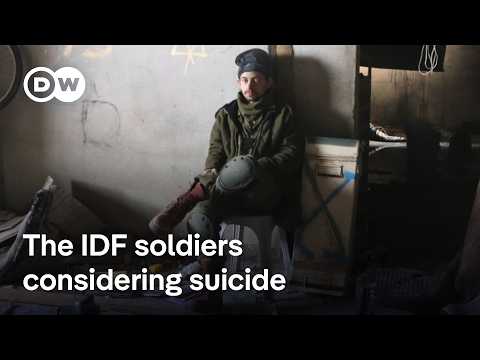
林宜悉 posted on 2025/11/19Ever wondered about the mental toll war takes on soldiers? This DW News report dives deep into the trauma and moral injury faced by Israeli soldiers, exploring themes like PTSD and military suicides. You'll pick up advanced vocabulary related to conflict and mental health, perfect for understanding complex global issues.
Learn this video on the APP!
The VoiceTube App has more in-depth practice for videos!