
anti
US /ˈæntaɪ, -ti/
UK /'æntɪ/
- Adjective
- A prefix meaning 'against' or 'opposed'
B2Moreapproval
US /əˈpruvəl/
UK /əˈpru:vl/
- Uncountable Noun
- Agreement that person/thing is acceptable
- Positive opinion of something or someone
A2TOEICMorearound the world
US /əˈraʊnd ði wɜrld/
UK /əˈraund ðə wɜː(r)ld/
- Phrase
- In or to many countries.
- In various places throughout the world.
A2Moreassassinate
US /əˈsæsəˌnet/
UK /ə'sæsɪneɪt/
- Transitive Verb
- To murder a famous or public figure
B2Moreat least
US /æt list/
UK /æt li:st/
- Adverb
- As a minimum
- Not less than
- Phrase
- No less than; at the minimum
- Used to indicate that something is positive in a bad situation.
C2Moreat the hands of
US
UK
- Phrase
- By the agency or through the actions of.
- Through the responsibility or fault of.
A1Moreblame
US /blem/
UK /bleɪm/
- Transitive Verb
- To say someone is responsible for something bad
- Noun (Countable/Uncountable)
- Act of saying someone did something bad
A2TOEICMorecall for
US /kɔl fɔr/
UK /kɔ:l fɔ:/
- Phrasal Verb
- To demand, need or require (an action or thing)
- To come to someone's house to take them somewhere
A1Morecapital
US /ˈkæpɪtl/
UK /'kæpɪtl/
- Noun
- Writing the first letter of a word in big letters
- Official main city of a country, province or state
- Adjective
- Main, or major
- (Of an offense) liable to the death penalty.
A2Morecorrespondent
US /ˌkɔrɪˈspɑndənt, ˌkɑr-/
UK /ˌkɒrəˈspɒndənt/
- Countable Noun
- Journalist, as one reporting from other countries
B1Morecorrupt
US /kəˈrʌpt/
UK /kə'rʌpt/
- Transitive Verb
- To persuade someone to act illegal or immorally
- To cause to become damaged or spoiled
- Adjective
- Being damaged or spoiled
- Misusing power, as by taking bribes, to get rich
B1Morecorruption
US /kəˈrʌpʃən/
UK /kəˈrʌpʃn/
- Uncountable Noun
- State of being damaged or spoiled
- Illegal, immoral dishonesty
B1Morecowboy
US /ˈkaʊˌbɔɪ/
UK /ˈkaʊbɔɪ/
- Countable Noun
- Man who tends cattle or sheep (often from a horse)
B2Morecrime
US /kraɪm/
UK /kraɪm/
- Noun (Countable/Uncountable)
- Act that is believed to be a mistake or foolish
- Act that is against the law; murder, theft etc.
A2Moredefend
US /dɪˈfɛnd/
UK /dɪ'fend/
- Transitive Verb
- To protect and explain your position in court
- To protect against an attack
B1TOEICMoredeny
US /dɪˈnaɪ/
UK /dɪ'naɪ/
- Transitive Verb
- To refuse to allow or accept something
A2TOEICMoredictatorship
US /dɪkˈtetɚˌʃɪp, ˈdɪkˌte-/
UK /ˌdɪkˈteɪtəʃɪp/
- Noun
- Form of government with an absolute rules
B1Moredisperse
US /dɪˈspɚs/
UK /dɪ'spɜ:s/
- Verb (Transitive/Intransitive)
- To separate and spread out in different directions
B2Moreinstead of
US /ɪnˈstɛd ʌv/
UK /inˈsted ɔv/
- Preposition
- When one thing is replaced by another
- Adverb
- As a substitute or alternative.
A1Moremajority
US /məˈdʒɔrɪti, -ˈdʒɑr-/
UK /mə'dʒɒrətɪ/
- Noun (Countable/Uncountable)
- Amount that is more than half of a group
- The age at which a person is legally considered an adult.
B1TOEICMoremayor
US /ˈmeɪər/
UK /meə(r)/
- Noun
- Head of a town or city government
B1TOEICMorepalace
US /ˈpælɪs/
UK /ˈpæləs/
- Noun (Countable/Uncountable)
- Official home of a ruler, such as a king or queen
- The center of government or royal power.
B1Morepeaceful
US /ˈpisfəl/
UK /ˈpi:sfl/
- Adjective
- In a calm and quiet state
- Being unlikely or unwilling to act violently
B1Morepresident
US /ˈprɛzɪdənt,-ˌdɛnt/
UK /ˈprezɪdənt/
- Noun
- Person in charge of a country, or organization
- The highest-ranking executive in a corporation or organization.
A2TOEICMorepresidential
US /ˌprɛzɪˈdɛnʃəl/
UK /ˌprezɪ'denʃl/
- Adjective
- Concerning the president
B1Moreproperty
US /ˈprɑpəti/
UK /'prɒpətɪ/
- Noun (Countable/Uncountable)
- Particular quality that someone or something has
- Buildings or piece of land owned by someone
A2TOEICMoreprotest
US /ˈproʊtɛst/
UK /'prəʊtest/
- Verb (Transitive/Intransitive)
- To argue against something in a forceful way
- To express a strong objection or dislike
- Noun
- Forceful argument against something
- Objection to something
A2Moreresponse
US /rɪˈspɑns/
UK /riˈspɔns/
- Noun
- Something said/written as an answer to something
- Reaction to something that has occurred
A2TOEICMoreresult
US /rɪˈzʌlt/
UK /rɪ'zʌlt/
- Noun
- Something produced through tests or experiments
- Final score of a competition, election or game
- Intransitive Verb
- To be the outcome of other causes and effects
- To happen or exist as a consequence of something.
A2Moreriot
US /ˈraɪət/
UK /'raɪət/
- Noun
- Person, thing, or event that is extremely funny
- When there is a lot of something, e.g. color
- Intransitive Verb
- (Of a crowd) to protest and try to take control
B2Moreroot
US /rut, rʊt/
UK /ru:t/
- Noun (Countable/Uncountable)
- Emotional connection with a place, history etc.
- The origin or starting place of something
- Transitive Verb
- To cause a plant to develop or grow roots
- (Animals) to search for e.g. food in earth
A2Moreskull
US /skʌl/
UK /skʌl/
- Noun
- Structure of bones forming the face and head
B2Moresolution
US /səˈluʃən/
UK /səˈlu:ʃn/
- Noun (Countable/Uncountable)
- Mix of a liquid and a solid or a gas
- Way to solve or deal with a problem
A2Moresymbol of
US
UK
- Phrase
- Something that represents or stands for something else, especially an object representing an abstract idea.
- A visible sign of something intangible.
B2Moretear
US /tɛr/
UK /teə(r)/
- Noun (Countable/Uncountable)
- Drop of salty water from the eye
- Hole or rip in something after it has been damaged
- Intransitive Verb
- To move very quickly, often with carelessness
A2Moretough
US /tʌf/
UK /tʌf/
- Adjective
- (Of food) difficult to chew or bite through
- Very difficult to do or deal with
- Noun
- A rough and aggressive person.
A2Moreunrest
US /ʌnˈrɛst, ˈʌnˌrɛst/
UK /ʌn'rest/
- Uncountable Noun
- Disturbance, e.g. of crowd in protest against
B2Morevile
US /vaɪl/
UK /vaɪl/
- Adjective
- Being very bad or unpleasant; disgusting
C1Moreviolent
US /ˈvaɪələnt/
UK /ˈvaɪələnt/
- Adjective
- Done with force; likely to produce physical damage
- Using or involving physical force intended to hurt, damage, or kill someone or something.
A2More
Vocabulary
- at least: As a minimum
- call for: To demand, need or require (an action or thing)
- symbol of: Something that represents or stands for something else, especially an object representing an abstract idea.
- around the world: In or to many countries.
- instead of: When one thing is replaced by another
- at the hands of: By the agency or through the actions of.
- tough: (Of food) difficult to chew or bite through
- majority: Amount that is more than half of a group
- property: Particular quality that someone or something has
- blame: To say someone is responsible for something bad
- capital: Writing the first letter of a word in big letters
- state: Region within a country, with its own government
- response: Something said/written as an answer to something
- result: Something produced through tests or experiments
- protest: To argue against something in a forceful way
- deny: To refuse to allow or accept something
- corruption: State of being damaged or spoiled
- correspondent: Journalist, as one reporting from other countries
- solution: Mix of a liquid and a solid or a gas
- violent: Done with force; likely to produce physical damage
- crime: Act that is believed to be a mistake or foolish
- riot: Person, thing, or event that is extremely funny
- skull: Structure of bones forming the face and head
- approval: Agreement that person/thing is acceptable
- root: Emotional connection with a place, history etc.
- tear: Drop of salty water from the eye
- dictatorship: Form of government with an absolute rules
- corrupt: To persuade someone to act illegal or immorally
- president: Person in charge of a country, or organization
- disperse: To separate and spread out in different directions
- defend: To protect and explain your position in court
- government: Group of people and system that rule a nation
- protect: To defend someone or something from harm or danger
- unrest: Disturbance, e.g. of crowd in protest against
- palace: Official home of a ruler, such as a king or queen
- wear: To have clothes, glasses, shoes etc. on your body
- deep: Complex and important
- march: To force someone to walk somewhere
- hold: To agree to keep something for someone
- world: All the humans, events, activities on the earth
- carry: To have a child, be pregnant
- choose: To select; decide between several possibilities
- mayor: Head of a town or city government
- picture: General situation or state of being
- fight: To argue or quarrel with someone about something
- anti: A prefix meaning 'against' or 'opposed'
- lose: To be unable to keep in check or control something
- meet: To provide something that is necessary
- people: Persons sharing culture, country, background, etc.
- presidential: Concerning the president
- peaceful: In a calm and quiet state
- assassinate: To murder a famous or public figure
- vile: Being very bad or unpleasant; disgusting
- cowboy: Man who tends cattle or sheep (often from a horse)
Get the full experience in the app
Learn anywhere with detailed sentence and usage analysis
01:03
She took a brave step forward, leaving behind her comfort zone to chase her dreams.
Vocabulary
- brave
adj. Having courage
- comfort zone
phr. A familiar situation where one feels safe
Explanation
a brave step is a noun phrase, where brave is an adjective modifying the noun step, meaning "a courageous step".
forward is an adverb modifying step, meaning "ahead".
The whole phrase serves as the object, answering the "what" of took (verb) — she took a brave step forward.
Get the full experience in the app
Look up words anytime with pronunciation, part of speech, and usage
brave
US/brev/
UK/breɪv/
adj.Brave
v.t.To bravely face
A2 Elementary
Get the full experience in the app
Practice speaking anytime and get instant pronunciation feedback
Try this speaking exercise.
Try practicing with this sentence.
80
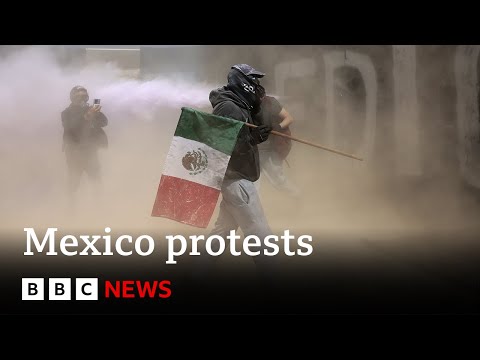
Thousands protest against government in Mexico as clashes leave 120 injured | BBC News
0
Minjane posted on 2025/11/17Ever wondered what sparks massive protests? This BBC News report dives into the recent demonstrations in Mexico, showing you real-world situations and powerful dialogue you can learn from. You'll gain cultural insights and pick up useful phrases for discussing current events!
Learn this video on the APP!
The VoiceTube App has more in-depth practice for videos!