
access
US /ˈæksɛs/
UK /'ækses/
- Noun (Countable/Uncountable)
- Way to enter a place, e.g. a station or stadium
- The opportunity or right to use something or to see someone.
- Transitive Verb
- To be able to use or have permission to use
A2TOEICMoreaccuse
US /əˈkjuz/
UK /ə'kju:z/
- Transitive Verb
- To claim that someone has done something wrong
A2Moreallege
US /əˈlɛdʒ/
UK /əˈledʒ/
- Transitive Verb
- To state without proof
B1TOEICMorealso known as
US
UK
- Phrase
- Also called; alternatively named.
- Identified by another term; synonymous with.
A1Moreat least
US /æt list/
UK /æt li:st/
- Adverb
- As a minimum
- Not less than
- Phrase
- No less than; at the minimum
- Used to indicate that something is positive in a bad situation.
C2Moreballot
US /ˈbælət/
UK /'bælət/
- Countable Noun
- Piece of paper used for the purpose of voting
- Intransitive Verb
- To have voted in an election
B2Morebullet
US /ˈbʊlɪt/
UK /'bʊlɪt/
- Countable Noun
- Metal object fired from a gun
- Dot at the beginning of each line in a list
- Adjective
- Very fast.
B1Morecaution
US /ˈkɔʃən/
UK /'kɔ:ʃn/
- Uncountable Noun
- Quality of being cautious; avoiding risk, danger
- Warning given by police for breaking traffic rules
- Transitive Verb
- To give someone a warning about a possible danger
B1Morecautious
US /ˈkɔʃəs/
UK /ˈkɔ:ʃəs/
- Adjective
- Careful about avoiding danger, problems
B2Morecharged with
US
UK
- Transitive Verb
- To be officially accused of something
- To entrust someone with a duty or responsibility
B1Morecommission
US /kəˈmɪʃən/
UK /kə'mɪʃn/
- Noun (Countable/Uncountable)
- Money paid for a service, e.g. money exchanging
- An official role or title in the military
- Transitive Verb
- To hire someone, order work to be done for payment
- To formally ask someone to create or produce something.
A2TOEICMorecommunication
US /kəˌmjunɪˈkeʃən/
UK /kəˌmju:nɪ'keɪʃn/
- Noun (Countable/Uncountable)
- Talking to people; giving information to people
- The process of conveying information, ideas, or feelings through language or other means.
A2Morecontention
US /kənˈtɛnʃən/
UK /kənˈtenʃn/
- Uncountable Noun
- Having the possibility of winning
- Belief, opinion, or idea you argue for or express
B2Morecontest
US /ˈkɑnˌtɛst/
UK /'kɒntest/
- Noun
- Struggle or competition between rivals
- Verb (Transitive/Intransitive)
- To struggle or compete against other people
- To not accept an official or legal judgment
B1Moredemocracy
US /dɪˈmɑkrəsi/
UK /dɪ'mɒkrəsɪ/
- Noun (Countable/Uncountable)
- System of government in which everyone is equal
- Principles of social equality and respect for the individual within a society.
B1Moredispute
US /dɪˈspjut/
UK /dɪ'spju:t/
- Verb (Transitive/Intransitive)
- To argue with someone about something
- To disagree about who owns or controls something
- Noun (Countable/Uncountable)
- Argument with someone about something
- A question or doubt about something
B1TOEICMoredoorstep
US /ˈdɔ:rstep/
UK /ˈdɔ:step/
- Noun
- Wood or stone that forms the bottom of a doorway
B2Moreelection
US /ɪˈlɛkʃən/
UK /ɪ'lekʃn/
- Noun
- Process of choosing someone by voting
B1TOEICMoreelectoral
US /ɪˈlɛktərəl/
UK /ɪˈlektərəl/
- Adjective
- Concerning elections
B2Morefor now
US /fɔr naʊ/
UK /fɔ: nau/
- Phrase
- Temporarily; for the present time.
- In the short term; for the immediate future.
A1Morefraud
US /frɔd/
UK /frɔ:d/
- Noun (Countable/Uncountable)
- Use of dishonest ways to take something valuable
- Person who pretends to be what he or she is not
B1TOEICMorefreedom
US /ˈfridəm/
UK /'fri:dəm/
- Uncountable Noun
- State of being free, not being controlled
B1Morehave to
US /hæv tu/
UK /ˈhæv tə/
- Auxiliary Verb
- Must do
A1Morein court
US /ɪn kɔrt/
UK /in kɔ:t/
- Phrase
- Present or being discussed during a legal trial or hearing.
A1Morein fact
US /ɪn fækt/
UK /in fækt/
- Adverb
- Used to emphasize the truth of a statement, especially one that contrasts with or contradicts something else.
- Used to introduce a more detailed or surprising piece of information.
- Phrase
- Used to emphasize the truth of a statement, especially one that is surprising or contrary to what might be expected.
C1Morein power
US /ɪn ˈpaʊɚ/
UK /in ˈpauə/
- Adjective
- Having control of a country or organization.
- Phrase
- During a period of holding authority or control.
B1Morein terms of
US
UK
- Phrase
- With regard to; concerning a particular aspect.
A1Moreindependent
US /ˌɪndɪˈpɛndənt/
UK /ˌɪndɪˈpendənt/
- Adjective
- Making your own decisions; acting by yourself
- Not connected with or influenced by something else.
- Noun
- A person not connected to a political party
- Someone who is independent, especially in politics or business.
A2TOEICMoreinitially
US /ɪˈnɪʃəli/
UK /ɪˈnɪʃəli/
- Adverb
- At first; originally
- In the first stage of a process or development.
A2TOEICMoreinjury
US /ˈɪndʒəri/
UK /'ɪndʒərɪ/
- Noun (Countable/Uncountable)
- Physical or emotional harm or damage
- An unjust or unfair action or event.
A2TOEICMoreinsist
US /ɪnˈsɪst/
UK /ɪn'sɪst/
- Transitive Verb
- To demand that someone do something
- Intransitive Verb
- To strongly state your opinion without changing it
A2TOEICMoreleave it there
US
UK
- Phrase
- To put something down and not move it from that location.
- To stop working on something and postpone it for later.
- Transitive Verb
- To allow something to remain at a specific location.
movement
US /ˈmuvmənt/
UK /ˈmu:vmənt/
- Noun (Countable/Uncountable)
- Part of a piece of classical music
- Group with a shared interest or goal
A2Moreongoing
US /ˈɑ:ngoʊɪŋ/
UK /ˈɒngəʊɪŋ/
- Adjective
- Continuing to exist or be in progress
- Noun (Countable/Uncountable)
- A situation or process that is currently taking place or is in progress.
- A problem or difficulty that continues to exist or happen.
B1Moreopposition
US /ˌɑ:pəˈzɪʃn/
UK /ˌɒpəˈzɪʃn/
- Uncountable Noun
- Act of disagreeing or trying to stop something
- Group that you are fighting or competing against
B1Moreordinary
US /ˈɔ:rdneri/
UK /'ɔ:dnrɪ/
- Adjective
- Normal or usual
- Of the rank of ordinary seaman.
- Noun
- An ecclesiastical judge or official having ordinary jurisdiction in a given area.
- Any of several simple and basic geometrical figures.
A2TOEICMorepolitical
US /pəˈlɪtɪkəl/
UK /pəˈlɪtɪkl/
- Adjective
- Being active or interested in government matters
- Diplomatic
A2Morepoll
US /pol/
UK /pəʊl/
- Noun (Countable/Uncountable)
- Process of gathering opinions by asking questions
- Polls where you go to cast your vote in elections
- Transitive Verb
- To ask a group of people in a vote or election
B1TOEICMorepop
US /pɑp/
UK /pɒp/
- Verb (Transitive/Intransitive)
- To cause something to open or burst suddenly
- To go to or in a place for a brief period of time
- Noun (Countable/Uncountable)
- Sweet soda drink
- A short, sharp, explosive sound.
B2Morepresident
US /ˈprɛzɪdənt,-ˌdɛnt/
UK /ˈprezɪdənt/
- Noun
- Person in charge of a country, or organization
- The highest-ranking executive in a corporation or organization.
A2TOEICMoreprice in
US /praɪs ɪn/
UK /praɪs ɪn/
- other
- To include a particular cost or factor in a total price.
C1Morerule
US /ruːl/
UK /ruːl/
- Noun (Countable/Uncountable)
- Something that is normal and usually happens
- Governmental control or power over a region
- Verb (Transitive/Intransitive)
- To decide legally, especially in court
- To have control or influence
A2TOEICMoresee in
US /si ɪn/
UK /si: in/
- Phrasal Verb
- To accompany someone to the entrance of a building or room.
A1Moreshot
US /ʃɑt/
UK /ʃɒt/
- Transitive Verb
- To kick or throw a ball at a goal
- To fire a gun; injure or kill someone with a gun
- Countable Noun
- An attempt to kick or throw a ball at a goal
A2Morespeak to
US /spik tu/
UK /spi:k tu:/
- Verb (Transitive/Intransitive)
- To address or communicate with someone.
- To indicate or suggest something; to be relevant to.
A1Moretorture
US /ˈtɔrtʃɚ/
UK /'tɔ:tʃə(r)/
- Noun (Countable/Uncountable)
- Hurting someone to force them to give information
- Painful suffering or distress
- Transitive Verb
- To painfully hurt someone to get information
- To cause someone to suffer greatly; torment
B2Moretranslate
US /trænsˈlet/
UK /trænsˈleɪt/
- Transitive Verb
- To change something into a different state
- To be equivalent to; equate to
A2Moretreason
US /ˈtrizən/
UK /ˈtri:zn/
- Uncountable Noun
- Crime of trying to overthrow your own government
B2Moreunrest
US /ʌnˈrɛst, ˈʌnˌrɛst/
UK /ʌn'rest/
- Uncountable Noun
- Disturbance, e.g. of crowd in protest against
B2Moreupper
US /ˈʌpɚ/
UK /ˈʌpə(r)/
- Noun (Countable/Uncountable)
- Drug that improves mood or increases energy
- Something happy or encouraging
- Adjective
- Located above others of the same kind
- Being the northern part of a region
B1Moreupper body
US
UK
- Noun
- The part of the body above the waist, including the chest, back, shoulders, and arms.
A1Morevice
US /ˌvaɪ.sə/
UK /ˌvaɪs/
- Noun
- used as part of the title of particular positions. The person who holds one of these positions is next below in authority to the person who holds the full position and can act for them
- Noun (Countable/Uncountable)
- a moral fault or weakness in someone's character
- illegal and immoral activities, especially involving illegal sex, drugs, etc.
B2Moreviolence
US /ˈvaɪələns/
UK /ˈvaɪələns/
- Uncountable Noun
- Strong physical force of nature
- Use of physical force to harm someone
B1Morewitness
US /ˈwɪtnɪs/
UK /'wɪtnəs/
- Transitive Verb
- To see the signing of an official document
- To see an event take place (usually a crime)
- Noun (Countable/Uncountable)
- Person who was present to see an event take place
- Evidence or proof of something
B1TOEICMore
Vocabulary
- see in: To accompany someone to the entrance of a building or room.
- have to: Must do
- upper body: The part of the body above the waist, including the chest, back, shoulders, and arms.
- speak to: To address or communicate with someone.
- charged with: To be officially accused of something
- also known as: Also called; alternatively named.
- in court: Present or being discussed during a legal trial or hearing.
- at least: As a minimum
- price in: To include a particular cost or factor in a total price.
- in fact: Used to emphasize the truth of a statement, especially one that contrasts with or contradicts something else.
- for now: Temporarily; for the present time.
- in terms of
- in power: Having control of a country or organization.
- leave it there: To put something down and not move it from that location.
- access: Way to enter a place, e.g. a station or stadium
- situation: Place, position or area that something is in
- initially: At first; originally
- fraud: Use of dishonest ways to take something valuable
- bit: Device put in a horse's mouth to control it
- political: Being active or interested in government matters
- vice: used as part of the title of particular positions. The person who holds one of these positions is next below in authority to the person who holds the full position and can act for them
- ordinary: Normal or usual
- state: Region within a country, with its own government
- democracy: System of government in which everyone is equal
- witness: To see the signing of an official document
- independent: Making your own decisions; acting by yourself
- dispute: To argue with someone about something
- torture: Hurting someone to force them to give information
- fair: Neither very good nor very bad; average
- bullet: Metal object fired from a gun
- poll: Process of gathering opinions by asking questions
- produce: Fresh foods such as fruits and vegetables
- commission: Money paid for a service, e.g. money exchanging
- cautious: Careful about avoiding danger, problems
- violence: Strong physical force of nature
- pop: To cause something to open or burst suddenly
- movement: Part of a piece of classical music
- communication: Talking to people; giving information to people
- insist: To demand that someone do something
- ongoing: Continuing to exist or be in progress
- president: Person in charge of a country, or organization
- system: Set of organized, planned ideas that work together
- information: Collection of facts and details about something
- staff: Employees of a company
- election: Process of choosing someone by voting
- government: Group of people and system that rule a nation
- contest: Struggle or competition between rivals
- accuse: To claim that someone has done something wrong
- injury: Physical or emotional harm or damage
- ballot: Piece of paper used for the purpose of voting
- unrest: Disturbance, e.g. of crowd in protest against
- shot: To kick or throw a ball at a goal
- question: To ask for or try to get information
- rule: Something that is normal and usually happens
- difficult: Hard; not easy; you need to work hard to do it
- business: A company formed for making profit
- opposition: Act of disagreeing or trying to stop something
- caution: Quality of being cautious; avoiding risk, danger
- translate: To change something into a different state
- life: All the living things e.g. animals, plants, humans
- problem: Something difficult to deal with or causes trouble
- freedom: State of being free, not being controlled
- country: An area of land that is controlled by a government
- allege: To state without proof
- treason: Crime of trying to overthrow your own government
- upper: Drug that improves mood or increases energy
- doorstep: Wood or stone that forms the bottom of a doorway
- contention: Having the possibility of winning
- electoral: Concerning elections
Get the full experience in the app
Learn anywhere with detailed sentence and usage analysis
01:03
She took a brave step forward, leaving behind her comfort zone to chase her dreams.
Vocabulary
- brave
adj. Having courage
- comfort zone
phr. A familiar situation where one feels safe
Explanation
a brave step is a noun phrase, where brave is an adjective modifying the noun step, meaning "a courageous step".
forward is an adverb modifying step, meaning "ahead".
The whole phrase serves as the object, answering the "what" of took (verb) — she took a brave step forward.
Get the full experience in the app
Look up words anytime with pronunciation, part of speech, and usage
brave
US/brev/
UK/breɪv/
adj.Brave
v.t.To bravely face
A2 Elementary
Get the full experience in the app
Practice speaking anytime and get instant pronunciation feedback
Try this speaking exercise.
Try practicing with this sentence.
80
Reports of over 1000 people killed in Tanzania crackdown | DW News
0
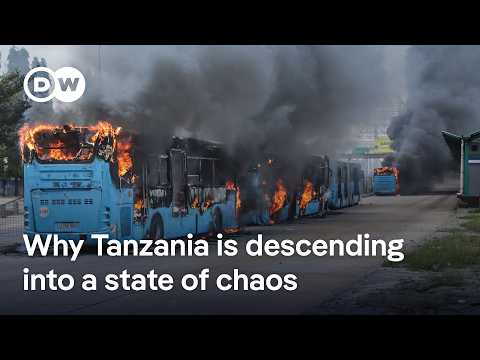
Test posted on 2025/11/16Dive into a powerful eyewitness account from Tanzania, where you'll hear firsthand about the impact of election violence and human rights concerns. This video is a fantastic opportunity to boost your understanding of current events while picking up practical vocabulary for discussing complex situations.
Learn this video on the APP!
The VoiceTube App has more in-depth practice for videos!