
absorb
US /əbˈsɔrb, -ˈzɔrb/
UK /əb'sɔ:b/
- Transitive Verb
- To take up all attention / energy of something
- To take in a liquid; soak up
B1TOEICMoreaccommodate
US /əˈkɑ:mədeɪt/
UK /əˈkɒmədeɪt/
- Transitive Verb
- To adapt or handle a situation, task
- To fit in with others' needs, opinions
B1TOEICMoreashore
US /əˈʃɔr, əˈʃor/
UK /əˈʃɔ:(r)/
- Adverb
- Onto the land from the water
B2Morebased on
US
UK
- Phrasal Verb
- To use something as the foundation or starting point for something else.
- Preposition
- Using something as the main idea or foundation.
- Relying on something as evidence or justification.
A1Morebounce
US /baʊns/
UK /baʊns/
- Uncountable Noun
- A person's energy or confidence
- Quality causing a person's hair to appear healthy
- Intransitive Verb
- To move around energetically, playfully
- (Of check) to be rejected due to inadequate funds
B1Morebounce back
US /baʊns bæk/
UK /bauns bæk/
- Phrasal Verb
- To return quickly to a normal condition after a difficult situation or illness.
B2Morebreak down
US /brek daʊn/
UK /breik daun/
- Phrasal Verb
- To forcibly break, destroy or make collapse
- (Machine) to stop working or become weaker
A1Morebuffer
US /ˈbʌfɚ/
UK /ˈbʌfə(r)/
- Noun (Countable/Uncountable)
- Data in computer memory allowing fast access
- Protection to prevent things mixing
- Transitive Verb
- To store data in special memory for fast access
- To protect a thing by separating it from
B2Moreby design
US
UK
- Phrase
- Intentionally; deliberately.
A2Morecatastrophic
US /ˌkætəˈstrɑfɪk/
UK /ˌkætə'strɒfɪk/
- Adjective
- Causing a lot of damage or suffering
B2Morecategory
US /ˈkætɪˌɡɔri, -ˌɡori/
UK /ˈkætəgəri/
- Noun
- Groups of things that are similar in some way
B1Morecause
US /kɔz/
UK /kɔ:z/
- Noun
- Belief, goal or organization that people support
- Reason for
- Transitive Verb
- To make something happen; create effect or result
A2Morecoast
US /kost/
UK /kəʊst/
- Noun
- Land near the sea or ocean
- Intransitive Verb
- To progress in something without trying hard
- (Of a vehicle) to move forward without power
A2TOEICMorecoastline
US /ˈkoʊstlaɪn/
UK /ˈkəʊstlaɪn/
- Noun
- Area of sea alongside the land in an area
C1Moreconnect
US /kəˈnɛkt/
UK /kə'nekt/
- Transitive Verb
- To associate a thing with something else
- To join or attach things together
A2Moredamage
US /ˈdæmɪdʒ/
UK /ˈdæmɪdʒ/
- Noun (Countable/Uncountable)
- Physical harm that is done to something
- Transitive Verb
- To harm physically; to hurt or break something
- To harm the reputation of someone.
A2TOEICMoredebris
US /dəˈbri, de-, ˈdeˌbri/
UK /dəˈbri:, deɪ-, ˈdeɪˌbri:/
- Uncountable Noun
- Remains of something broken or destroyed
- Accumulated fragments of rock.
B2TOEICMoredestroy
US /dɪˈstrɔɪ/
UK /dɪ'strɔɪ/
- Transitive Verb
- To damage so badly that something no longer exists
- To defeat someone or something easily
A2TOEICMoredestruction
US /dɪˈstrʌkʃən/
UK /dɪ'strʌkʃn/
- Noun
- Act of destroying; damaging beyond repair
- The state of being destroyed or ruined.
B1TOEICMoredevelopment
US /dɪˈvɛləpmənt/
UK /dɪ'veləpmənt/
- Noun (Countable/Uncountable)
- Act or process of growing bigger or more advanced
- A new event related to a previous event
A2TOEICMoredirect
US /dɪˈrɛkt, daɪ-/
UK /də'rekt/
- Transitive Verb
- To tell someone in a very clear way to do something
- To show the way by conducting or leading
- Adverb
- Coming straight from something
A2TOEICMoreditch
US /dɪtʃ/
UK /dɪtʃ/
- Transitive Verb
- To abandon or give up a plan, etc.
- To land an airplane in water due to an emergency
- Countable Noun
- Long, shallow hole used for drainage or irrigation
B1Moredrain
US /dren/
UK /dreɪn/
- Noun (Countable/Uncountable)
- Hole or pipe that water, waste etc. flows into
- Something that depletes resources or energy.
- Transitive Verb
- To empty or remove liquid from
- To use up the energy/ money/power of something
B1Moreelevate
US /ˈɛləˌvet/
UK /ˈelɪveɪt/
- Transitive Verb
- To make something higher
- To raise something in status, importance, feeling
B2Moreelevation
US /ˌɛləˈveʃən/
UK /ˌelɪˈveɪʃn/
- Uncountable Noun
- Height of a place
- Shortened form of elevation, referring to height above a reference point.
B2TOEICMoreentire
US /ɛnˈtaɪr/
UK /ɪn'taɪə(r)/
- Adjective
- Complete or full; with no part left out; whole
- Undivided; not shared or distributed.
A2TOEICMoreextra
US /'ekstrə/
UK /'ekstrə/
- Adjective
- More than necessary; additional
- Of especially good quality or grade.
- Noun (Countable/Uncountable)
- Items more than you need; additional items
- Person who has a small part in a movie
A2Moreextreme
US /ɪkˈstrim/
UK /ɪk'stri:m/
- Adjective
- Very great in degree
- Farthest from a center
- Noun
- Effort that is thought more than is necessary
- The furthest point or limit of something.
B1Morefill in
US /fɪl ɪn/
UK /fil in/
- Phrasal Verb
- To put earth in e.g. a hole
- To explain the context so that someone understands
- Verb (Transitive/Intransitive)
- To write or type information in a blank space.
- To temporarily do someone else's job.
A1Morefloat away
US
UK
- Phrasal Verb
- To drift or move gently away on water or in the air.
A2Moreflood
US /flʌd/
UK /flʌd/
- Verb (Transitive/Intransitive)
- To quickly appear unexpectedly and in volume
- (Of liquid) to fill or cover something completely
- Noun (Countable/Uncountable)
- A quick unexpectedly volume of something
- Large number of people or things arriving at once
B1Morefootprint
US /ˈfʊtˌprɪnt/
UK /ˈfʊtprɪnt/
- Noun (Countable/Uncountable)
- Mark left by a foot of an animal or human
- The effect a person or community has on the environment, expressed as the amount of carbon dioxide produced.
C1Morefor example
US
UK
- Phrase
- As an illustration or instance.
force in
US /fɔrs ɪn/
UK /fɔ:rs ɪn/
- other
- To enter a place by applying physical force.
B2Moreget up to
US /ɡɛt ʌp tu/
UK /ɡet ʌp tu:/
- Phrasal Verb
- To do something slightly naughty
A1Moregrid
US /ɡrɪd/
UK /ɡrɪd/
- Noun
- Electrical network supplying electricity to area
- Metal structure with bars used to cover a hole
- Transitive Verb
- To mark with a grid.
B2Moregrocery
US /'ɡroʊsərɪ/
UK /'ɡrəʊsərɪ/
- Uncountable Noun
- Daily foods such as flour, sugar, and tinned foods
- Countable Noun
- A store that sells food and household supplies.
B2TOEICMorehurricane
US /ˈhɚrɪˌken, ˈhʌr-/
UK /'hʌrɪkən/
- Noun
- Very severe storm usually occurs near the ocean
B1Morein the house
US
UK
- Phrase
- Located inside a building used as a dwelling.
- Within a legislative body, such as a parliament or congress.
A1Moreintact
US /ɪn'tækt/
UK /ɪn'tækt/
- Adjective
- Being complete, without damaged or missing parts
B1Morelandfall
US /ˈlændˌfɔl/
UK /ˈlændfɔ:l/
- Noun
- Seacoast first sighted on a voyage or flight
C1Morelook at
US /lʊk æt/
UK /luk æt/
- Phrasal Verb
- To use your eyes to focus on something
- To focus your eyes on something carefully
A1Moremandate
US /ˈmænˌdet/
UK /'mændeɪt/
- Transitive Verb
- To order that something is done
- Noun (Countable/Uncountable)
- Official command or order
- The authority to carry out a policy or course of action, regarded as given by the electorate to a candidate or party that has won an election.
B2TOEICMoremove on
US /muv ɑn/
UK /mu:v ɔn/
- Phrasal Verb
- To decide to change or go to a different place
- To start talking about something different.
A1Moremove to
US /muv tu/
UK /mu:v tu:/
- Phrasal Verb
- To change the place where you live or work.
- Verb (Transitive/Intransitive)
- To proceed to the next stage or action.
A2Moreno matter
US
UK
- Conjunction
- Regardless of; it does not matter.
- Adverb
- Regardless of; it is not important
A1Moreoccur
US /əˈkɚ/
UK /əˈkɜ:(r)/
- Intransitive Verb
- To come to pass or to happen
- To be found to exist; to be present.
A2TOEICMoreoff of
US /ɔf ʌv/
UK /ɔf ɔv/
- Preposition
- From a position on something; down from.
A1Moreon the beach
US
UK
- Phrase
- Located on the sandy or pebbly area bordering a body of water.
A1Moreonslaught
US /ˈɑnˌslɔt,ˈɔn-/
UK /ˈɒnslɔ:t/
- Noun
- Violent attack; a sudden rush of something
C1Moreprevent
US /prɪˈvɛnt/
UK /prɪ'vent/
- Transitive Verb
- To stop something from happening or existing
A2TOEICMoreremain
US /rɪˈmen/
UK /rɪˈmeɪn/
- Intransitive Verb
- To be left behind; to continue to exist
- To stay in a place when other people have gone
A2TOEICMorerequirement
US /rɪˈkwaɪrmənt/
UK /rɪ'kwaɪəmənt/
- Noun (Countable/Uncountable)
- A demand that someone does something
- Something that is a necessity
A2TOEICMorespill
US /spɪl/
UK /spɪl/
- Noun
- Accident when someone falls
- Act of allowing a fluid to escape
- Verb (Transitive/Intransitive)
- To come out of and spread beyond limits
- To tell secrets or let information escape
B1Morespill over
US
UK
- Phrasal Verb
- To flow over the edge of a container.
- To spread or extend into other areas or situations, especially undesirable things.
B1Moresurge
US /sɜ:rdʒ/
UK /sɜ:dʒ/
- Noun (Countable/Uncountable)
- Sudden movement in one direction by many
- Sudden or unexpected increase in amount
- Intransitive Verb
- To move unexpectedly and quickly in one direction
- To rise to an unexpected height
B2Morethreat
US /θrɛt/
UK /θret/
- Noun
- Warning of probable trouble
- A warning that you may be harmed
A2TOEICMoreto the rafters
US /tu ðə ˈræftɚz/
UK /tə ðə ˈrɑ:ftəz/
- other
- Completely full; filled to the maximum capacity.
B2Moretrap
US /træp/
UK /træp/
- Countable Noun
- Device used for catching animals
- Vehicle pulled by a single horse
- Transitive Verb
- To use a device to catch animals or people
- To hold, e.g. a nerve, so that it cannot move
A2Moreunscathed
US /ʌnˈskeðd/
UK /ʌnˈskeɪðd/
- Adjective
- Not harmed/damaged by something bad that happened
C1TOEICMoreupwards of
US
UK
- Preposition
- More than; at least.
- Phrase
- Approximately; around.
A1Moreused to
US /juzd tu/
UK /ˈju:st tə/
- Adjective
- Did regularly before, but don't do now
- Auxiliary Verb
- Have done before, but do not do now
A1Moreutilize
US /ˈjutlˌaɪz/
UK /ˈju:təlaɪz/
- Transitive Verb
- To use something for a particular purpose
B1TOEICMorevulnerable
US /ˈvʌlnərəbəl/
UK /ˈvʌlnərəbl/
- Adjective
- Being open to attack or damage
- Being easily harmed, hurt, or wounded
B1Morewater down
US
UK
- Phrasal Verb
- To add water to a drink or other liquid in order to make it less strong, concentrated, or thick.
- To make something weaker or less forceful; to reduce the intensity or impact of something.
A1Morewithstand
US /wɪθˈstænd, wɪð-/
UK /wɪðˈstænd/
- Verb (Transitive/Intransitive)
- To remain unaffected by something or someone
B1TOEICMore
Vocabulary
- water down: To add water to a drink or other liquid in order to make it less strong, concentrated, or thick.
- based on: To use something as the foundation or starting point for something else.
- float away: To drift or move gently away on water or in the air.
- break down: To forcibly break, destroy or make collapse
- used to: Did regularly before, but don't do now
- off of: From a position on something; down from.
- spill over: To flow over the edge of a container.
- fill in: To put earth in e.g. a hole
- bounce back: To return quickly to a normal condition after a difficult situation or illness.
- by design: Intentionally; deliberately.
- force in: To enter a place by applying physical force.
- in the house: Located inside a building used as a dwelling.
- to the rafters: Completely full; filled to the maximum capacity.
- for example: As an illustration or instance.
- on the beach: Located on the sandy or pebbly area bordering a body of water.
- get up to: To do something slightly naughty
- look at: To use your eyes to focus on something
- upwards of: More than; at least.
- move to: To change the place where you live or work.
- no matter: Regardless of; it does not matter.
- move on: To decide to change or go to a different place
- vulnerable: Being open to attack or damage
- entire: Complete or full; with no part left out; whole
- grocery: Daily foods such as flour, sugar, and tinned foods
- completely: In every way or as much as possible
- extreme: Very great in degree
- force: Group of persons trained for military action; army
- surge: Sudden movement in one direction by many
- develop: To explain something in steps and in detail
- catastrophic: Causing a lot of damage or suffering
- category: Groups of things that are similar in some way
- accommodate: To adapt or handle a situation, task
- prevent: To stop something from happening or existing
- drain: Hole or pipe that water, waste etc. flows into
- absorb: To take up all attention / energy of something
- occur: To come to pass or to happen
- remain: To be left behind; to continue to exist
- direct: To tell someone in a very clear way to do something
- intact: Being complete, without damaged or missing parts
- cause: Belief, goal or organization that people support
- ditch: To abandon or give up a plan, etc.
- trap: Device used for catching animals
- debris: Remains of something broken or destroyed
- extra: More than necessary; additional
- threat: Warning of probable trouble
- withstand: To remain unaffected by something or someone
- bounce: A person's energy or confidence
- grid: Electrical network supplying electricity to area
- mandate: To order that something is done
- appear: To be seen, become visible; come into sight
- development: Act or process of growing bigger or more advanced
- spill: Accident when someone falls
- destroy: To damage so badly that something no longer exists
- utilize: To use something for a particular purpose
- destruction: Act of destroying; damaging beyond repair
- coast: Land near the sea or ocean
- storm: To act violently or angrily
- system: Set of organized, planned ideas that work together
- hurricane: Very severe storm usually occurs near the ocean
- build: Your physical shape; physique
- act: To behave in a certain way
- connect: To associate a thing with something else
- event: Any social gathering; occasion; planned activity
- flood: To quickly appear unexpectedly and in volume
- damage: Physical harm that is done to something
- point: An item to be discussed
- natural: Being as one would expect; being usual or normal
- requirement: A demand that someone does something
- footprint: Mark left by a foot of an animal or human
- wind: A current of air moving approximately horizontally, especially one strong enough to be felt
- part: Division of a book
- area: Amount of measured space
- unscathed: Not harmed/damaged by something bad that happened
- onslaught: Violent attack; a sudden rush of something
- elevate: To make something higher
- design: To plan in a particular way to fulfill a purpose
- coastline: Area of sea alongside the land in an area
- buffer: Data in computer memory allowing fast access
- elevation: Height of a place
- ashore: Onto the land from the water
- landfall: Seacoast first sighted on a voyage or flight
Get the full experience in the app
Learn anywhere with detailed sentence and usage analysis
01:03
She took a brave step forward, leaving behind her comfort zone to chase her dreams.
Vocabulary
- brave
adj. Having courage
- comfort zone
phr. A familiar situation where one feels safe
Explanation
a brave step is a noun phrase, where brave is an adjective modifying the noun step, meaning "a courageous step".
forward is an adverb modifying step, meaning "ahead".
The whole phrase serves as the object, answering the "what" of took (verb) — she took a brave step forward.
Get the full experience in the app
Look up words anytime with pronunciation, part of speech, and usage
brave
US/brev/
UK/breɪv/
adj.Brave
v.t.To bravely face
A2 Elementary
Get the full experience in the app
Practice speaking anytime and get instant pronunciation feedback
Try this speaking exercise.
Try practicing with this sentence.
80
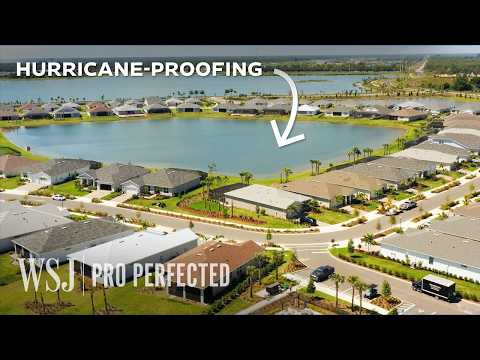
How Water Makes This Town Flood-Proof | WSJ Pro Perfected
0
Jiro posted on 2025/11/13Ever wondered how a town can be built to withstand major floods? This fascinating video dives into the innovative engineering and wetland preservation techniques used in Babcock Ranch, showing you how smart design can create flood-proof communities! You'll pick up some advanced vocabulary related to stormwater management and resilient living along the way.
Learn this video on the APP!
The VoiceTube App has more in-depth practice for videos!