
affect
US /əˈfɛkt/
UK /ə'fekt/
- Transitive Verb
- To cause a change in something else
- To pretend to have or feel (something).
- Noun
- (Psychology) Emotion or feeling.
A2TOEICMoreallocate
US /ˈæləˌket/
UK /ˈæləkeɪt/
- Transitive Verb
- To distribute or set apart for a plan or purpose
B1Moreancient
US /ˈenʃənt/
UK /'eɪnʃənt/
- Adjective
- Very old; having lived a very long time ago
- Relating to a period in history, especially in the distant past.
- Noun
- A person who lived in ancient times.
A2Moreat least
US /æt list/
UK /æt li:st/
- Adverb
- As a minimum
- Not less than
- Phrase
- No less than; at the minimum
- Used to indicate that something is positive in a bad situation.
C2Moreback to normal
US
UK
- Adjective
- Returned to the usual or expected state or condition.
- Phrase
- In the usual or ordinary way; as things were before.
A2Morebrace
US /bres/
UK /breɪs/
- Noun
- Structure that strengthens a joint
- Verb (Transitive/Intransitive)
- To prepare yourself for a struggle/difficult time
B2Morecarnage
US /ˈkɑ:rnɪdʒ/
UK /ˈkɑ:nɪdʒ/
- Uncountable Noun
- Destruction and devastation involving human deaths
C1Morecollapse
US /kəˈlæps/
UK /kə'læps/
- Verb (Transitive/Intransitive)
- To fold (e.g. a stroller) down to make it smaller
- To suddenly fall down or break apart into pieces
- Noun
- The sudden failure of a structure or system.
- The sudden failure of a bodily organ or function.
B1Morecut off
US /kʌt ɔf/
UK /kʌt ɔf/
- Phrasal Verb
- To end a process, e.g. a phone call
- To cut the end of something
- Transitive Verb
- To isolate or prevent access to a place or person.
- To interrupt someone while they are speaking.
A1Moredeeply affected
US
UK
- Adjective
- Strongly influenced or touched emotionally.
- Significantly changed or impacted.
B2Moredepression
US /dɪˈprɛʃən/
UK /dɪ'preʃn/
- Noun (Countable/Uncountable)
- Medical condition of a lack of vitality
- Period of unemployment and low economic activity
B2Moredestruction
US /dɪˈstrʌkʃən/
UK /dɪ'strʌkʃn/
- Noun
- Act of destroying; damaging beyond repair
- The state of being destroyed or ruined.
B1TOEICMoredevastating
US
UK
- Transitive Verb
- To cause extensive destruction or ruin utterly
- Adjective
- Destroying everything; very shocking
- Causing great emotional pain or shock.
B1Moredevastation
US /ˌdevəˈsteɪʃn/
UK /ˌdevəˈsteɪʃn/
- Uncountable Noun
- Act of ruining or destroying something
- A feeling of being extremely shocked and sad.
B1Moredisaster
US /dɪˈzæstɚ, -ˈsæs-/
UK /dɪ'zɑ:stə(r)/
- Noun (Countable/Uncountable)
- State of extreme ruin and misfortune
- A complete failure.
- Uncountable Noun
- A situation that has gone terribly wrong.
A2Moreeffort
US /ˈɛfət/
UK /ˈefət/
- Uncountable Noun
- Amount of work used trying to do something
- A conscious exertion of power; a try.
A2TOEICMoreevacuate
US /ɪˈvækjuˌet/
UK /ɪ'vækjʊeɪt/
- Transitive Verb
- To move people from dangerous to a safe places
B2Morefierce
US /fɪrs/
UK /fɪəs/
- Adjective
- Very strong, wild or violent
- Intense in a way that causes or displays force.
B1Moreflood
US /flʌd/
UK /flʌd/
- Verb (Transitive/Intransitive)
- To quickly appear unexpectedly and in volume
- (Of liquid) to fill or cover something completely
- Noun (Countable/Uncountable)
- A quick unexpectedly volume of something
- Large number of people or things arriving at once
B1Moreget back to
US /ɡɛt bæk tu/
UK /ɡet bæk tu:/
- Phrasal Verb
- To get in contact with someone again
- To return to someone or something; to respond at a later time.
A1Morehave on
US /hæv ɑn/
UK /hæv ɔn/
- Phrasal Verb
- To be wearing something.
- To deceive or trick someone, often in a playful way.
A1Morehue
US /hju/
UK /hju:/
- Noun
- Degree of lightness/darkness/strength of a color
B2Moreimpact
US /ˈɪmˌpækt/
UK /'ɪmpækt/
- Noun
- A striking effect or result to hit with force
- Act or force of one thing hitting something else
- Verb (Transitive/Intransitive)
- To hit or strike someone or something with force
- To have a strong effect on someone or something.
A2TOEICMoreimprovise
US /ˈɪmprəˌvaɪz/
UK /ˈɪmprəvaɪz/
- Verb (Transitive/Intransitive)
- To compose, speak or perform without preparation
B2Morein the world
US /ɪn ði wɜrld/
UK /in ðə wɜː(r)ld/
- Phrase
- Used to emphasize a question expressing surprise, confusion, disbelief
- Used to indicate the extent or degree of something, often in a superlative sense
A1Moreincoming
US /ˈɪnˌkʌmɪŋ/
UK /ˈɪnkʌmɪŋ/
- Adjective
- Coming toward a place or position; arriving
- Newly elected or appointed; succeeding to a position.
- Uncountable Noun
- Money or revenue received.
C1Moreinitial
US /ɪˈnɪʃəl/
UK /ɪ'nɪʃl/
- Noun
- First letter of your given name
- The beginning or commencement of something.
- Transitive Verb
- To authorize something by writing your initials
- To mark or sign with one's initials.
A2TOEICMoreinundate
US /ˈɪnʌnˌdet, ˈɪnən-/
UK /ˈɪnʌndeɪt/
- Transitive Verb
- To fill up beyond the capacity of; flood
- To cover a place with a flow of water
C2TOEICMoreinvest
US /ɪnˈvɛst/
UK /ɪn'vest/
- Transitive Verb
- To use resources to build for the future
A2TOEICMorelandfall
US /ˈlændˌfɔl/
UK /ˈlændfɔ:l/
- Noun
- Seacoast first sighted on a voyage or flight
C1Morelet off
US /lɛt ɔf/
UK /let ɔf/
- Phrasal Verb
- To allow someone to go unpunished for wrongdoing
- To explode or fire something such as a firework or gun.
- Transitive Verb
- To allow someone to leave a job or duty; to release.
A1Morelivelihood
US /ˈlaɪvliˌhʊd/
UK /ˈlaɪvlihʊd/
- Uncountable Noun
- Way someone earns money to live
B2TOEICMoremention
US /ˈmɛnʃən/
UK /'menʃn/
- Transitive Verb
- To refer to or talk or write about something
- Uncountable Noun
- Act of referring to or talking about something
- A formal acknowledgement of something
A2TOEICMoreministry
US /ˈmɪnɪstri/
UK /ˈmɪnɪstri/
- Noun (Countable/Uncountable)
- Body of religious workers and leaders
- Government department, such as Education
B1Moreoccur
US /əˈkɚ/
UK /əˈkɜ:(r)/
- Intransitive Verb
- To come to pass or to happen
- To be found to exist; to be present.
A2TOEICMoreon the way
US /ɑn ði we/
UK /ɔn ðə wei/
- Phrase
- During the journey to a particular place.
A1Moreprevious
US /ˈpriviəs/
UK /ˈpri:viəs/
- Adjective
- Existing or happening before the present time
- Existing or occurring immediately before in time or order.
- Noun
- A button or link that allows navigation to a preceding item or page.
A2TOEICMoreprovince
US /ˈprɑvɪns/
UK /'prɒvɪns/
- Noun
- Subject that a person has a good knowledge of
- Area a country is divided into outside the capital
B1Morerelief
US /rɪˈlif/
UK /rɪˈli:f/
- Noun (Countable/Uncountable)
- Aid given to people in need as after war/disaster
- Artwork, e.g. part of wall, that partly sticks out
B1TOEICMorerescue
US /ˈrɛskju/
UK /'reskju:/
- Transitive Verb
- To save someone who is in danger or in trouble
- To provide financial assistance to save a company or economy from collapse.
- Noun (Countable/Uncountable)
- Act of saving someone in danger or in trouble
- An act of saving someone or something from a dangerous or difficult situation.
A2TOEICMorerestore
US /rɪˈstɔr, -ˈstor/
UK /rɪˈstɔ:(r)/
- Transitive Verb
- To return a thing to its original condition
B1Morerip
US /rɪp/
UK /rɪp/
- Verb (Transitive/Intransitive)
- To tear or split roughly or cause to tear or split
- To become torn, opened, or split apart forcefully
- Noun (Countable/Uncountable)
- A long tear in something, e.g. a piece of cloth
- (Slang) A puff of marijuana.
B1Morerural
US /ˈrʊrəl/
UK /ˈruərəl/
- Adjective
- Concerning the country as opposed to the city
B1Moresalvage
US /ˈsælvɪdʒ/
UK /'sælvɪdʒ/
- Transitive Verb
- To save damaged or discarded material
- To do something to prevent a disaster
B2TOEICMorescene
US /sin/
UK /si:n/
- Noun
- Incident where someone behaves angrily, badly
- View that looks like a picture
A2TOEICMoreset to
US /sɛt tu/
UK /set tu:/
- Phrasal Verb
- To energetically begin to do, e.g. making a fire
A1Moreshrimp
US /ʃrɪmp/
UK /ʃrɪmp/
- Countable Noun
- Small edible salt-water shellfish with many legs
- Someone who is small and weak
B1Moresurvey
US /ˈsɜː(r)veɪ/
UK /'sɜ:veɪ/
- Noun (Countable/Uncountable)
- Broad view or general description of something
- Act of measuring land or property to make a map
- Transitive Verb
- To offer a broad view or general description
- To measure an area of land to make a map of it
A2TOEICMoretropical
US /ˈtrɑpɪkəl/
UK /ˈtrɒpɪkl/
- Adjective
- Hot and humid; near to the equator
- Very hot and humid
- Noun
- The tropical region of the earth
B1Moreunderway
US /ˌʌndɚˈwe/
UK /ˌʌndəˈweɪ/
- Adverb
- Happening now
B2TOEICMoreurge
US /ɚdʒ/
UK /ɜ:dʒ/
- Noun (Countable/Uncountable)
- A strong desire for something
- Strong pressure on someone to do something
- Transitive Verb
- To drive something forward
- To ask or encourage someone to do something
A2Moreworth
US /wɚθ/
UK /wɜ:θ/
- Noun (Countable/Uncountable)
- the financial, practical or moral value of somebody/something
- having a particular value, especially in money
- Adjective
- Having a specified value.
A2More
Vocabulary
- at least: As a minimum
- cut off: To end a process, e.g. a phone call
- have on: To be wearing something.
- let off: To allow someone to go unpunished for wrongdoing
- back to normal: Returned to the usual or expected state or condition.
- get back to: To get in contact with someone again
- deeply affected: Strongly influenced or touched emotionally.
- on the way: During the journey to a particular place.
- set to: To energetically begin to do, e.g. making a fire
- in the world: Used to emphasize a question expressing surprise, confusion, disbelief
- sort: To organize things by putting them into groups
- depression: Medical condition of a lack of vitality
- effort: Amount of work used trying to do something
- devastating: To cause extensive destruction or ruin utterly
- ancient: Very old; having lived a very long time ago
- impact: A striking effect or result to hit with force
- urge: A strong desire for something
- expect: To believe something is probably going to happen
- scene: Incident where someone behaves angrily, badly
- previous: Existing or happening before the present time
- initial: First letter of your given name
- worth: the financial, practical or moral value of somebody/something
- collapse: To fold (e.g. a stroller) down to make it smaller
- affect: To cause a change in something else
- occur: To come to pass or to happen
- fierce: Very strong, wild or violent
- mention: To refer to or talk or write about something
- disaster: State of extreme ruin and misfortune
- rip: To tear or split roughly or cause to tear or split
- survey: Broad view or general description of something
- brace: Structure that strengthens a joint
- relief: Aid given to people in need as after war/disaster
- invest: To use resources to build for the future
- rural: Concerning the country as opposed to the city
- leave: To go away from; depart
- rescue: To save someone who is in danger or in trouble
- tropical: Hot and humid; near to the equator
- destruction: Act of destroying; damaging beyond repair
- hit: To have a negative impact on a person/place/thing
- restore: To return a thing to its original condition
- evacuate: To move people from dangerous to a safe places
- storm: To act violently or angrily
- government: Group of people and system that rule a nation
- event: Any social gathering; occasion; planned activity
- flood: To quickly appear unexpectedly and in volume
- improvise: To compose, speak or perform without preparation
- natural: Being as one would expect; being usual or normal
- shrimp: Small edible salt-water shellfish with many legs
- quick: Using very little time; moving far in little time
- province: Subject that a person has a good knowledge of
- devastation: Act of ruining or destroying something
- allocate: To distribute or set apart for a plan or purpose
- area: Amount of measured space
- hue: Degree of lightness/darkness/strength of a color
- return: To hit something back to the other player or team
- underway: Happening now
- work: The product of some artistic or literary endeavor
- country: An area of land that is controlled by a government
- lose: To be unable to keep in check or control something
- people: Persons sharing culture, country, background, etc.
- ministry: Body of religious workers and leaders
- carnage: Destruction and devastation involving human deaths
- salvage: To save damaged or discarded material
- livelihood: Way someone earns money to live
- landfall: Seacoast first sighted on a voyage or flight
- incoming: Coming toward a place or position; arriving
- inundate: To fill up beyond the capacity of; flood
Get the full experience in the app
Learn anywhere with detailed sentence and usage analysis
01:03
She took a brave step forward, leaving behind her comfort zone to chase her dreams.
Vocabulary
- brave
adj. Having courage
- comfort zone
phr. A familiar situation where one feels safe
Explanation
a brave step is a noun phrase, where brave is an adjective modifying the noun step, meaning "a courageous step".
forward is an adverb modifying step, meaning "ahead".
The whole phrase serves as the object, answering the "what" of took (verb) — she took a brave step forward.
Get the full experience in the app
Look up words anytime with pronunciation, part of speech, and usage
brave
US/brev/
UK/breɪv/
adj.Brave
v.t.To bravely face
A2 Elementary
Get the full experience in the app
Practice speaking anytime and get instant pronunciation feedback
Try this speaking exercise.
Try practicing with this sentence.
80
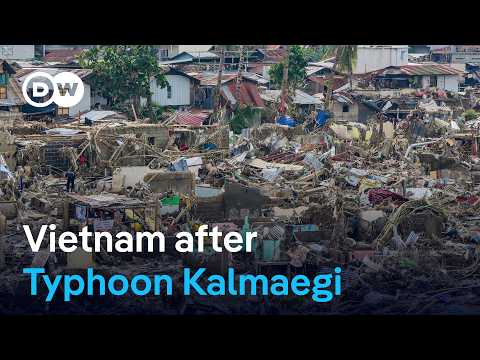
Typhoon Kalmaegi leaves thousands homeless in Vietnam | DW News
0
Minjane posted on 2025/11/10Wow, Typhoon Kalmaegi really caused some serious damage in Vietnam, leaving thousands without homes! This report dives deep into the human impact and disaster recovery efforts, giving you a fantastic chance to pick up vocabulary related to natural disasters and community resilience. You'll also get a great feel for cultural depth as you see how people cope with such challenging situations.
Learn this video on the APP!
The VoiceTube App has more in-depth practice for videos!