
acute
US /əˈkjut/
UK /əˈkju:t/
- Adjective
- (Of an angle in math) of less than 90 degrees
- Strong; very serious or severe
B1Moreadditional
US /ə'dɪʃənl/
UK /əˈdɪʃənl/
- Adjective
- Further or added
- Extra to what already exists
A2TOEICMoreafterward
US /ˈæftəwəd/
UK /'ɑ:ftəwəd/
- Adverb
- Happening after something else happened
B1Moreallergy
US /ˈælərdʒi/
UK /ˈælədʒi/
- Noun
- Sensitivity to foods, etc. causing a bad reaction
B2Moreas for
US /æz fɔr/
UK /æz fɔ:/
- Preposition
- Concerning; regarding.
- Phrase
- Used to introduce a new topic or aspect of a subject.
A1Moreas one
US
UK
- Adverb
- Acting or moving together at the same time.
- In complete agreement or unity.
- Phrase
- With a single voice or opinion; unanimously.
- In perfect harmony or unison.
A1Moreas well as
US /æz wɛl æz/
UK /æz wel æz/
- Adverb
- Also; in addition to
- Preposition
- In addition to; and also.
A1Moreat least
US /æt list/
UK /æt li:st/
- Adverb
- As a minimum
- Not less than
- Phrase
- No less than; at the minimum
- Used to indicate that something is positive in a bad situation.
C2Moreaverage
US /ˈævərɪdʒ, ˈævrɪdʒ/
UK /'ævərɪdʒ/
- Noun (Countable/Uncountable)
- Total of numbers divided by the number of items
- Transitive Verb
- To add numbers then divide by the number of items
A2TOEICMorebased on
US
UK
- Phrasal Verb
- To use something as the foundation or starting point for something else.
- Preposition
- Using something as the main idea or foundation.
- Relying on something as evidence or justification.
A1Morebowel
US /ˈbaʊəl, baʊl/
UK /ˈbaʊəl/
- Noun
- End part of the intestine, connected to the anus
B1Morecancer
US /ˈkænsɚ/
UK /'kænsə(r)/
- Noun
- Any growth caused by abnormal cell division
B1Morecardiologist
US /ˌkɑ:rdiˈɑ:lədʒɪst/
UK /ˌkɑ:diˈɒlədʒɪst/
- Countable Noun
- Doctor specializing in disorders of the heart
C1Morecardiology
US
UK
- Uncountable Noun
- Branch of medicine dealing with heart disease
C1Morecheck out
US /tʃɛk aʊt/
UK /tʃek aut/
- Phrase
- Phrasal Verb
- To find out information about something
- To take books out of a library
A1Morechronic
US /ˈkrɑnɪk/
UK /'krɒnɪk/
- Adjective
- Always or often doing something, e.g. lying
- (Of disease) over a long time; serious
B1Moreclinic
US /ˈklɪnɪk/
UK /ˈklɪnɪk/
- Noun
- Local medical center; department of a hospital
B1Morecommonly
US /ˈkɑmənlɪ/
UK /ˈkɒmənli/
- Adverb
- Typically, normally; not unusually
- Widely; by many people.
A2Morecompensation
US /ˌkɑmpənˈseʃən/
UK /ˌkɒmpenˈseɪʃn/
- Noun (Countable/Uncountable)
- (Money) given or received as payment for loss
- A psychological strategy of counteracting, real or imagined, personal defects and weaknesses by emphasizing desirable traits.
A2Morecompetitive
US /kəmˈpɛtɪtɪv/
UK /kəmˈpetətɪv/
- Adjective
- Being strongly driven to win or be better than
- As good as or better than others.
B1Morecomplex
US /kəmˈplɛks, ˈkɑmˌplɛks/
UK /'kɒmpleks/
- Countable Noun
- Group of buildings all used for the same purpose
- Adjective
- Not being simple; having many parts or aspects
A2Morecritical
US /ˈkrɪtɪkəl/
UK /ˈkrɪtɪkl/
- Adjective
- Making a negative judgment of something
- Being important or serious; vital; dangerous
A2Moredeal with
US /dil wɪð/
UK /di:l wið/
- Verb (Transitive/Intransitive)
- To buy or sell goods or services.
- Phrasal Verb
- To take action to solve a problem or manage a situation.
- To be about; concern.
A1Moredepending on
US
UK
- Phrasal Verb
- To rely on for support (financial or emotional)
- Influenced or determined by.
- Preposition
- Subject to; contingent on
- Relying on someone or something for support or assistance.
A2Moredescription
US /dɪˈskrɪpʃən/
UK /dɪˈskrɪpʃn/
- Noun
- Explanation of what something is like, looks like
- The type or nature of someone or something.
A2TOEICMoredialysis
US
UK
- Noun
- (Medical) taking waste from blood if kidneys are damaged
C1Moredisease
US /dɪˈziz/
UK /dɪˈzi:z/
- Noun (Countable/Uncountable)
- Illness that affects a person, animal, or plant
- A disorder of structure or function in a plant, especially one caused by a pathogen.
- Transitive Verb
- To affect with disease; to corrupt or sicken.
A2TOEICMoreextra
US /'ekstrə/
UK /'ekstrə/
- Adjective
- More than necessary; additional
- Of especially good quality or grade.
- Noun (Countable/Uncountable)
- Items more than you need; additional items
- Person who has a small part in a movie
A2Moreextremely
US /ɪk'strimlɪ/
UK /ɪkˈstri:mli/
- Adverb
- In a way that is much more than usual or expected
- Remarkably; unusually.
B1Morefellowship
US /ˈfeloʊʃɪp/
UK /ˈfeləʊʃɪp/
- Uncountable Noun
- Friendly feeling or relationship
- Countable Noun
- Group sharing similar religious beliefs or hopes
- A financial grant of money given to a student
B1Morehave to
US /hæv tu/
UK /ˈhæv tə/
- Auxiliary Verb
- Must do
A1Morehypertension
US /ˌhaɪpərˈtenʃn/
UK /ˌhaɪpəˈtenʃn/
- Uncountable Noun
- Condition marked by abnormally high blood pressure
B2Morein charge
US /ɪn tʃɑrdʒ/
UK /in tʃɑ:dʒ/
- Adverb
- To be responsible for
A1Morein part
US /ɪn pɑrt/
UK /in pɑ:t/
- Adverb
- To some extent; partially.
A1Morein public
US /ɪn ˈpʌblɪk/
UK /in ˈpʌblik/
- Phrase
- In a place where anyone can see or hear you.
- Adjective
- Relating to the government or the people as a whole.
B1Morein the hospital
US /ɪn ðə ˈhɑspɪtəl/
UK /in ðə ˈhɒspɪtəl/
- Preposition
- Located inside a hospital receiving medical care.
A1Morein the middle of
US
UK
- Phrase
- In the central part or point of something.
- Engaged or occupied with something.
A2Moreinflammatory
US /ɪnˈflæməˌtɔri, -ˌtori/
UK /ɪnˈflæmətri/
- Adjective
- Making or intended to make someone angry
B2TOEICMoreinstead of
US /ɪnˈstɛd ʌv/
UK /inˈsted ɔv/
- Preposition
- When one thing is replaced by another
- Adverb
- As a substitute or alternative.
A1Moreinternal
US /ɪnˈtɚnəl/
UK /inˈtə:nəl/
- Adjective
- Being or happening in the body
- Being, happening in a country, state, organization
B1TOEICMoreobstructive
US /əb'strʌktɪv/
UK /əb'strʌktɪv/
- Adjective
- Trying to block or stop something
B2Moreon call
US
UK
- Adjective
- Available to be summoned for duty, especially in emergencies.
- Adverb
- In a state of readiness to respond to calls for service or assistance.
A2Moreon the other hand
US
UK
- Phrase
- Considering a different aspect of the matter; alternatively.
A1Moreover time
US /ˈovɚ taɪm/
UK /ˈəuvə taim/
- Phrase
- Gradually; as time passes.
- During a long period.
- Adverb
- Gradually; as time passes.
B1Moreparticipate
US /pɑ:rˈtɪsɪpeɪt/
UK /pɑ:ˈtɪsɪpeɪt/
- Intransitive Verb
- To take part with others in doing something
- To be involved in a discussion or conversation.
B1TOEICMoreper year
US
UK
- Phrase
- For each year; annually.
A2Morepractice
US /ˈpræktɪs/
UK /'præktɪs/
- Noun
- The office and place for legal or medical work
- Doing something many times to become better at it
- Verb (Transitive/Intransitive)
- To work as a doctor or lawyer
- To live according to the teachings of a religion
A2TOEICMoreprocedural
US /prəˈsidʒərəl/
UK /prə'si:dʒərəl/
- Adjective
- Concerning the normal steps taken to do something
B1TOEICMorepulmonary
US /ˈpʌlməneri/
UK /ˈpʌlmənəri/
- Adjective
- Concerning the lungs/disease of the lungs
C1Morepursue
US /pɚˈsu/
UK /pə'sju:/
- Transitive Verb
- To follow and try to catch, or to reach a goal
- To try to achieve or get something over time
B1TOEICMoreregulate
US /ˈrɛɡjəˌlet/
UK /ˈregjuleɪt/
- Transitive Verb
- To control something with rules or laws
- To set/adjust (a clock, etc.); restrict motion in
A2TOEICMorerenal
US /ˈrinəl/
UK /ˈri:nl/
- Adjective
- Of the kidneys or diseases of the kidneys
B2Moreresearch
US /rɪˈsɚtʃ, ˈriˌsɚtʃ/
UK /rɪ'sɜ:tʃ/
- Verb (Transitive/Intransitive)
- To study in order to discover new ideas and facts
- To study the market relating to marketing products and services.
- Noun (Countable/Uncountable)
- Study done to discover new ideas and facts
- A particular area or topic of study.
A2TOEICMorescholarship
US /ˈskɑlɚˌʃɪp/
UK /'skɒləʃɪp/
- Uncountable Noun
- Work of learning, studying, acquiring knowledge
- Countable Noun
- Money given to a student to pay for education
B2Morespecialty
US /ˈspɛʃəlti/
UK /ˈspeʃəlti/
- Noun
- Skill or a dish that a person, business is good at
- The specific area of your field
- Adjective
- Having a particular role or function
B1TOEICMorespecific
US /spɪˈsɪfɪk/
UK /spəˈsɪfɪk/
- Adjective
- Precise; particular; just about that thing
- Concerning one particular thing or kind of thing
A2Morestay in
US /ste ɪn/
UK /stei in/
- Phrasal Verb
- To remain inside one's home.
- Intransitive Verb
- To remain as an inpatient in a hospital.
step back
US /stɛp bæk/
UK /step bæk/
- Phrasal Verb
- To move backwards; to move away from something.
- To take a break from something; to gain perspective.
A1Moresuch as
US /sʌtʃ æz/
UK /sʌtʃ æz/
- Preposition
- For example; like
A1Moretransplant
US /trænsˈplænt/
UK /trænsˈplɑ:nt/
- Noun
- A medical operation to replace organs of the body
- Transitive Verb
- To replace organ in the body by an operation
B2Moretreatment
US /ˈtritmənt/
UK /ˈtri:tmənt/
- Noun (Countable/Uncountable)
- Medicine or method to make someone healthier
- Way someone acts toward another
A2TOEICMoreunsurprisingly
US
UK
- Adverb
- In an expected manner; predictably
B1Morevariety
US /vəˈraɪɪti/
UK /və'raɪətɪ/
- Noun
- Particular type of thing or person
- The quality or state of being different or diverse; the absence of uniformity, sameness, or monotony.
A2TOEICMorevascular
US /ˈvæskjəlɚ/
UK /ˈvæskjələ(r)/
- Adjective
- Of tubes through which fluids flow in body/plant
C1Morewith it
US /wɪð ɪt/
UK /wið it/
- Adjective
- Intelligent, alert, and up-to-date.
- Understanding and knowledgeable about current trends or information.
A1Morework on
US /wɚk ɑn/
UK /wə:k ɔn/
- Phrasal Verb
- To devote effort to improve or develop something
- To try to persuade or influence someone.
A1More
Vocabulary
- check out
- have to: Must do
- in the hospital: Located inside a hospital receiving medical care.
- such as: For example; like
- based on: To use something as the foundation or starting point for something else.
- instead of: When one thing is replaced by another
- as for: Concerning; regarding.
- in the middle of: In the central part or point of something.
- in part: To some extent; partially.
- with it: Intelligent, alert, and up-to-date.
- at least: As a minimum
- deal with
- depending on: To rely on for support (financial or emotional)
- on call: Available to be summoned for duty, especially in emergencies.
- on the other hand : Considering a different aspect of the matter; alternatively.
- as well as: Also; in addition to
- over time: Gradually; as time passes.
- work on: To devote effort to improve or develop something
- per year: For each year; annually.
- in charge: To be responsible for
- in public: In a place where anyone can see or hear you.
- stay in: To remain inside one's home.
- step back: To move backwards; to move away from something.
- as one: Acting or moving together at the same time.
- specific: Precise; particular; just about that thing
- chronic: Always or often doing something, e.g. lying
- extremely: In a way that is much more than usual or expected
- critical: Making a negative judgment of something
- practice: The office and place for legal or medical work
- description: Explanation of what something is like, looks like
- average: Total of numbers divided by the number of items
- pursue: To follow and try to catch, or to reach a goal
- common: Area in a city or town that is open to everyone
- variety: Particular type of thing or person
- disease: Illness that affects a person, animal, or plant
- complex: Group of buildings all used for the same purpose
- research: To study in order to discover new ideas and facts
- failure: When things go wrong; lack of function
- state: Region within a country, with its own government
- inflammatory: Making or intended to make someone angry
- regulate: To control something with rules or laws
- extra: More than necessary; additional
- complete: To finish or reach the end of doing something
- reason: To think and make conclusions in a logical manner
- competitive: Being strongly driven to win or be better than
- acute: (Of an angle in math) of less than 90 degrees
- internal: Being or happening in the body
- participate: To take part with others in doing something
- treatment: Medicine or method to make someone healthier
- commonly: Typically, normally; not unusually
- additional: Further or added
- allergy: Sensitivity to foods, etc. causing a bad reaction
- compensation: (Money) given or received as payment for loss
- learn: To get knowledge or skills by study or experience
- system: Set of organized, planned ideas that work together
- specialty: Skill or a dish that a person, business is good at
- bowel: End part of the intestine, connected to the anus
- include: To make someone, something part of a group
- part: Division of a book
- wide: Having a great distance from one side to the other
- train: Line of people, animals moving the same direction
- check: Paper showing how much you owe at a restaurant
- university: High-level educational institution; college
- choose: To select; decide between several possibilities
- work: The product of some artistic or literary endeavor
- scholarship: Work of learning, studying, acquiring knowledge
- cancer: Any growth caused by abnormal cell division
- afterward: Happening after something else happened
- clinic: Local medical center; department of a hospital
- transplant: A medical operation to replace organs of the body
- fellowship: Friendly feeling or relationship
- unsurprisingly: In an expected manner; predictably
- hypertension: Condition marked by abnormally high blood pressure
- procedural: Concerning the normal steps taken to do something
- vascular: Of tubes through which fluids flow in body/plant
- cardiologist: Doctor specializing in disorders of the heart
- pulmonary: Concerning the lungs/disease of the lungs
- dialysis: (Medical) taking waste from blood if kidneys are damaged
- renal: Of the kidneys or diseases of the kidneys
- obstructive: Trying to block or stop something
- cardiology: Branch of medicine dealing with heart disease
Get the full experience in the app
Learn anywhere with detailed sentence and usage analysis
01:03
She took a brave step forward, leaving behind her comfort zone to chase her dreams.
Vocabulary
- brave
adj. Having courage
- comfort zone
phr. A familiar situation where one feels safe
Explanation
a brave step is a noun phrase, where brave is an adjective modifying the noun step, meaning "a courageous step".
forward is an adverb modifying step, meaning "ahead".
The whole phrase serves as the object, answering the "what" of took (verb) — she took a brave step forward.
Get the full experience in the app
Look up words anytime with pronunciation, part of speech, and usage
brave
US/brev/
UK/breɪv/
adj.Brave
v.t.To bravely face
A2 Elementary
Get the full experience in the app
Practice speaking anytime and get instant pronunciation feedback
Try this speaking exercise.
Try practicing with this sentence.
80
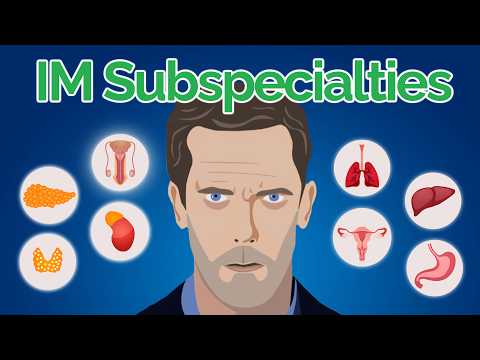
8 Internal Medicine Subspecialties Explained
0
林宜悉 posted on 2025/11/07Ever wondered what it's like to be a cardiologist or a pulmonologist? This video breaks down 8 internal medicine subspecialties, giving you the inside scoop on fellowship competitiveness and even physician salaries! You'll pick up tons of advanced medical vocabulary and practical workplace insights that are super useful for your career path.
Learn this video on the APP!
The VoiceTube App has more in-depth practice for videos!