
affect
US /əˈfɛkt/
UK /ə'fekt/
- Transitive Verb
- To cause a change in something else
- To pretend to have or feel (something).
- Noun
- (Psychology) Emotion or feeling.
A2TOEICMoreat least
US /æt list/
UK /æt li:st/
- Adverb
- As a minimum
- Not less than
- Phrase
- No less than; at the minimum
- Used to indicate that something is positive in a bad situation.
C2Moreaware
US /əˈwɛr/
UK /əˈwɛə/
- Adjective
- Knowing or feeling that something exists
A2TOEICMorecalmly
US /ˈkɑmlɪ/
UK /'kɑ:mlɪ/
- Adverb
- Without getting emotional, e.g. in times of stress
B1Morecrew
US /kru/
UK /kru:/
- Countable Noun
- Organized group of workers (e.g. on a ship)
- Skilled group of people working together on a task
- Intransitive Verb
- To work as part of a crew.
A2TOEICMoredevastate
US /ˈdɛvəˌstet/
UK /'devəsteɪt/
- Transitive Verb
- To cause extensive destruction or ruin utterly
- To cause (someone) to feel extreme emotional pain.
B1Moredevastating
US
UK
- Transitive Verb
- To cause extensive destruction or ruin utterly
- Adjective
- Destroying everything; very shocking
- Causing great emotional pain or shock.
B1Moredisaster
US /dɪˈzæstɚ, -ˈsæs-/
UK /dɪ'zɑ:stə(r)/
- Noun (Countable/Uncountable)
- State of extreme ruin and misfortune
- A complete failure.
- Uncountable Noun
- A situation that has gone terribly wrong.
A2Moreearthquake
US /ˈɜ:rθkweɪk/
UK /ˈɜ:θkweɪk/
- Noun (Countable/Uncountable)
- Heavy shaking of the ground due to natural forces
- A series of vibrations in the earth caused by the abrupt movement of rock far below the surface
B1Moreevacuate
US /ɪˈvækjuˌet/
UK /ɪ'vækjʊeɪt/
- Transitive Verb
- To move people from dangerous to a safe places
B2Moreevacuation
US /ɪˌvækjuˈeʃən/
UK /ɪˌvækjʊ'eɪʃn/
- Noun (Countable/Uncountable)
- Sending to a safer place because of danger
- The process of removing people from a dangerous place.
B2Moreexcuse
US /ɪkˈskjuz/
UK /ɪk'skju:s/
- Transitive Verb
- To allow someone not to do (jury service, etc.)
- To explain acting in a bad or impolite manner
- Noun
- Note explaining why someone cannot do or attend
- Reason why you did or didn't do something
A2Morefalse
US /fɔ:ls/
UK /fɔ:ls/
- Adjective
- Not real or genuine
- Not true or correct; containing incorrect information.
- Adverb
- In an untrue or inaccurate way.
A2TOEICMorefor example
US
UK
- Phrase
- As an illustration or instance.
freelance
US /ˈfriˌlæns/
UK /'fri:lɑ:ns/
- Intransitive Verb
- To work for yourself, not a company
B2Moreget on with
US /ɡɛt ɑn wɪð/
UK /ɡet ɔn wið/
- Phrasal Verb
- To have a good relationship with someone
handle
US /ˈhændl/
UK /'hændl/
- Transitive Verb
- To cope with or take responsibility for
- To control a machine, car etc.
- Countable Noun
- The part of a door you hold to open it
- Thing you hold to carry or open a bag, pan etc.
A2TOEICMorehelicopter
US /ˈhɛlɪˌkɑptɚ/
UK /'helɪkɒptə(r)/
- Countable Noun
- Aircraft with spinning blades at the top
- Transitive Verb
- To transport by helicopter
B1TOEICMorein the past
US
UK
- Phrase
- During a former period of time; previously.
A1Moreindependent
US /ˌɪndɪˈpɛndənt/
UK /ˌɪndɪˈpendənt/
- Adjective
- Making your own decisions; acting by yourself
- Not connected with or influenced by something else.
- Noun
- A person not connected to a political party
- Someone who is independent, especially in politics or business.
A2TOEICMoreinfrastructure
US /ˈɪnfrəˌstrʌktʃɚ/
UK /'ɪnfrəstrʌktʃə(r)/
- Uncountable Noun
- Basic necessary equipment for a country or region
- The underlying framework or system of an organization.
B1Morejournalist
US /ˈdʒɚnəlɪst/
UK /ˈdʒɜ:nəlɪst/
- Noun
- Writer of news reports for newspapers etc.
A2TOEICMorelandfall
US /ˈlændˌfɔl/
UK /ˈlændfɔ:l/
- Noun
- Seacoast first sighted on a voyage or flight
C1Moremandate
US /ˈmænˌdet/
UK /'mændeɪt/
- Transitive Verb
- To order that something is done
- Noun (Countable/Uncountable)
- Official command or order
- The authority to carry out a policy or course of action, regarded as given by the electorate to a candidate or party that has won an election.
B2TOEICMoremention
US /ˈmɛnʃən/
UK /'menʃn/
- Transitive Verb
- To refer to or talk or write about something
- Uncountable Noun
- Act of referring to or talking about something
- A formal acknowledgement of something
A2TOEICMoremilitary
US /ˈmɪlɪˌtɛri/
UK /'mɪlətrɪ/
- Noun
- Army or armed forces
- Adjective
- Concerning the army or navy
B1Moreminimize
US /ˈmɪnəˌmaɪz/
UK /'mɪnɪmaɪz/
- Transitive Verb
- To make something seem small or less important
B1Moremission
US /ˈmɪʃən/
UK /'mɪʃn/
- Noun (Countable/Uncountable)
- A task or role someone is given to do
- Special assignment given to a person or group
B1TOEICMoreof course
US /ʌv kɔː(r)s/
UK /ɔv kɔː(r)s/
- Adverb
- Sure ; Certainly
- Phrase
- For sure; certainly
A2Morepath
US /pæθ, pɑθ/
UK /pɑ:θ/
- Noun
- Method of living leading to a particular result
- Track made with stones, by walking over the ground
A2TOEICMoreprovince
US /ˈprɑvɪns/
UK /'prɒvɪns/
- Noun
- Subject that a person has a good knowledge of
- Area a country is divided into outside the capital
B1Morerapidly
US /ˈræpɪdlɪ/
UK /'ræpɪdlɪ/
- Adverb
- With great speed; quickly
B1TOEICMoreregret
US /rɪˈɡrɛt/
UK /rɪ'ɡret/
- Uncountable Noun
- Feeling of being sorry, as for what you didn't do
- Verb (Transitive/Intransitive)
- To feel sorrow or guilt, as for what you didn't do
- Used to express apology or sadness.
B1Morerescue
US /ˈrɛskju/
UK /'reskju:/
- Transitive Verb
- To save someone who is in danger or in trouble
- To provide financial assistance to save a company or economy from collapse.
- Noun (Countable/Uncountable)
- Act of saving someone in danger or in trouble
- An act of saving someone or something from a dangerous or difficult situation.
A2TOEICMorescream
US /skrim/
UK /skri:m/
- Intransitive Verb
- To make a sudden loud, high sound
- Noun
- A sudden loud, high-pitched noise
A2Moresecurity
US /sɪˈkjʊrɪti/sə'kjurətɪ/
UK /sɪ'kjʊərətɪ/
- Noun
- Department in a company in charge of protection
- Financial document, like stocks, bonds and notes
A2TOEICMorespend
US /spɛnd/
UK /spend/
- Transitive Verb
- To use money to pay for something
- To use time in order to do something
A2TOEICMorestack
US /stæk/
UK /stæk/
- Noun (Countable/Uncountable)
- A large number or amount of something
- Large tube through which smoke exits a building
- Transitive Verb
- To arrange cards in a certain order, to cheat
- To put one thing on top of another, e.g. boxes
B1TOEICMoresudden
US /ˈsʌdn/
UK /ˈsʌdn/
- Adjective
- Happening or done quickly or unexpectedly
B1Moresurge
US /sɜ:rdʒ/
UK /sɜ:dʒ/
- Noun (Countable/Uncountable)
- Sudden movement in one direction by many
- Sudden or unexpected increase in amount
- Intransitive Verb
- To move unexpectedly and quickly in one direction
- To rise to an unexpected height
B2Moreto date
US /tu det/
UK /tu: deit/
- Phrase
- Up to the present time; until now.
- Verb (Transitive/Intransitive)
- To go out on romantic dates with someone.
C2Moretoll
US /tol/
UK /təʊl/
- Noun (Countable/Uncountable)
- Sound that a big bell makes, when it is rung
- Number of people hurt or killed in a disaster
- Intransitive Verb
- (Bell) to ring in a slow, loud and repeated way
B2TOEICMoretorrential
US /tɔˈrɛnʃəl, tə-/
UK /təˈrenʃl/
- Adjective
- (Of rain) falling very fast and in great quantity
C2Morewitness
US /ˈwɪtnɪs/
UK /'wɪtnəs/
- Transitive Verb
- To see the signing of an official document
- To see an event take place (usually a crime)
- Noun (Countable/Uncountable)
- Person who was present to see an event take place
- Evidence or proof of something
B1TOEICMore
Vocabulary
- of course: Sure ; Certainly
- at least: As a minimum
- for example: As an illustration or instance.
- in the past: During a former period of time; previously.
- get on with: To have a good relationship with someone
- to date: Up to the present time; until now.
- regret: Feeling of being sorry, as for what you didn't do
- devastating: To cause extensive destruction or ruin utterly
- infrastructure: Basic necessary equipment for a country or region
- force: Group of persons trained for military action; army
- aware: Knowing or feeling that something exists
- surge: Sudden movement in one direction by many
- sense: Certain mental feeling or emotion
- expect: To believe something is probably going to happen
- imagine: To think creatively about; form mental picture of
- bit: Device put in a horse's mouth to control it
- military: Army or armed forces
- affect: To cause a change in something else
- toll: Sound that a big bell makes, when it is rung
- mention: To refer to or talk or write about something
- stack: A large number or amount of something
- disaster: State of extreme ruin and misfortune
- path: Method of living leading to a particular result
- decision: Choice made after thinking; final judgment
- security: Department in a company in charge of protection
- rapidly: With great speed; quickly
- compare: To consider how similar and different things are
- witness: To see the signing of an official document
- independent: Making your own decisions; acting by yourself
- crew: Organized group of workers (e.g. on a ship)
- ground: To break (coffee, etc.) into tiny bits with machine
- leave: To go away from; depart
- mandate: To order that something is done
- rescue: To save someone who is in danger or in trouble
- excuse: To allow someone not to do (jury service, etc.)
- haven: Place where people can feel safe and happy
- devastate: To cause extensive destruction or ruin utterly
- evacuation: Sending to a safer place because of danger
- journalist: Writer of news reports for newspapers etc.
- hit: To have a negative impact on a person/place/thing
- order: Religious or social group, as of nuns
- evacuate: To move people from dangerous to a safe places
- spend: To use money to pay for something
- storm: To act violently or angrily
- scream: To make a sudden loud, high sound
- prefer: To like something better than something else
- mission: A task or role someone is given to do
- crash: To damage an object by causing it to hit something
- sudden: Happening or done quickly or unexpectedly
- handle: To cope with or take responsibility for
- false: Not real or genuine
- torrential: (Of rain) falling very fast and in great quantity
- province: Subject that a person has a good knowledge of
- minimize: To make something seem small or less important
- helicopter: Aircraft with spinning blades at the top
- freelance: To work for yourself, not a company
- earthquake: Heavy shaking of the ground due to natural forces
- calmly: Without getting emotional, e.g. in times of stress
- landfall: Seacoast first sighted on a voyage or flight
Get the full experience in the app
Learn anywhere with detailed sentence and usage analysis
01:03
She took a brave step forward, leaving behind her comfort zone to chase her dreams.
Vocabulary
- brave
adj. Having courage
- comfort zone
phr. A familiar situation where one feels safe
Explanation
a brave step is a noun phrase, where brave is an adjective modifying the noun step, meaning "a courageous step".
forward is an adverb modifying step, meaning "ahead".
The whole phrase serves as the object, answering the "what" of took (verb) — she took a brave step forward.
Get the full experience in the app
Look up words anytime with pronunciation, part of speech, and usage
brave
US/brev/
UK/breɪv/
adj.Brave
v.t.To bravely face
A2 Elementary
Get the full experience in the app
Practice speaking anytime and get instant pronunciation feedback
Try this speaking exercise.
Try practicing with this sentence.
80
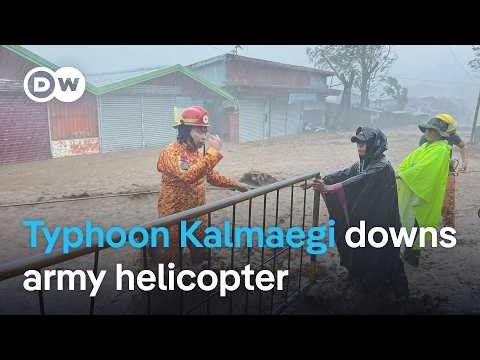
Typhoon Kalmaegi causes fatal helicopter crash, leaves Flood survivors trapped on roofs | DW News
0
Minjane posted on 2025/11/06Wow, Typhoon Kalmaegi caused some serious devastation in the Philippines, leading to a tragic helicopter crash and leaving people stranded! You'll hear firsthand accounts and learn crucial vocabulary related to natural disasters and humanitarian aid in this powerful DW News report.
Learn this video on the APP!
The VoiceTube App has more in-depth practice for videos!