Vocabulary
- over the top: More than what is considered normal or suitable; exaggerated.
- used to: Did regularly before, but don't do now
- walk around: To stroll or wander in a leisurely way.
- have to: Must do
- go back to: To return to a starting point
- talk about it: To discuss a particular subject.
- out of shape: In poor physical condition; not physically fit.
- with it: Intelligent, alert, and up-to-date.
- back then: At that time in the past.
- in trouble: Experiencing difficulties, problems, or legal issues.
- in the world: Used to emphasize a question expressing surprise, confusion, or disbelief.
- to the point: Expressing something directly and without unnecessary detail.
- look at: To use your eyes to focus on something
- get out of: To leave or escape responsibilities, troubles
- run across: To meet someone or find something by chance
- no man's land: An unoccupied or disputed area, often dangerous.
- a bit much: Slightly too extreme or unreasonable.
- knock it off: Stop doing something annoying or disruptive.
- over time: Gradually; as time passes.
- knock off: To make a copy of something often illegally
- chip on your shoulder: Holding a grudge or feeling resentful.
- found out: To learn or discover something, often after some effort.
- to do with: To be about something; concern
- got to: To arrive at some place
- back to work: Returning to one's job or professional duties after a period of absence.
- get back to: To get in contact with someone again
- move on: To decide to change or go to a different place
- think about: To consider something carefully.
- talking about: To discuss a particular topic.
- see in: To accompany someone to the entrance of a building or room.
- speak to: To address or communicate with someone.
- at work: Located at one's place of employment
- chill out: To relax and stop being angry or nervous about something.
- not necessary: Not required; not needed.
- stuff: Generic description for things, materials, objects
- period: Set amount of time during which events take place
- straight: Not having curves, bends, or angles
- ancient: Very old; having lived a very long time ago
- excessive: Beyond what is usual or proper
- relationship: Connection between two or more people or things
- bit: Device put in a horse's mouth to control it
- behavior: The way a person or thing acts; manner
- judge: Person who decides on the results of a contest
- extra: More than necessary; additional
- idiom: Phrase with a special, metaphoric meaning
- medieval: Old or out of date and not of much use
- reason: To think and make conclusions in a logical manner
- beat: To move in regular motions in order to push blood
- fertile: (Of imagination, etc.) working strongly; productive
- shape: The outer form of something, what it looks like
- mind: To be bothered or upset by something
- century: Period of 100 years
- british: Concerning the culture and people of British
- tick: To function properly or normally
- language: Words or signs used to communicate messages
- point: An item to be discussed
- chip: To break a small piece off something such as a cup
- dozen: 12 people or things
- great: Very good; better than before
- change: To exchange one set of clothes for another
- land: Region or country
- remember: To give someone a gift, e.g. birthday, wedding
- person: Man, woman or child
- knock: Bad experience that reduces a person's confidence
- weight: How heavy something is
- shoulder: Part of the body where an arm attaches or joins
- bonus: Extra money for achieving, exceeding targets
- bush: A wooden plant that is smaller than a tree
- bent: To become curved or no longer straight
- loaf: Large piece of bread baked as a whole
- trouble: To worry, bother or disturb someone
- lunatic: Old use, offensive a crazy person
- hole: An empty space, as in the ground, in a sock etc.
- honeymoon: Holiday or trip taken by a newly married couple
- mead: Alcoholic drink made from honey
Get the full experience in the app
Learn anywhere with detailed sentence and usage analysis
01:03
She took a brave step forward, leaving behind her comfort zone to chase her dreams.
Vocabulary
- brave
adj. Having courage
- comfort zone
phr. A familiar situation where one feels safe
Explanation
a brave step is a noun phrase, where brave is an adjective modifying the noun step, meaning "a courageous step".
forward is an adverb modifying step, meaning "ahead".
The whole phrase serves as the object, answering the "what" of took (verb) — she took a brave step forward.
Get the full experience in the app
Look up words anytime with pronunciation, part of speech, and usage
brave
US/brev/
UK/breɪv/
adj.Brave
v.t.To bravely face
A2 Elementary
Get the full experience in the app
Practice speaking anytime and get instant pronunciation feedback
Try this speaking exercise.
Try practicing with this sentence.
80
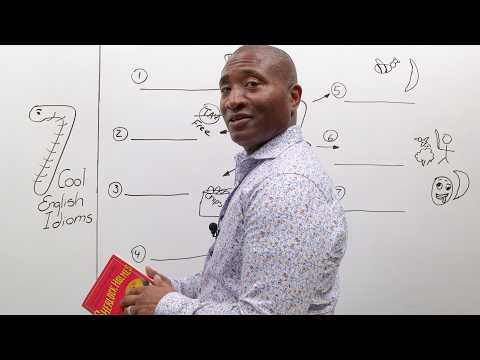
7 Common English Idioms (and Their Origins) — Over the Top, Scot-Free & More
0
林宜悉 posted on 2025/11/05Ever wondered where phrases like "over the top" or "scot-free" come from? This video dives into the fascinating origins of 7 common English idioms, giving you a deeper understanding and practical ways to use them in everyday conversations. You'll boost your vocabulary and gain some cool cultural insights along the way!
Learn this video on the APP!
The VoiceTube App has more in-depth practice for videos!