
a bit much
US /ə bɪt mʌtʃ/
UK /ə bit mʌtʃ/
- other
- Slightly too extreme or unreasonable.
B2Moreancient
US /ˈenʃənt/
UK /'eɪnʃənt/
- Adjective
- Very old; having lived a very long time ago
- Relating to a period in history, especially in the distant past.
- Noun
- A person who lived in ancient times.
A2Moreat work
US /æt wɚk/
UK /æt wə:k/
- Phrase
- Located at one's place of employment
A1Moreback then
US
UK
- Phrase
- At that time in the past.
A1Moreback to work
US
UK
- Phrase
- Returning to one's job or professional duties after a period of absence.
- Interjection
- An expression used to urge or remind people to resume working.
A1Morebeat
US /bit/
UK /bi:t/
- Intransitive Verb
- To move in regular motions in order to push blood
- Transitive Verb
- To strike or hit repeatedly and with great force
- To mix ingredients together with a fork or machine
A2Morebent
US /bɛnt/
UK /bent/
- Intransitive Verb
- To become curved or no longer straight
- To turn in a different direction, as a road
- Adjective
- Become curved or no longer straight
A2TOEICMorebonus
US /ˈboʊnəs/
UK /ˈbəʊnəs/
- Noun (Countable/Uncountable)
- Extra money for achieving, exceeding targets
- Something welcome and often unexpected that accompanies and enhances something else.
- Adjective
- Additional; extra.
A2TOEICMorebush
US /bʊʃ/
UK /bʊʃ/
- Noun
- A wooden plant that is smaller than a tree
A2Morechill out
US /tʃɪl aʊt/
UK /tʃil aut/
- Verb (Transitive/Intransitive)
- To relax and stop being angry or nervous about something.
- To calm down; to become less excited or agitated.
- Phrasal Verb
- To relax and stop being angry or nervous about something.
B2Morechip
US /tʃɪp/
UK /tʃɪp/
- Transitive Verb
- To break a small piece off something such as a cup
- To break into small pieces, often with a tool
- Noun (Countable/Uncountable)
- Small piece that has broken off (e.g. from cup)
- Piece of computer hardware that does calculations
B1Morechip on your shoulder
US /tʃɪp ɑn jʊɚ ˈʃoʊldɚ/
UK /tʃɪp ɒn jɔ: ˈʃəuldə/
- other
- Holding a grudge or feeling resentful.
B2Moredozen
US /ˈdʌzən/
UK /ˈdʌzn/
- Countable Noun
- 12 people or things
A2Moreexcessive
US /ɪkˈsɛsɪv/
UK /ɪkˈsesɪv/
- Adjective
- Beyond what is usual or proper
B2Moreextra
US /'ekstrə/
UK /'ekstrə/
- Adjective
- More than necessary; additional
- Of especially good quality or grade.
- Noun (Countable/Uncountable)
- Items more than you need; additional items
- Person who has a small part in a movie
A2Morefertile
US /ˈfɚtl/
UK /'fɜ:taɪl/
- Adjective
- (Of imagination, etc.) working strongly; productive
- Capable of producing children or young
B1Morefound out
US
UK
- Phrasal Verb
- To learn or discover something, often after some effort.
- To become known; be revealed.
B2Moreget back to
US /ɡɛt bæk tu/
UK /ɡet bæk tu:/
- Phrasal Verb
- To get in contact with someone again
- To return to someone or something; to respond at a later time.
A1Moreget out of
US /ɡɛt aʊt ʌv/
UK /ɡet aut ɔv/
- Phrasal Verb
- To leave or escape responsibilities, troubles
- To leave a small, enclosed vehicle
A1Morego back to
US /ɡo bæk tu/
UK /ɡəu bæk tu:/
- Phrasal Verb
- To return to a starting point
A1Moregot to
US /ɡɑt tu/
UK /gɔt tu:/
- Verb (Transitive/Intransitive)
- To arrive at some place
- To have the opportunity or permission to do something
- Phrasal Verb
- To appeal to the emotions of; move
- To finally begin to start something after a delay
A1Morehave to
US /hæv tu/
UK /ˈhæv tə/
- Auxiliary Verb
- Must do
A1Morehole
US /hol/
UK /həʊl/
- Noun (Countable/Uncountable)
- An empty space, as in the ground, in a sock etc.
- Fault or weakness in a plan, idea or explanation
- Transitive Verb
- (Golf) to get the ball into the hole
- To make a hole in something.
A2Morehoneymoon
US /ˈhʌniˌmun/
UK /'hʌnɪmu:n/
- Noun
- Holiday or trip taken by a newly married couple
B1Moreidiom
US /ˈɪdiəm/
UK /ˈɪdiəm/
- Noun
- Phrase with a special, metaphoric meaning
B2Morein the world
US /ɪn ði wɜrld/
UK /in ðə wɜː(r)ld/
- Phrase
- Used to emphasize a question expressing surprise, confusion, disbelief
- Used to indicate the extent or degree of something, often in a superlative sense
A1Morein trouble
US /ɪn ˈtrʌbəl/
UK /in ˈtrʌbl/
- Adjective
- Experiencing difficulties, problems, or legal issues.
- other
- In serious trouble or difficulty.
A1Morejudge
US /dʒʌdʒ/
UK /dʒʌdʒ/
- Noun (Countable/Uncountable)
- Person who decides on the results of a contest
- Person who has the power to make a decision
- Verb (Transitive/Intransitive)
- To reach a decision about who won a contest
- To form an opinion after careful consideration
A2TOEICMoreknock
US /nɑk/
UK /nɒk/
- Noun
- Bad experience that reduces a person's confidence
- Action of something solid hitting something hard
- Transitive Verb
- To criticize someone in an unreasonable way
- To hit something to get people's attention
A2Moreknock it off
US /nɑk ɪt ɔf/
UK /nɔk it ɔf/
- Phrasal Verb
- Stop doing something annoying or disruptive.
- Interjection
- Stop doing something annoying or disruptive.
A1Moreknock off
US /nɑk ɔf/
UK /nɔk ɔf/
- Phrasal Verb
- To make a copy of something often illegally
- To hit something so the top of it comes off
- Verb (Transitive/Intransitive)
- To quickly produce a copy or imitation of something.
- To stop working.
A2Moreloaf
US /loʊf/
UK /ləʊf/
- Countable Noun
- Large piece of bread baked as a whole
- Intransitive Verb
- To spend time idly
B2Morelook at
US /lʊk æt/
UK /luk æt/
- Phrasal Verb
- To use your eyes to focus on something
- To focus your eyes on something carefully
A1Morelunatic
US /ˈlunətɪk/
UK /ˈlu:nətɪk/
- Adjective
- Old use, offensive a crazy person
B2Moremead
US /mi:d/
UK /mi:d/
- Noun
- Alcoholic drink made from honey
C1Moremedieval
US /ˌmidiˈivəl/
UK /ˌmediˈi:vl/
- Adjective
- Old or out of date and not of much use
- Relating to the Middle Ages (approximately 5th to 15th century).
B1Moremove on
US /muv ɑn/
UK /mu:v ɔn/
- Phrasal Verb
- To decide to change or go to a different place
- To start talking about something different.
A1Moreno man's land
US /no mænz lænd/
UK /nəʊ mænz lænd/
- other
- An unoccupied or disputed area, often dangerous.
B2Morenot necessary
US
UK
- Adjective
- Not required; not needed.
- Phrase
- Optional; not compulsory.
- Avoidable; not inevitable.
B1Moreout of shape
US /aʊt ʌv ʃep/
UK /aut ɔv ʃeip/
- Adjective
- In poor physical condition; not physically fit.
A1Moreover the top
US /ˈovɚ ði tɑp/
UK /ˈəuvə ðə tɔp/
- Adjective
- More than what is considered normal or suitable; exaggerated.
- So extreme that it is offensive.
- Adverb
- To an excessive degree; excessively.
A1Moreover time
US /ˈovɚ taɪm/
UK /ˈəuvə taim/
- Phrase
- Gradually; as time passes.
- During a long period.
- Adverb
- Gradually; as time passes.
B1Morerelationship
US /rɪˈleʃənˌʃɪp/
UK /rɪˈleɪʃnʃɪp/
- Noun (Countable/Uncountable)
- Connection between two or more people or things
- Way people interact or live with each other
A2TOEICMorerun across
US /rʌn əˈkrɔs/
UK /rʌn əˈkrɔs/
- Phrasal Verb
- To meet someone or find something by chance
A1Moresee in
US /si ɪn/
UK /si: in/
- Phrasal Verb
- To accompany someone to the entrance of a building or room.
A1Moreshoulder
US /ˈʃoldɚ/
UK /ˈʃəʊldə(r)/
- Noun (Countable/Uncountable)
- Part of the body where an arm attaches or joins
- Meat that comes from an animal's upper front leg
- Transitive Verb
- To carry something around your neck
- To push something using the top part of your arm
A2Morespeak to
US /spik tu/
UK /spi:k tu:/
- Verb (Transitive/Intransitive)
- To address or communicate with someone.
- To indicate or suggest something; to be relevant to.
A1Morestraight
US /stret/
UK /streɪt/
- Adjective
- Not having curves, bends, or angles
- Not gay; heterosexual
- Adverb
- in a line; immediately; honestly and directly
- In a straight line; directly.
A2TOEICMorestuff
US /stʌf/
UK /stʌf/
- Uncountable Noun
- Generic description for things, materials, objects
- Transitive Verb
- To push material inside something, with force
B1Moretalk about it
US /tɔk əˈbaʊt ɪt/
UK /tɔ:k əˈbaut it/
- Verb (Transitive/Intransitive)
- To discuss a particular subject.
A1Moretalking about
US
UK
- Phrasal Verb
- To discuss a particular topic.
- To be constantly mentioning or bringing up a subject.
A1Morethink about
US /θɪŋk əˈbaʊt/
UK /θiŋk əˈbaut/
- Phrasal Verb
- To consider something carefully.
- To remember or call to mind.
A1Moretick
US /tɪk/
UK /tɪk/
- Intransitive Verb
- To function properly or normally
- (Clock) to make light regular timed noise
- Countable Noun
- Small blood-sucking insect that lives on the skin
- Written mark to show something is correct or done
B1Moreto do with
US
UK
- Phrasal Verb
- To be about something; concern
A1Moreto the point
US /tu ði pɔɪnt/
UK /tu: ðə pɔint/
- Adjective
- Expressing something directly and without unnecessary detail.
- Phrase
- Relevant and pertinent to the matter at hand.
A2Moretrouble
US /ˈtrʌbəl/
UK /ˈtrʌbl/
- Transitive Verb
- To worry, bother or disturb someone
- To make an effort to do something; bother
- Uncountable Noun
- Lack of public order; disturbance
- State of difficulty or stress
A2TOEICMoreused to
US /juzd tu/
UK /ˈju:st tə/
- Adjective
- Did regularly before, but don't do now
- Auxiliary Verb
- Have done before, but do not do now
A1Morewalk around
US
UK
- Phrasal Verb
- To stroll or wander in a leisurely way.
- To move about in order to inspect something.
A2Moreweight
US /wet/
UK /weɪt/
- Uncountable Noun
- How heavy something is
- Metal object to measure how heavy something is
A2TOEICMorewith it
US /wɪð ɪt/
UK /wið it/
- Adjective
- Intelligent, alert, and up-to-date.
- Understanding and knowledgeable about current trends or information.
A1More
Vocabulary
- over the top: More than what is considered normal or suitable; exaggerated.
- used to: Did regularly before, but don't do now
- walk around: To stroll or wander in a leisurely way.
- have to: Must do
- go back to: To return to a starting point
- talk about it: To discuss a particular subject.
- out of shape: In poor physical condition; not physically fit.
- with it: Intelligent, alert, and up-to-date.
- back then: At that time in the past.
- in trouble: Experiencing difficulties, problems, or legal issues.
- in the world: Used to emphasize a question expressing surprise, confusion, disbelief
- to the point: Expressing something directly and without unnecessary detail.
- look at: To use your eyes to focus on something
- get out of: To leave or escape responsibilities, troubles
- run across: To meet someone or find something by chance
- no man's land: An unoccupied or disputed area, often dangerous.
- a bit much: Slightly too extreme or unreasonable.
- knock it off: Stop doing something annoying or disruptive.
- over time: Gradually; as time passes.
- knock off: To make a copy of something often illegally
- chip on your shoulder: Holding a grudge or feeling resentful.
- found out: To learn or discover something, often after some effort.
- to do with: To be about something; concern
- got to: To arrive at some place
- back to work: Returning to one's job or professional duties after a period of absence.
- get back to: To get in contact with someone again
- move on: To decide to change or go to a different place
- think about: To consider something carefully.
- talking about: To discuss a particular topic.
- see in: To accompany someone to the entrance of a building or room.
- speak to: To address or communicate with someone.
- at work: Located at one's place of employment
- chill out: To relax and stop being angry or nervous about something.
- not necessary: Not required; not needed.
- stuff: Generic description for things, materials, objects
- period: Set amount of time during which events take place
- straight: Not having curves, bends, or angles
- ancient: Very old; having lived a very long time ago
- excessive: Beyond what is usual or proper
- relationship: Connection between two or more people or things
- bit: Device put in a horse's mouth to control it
- behavior: The way a person or thing acts; manner
- judge: Person who decides on the results of a contest
- extra: More than necessary; additional
- medieval: Old or out of date and not of much use
- idiom: Phrase with a special, metaphoric meaning
- reason: To think and make conclusions in a logical manner
- beat: To move in regular motions in order to push blood
- fertile: (Of imagination, etc.) working strongly; productive
- shape: The outer form of something, what it looks like
- mind: To be bothered or upset by something
- century: Period of 100 years
- british: Concerning the culture and people of British
- tick: To function properly or normally
- language: Words or signs used to communicate messages
- point: An item to be discussed
- chip: To break a small piece off something such as a cup
- dozen: 12 people or things
- great: Very good; better than before
- change: To exchange one set of clothes for another
- remember: To give someone a gift, e.g. birthday, wedding
- land: Region or country
- person: Man, woman or child
- knock: Bad experience that reduces a person's confidence
- weight: How heavy something is
- bonus: Extra money for achieving, exceeding targets
- shoulder: Part of the body where an arm attaches or joins
- bush: A wooden plant that is smaller than a tree
- bent: To become curved or no longer straight
- loaf: Large piece of bread baked as a whole
- trouble: To worry, bother or disturb someone
- lunatic: Old use, offensive a crazy person
- hole: An empty space, as in the ground, in a sock etc.
- honeymoon: Holiday or trip taken by a newly married couple
- mead: Alcoholic drink made from honey
Get the full experience in the app
Learn anywhere with detailed sentence and usage analysis
01:03
She took a brave step forward, leaving behind her comfort zone to chase her dreams.
Vocabulary
- brave
adj. Having courage
- comfort zone
phr. A familiar situation where one feels safe
Explanation
a brave step is a noun phrase, where brave is an adjective modifying the noun step, meaning "a courageous step".
forward is an adverb modifying step, meaning "ahead".
The whole phrase serves as the object, answering the "what" of took (verb) — she took a brave step forward.
Get the full experience in the app
Look up words anytime with pronunciation, part of speech, and usage
brave
US/brev/
UK/breɪv/
adj.Brave
v.t.To bravely face
A2 Elementary
Get the full experience in the app
Practice speaking anytime and get instant pronunciation feedback
Try this speaking exercise.
Try practicing with this sentence.
80
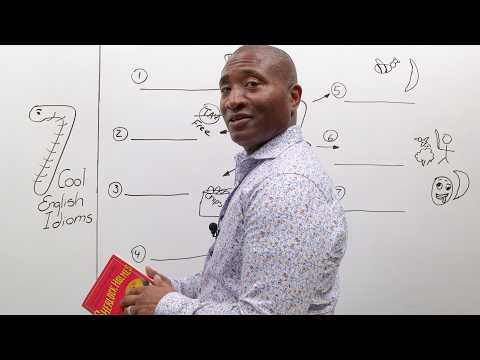
7 Common English Idioms (and Their Origins) — Over the Top, Scot-Free & More
0
林宜悉 posted on 2025/11/05Ever wondered where phrases like "over the top" or "scot-free" come from? This video dives into the fascinating origins of 7 common English idioms, giving you a deeper understanding and practical ways to use them in everyday conversations. You'll boost your vocabulary and gain some cool cultural insights along the way!
Learn this video on the APP!
The VoiceTube App has more in-depth practice for videos!