
abrupt
US /əˈbrʌpt/
UK /əˈbrʌpt/
- Adjective
- Very sudden, often in a bad way
B1Morecontinuous
US /kənˈtɪnjuəs/
UK /kənˈtɪnjuəs/
- Adjective
- Happening, existing, or performed without stops
- Extending or prolonged without interruption or cessation.
A2Moredirect
US /dɪˈrɛkt, daɪ-/
UK /də'rekt/
- Transitive Verb
- To tell someone in a very clear way to do something
- To show the way by conducting or leading
- Adverb
- Coming straight from something
A2TOEICMoreexcuse
US /ɪkˈskjuz/
UK /ɪk'skju:s/
- Transitive Verb
- To allow someone not to do (jury service, etc.)
- To explain acting in a bad or impolite manner
- Noun
- Note explaining why someone cannot do or attend
- Reason why you did or didn't do something
A2Moregenerally
US /ˈdʒɛnərəli/
UK /ˈdʒenrəli/
- Adverb
- Usually; as a rule; by, to or for most people
A2Moregrateful
US /ˈɡretfəl/
UK /ˈgreɪtfl/
- Adjective
- Feeling or showing thanks; thankful
B1TOEICMoreindirect
US /ˌɪndɪˈrɛkt, -daɪ-/
UK /ˌɪndəˈrekt/
- Adjective
- Being not directly connected to or caused by
- Having a path that is not straight or direct
B1Moreinstead of
US /ɪnˈstɛd ʌv/
UK /inˈsted ɔv/
- Preposition
- When one thing is replaced by another
- Adverb
- As a substitute or alternative.
A1Moreintroductory
US /ˌɪntrəˈdʌktəri/
UK /ˌɪntrəˈdʌktəri/
- Adjective
- Serving as an initial experience of something
A2TOEICMorelift
US /lɪft/
UK /lɪft/
- Noun
- Picking someone up in a car and taking to a place
- Machine carrying people up or down to other floors
- Transitive Verb
- To stop or cancel something, such as a rule
- To move something to higher position
A2Morelook at
US /lʊk æt/
UK /luk æt/
- Phrasal Verb
- To use your eyes to focus on something
- To focus your eyes on something carefully
A1Moremade with
US
UK
- Phrase
- Containing a particular ingredient or material.
- Created or produced using a specific tool, method, or process.
- Phrasal Verb
- To offer or provide something, often quickly or unexpectedly.
A1Morenah
US /nɑ:/
UK /nɑ:/
- Noun
- Way of saying 'No'
B2Moreopinion
US /əˈpɪnjən/
UK /əˈpɪnjən/
- Noun
- Court judge's statement why a decision was made
- A person's thoughts on a topic
A2TOEICMorepassive
US /ˈpæsɪv/
UK /ˈpæsɪv/
- Adjective
- Allowing things to happen with quiet acceptance
- With sentence's subject being what verb acts on
- Noun
- A person who is passive; one who does not actively participate or resist.
B1Morepolite
US /pəˈlaɪt/
UK /pəˈlaɪt/
- Adjective
- Showing good manners or respect for other people
A2TOEICMorepresentation
US /ˌprɛzənˈteʃən, ˌprizən-/
UK /ˌpreznˈteɪʃn/
- Noun (Countable/Uncountable)
- Act of giving a formal talk about something
- Way in which something is displayed or shown
A2Moreread over
US
UK
- Phrasal Verb
- To review or examine something carefully.
- To read something quickly and superficially.
A1Morereckon
US /ˈrɛkən/
UK /ˈrekən/
- Verb (Transitive/Intransitive)
- To believe or expect that something is true
A2Morerude
US /rud/
UK /ru:d/
- Adjective
- Being unkind or impolite to others; disrespectful
- Offensive; ill-mannered
A2Moretalking about
US
UK
- Phrasal Verb
- To discuss a particular topic.
- To be constantly mentioning or bringing up a subject.
A1Moreuncomfortable
US /ʌnˈkʌmfətəbəl, -ˈkʌmftə-/
UK /ʌnˈkʌmftəbl/
- Adjective
- Not being relaxed; worried about something
- Causing or feeling slight pain or physical unease.
B1Moreunsure
US /ʌnˈʃʊr, -ˈʃə:r/
UK /ˌʌnˈʃʊə(r)/
- Adjective
- Lacking confidence or certainty
- Lacking confidence in your own words or actions
B1Morevague
US /veɡ/
UK /veɪɡ/
- Adjective
- Not clearly stated or expressed; rough; unclear
- Being not clearly visible
B1Moreweekend
US /ˈwi:kend/
UK /ˌwi:kˈend/
- Noun
- Saturday and Sunday, after the normal working week
A2More
Vocabulary
- instead of: When one thing is replaced by another
- look at: To use your eyes to focus on something
- read over: To review or examine something carefully.
- talking about: To discuss a particular topic.
- made with: Containing a particular ingredient or material.
- sort: To organize things by putting them into groups
- vague: Not clearly stated or expressed; rough; unclear
- doubt: Not being sure of something; lack of certainty
- opinion: Court judge's statement why a decision was made
- bit: Device put in a horse's mouth to control it
- presentation: Act of giving a formal talk about something
- passive: Allowing things to happen with quiet acceptance
- wonder: Surprise caused by experiencing something amazing
- direct: To tell someone in a very clear way to do something
- generally: Usually; as a rule; by, to or for most people
- address: Exact street location of a place
- form: Sports team or person's current winning record
- polite: Showing good manners or respect for other people
- lift: Picking someone up in a car and taking to a place
- reason: To think and make conclusions in a logical manner
- guess: To give an answer without knowing if it is correct
- rude: Being unkind or impolite to others; disrespectful
- reckon: To believe or expect that something is true
- mind: To be bothered or upset by something
- leave: To go away from; depart
- grateful: Feeling or showing thanks; thankful
- excuse: To allow someone not to do (jury service, etc.)
- moment: Very short or brief period of time
- sound: Sensible, dependable and reliable
- kind: In a caring and helpful manner
- learn: To get knowledge or skills by study or experience
- information: Collection of facts and details about something
- abrupt: Very sudden, often in a bad way
- continuous: Happening, existing, or performed without stops
- uncomfortable: Not being relaxed; worried about something
- indirect: Being not directly connected to or caused by
- unsure: Lacking confidence or certainty
- weekend: Saturday and Sunday, after the normal working week
- introductory: Serving as an initial experience of something
- nah: Way of saying 'No'
Get the full experience in the app
Learn anywhere with detailed sentence and usage analysis
01:03
She took a brave step forward, leaving behind her comfort zone to chase her dreams.
Vocabulary
- brave
adj. Having courage
- comfort zone
phr. A familiar situation where one feels safe
Explanation
a brave step is a noun phrase, where brave is an adjective modifying the noun step, meaning "a courageous step".
forward is an adverb modifying step, meaning "ahead".
The whole phrase serves as the object, answering the "what" of took (verb) — she took a brave step forward.
Get the full experience in the app
Look up words anytime with pronunciation, part of speech, and usage
brave
US/brev/
UK/breɪv/
adj.Brave
v.t.To bravely face
A2 Elementary
Get the full experience in the app
Practice speaking anytime and get instant pronunciation feedback
Try this speaking exercise.
Try practicing with this sentence.
80
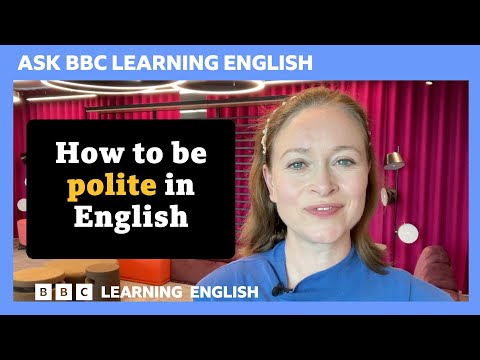
How to be polite in English: Ask BBC Learning English
0
Minjane posted on 2025/11/07Ever wondered how to ask for things politely in English without sounding demanding? This video from BBC Learning English is your perfect guide, packed with useful set phrases and indirect language to help you navigate conversations like a pro! You'll pick up essential skills for both daily chats and workplace interactions, including how to say 'no' gracefully.
Learn this video on the APP!
The VoiceTube App has more in-depth practice for videos!