
attack
US /əˈtæk/
UK /ə'tæk/
- Transitive Verb
- To try to destroy, beat, or injure
- Noun
- Act intended to hurt someone physically, mentally
A2Morebaby
US /ˈbeɪbi/
UK /ˈbeɪbi/
- Countable Noun
- A very young child, who cannot yet speak
- Transitive Verb
- To treat someone as if they were newly born
A2Moreclassify
US /ˈklæsəˌfaɪ/
UK /'klæsɪfaɪ/
- Transitive Verb
- To arrange things into groups of similar items
- To keep some information secret from the public
B2Morecome back
US /kʌm bæk/
UK /kʌm bæk/
- Phrasal Verb
- To reply to someone, often forcefully
- To be remembered
A1Morecostume
US /ˈkɑsˌtum, -ˌtjum/
UK /'kɒstju:m/
- Noun (Countable/Uncountable)
- Special clothes, e.g. clothes for acting in a film
- The traditional dress of a particular region or historical period.
- Transitive Verb
- To provide with a costume.
A2Moreescape
US /ɪˈskep/
UK /ɪ'skeɪp/
- Noun (Countable/Uncountable)
- Act to briefly ignoring boring or bad things
- The 'esc key' on a keyboard
- Verb (Transitive/Intransitive)
- To avoid something undesirable, dangerous or bad
- To get away from a place where you are being kept
A2Moreexcuse
US /ɪkˈskjuz/
UK /ɪk'skju:s/
- Transitive Verb
- To allow someone not to do (jury service, etc.)
- To explain acting in a bad or impolite manner
- Noun
- Note explaining why someone cannot do or attend
- Reason why you did or didn't do something
A2Morefake
US /fek/
UK /feɪk/
- Adjective
- Not real; made to look like something real
- Countable Noun
- A copy of something made to trick people
B1Morefool
US /ful/
UK /fu:l/
- Noun (Countable/Uncountable)
- An idiot; someone who does something stupid
- Person kept by royalty to entertain with jokes
- Transitive Verb
- To trick someone; to deceive
A2Morefry
US /fraɪ/
UK /fraɪ/
- Transitive Verb
- To cook something in fat or oil
- Intransitive Verb
- To burn your skin due to too long in the sun
A2Moregorilla
US /ɡəˈrɪlə/
UK /gəˈrɪlə/
- Countable Noun
- Very large African ape, usually with dark fur
B2Morehave to
US /hæv tu/
UK /ˈhæv tə/
- Auxiliary Verb
- Must do
A1Morehungry
US /ˈhʌŋɡri/
UK /ˈhʌŋgri/
- Adjective
- Feeling a need or want to eat food
- Feeling a need or want to eat food
B2Moreidiot
US /ˈɪdiət/
UK /'ɪdɪət/
- Noun
- A person who is foolish or not very smart
B2Morelive on
US
UK
- Phrasal Verb
- To continue to exist or be remembered.
- To eat a particular type of food as the main thing.
mad
US /mæd/
UK /mæd/
- Adjective
- Very angry
- Enthusiastic about something
A2Moremask
US /mæsk/
UK /mɑ:sk/
- Transitive Verb
- To hide something so that it cannot be seen
- To hide something so that it cannot be seen
- Noun (Countable/Uncountable)
- Covering to hide or disguise the face
- Way of pretending to behave that is not real
B1Moremonkey
US /ˈmʌŋki/
UK /ˈmʌŋki/
- Noun
- An animal related to humans, which lives in trees
A2Morenightmare
US /ˈnaɪtˌmɛr/
UK /ˈnaɪtmeə(r)/
- Noun (Countable/Uncountable)
- Frightening, difficult or displeasing experience
- Frightening or upsetting dream while sleeping
A2Moreon the scene
US /ɑn ði sin/
UK /ɔn ðə si:n/
- Phrase
- Present at a location, especially where something has happened.
- Involved or active in a particular area or activity.
B1Moreorder up
US
UK
- Phrasal Verb
- A phrase used in restaurants to indicate that a prepared dish is ready to be served.
- To request or arrange for something to be delivered or provided.
A2Morepig
US /pɪɡ/
UK /pɪg/
- Countable Noun
- Animal that bacon, pork and ham come from
- Greedy person
B1Moreprank
US /præŋk/
UK /præŋk/
- Noun
- Trick performed to make people look foolish
C1Moreprimate
US /ˈpraɪmɪt, -ˌmet/
UK /'praɪmeɪt/
- Countable Noun
- One of species containing humans and monkeys
- A chief bishop or archbishop.
B2Moreruin
US /ˈruɪn/
UK /'ru:ɪn/
- Transitive Verb
- To damage or completely destroy something
- To cause someone to lose their money or status
- Noun (Countable/Uncountable)
- Remains of a building that has been destroyed
- The state of being destroyed or severely damaged.
B1Morescene
US /sin/
UK /si:n/
- Noun
- Incident where someone behaves angrily, badly
- View that looks like a picture
A2TOEICMoresettle
US /ˈsɛtl/
UK /'setl/
- Transitive Verb
- To make (a child, etc.) feel calm/ready for sleep
- To complete or finalize e.g. a contract or debt
- Intransitive Verb
- To become accustomed to a new environment
- (Of liquids) to move to the bottom of a container
A2Moresettle down
US /ˈsɛtl daʊn/
UK /ˈsetl daun/
- Phrasal Verb
- To become calm and relaxed after not being so
- To begin living in a stable and ordinary way
A2Moresilver
US /ˈsɪlvɚ/
UK /'sɪlvə(r)/
- Noun
- Person's name
- Shiny gray color
- Transitive Verb
- To coat something with a layer of silver
- To polish silver objects to make them shine
A2Moresnack
US /snæk/
UK /snæk/
- Noun (Countable/Uncountable)
- Small amount of food eaten between meals
- Intransitive Verb
- To eat a small amount outside of regular meal time
B2Moresuck
US /sʌk/
UK /sʌk/
- Intransitive Verb
- To be very bad, undesirable or unpleasant
- Transitive Verb
- To pull or remove something with great power
- To attract someone; make someone interested
B1Moretake over
US /tek ˈovɚ/
UK /teik ˈəuvə/
- Phrasal Verb
- To gain control of (a company) from someone else
- To assume control or possession of something.
A1Moretypical
US /ˈtɪpɪkəl/
UK /ˈtɪpɪkl/
- Adjective
- Normal; usual; expected
- Serving as a representative example of a particular type.
A2Moreunzip
US /ˌʌn'zɪp/
UK /ˌʌnˈzɪp/
- Transitive Verb
- To open the zipper of
B1Morewhoa
US /woʊ/
UK /wəʊ/
- Interjection
- Tell someone to do something more slowly
- An exclamation of surprise, amazement, or shock.
C1Morewild
US /waɪld/
UK /waɪld/
- Adverb
- In a manner which lacks control
- Adjective
- Living in nature; not tame
- (Of land) not developed by people
A2Morezipper
US /ˈzɪpɚ/
UK /'zɪpə(r)/
- Noun
- Device with interlocking teeth to close pants, etc.
B1Morezoo
US /zu/
UK /zu:/
- Noun (Countable/Uncountable)
- Place in a town where wild animals are shown
B1More
Vocabulary
- come back: To reply to someone, often forcefully
- have to: Must do
- order up: A phrase used in restaurants to indicate that a prepared dish is ready to be served.
- live on: To continue to exist or be remembered.
- on the scene: Present at a location, especially where something has happened.
- take over: To gain control of (a company) from someone else
- settle down: To become calm and relaxed after not being so
- ruin: To damage or completely destroy something
- scene: Incident where someone behaves angrily, badly
- bit: Device put in a horse's mouth to control it
- escape: Act to briefly ignoring boring or bad things
- suck: To be very bad, undesirable or unpleasant
- settle: To make (a child, etc.) feel calm/ready for sleep
- typical: Normal; usual; expected
- guess: To give an answer without knowing if it is correct
- break: To create a new record e.g. running the 100m dash
- costume: Special clothes, e.g. clothes for acting in a film
- nightmare: Frightening, difficult or displeasing experience
- excuse: To allow someone not to do (jury service, etc.)
- fake: Not real; made to look like something real
- idiot: A person who is foolish or not very smart
- prank: Trick performed to make people look foolish
- wild: In a manner which lacks control
- order: Religious or social group, as of nuns
- control: A device designed to operate a machine
- allow: To admit the validity or truth of something
- mad: Very angry
- snack: Small amount of food eaten between meals
- suit: To be appropriate for a given situation
- head: To hit a ball with your head in a game
- pick: Sharp tool used for breaking the ground
- primate: One of species containing humans and monkeys
- hard: Difficult to do; difficult to understand
- attack: To try to destroy, beat, or injure
- real: Actually existing or happening, not imagined
- silver: Person's name
- work: The product of some artistic or literary endeavor
- voila
- time: Speed at which music is played; tempo
- classify: To arrange things into groups of similar items
- live: To be alive
- fool: An idiot; someone who does something stupid
- fry: To cook something in fat or oil
- gorilla: Very large African ape, usually with dark fur
- mask: To hide something so that it cannot be seen
- zipper: Device with interlocking teeth to close pants, etc.
- whoa: Tell someone to do something more slowly
- hungry: Feeling a need or want to eat food
- baby: A very young child, who cannot yet speak
- pig: Animal that bacon, pork and ham come from
- monkey: An animal related to humans, which lives in trees
- zoo: Place in a town where wild animals are shown
- unzip: To open the zipper of
Get the full experience in the app
Learn anywhere with detailed sentence and usage analysis
01:03
She took a brave step forward, leaving behind her comfort zone to chase her dreams.
Vocabulary
- brave
adj. Having courage
- comfort zone
phr. A familiar situation where one feels safe
Explanation
a brave step is a noun phrase, where brave is an adjective modifying the noun step, meaning "a courageous step".
forward is an adverb modifying step, meaning "ahead".
The whole phrase serves as the object, answering the "what" of took (verb) — she took a brave step forward.
Get the full experience in the app
Look up words anytime with pronunciation, part of speech, and usage
brave
US/brev/
UK/breɪv/
adj.Brave
v.t.To bravely face
A2 Elementary
Get the full experience in the app
Practice speaking anytime and get instant pronunciation feedback
Try this speaking exercise.
Try practicing with this sentence.
80
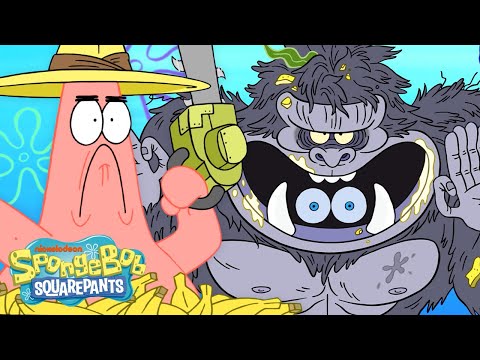
SpongeBob's Gorilla Suit Day! 🦍🍌 | Full Scene | @SpongeBobOfficial
0
林宜悉 posted on 2025/10/21Get ready for some hilarious chaos at the Krusty Krab! You'll love watching SpongeBob deal with a runaway gorilla suit and pick up some super useful situational dialogue along the way. This is a fantastic chance to practice simple sentence structures with a side of slapstick comedy!
Learn this video on the APP!
The VoiceTube App has more in-depth practice for videos!