
accredit
US
UK
- Transitive Verb
- To state that meets certain standards
C1TOEICMorealso known as
US
UK
- Phrase
- Also called; alternatively named.
- Identified by another term; synonymous with.
A1Moreas well as
US /æz wɛl æz/
UK /æz wel æz/
- Adverb
- Also; in addition to
- Preposition
- In addition to; and also.
A1Moreat least
US /æt list/
UK /æt li:st/
- Adverb
- As a minimum
- Not less than
- Phrase
- No less than; at the minimum
- Used to indicate that something is positive in a bad situation.
C2Morebased on
US
UK
- Phrasal Verb
- To use something as the foundation or starting point for something else.
- Preposition
- Using something as the main idea or foundation.
- Relying on something as evidence or justification.
A1Morebloodstream
US /ˈblʌdˌstrim/
UK /ˈblʌdstri:m/
- Uncountable Noun
- Blood flowing through the circulatory system
C2Morebreak down
US /brek daʊn/
UK /breik daun/
- Phrasal Verb
- To forcibly break, destroy or make collapse
- (Machine) to stop working or become weaker
A1Morecardiology
US
UK
- Uncountable Noun
- Branch of medicine dealing with heart disease
C1Morecare for
US /kɛr fɔr/
UK /kɛə fɔ:/
- Phrasal Verb
- To want or desire a thing
- To look after someone who is ill, old, or very young.
A1Morecheck out
US /tʃɛk aʊt/
UK /tʃek aut/
- Phrase
- Phrasal Verb
- To find out information about something
- To take books out of a library
A1Morechronic
US /ˈkrɑnɪk/
UK /'krɒnɪk/
- Adjective
- Always or often doing something, e.g. lying
- (Of disease) over a long time; serious
B1Moreclinical
US /ˈklɪnɪkəl/
UK /ˈklɪnɪkl/
- Adjective
- Concerning the treatment or observing patients
- Using scientific techniques and precision
B1Morecolossal
US /kəˈlɑ:sl/
UK /kəˈlɒsl/
- Adjective
- Being extremely large in size or amount
- Extraordinarily great in size, extent, or degree; gigantic; huge.
C1Morecommonly
US /ˈkɑmənlɪ/
UK /ˈkɒmənli/
- Adverb
- Typically, normally; not unusually
- Widely; by many people.
A2Morecomp
US /kɑ:mp/
UK /kɒmp/
- Noun
- Intensive examination of specialized information
B2Morecompetitive
US /kəmˈpɛtɪtɪv/
UK /kəmˈpetətɪv/
- Adjective
- Being strongly driven to win or be better than
- As good as or better than others.
B1Moreconsiderably
US /kənˈsɪdərəblɪ/
UK /kənˈsɪdərəbli/
- Adverb
- Quite a lot; to a large degree
- To a large amount or quantity.
B1Moreconsists of
US
UK
- Phrasal Verb
- Is made up or composed of.
A1Moredescription
US /dɪˈskrɪpʃən/
UK /dɪˈskrɪpʃn/
- Noun
- Explanation of what something is like, looks like
- The type or nature of someone or something.
A2TOEICMoredue to
US /du tu/
UK /dju: tu:/
- Preposition
- Because of; owing to
- Adjective
- Attributable to; caused by.
A1Moreemergency
US /ɪˈmɚdʒənsi/
UK /ɪ'mɜ:dʒənsɪ/
- Noun (Countable/Uncountable)
- Sudden event needing an immediate action
- A medical condition manifesting itself by acute symptoms of sufficient severity such that the absence of immediate medical attention could reasonably be expected to result in placing the patient's health in serious jeopardy.
- Adjective
- Used in an emergency; for use when something dangerous happens.
- Designed for use in an emergency.
A2TOEICMoreextra
US /'ekstrə/
UK /'ekstrə/
- Adjective
- More than necessary; additional
- Of especially good quality or grade.
- Noun (Countable/Uncountable)
- Items more than you need; additional items
- Person who has a small part in a movie
A2Morefellowship
US /ˈfeloʊʃɪp/
UK /ˈfeləʊʃɪp/
- Uncountable Noun
- Friendly feeling or relationship
- Countable Noun
- Group sharing similar religious beliefs or hopes
- A financial grant of money given to a student
B1Moreflexibility
US
UK
- Uncountable Noun
- The quality of being able to be bent or stretched
B1TOEICMorefor example
US
UK
- Phrase
- As an illustration or instance.
from birth
US
UK
- Phrase
- Since the time someone was born
- Inherently; from the beginning of life
B1Moregenerally
US /ˈdʒɛnərəli/
UK /ˈdʒenrəli/
- Adverb
- Usually; as a rule; by, to or for most people
A2Moregenetic
US /dʒəˈnɛtɪk/
UK /dʒəˈnetɪk/
- Adjective
- Of, relating to, or controlled by genes
- Relating to genes or heredity.
B1Moregenomic
US /dʒi:'ŋoʊmɪk/
UK /dʒi:'ŋəʊmɪk/
- Adjective
- Concerning the set of genetic material in a cell
B2Morehave at
US
UK
- Phrasal Verb
- To attack someone or something.
- To begin doing something with enthusiasm.
A1Morehave to
US /hæv tu/
UK /ˈhæv tə/
- Auxiliary Verb
- Must do
A1Morein addition to
US /ɪn əˈdɪʃən tu/
UK /in əˈdiʃən tu:/
- Preposition
- Besides; as well as
- Phrase
- Besides; as well as.
- Furthermore; moreover.
B1Morein fact
US /ɪn fækt/
UK /in fækt/
- Adverb
- Used to emphasize the truth of a statement, especially one that contrasts with or contradicts something else.
- Used to introduce a more detailed or surprising piece of information.
- Phrase
- Used to emphasize the truth of a statement, especially one that is surprising or contrary to what might be expected.
C1Morein general
US /ɪn ˈdʒɛnərəl/
UK /in ˈdʒenərəl/
- Phrase
- Typically; usually; on the whole.
- Not specific or detailed; broadly.
- Adjective
- Not detailed or specific; overall.
C2Morein the middle of
US
UK
- Phrase
- In the central part or point of something.
- Engaged or occupied with something.
A2Moreinternal
US /ɪnˈtɚnəl/
UK /inˈtə:nəl/
- Adjective
- Being or happening in the body
- Being, happening in a country, state, organization
B1TOEICMorenot limited to
US /nɑt ˈlɪmɪtɪd tu/
UK /nɔt ˈlimitid tu:/
- Phrase
- Including something but also allowing other things; not restricted to.
A1Moreoccur
US /əˈkɚ/
UK /əˈkɜ:(r)/
- Intransitive Verb
- To come to pass or to happen
- To be found to exist; to be present.
A2TOEICMoreon average
US /ɑn ˈævərɪdʒ/
UK /ɔn ˈævəridʒ/
- Phrase
- Typically; usually; based on an average calculation.
B1Moreon call
US
UK
- Adjective
- Available to be summoned for duty, especially in emergencies.
- Adverb
- In a state of readiness to respond to calls for service or assistance.
A2Moreorgan
US /ˈɔrɡən/
UK /'ɔ:ɡən/
- Noun (Countable/Uncountable)
- Part of a person's body with a particular function
- Large institution or body
B1Morepath
US /pæθ, pɑθ/
UK /pɑ:θ/
- Noun
- Method of living leading to a particular result
- Track made with stones, by walking over the ground
A2TOEICMorepatient
US /ˈpeʃənt/
UK /'peɪʃnt/
- Adjective
- Not getting annoyed when things take a long time
- Bearing or enduring pain or trials without complaint; exhibiting forbearance.
- Countable Noun
- Person who receives medical treatment or care
A2Morepediatric
US /ˌpi:dɪ'ætrɪk/
UK /ˌpi:dɪ'ætrɪk/
- Adjective
- Concerning the medical care of children
C2Morephysician
US /fɪˈzɪʃən/
UK /fɪˈzɪʃn/
- Countable Noun
- A medical doctor
B2Moreprevent
US /prɪˈvɛnt/
UK /prɪ'vent/
- Transitive Verb
- To stop something from happening or existing
A2TOEICMoreprevention
US /prɪˈvɛnʃən/
UK /prɪˈvenʃn/
- Uncountable Noun
- Act of stopping something bad from happening
B1Morepreventive
US /prɪˈvɛntɪv/
UK /prɪˈventɪv/
- Adjective
- Done to stop something bad happening
B1TOEICMoreprimary
US /ˈpraɪˌmɛri, -məri/
UK /'praɪmərɪ/
- Adjective
- Most important, most basic or essential
- Happening first; earliest
B2Morepursue
US /pɚˈsu/
UK /pə'sju:/
- Transitive Verb
- To follow and try to catch, or to reach a goal
- To try to achieve or get something over time
B1TOEICMorequality
US /ˈkwɑlɪti/
UK /'kwɒlətɪ/
- Noun (Countable/Uncountable)
- Feature associated with someone or something
- High level of worth or excellence
- Adjective
- Of a high standard
A2TOEICMoreregardless of
US /rɪˈɡɑrdlɪs ʌv/
UK /riˈɡɑ:dlis ɔv/
- Phrase
- Preposition
- Without being affected or influenced by something; despite.
A2Moreregular
US /ˈrɛɡjəlɚ/
UK /ˈregjələ(r)/
- Adjective
- Having an equal amount of space or time in between
- Occurring or being done frequently
- Noun (Countable/Uncountable)
- Customers who frequently visit a place
- Soldier who has a permanent job in the army
A2TOEICMorereimbursement
US /ˌriɪmˈbə:smənt/
UK /ˌri:ɪm'bɜ:smənt/
- Noun
- Money paid for damages, losses or money spent etc.
B2TOEICMorerelate
US /rɪˈlet/
UK /rɪ'leɪt/
- Transitive Verb
- To demonstrate a logical relationship between
- To understand or sympathize with, e.g. a problem
A2TOEICMorereproductive
US /ˌriprəˈdʌktɪv/
UK /ˌri:prəˈdʌktɪv/
- Adjective
- Concerning the process of making children
- Relating to having children, young, or new plants
B1Morerequire
US /rɪˈkwaɪr/
UK /rɪ'kwaɪə(r)/
- Transitive Verb
- To demand that someone does something
- To need to do something, to make it necessary
A2TOEICMoreresidency
US /ˈrɛzɪdənsi, -ˌdɛn-/
UK /ˈrezɪdənsi/
- Uncountable Noun
- Training for a junior doctor in hospital
- A period of time when an artist, writer, or musician lives and works in a particular place.
C2Moreresult in
US /rɪˈzʌlt ɪn/
UK /riˈzʌlt in/
- Phrasal Verb
- To cause or produce as a consequence.
secrete
US /sɪˈkrit/
UK /sɪ'kri:t/
- Transitive Verb
- To hide something so it will not be seen or found
- To produce a liquid from a bodily organ
B1Morespecialty
US /ˈspɛʃəlti/
UK /ˈspeʃəlti/
- Noun
- Skill or a dish that a person, business is good at
- The specific area of your field
- Adjective
- Having a particular role or function
B1TOEICMorespot
US /spɑt/
UK /spɒt/
- Noun
- A certain place or area
- A difficult time; awkward situation
- Transitive Verb
- To see someone or something by chance
A2TOEICMoresuch as
US /sʌtʃ æz/
UK /sʌtʃ æz/
- Preposition
- For example; like
A1Moresurgeon
US /ˈsɜrdʒən/
UK /'sɜ:dʒən/
- Countable Noun
- A doctor who performs surgery
B2Morethanks to
US /θæŋks tu/
UK /θæŋks tu:/
- Preposition
- Because of; as a result of.
A1Morevariety
US /vəˈraɪɪti/
UK /və'raɪətɪ/
- Noun
- Particular type of thing or person
- The quality or state of being different or diverse; the absence of uniformity, sameness, or monotony.
A2TOEICMorework in
US /wɚk ɪn/
UK /wə:k in/
- Phrasal Verb
- To make an opening for something in your schedule
- To fit person/thing into a schedule or sequence
A1More
Vocabulary
- as well as: Also; in addition to
- such as: For example; like
- in fact: Used to emphasize the truth of a statement, especially one that contrasts with or contradicts something else.
- for example: As an illustration or instance.
- on call: Available to be summoned for duty, especially in emergencies.
- check out
- thanks to: Because of; as a result of.
- at least: As a minimum
- break down: To forcibly break, destroy or make collapse
- also known as: Also called; alternatively named.
- work in: To make an opening for something in your schedule
- in the middle of: In the central part or point of something.
- have to: Must do
- on average: Typically; usually; based on an average calculation.
- not limited to: Including something but also allowing other things; not restricted to.
- in addition to: Besides; as well as
- consists of: Is made up or composed of.
- due to: Because of; owing to
- in general: Typically; usually; on the whole.
- from birth: Since the time someone was born
- care for: To want or desire a thing
- result in: To cause or produce as a consequence.
- regardless of
- based on: To use something as the foundation or starting point for something else.
- have at: To attack someone or something.
- chronic: Always or often doing something, e.g. lying
- description: Explanation of what something is like, looks like
- pursue: To follow and try to catch, or to reach a goal
- common: Area in a city or town that is open to everyone
- treat: To pay for the food or enjoyment of someone else
- spot: A certain place or area
- variety: Particular type of thing or person
- prevent: To stop something from happening or existing
- quality: Feature associated with someone or something
- occur: To come to pass or to happen
- regular: Having an equal amount of space or time in between
- generally: Usually; as a rule; by, to or for most people
- path: Method of living leading to a particular result
- genetic: Of, relating to, or controlled by genes
- require: To demand that someone does something
- primary: Most important, most basic or essential
- extra: More than necessary; additional
- complete: To finish or reach the end of doing something
- organ: Part of a person's body with a particular function
- relate: To demonstrate a logical relationship between
- clinical: Concerning the treatment or observing patients
- competitive: Being strongly driven to win or be better than
- emergency: Sudden event needing an immediate action
- patient: Not getting annoyed when things take a long time
- internal: Being or happening in the body
- commonly: Typically, normally; not unusually
- bloodstream: Blood flowing through the circulatory system
- system: Set of organized, planned ideas that work together
- fact: Something that is known or proved to be true
- colossal: Being extremely large in size or amount
- specialty: Skill or a dish that a person, business is good at
- surgeon: A doctor who performs surgery
- physician: A medical doctor
- difficult: Hard; not easy; you need to work hard to do it
- include: To make someone, something part of a group
- flexibility: The quality of being able to be bent or stretched
- service: Work that a person does to assist others
- secrete: To hide something so it will not be seen or found
- healthy: In good condition physically, or financially; well
- train: Line of people, animals moving the same direction
- life: All the living things e.g. animals, plants, humans
- reproductive: Concerning the process of making children
- list: To lean to one side, like a boat or ship
- choose: To select; decide between several possibilities
- work: The product of some artistic or literary endeavor
- considerably: Quite a lot; to a large degree
- preventive: Done to stop something bad happening
- endocrine: Concerning or belonging to endocrine glands or their secretions
- prevention: Act of stopping something bad from happening
- fellowship: Friendly feeling or relationship
- reimbursement: Money paid for damages, losses or money spent etc.
- pediatric: Concerning the medical care of children
- residency: Training for a junior doctor in hospital
- comp: Intensive examination of specialized information
- cardiology: Branch of medicine dealing with heart disease
- accredit: To state that meets certain standards
- genomic: Concerning the set of genetic material in a cell
Get the full experience in the app
Learn anywhere with detailed sentence and usage analysis
01:03
She took a brave step forward, leaving behind her comfort zone to chase her dreams.
Vocabulary
- brave
adj. Having courage
- comfort zone
phr. A familiar situation where one feels safe
Explanation
a brave step is a noun phrase, where brave is an adjective modifying the noun step, meaning "a courageous step".
forward is an adverb modifying step, meaning "ahead".
The whole phrase serves as the object, answering the "what" of took (verb) — she took a brave step forward.
Get the full experience in the app
Look up words anytime with pronunciation, part of speech, and usage
brave
US/brev/
UK/breɪv/
adj.Brave
v.t.To bravely face
A2 Elementary
Get the full experience in the app
Practice speaking anytime and get instant pronunciation feedback
Try this speaking exercise.
Try practicing with this sentence.
80
Lowest Paid Doctor Specialties in 2024
0
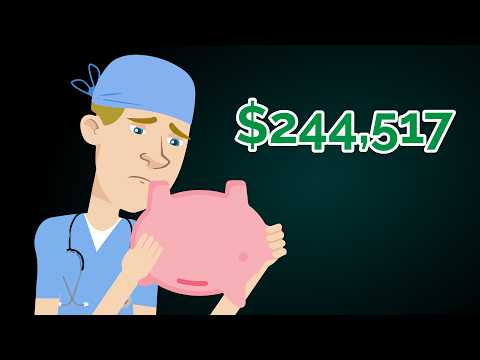
林宜悉 posted on 2025/10/17Ever wondered about the pay gap in medicine? This video dives into the lowest-paid doctor specialties in 2024, giving you a fantastic chance to pick up advanced vocabulary related to medical careers and understand workplace practicalities. You'll gain insights into different specialties and career advice that go beyond just the salary figures!
Learn this video on the APP!
The VoiceTube App has more in-depth practice for videos!