
artificial
US /ˌɑrtəˈfɪʃəl/
UK /ˌɑ:tɪ'fɪʃl/
- Adjective
- Dishonest, to seem fake, not sincere
- (Something) made by people; not created by nature
B1TOEICMoreas long as
US /æz lɔŋ æz/
UK /æz lɔŋ æz/
- Conjunction
- For the period that; provided that.
- For the length of time that
- Preposition
- On the condition that; providing that.
- Having the same length as.
A1Moreat least
US /æt list/
UK /æt li:st/
- Adverb
- As a minimum
- Not less than
- Phrase
- No less than; at the minimum
- Used to indicate that something is positive in a bad situation.
C2Moreaverage
US /ˈævərɪdʒ, ˈævrɪdʒ/
UK /'ævərɪdʒ/
- Noun (Countable/Uncountable)
- Total of numbers divided by the number of items
- Transitive Verb
- To add numbers then divide by the number of items
A2TOEICMorebail
US /bel/
UK /beɪl/
- Noun
- Money given to ensure prisoner returns to a court
- Transitive Verb
- To obtain release of a prisoner by giving money
- To throw water out of a boat to prevent it sinking
B2Moreblack market
US
UK
- Noun
- An illegal market in which goods or currencies are bought and sold in violation of official restrictions.
A2Moreby itself
US /baɪ ɪtˈsɛlf/
UK /bai itˈself/
- Adverb
- Alone; without help or assistance.
- Without any external influence or aid.
A2Morecapital
US /ˈkæpɪtl/
UK /'kæpɪtl/
- Noun
- Writing the first letter of a word in big letters
- Official main city of a country, province or state
- Adjective
- Main, or major
- (Of an offense) liable to the death penalty.
A2Morecare of
US /kɛr ʌv/
UK /kɛə ɔv/
- Preposition
- Used in an address to indicate the person who will receive the mail for someone else.
A2Morecatastrophe
US /kəˈtæstrəfi/
UK /kə'tæstrəfɪ/
- Noun (Countable/Uncountable)
- Very bad disaster causing much suffering, etc.
- A complete failure; a fiasco.
B2Morecheck out
US /tʃɛk aʊt/
UK /tʃek aut/
- Phrase
- Phrasal Verb
- To find out information about something
- To take books out of a library
A1Morecollapse
US /kəˈlæps/
UK /kə'læps/
- Verb (Transitive/Intransitive)
- To fold (e.g. a stroller) down to make it smaller
- To suddenly fall down or break apart into pieces
- Noun
- The sudden failure of a structure or system.
- The sudden failure of a bodily organ or function.
B1Morecommodity
US /kəˈmɑdɪti/
UK /kə'mɒdətɪ/
- Noun (Countable/Uncountable)
- Something useful or valuable, usually for sale
- A valuable quality or thing.
- Adjective
- Something that is treated as a simple object of trade or commerce, rather than valued for its intrinsic qualities.
B1Morecomplain
US /kəmˈplen/
UK /kəmˈpleɪn/
- Verb (Transitive/Intransitive)
- To say something is wrong and should be changed
- To make a formal accusation or charge.
B1Morecorn
US /kɔrn/
UK /kɔ:n/
- Noun
- Small, painful hard spot on the foot
- Plant with many yellow seeds used as food
B1Morecrisis
US /ˈkraɪsɪs/
UK /'kraɪsɪs/
- Noun (Countable/Uncountable)
- Unstable situation of extreme danger or difficulty
- A turning point in a disease.
B1Morecurrency
US /ˈkɚrənsi, ˈkʌr-/
UK /'kʌrənsɪ/
- Uncountable Noun
- Widespread acceptance
- Money system that a country uses
B1Morecurrent
US /ˈkɚrənt, ˈkʌr-/
UK /'kʌrənt/
- Uncountable Noun
- Electricity flowing through wires
- Movement of water in a river, or air in the sky
- Adjective
- Happening or being in the present time
- In general use or accepted by most people.
A2Moredebt
US /dɛt/
UK /det/
- Noun (Countable/Uncountable)
- Sum of money owed to someone that is not yet paid
- A moral or social obligation.
A2TOEICMoredeficit
US /ˈdɛfɪsɪt/
UK /ˈdefɪsɪt/
- Noun (Countable/Uncountable)
- Amount less than what is needed or required
- The amount by which expenditure or liabilities exceed income or assets.
B1Moredemand
US /dɪˈmænd/
UK /dɪ'mɑ:nd/
- Noun (Countable/Uncountable)
- Desire customers have to buy product, service
- A strong request for someone to do something
- Transitive Verb
- To strongly request someone to do something
- To need something.
A2TOEICMoredespite the fact
US
UK
- Preposition
- In spite of; notwithstanding.
- Conjunction
- Even though; although.
A2Moredevalue
US /diˈvælju/
UK /ˌdi:'vælju:/
- Transitive Verb
- To reduce the value or worth of a currency, etc.
B2Moredisaster
US /dɪˈzæstɚ, -ˈsæs-/
UK /dɪ'zɑ:stə(r)/
- Noun (Countable/Uncountable)
- State of extreme ruin and misfortune
- A complete failure.
- Uncountable Noun
- A situation that has gone terribly wrong.
A2Moreentire
US /ɛnˈtaɪr/
UK /ɪn'taɪə(r)/
- Adjective
- Complete or full; with no part left out; whole
- Undivided; not shared or distributed.
A2TOEICMoreestate
US /ɪˈstet/
UK /ɪˈsteɪt/
- Noun (Countable/Uncountable)
- A large piece of land, usually with a large house
- Group of houses all built at the same time
A2TOEICMoreexact
US /ɪɡˈzækt/
UK /ɪɡ'zækt/
- Adjective
- Completely correct; accurate; specific
- Transitive Verb
- To get something, sometimes using force
A2TOEICMorefigure out
US /ˈfɪɡjɚ aʊt/
UK /ˈfiɡə aut/
- Phrasal Verb
- To understand the behavior of someone
- To think through logically to find a solution
- Verb (Transitive/Intransitive)
- To understand or find an answer to something.
- To find a solution to a problem or understand something.
A1Morefinancial
US /faɪˈnænʃ(ə)l/
UK /faɪˈnænʃl/
- Adjective
- Involving money
- Relating to investments.
- Countable Noun
- A person who provides advice on financial matters.
A2TOEICMorefix the problem
US
UK
- Transitive Verb
- To find a solution to a problem; to repair something that is broken.
A1Morefor example
US
UK
- Phrase
- As an illustration or instance.
get out of
US /ɡɛt aʊt ʌv/
UK /ɡet aut ɔv/
- Phrasal Verb
- To leave or escape responsibilities, troubles
- To leave a small, enclosed vehicle
A1Morehave to
US /hæv tu/
UK /ˈhæv tə/
- Auxiliary Verb
- Must do
A1Morein fact
US /ɪn fækt/
UK /in fækt/
- Adverb
- Used to emphasize the truth of a statement, especially one that contrasts with or contradicts something else.
- Used to introduce a more detailed or surprising piece of information.
- Phrase
- Used to emphasize the truth of a statement, especially one that is surprising or contrary to what might be expected.
C1Morein order to
US /ɪn ˈɔrdɚ tu/
UK /in ˈɔ:də tu:/
- Preposition
- For the purpose of; with the aim of.
- Phrase
- In a specific sequence or arrangement.
- With the aim of; for the purpose of.
C1Morein the long run
US
UK
- Phrase
- Eventually; over a long period of time.
A1Morein the open
US /ɪn ði ˈopən/
UK /in ðə ˈəupən/
- Phrase
- Publicly; not secret.
- Outdoors; not inside a building or covered space.
A1Morein the world
US /ɪn ði wɜrld/
UK /in ðə wɜː(r)ld/
- Phrase
- Used to emphasize a question expressing surprise, confusion, or disbelief.
- Used to indicate the extent or degree of something, often in a superlative sense.
A1Moreinflation
US /ɪnˈfleʃən/
UK /ɪn'fleɪʃn/
- Noun (Countable/Uncountable)
- Act of filling something with air or gas
- Continual rise in the prices of products
B1TOEICMoreinstantly
US /ˈɪnstəntli/
UK /ˈɪnstəntli/
- Adverb
- In a manner without delay; immediately
A2Morelead to
US /lid tu/
UK /li:d tu:/
- Phrasal Verb
- To result in some action
- Verb (Transitive/Intransitive)
- To have something as a consequence or result.
A1Moreliterally
US /ˈlɪtərəli/
UK
- Adverb
- In a literal manner or sense; exactly as stated.
- Used for emphasis to describe something that is actually true, often to highlight surprise or intensity.
B1Morelook at
US /lʊk æt/
UK /luk æt/
- Phrasal Verb
- To use your eyes to focus on something
- To focus your eyes on something carefully
A1Moreof course
US /ʌv kɔː(r)s/
UK /ɔv kɔː(r)s/
- Adverb
- Sure ; Certainly
- Phrase
- For sure; certainly
A2Morepay off
US /pe ɔf/
UK /pei ɔf/
- Phrasal Verb
- To give money to get person to do something; bribe
- To give money to settle a debt
- Transitive Verb
- To bribe someone.
- To pay a debt in full.
A1Morepeg
US /pɛɡ/
UK /peɡ/
- Proper Noun
- Person's name
- Transitive Verb
- To identify as being a specific type
- To keep prices, wages etc. at a set level
B1Moreprevent
US /prɪˈvɛnt/
UK /prɪ'vent/
- Transitive Verb
- To stop something from happening or existing
A2TOEICMoreprior to
US /ˈpraɪɚ tu/
UK /ˈpraiə tu:/
- Preposition
- Before a particular time or event.
C1Moresuch as
US /sʌtʃ æz/
UK /sʌtʃ æz/
- Preposition
- For example; like
A1Moreto let
US /tu lɛt/
UK /tu let/
- Preposition
- Indicates that a property is available for rent.
A2Moretrade
US /treid/
UK /treɪd/
- Noun (Countable/Uncountable)
- A specific industry, e.g. shoe making
- Action of buying and selling things in business
- Transitive Verb
- To buy, sell and exchange goods in business
- To give something in return for something else
A2TOEICMoretrajectory
US /trəˈdʒɛktəri/
UK /trə'dʒektərɪ/
- Noun
- The path followed by a flying object
B2Moretremendously
US /trɪˈmɛndəslɪ/
UK /trə'mendəslɪ/
- Adverb
- Very well or very impressively
B1Morewealth
US /wɛlθ/
UK /welθ/
- Uncountable Noun
- Amount of money or possessions you own, e.g. large
A2TOEICMoreworth
US /wɚθ/
UK /wɜ:θ/
- Noun (Countable/Uncountable)
- the financial, practical or moral value of somebody/something
- having a particular value, especially in money
- Adjective
- Having a specified value.
A2More
Vocabulary
- have to: Must do
- in the world: Used to emphasize a question expressing surprise, confusion, or disbelief.
- fix the problem: To find a solution to a problem; to repair something that is broken.
- to let: Indicates that a property is available for rent.
- look at: To use your eyes to focus on something
- in the open: Publicly; not secret.
- figure out: To understand the behavior of someone
- at least: As a minimum
- care of: Used in an address to indicate the person who will receive the mail for someone else.
- by itself: Alone; without help or assistance.
- such as: For example; like
- in fact: Used to emphasize the truth of a statement, especially one that contrasts with or contradicts something else.
- of course: Sure ; Certainly
- as long as: For the period that; provided that.
- black market: An illegal market in which goods or currencies are bought and sold in violation of official restrictions.
- despite the fact: In spite of; notwithstanding.
- prior to: Before a particular time or event.
- for example: As an illustration or instance.
- get out of: To leave or escape responsibilities, troubles
- in order to: For the purpose of; with the aim of.
- pay off: To give money to get person to do something; bribe
- in the long run: Eventually; over a long period of time.
- lead to: To result in some action
- check out
- literally: In a literal manner or sense; exactly as stated.
- entire: Complete or full; with no part left out; whole
- situation: Place, position or area that something is in
- crisis: Unstable situation of extreme danger or difficulty
- average: Total of numbers divided by the number of items
- artificial: Dishonest, to seem fake, not sincere
- exact: Completely correct; accurate; specific
- current: Electricity flowing through wires
- demand: Desire customers have to buy product, service
- increase: To make or become larger in size or amount
- commodity: Something useful or valuable, usually for sale
- prevent: To stop something from happening or existing
- financial: Involving money
- debt: Sum of money owed to someone that is not yet paid
- worth: the financial, practical or moral value of somebody/something
- currency: Widespread acceptance
- collapse: To fold (e.g. a stroller) down to make it smaller
- capital: Writing the first letter of a word in big letters
- instantly: In a manner without delay; immediately
- inflation: Act of filling something with air or gas
- disaster: State of extreme ruin and misfortune
- catastrophe: Very bad disaster causing much suffering, etc.
- simply: In an easy or clear manner
- suddenly: In an unexpected or very quick manner
- estate: A large piece of land, usually with a large house
- deficit: Amount less than what is needed or required
- create: To make, cause, or bring into existence
- rest: Time when one relaxes, sleeps, or is inactive
- interest: Best or most advantageous thing for someone
- rate: To assess something or consider its qualities
- trade: A specific industry, e.g. shoe making
- economy: Using money, resources in a careful, effective way
- wealth: Amount of money or possessions you own, e.g. large
- company: Good feeling from being with someone else
- lot: What happens to a person in life from chance; fate
- trajectory: The path followed by a flying object
- single: One run in cricket or a hit baseball
- control: A device designed to operate a machine
- promise: To say you will certainly do something
- build: Your physical shape; physique
- bail: Money given to ensure prisoner returns to a court
- tremendously: Very well or very impressively
- complain: To say something is wrong and should be changed
- corn: Small, painful hard spot on the foot
- peg: Person's name
- devalue: To reduce the value or worth of a currency, etc.
Get the full experience in the app
Learn anywhere with detailed sentence and usage analysis
01:03
She took a brave step forward, leaving behind her comfort zone to chase her dreams.
Vocabulary
- brave
adj. Having courage
- comfort zone
phr. A familiar situation where one feels safe
Explanation
a brave step is a noun phrase, where brave is an adjective modifying the noun step, meaning "a courageous step".
forward is an adverb modifying step, meaning "ahead".
The whole phrase serves as the object, answering the "what" of took (verb) — she took a brave step forward.
Get the full experience in the app
Look up words anytime with pronunciation, part of speech, and usage
brave
US/brev/
UK/breɪv/
adj.Brave
v.t.To bravely face
A2 Elementary
Get the full experience in the app
Practice speaking anytime and get instant pronunciation feedback
Try this speaking exercise.
Try practicing with this sentence.
80
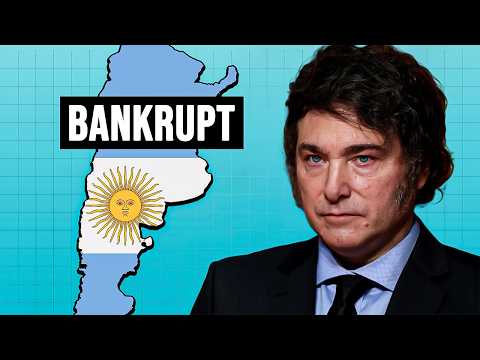
Argentina’s Economy Is Collapsing, And Its Far Worse Than You Expect
0
林宜悉 posted on 2025/10/13Ever wondered how a country's economy can go from rich to ruin? This video dives deep into Argentina's economic collapse, explaining hyperinflation and currency devaluation with super useful advanced vocabulary. You'll gain a fascinating cultural insight while boosting your English skills!
Learn this video on the APP!
The VoiceTube App has more in-depth practice for videos!