
adhere
US /ədˈhɪr/
UK /ədˈhɪə(r)/
- Verb (Transitive/Intransitive)
- To support a cause, political party, religion
- To stick to; make something stick to something
B2TOEICMorearound the world
US /əˈraʊnd ði wɜrld/
UK /əˈraund ðə wɜː(r)ld/
- Phrase
- In or to many countries.
- In various places throughout the world.
A2Moreat a time
US /æt e taɪm/
UK /æt ə taim/
- Phrase
- Separately; one by one
- Simultaneously; together
A1Moreat least
US /æt list/
UK /æt li:st/
- Adverb
- As a minimum
- Not less than
- Phrase
- No less than; at the minimum
- Used to indicate that something is positive in a bad situation.
C2Moreauthoritarian
US /əˌθɔ:rəˈteriən/
UK /ɔ:ˌθɒrɪˈteəriən/
- Noun
- Person expecting complete obedience
- Adjective
- Expecting complete obedience to your rules
- Favoring or enforcing strict obedience to authority, especially that of the government, at the expense of personal freedom.
B2Morebomb
US /bɑm/
UK /bɒm/
- Transitive Verb
- To attack with explosives
- Noun
- An explosive device
B1Morebulge
US /bʌldʒ/
UK /bʌldʒ/
- Intransitive Verb
- To curve outward from the surface, as when full
- Noun (Countable/Uncountable)
- Rounded full or fat lump on the surface of a thing
- Rapid increase in size
B2Morecamp
US /kæmp/
UK /kæmp/
- Noun (Countable/Uncountable)
- A (military) base
- Exaggerated behavior meant to be funny
- Intransitive Verb
- To live temporarily, e.g. in a tent or a vehicle
A2Morecancel out
US /ˈkænsəl aʊt/
UK /ˈkænsəl aut/
- Phrasal Verb
- To neutralize or negate the effect of something else.
- To cause something to no longer be valid or effective.
B1Morechief
US /tʃif/
UK /tʃi:f/
- Noun
- Leader of a race or group of people
- The one highest in authority or importance
- Adjective
- The one highest in authority or importance
A2Moreclear out
US /klɪr aʊt/
UK /kliə aut/
- Phrasal Verb
- To empty things out of a place
A1Morecommander
US /kəˈmændə(r)/
UK /kəˈmɑ:ndə(r)/
- Countable Noun
- Person with authority who commands or controls
B1Morecrush
US /krʌʃ/
UK /krʌʃ/
- Noun
- Strong attraction to someone
- Transitive Verb
- To break something into small pieces by pressing
- To defeat someone or something (in a game)
B1TOEICMoredefense
US /dɪˈfɛns/
UK /dɪ'fens/
- Noun (Countable/Uncountable)
- Argument in support of something
- The process of protecting something from attack
B1TOEICMoredemonic
US /dɪˈmɑnɪk/
UK /diˈmɒnɪk/
- Adjective
- Extremely evil or cruel
B1Moredepartment
US /dɪˈpɑ:rtmənt/
UK /dɪˈpɑ:tmənt/
- Noun
- Division of a larger part or organization
A2TOEICMoredisconnect
US /ˌdɪskəˈnɛkt/
UK /ˌdɪskəˈnekt/
- Transitive Verb
- To separate something from something else
- Noun
- State of being separated from something else
B2Morediversity
US /dɪˈvə:sɪti, daɪ-/
UK /daɪ'vɜ:sətɪ/
- Noun (Countable/Uncountable)
- Having a range of different races, ideas etc.
- A range of different things.
B1TOEICMoredrag
US /dræɡ/
UK /dræɡ/
- Transitive Verb
- To reluctantly move or go somewhere
- To pull something heavy or difficult along the ground
- Noun (Countable/Uncountable)
- Force of air pushing back against a plane car etc.
- Boring or annoying thing/activity
A2Moreenemy
US /ˈɛnəmi/
UK /ˈenəmi/
- Noun
- Something that stops you doing what you want
- Group, or people, you are opposed to
A2Morefacial
US /ˈfeʃəl/
UK /'feɪʃl/
- Noun (Countable/Uncountable)
- Treatment to improve condition of the skin of face
- Adjective
- Concerning or on the face
B2Morefamously
US /ˈfeməsli/
UK /ˈfeɪməsli/
- Adverb
- In a manner or to an extent that is well known
B1Moreferocity
US /fəˈrɑsɪti/
UK /fəˈrɒsəti/
- Uncountable Noun
- Strength of an emotion or act; anger or cruelty
C1TOEICMorefit
US /fɪt/
UK /fɪt/
- Adjective
- Good looking; physically attractive
- Having good physical health and strength
- Verb (Transitive/Intransitive)
- To install a machine, equipment etc.
- To adjust or change to the right size or shape
A2Morefrankly
US /ˈfræŋkli/
UK /ˈfræŋkli/
- Adverb
- Speaking honestly and directly
- Used to express disagreement or mild disapproval.
B2Moregather
US /ˈɡæðɚ/
UK /ˈgæðə(r)/
- Transitive Verb
- To bring objects together into one place
- To collect foods such as wild berries or crops
- Noun
- Fold in cloth, as in a full skirt
A2TOEICMorego back to
US /ɡo bæk tu/
UK /ɡəu bæk tu:/
- Phrasal Verb
- To return to a starting point
A1Moregrandfather
US /ˈɡrændˌfɑðɚ, ˈɡræn-/
UK /'ɡrænfɑ:ðə(r)/
- Countable Noun
- Your mother's or father's father
B2Moreguard
US /ɡɑrd/
UK /ɡɑ:d/
- Transitive Verb
- To keep watch over something to protect it
- Noun (Countable/Uncountable)
- Someone who watches a place or prevents escapes
- A player in basketball whose primary role is to handle the ball and initiate the offense.
A2Morehave to
US /hæv tu/
UK /ˈhæv tə/
- Auxiliary Verb
- Must do
A1Morehawk
US /hɔk/
UK /hɔ:k/
- Noun (Countable/Uncountable)
- Large bird kills smaller birds and animals
- Someone wanting to go to war using the military
- Intransitive Verb
- To remove something from the throat by coughing
B2Morehomeless
US /ˈhomlɪs/
UK /ˈhəʊmləs/
- Adjective
- Having no home; living on the streets
- Noun (plural)
- People who do not have a home.
A2Morein other words
US
UK
- Phrase
- Stating something in a different way, often to make it clearer or more understandable.
in person
US /ɪn ˈpɜːrsn/
UK /in ˈpɜːsn/
- Adverb
- Physically present; not by proxy or remotely.
- Face-to-face; not through electronic communication.
A1Morejust kind of
US
UK
- Phrase
- Used to express a feeling or state in a vague or hesitant way.
- Used to indicate something is approximately or generally similar to something else.
A2Morejuvenile
US /ˈdʒuvəˌnaɪl, -nəl/
UK /ˈdʒu:vənaɪl/
- Adjective
- Concerning young people or children
- Noun
- Someone who is young; a child
B2Morelike new
US /laɪk nu/
UK /laɪk nju:/
- other
- In very good, almost perfect condition as if unused.
A2Moremaniac
US
UK
- Noun
- Violent, mentally ill person
B1Moremarching orders
US
UK
- Noun
- Official orders given to a soldier or unit to move to a new location or begin a specific operation.
- Informal term for being dismissed or fired from a job.
military
US /ˈmɪlɪˌtɛri/
UK /'mɪlətrɪ/
- Noun
- Army or armed forces
- Adjective
- Concerning the army or navy
B1Morenuclear
US /ˈnukliɚ, ˈnju-/
UK /ˈnju:kliə(r)/
- Adjective
- Concerning or involving the center of an atom
A2Moreout of control
US /aʊt ʌv kənˈtrol/
UK /aut ɔv kənˈtrəul/
- Adjective
- Impossible to manage or control.
- Not able to be directed or steered.
A1Moreparrot
US /ˈperət/
UK /'pærət/
- Countable Noun
- Brightly colored bird with hooked beak
- Transitive Verb
- To repeat someone's words without thought
B1Morepassive
US /ˈpæsɪv/
UK /ˈpæsɪv/
- Adjective
- Allowing things to happen with quiet acceptance
- With sentence's subject being what verb acts on
- Noun
- A person who is passive; one who does not actively participate or resist.
B1Morepentagon
US /ˈpɛntəˌɡɑn/
UK /'pentəɡən/
- Noun
- A five-sided shape
C1Morepresident
US /ˈprɛzɪdənt,-ˌdɛnt/
UK /ˈprezɪdənt/
- Noun
- Person in charge of a country, or organization
- The highest-ranking executive in a corporation or organization.
A2TOEICMoreprofile
US /ˈproˌfaɪl/
UK /'prəʊfaɪl/
- Transitive Verb
- To write a short description of a person or group
- To write or create a profile of someone or something.
- Noun (Countable/Uncountable)
- A short description of a person or group
- Shape of someone's head when viewed from the side
B1Moreput out
US /pʊt aʊt/
UK /put aut/
- Phrasal Verb
- To publish, e.g. a book
- To cause someone to be troubled or inconvenienced
A1Morerecruitment
US /rɪˈkrutmənt/
UK /rɪ'kru:tmənt/
- Uncountable Noun
- Act of enlisting people into the army
- The action of enlisting or hiring new people.
B2TOEICMoreriff
US /rɪf/
UK /rɪf/
- Noun
- Short series of repeated notes in music
- Verb (Transitive/Intransitive)
- To play a riff or series of riffs.
- To improvise or elaborate on a theme or idea.
C1Moreshave
US /ʃev/
UK /ʃeɪv/
- Transitive Verb
- To cut the beard/hair close to skin with a razor
A2Moresheer number
US
UK
- Phrase
- A large quantity or amount of something.
A1Moreslide
US /slaɪd/
UK /slaɪd/
- Noun
- Part of machines that slides backward and forward
- Reduction in amount, price, quality
- Verb (Transitive/Intransitive)
- To pass or move smoothly and rapidly into or out
- To move smoothly and rapidly over a surface
A2Morespeech
US /spitʃ/
UK /spi:tʃ/
- Uncountable Noun
- A formal talk to an audience
- Expression of ideas or opinions by talking
A2TOEICMorespit
US /spɪt/
UK /spɪt/
- Verb (Transitive/Intransitive)
- To forcefully blow saliva out from your mouth
B1Morespit on
US /spɪt ɑn/
UK /spit ɔn/
- Phrasal Verb
- To show contempt for someone by spitting towards or onto them.
- To eject saliva onto a surface.
strength
US /strɛŋkθ, strɛŋθ, strɛnθ/
UK /streŋθ/
- Noun (Countable/Uncountable)
- Condition of being strong
- The quality or state of being physically strong.
A2TOEICMoresuperficial
US /ˌsupɚˈfɪʃəl/
UK /ˌsu:pəˈfɪʃl/
- Adjective
- On the surface only; not deep
- Relating to or located near the surface.
C2Moretake on
US /tek ɑn/
UK /teik ɔn/
- Phrasal Verb
- To acquire a new characteristic
- To accept a new responsibility, role
A1Moretaken over
US
UK
- Phrasal Verb
- To gain control of (a company) from someone else
- To gain control of something.
A1Moretalking about
US
UK
- Phrasal Verb
- To discuss a particular topic.
- To be constantly mentioning or bringing up a subject.
A1Moreto date
US /tu det/
UK /tu: deit/
- Phrase
- Up to the present time; until now.
- Verb (Transitive/Intransitive)
- To go out on romantic dates with someone.
C2Morewait for
US /wet fɔr/
UK /weit fɔ:/
- Phrasal Verb
- To wait until someone comes, or something happens
A1Moreweird
US /wɪrd/
UK /wɪəd/
- Adjective
- Odd or unusual; surprising; strange
- Eerily strange or disturbing.
B1More
Vocabulary
- have to: Must do
- at least: As a minimum
- talking about: To discuss a particular topic.
- around the world: In or to many countries.
- in person: Physically present; not by proxy or remotely.
- at a time: Separately; one by one
- sheer number: A large quantity or amount of something.
- to date: Up to the present time; until now.
- put out: To publish, e.g. a book
- cancel out: To neutralize or negate the effect of something else.
- taken over: To gain control of (a company) from someone else
- in other words: Stating something in a different way, often to make it clearer or more understandable.
- just kind of: Used to express a feeling or state in a vague or hesitant way.
- spit on: To show contempt for someone by spitting towards or onto them.
- out of control: Impossible to manage or control.
- go back to: To return to a starting point
- marching orders: Official orders given to a soldier or unit to move to a new location or begin a specific operation.
- take on: To acquire a new characteristic
- like new: In very good, almost perfect condition as if unused.
- wait for: To wait until someone comes, or something happens
- clear out: To empty things out of a place
- weird: Odd or unusual; surprising; strange
- general: Widespread, normal or usual
- strength: Condition of being strong
- frankly: Speaking honestly and directly
- crush: Strong attraction to someone
- military: Army or armed forces
- passive: Allowing things to happen with quiet acceptance
- diversity: Having a range of different races, ideas etc.
- superficial: On the surface only; not deep
- profile: To write a short description of a person or group
- throw: To use your arm to make something fly in the air
- drag: To reluctantly move or go somewhere
- fit: Good looking; physically attractive
- guard: To keep watch over something to protect it
- enemy: Something that stops you doing what you want
- text: To send a message by phone or other device
- spit: To forcefully blow saliva out from your mouth
- defense: Argument in support of something
- authoritarian: Person expecting complete obedience
- kind: In a caring and helpful manner
- president: Person in charge of a country, or organization
- gather: To bring objects together into one place
- juvenile: Concerning young people or children
- slide: Part of machines that slides backward and forward
- chief: Leader of a race or group of people
- facial: Treatment to improve condition of the skin of face
- speech: A formal talk to an audience
- nuclear: Concerning or involving the center of an atom
- quick: Using very little time; moving far in little time
- adhere: To support a cause, political party, religion
- secretary: Office worker who makes appointments, etc.
- march: To force someone to walk somewhere
- guy: Man; boy; any person
- train: Line of people, animals moving the same direction
- shave: To cut the beard/hair close to skin with a razor
- bulge: To curve outward from the surface, as when full
- fight: To argue or quarrel with someone about something
- homeless: Having no home; living on the streets
- meet: To provide something that is necessary
- commander: Person with authority who commands or controls
- hear: To be aware of sound; to perceive with the ear
- people: Persons sharing culture, country, background, etc.
- maniac: Violent, mentally ill person
- dead: Not alive
- department: Division of a larger part or organization
- disconnect: To separate something from something else
- line: Border that divides two places or regions
- recruitment: Act of enlisting people into the army
- camp: A (military) base
- pentagon: A five-sided shape
- bomb: To attack with explosives
- parrot: Brightly colored bird with hooked beak
- hawk: Large bird kills smaller birds and animals
- demonic: Extremely evil or cruel
- famously: In a manner or to an extent that is well known
- ferocity: Strength of an emotion or act; anger or cruelty
- riff: Short series of repeated notes in music
- grandfather: Your mother's or father's father
Get the full experience in the app
Learn anywhere with detailed sentence and usage analysis
01:03
She took a brave step forward, leaving behind her comfort zone to chase her dreams.
Vocabulary
- brave
adj. Having courage
- comfort zone
phr. A familiar situation where one feels safe
Explanation
a brave step is a noun phrase, where brave is an adjective modifying the noun step, meaning "a courageous step".
forward is an adverb modifying step, meaning "ahead".
The whole phrase serves as the object, answering the "what" of took (verb) — she took a brave step forward.
Get the full experience in the app
Look up words anytime with pronunciation, part of speech, and usage
brave
US/brev/
UK/breɪv/
adj.Brave
v.t.To bravely face
A2 Elementary
Get the full experience in the app
Practice speaking anytime and get instant pronunciation feedback
Try this speaking exercise.
Try practicing with this sentence.
80
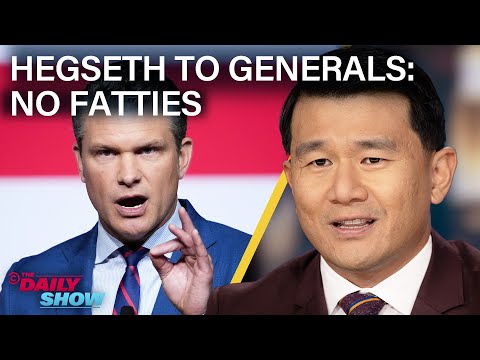
Hegseth Lectures "Fat Generals" and Trump Threatens War Against U.S. Cities | The Daily Show
0
張宇睿 posted on 2025/10/08Ever wondered what's really going on with military leadership and political rhetoric? This clip dives into some wild statements made about military fitness, appearance standards, and even using U.S. cities as training grounds, offering a look at some pretty intense political commentary. You'll hear phrases like 'de-wokificationing' and 'F-A-F-O' used in a political context, giving you a chance to understand some very specific, charged language.
Learn this video on the APP!
The VoiceTube App has more in-depth practice for videos!