
access
US /ˈæksɛs/
UK /'ækses/
- Noun (Countable/Uncountable)
- Way to enter a place, e.g. a station or stadium
- The opportunity or right to use something or to see someone.
- Transitive Verb
- To be able to use or have permission to use
A2TOEICMoreagent
US /ˈedʒənt/
UK /'eɪdʒənt/
- Noun
- Chemical with the power to make chemical reactions
- Person who represents or decides for others
A2TOEICMorebased on
US
UK
- Phrasal Verb
- To use something as the foundation or starting point for something else.
- Preposition
- Using something as the main idea or foundation.
- Relying on something as evidence or justification.
A1Morebuild in
US
UK
- Phrasal Verb
- To include something as part of a plan, system, or design.
- To create something as a permanent or inherent feature.
A1Morebuild out
US /bɪld aʊt/
UK /bild aut/
- Phrasal Verb
- To expand or develop something, such as a business or system.
- To construct or develop infrastructure, often related to technology or networks.
A1Morechannel
US /ˈtʃænəl/
UK /'tʃænl/
- Noun (Countable/Uncountable)
- Long hole dug in the ground, e.g. to move water
- TV or radio station or its programs
- Transitive Verb
- To dig a long hole for carrying water
- To send (e.g. money) to a certain place or person
B1Moreclone
US /kloʊn/
UK /kləʊn/
- Transitive Verb
- To make an exact copy of a living thing
B2Moreclose out
US /kloz aʊt/
UK /kləuz aut/
- Phrasal Verb
- To sell off or eliminate remaining items or inventory, often at discounted prices.
- To terminate or offset an existing financial position or trade.
A1Morecome up with
US /kʌm ʌp wɪð/
UK /kʌm ʌp wið/
- Phrasal Verb
- To think of an idea or solution; produce
A1Morecomplex
US /kəmˈplɛks, ˈkɑmˌplɛks/
UK /'kɒmpleks/
- Countable Noun
- Group of buildings all used for the same purpose
- Adjective
- Not being simple; having many parts or aspects
A2Moreconnect
US /kəˈnɛkt/
UK /kə'nekt/
- Transitive Verb
- To associate a thing with something else
- To join or attach things together
A2Morecontent
US /ˈkɑnˌtɛnt/
UK /'kɒntent/
- Adjective
- Being happy or satisfied
- In a state of peaceful happiness.
- Noun (Countable/Uncountable)
- Information in something, e.g. book or computer
- The subject matter of a book, speech, etc.
A2Morecontext
US /ˈkɑnˌtɛkst/
UK /ˈkɒntekst/
- Noun (Countable/Uncountable)
- Set of facts surrounding a person or event
- The circumstances that form the setting for an event, statement, or idea, and in terms of which it can be fully understood and assessed.
A2Moredelete
US /diˈlit/
UK /dɪ'li:t/
- Transitive Verb
- To remove or erase something
- Noun
- A key on a computer keyboard used to remove characters or files.
B1TOEICMorediscover
US /dɪˈskʌvɚ/
UK /dɪˈskʌvə(r)/
- Transitive Verb
- To find something new that was not known before
- To learn or find out (something previously unknown or secret).
A2TOEICMoredive
US /daɪv/
UK /daɪv/
- Noun (Countable/Uncountable)
- Restaurant, bar or club with a bad reputation
- Rapid fall through air
- Intransitive Verb
- To swim deep under water with an air supply
- To rapid fall through air
B1Moredive in
US
UK
- Phrasal Verb
- To start doing something with a lot of enthusiasm.
- Intransitive Verb
- To jump into water headfirst.
A1Moredrag
US /dræɡ/
UK /dræɡ/
- Transitive Verb
- To reluctantly move or go somewhere
- To pull something heavy or difficult along the ground
- Noun (Countable/Uncountable)
- Force of air pushing back against a plane car etc.
- Boring or annoying thing/activity
A2Moreexclamation
US /ˌɛkskləˈmeʃən/
UK /ˌekskləˈmeɪʃn/
- Noun
- Abrupt excited utterance
- The act of exclaiming; a loud outcry or expression of protest or complaint.
B1Moreexperiment
US /ɪkˈspɛrəmənt/
UK /ɪk'sperɪmənt/
- Noun (Countable/Uncountable)
- Test performed to assess new ideas or theories
- A course of action tentatively adopted without being sure of the eventual outcome.
- Verb (Transitive/Intransitive)
- To create and perform tests to research something
- To try something new that you haven't tried before
A2TOEICMoreformat
US /ˈfɔ:rmæt/
UK /ˈfɔ:mæt/
- Noun
- Form, design, or arrangement of something
- Transitive Verb
- To set the appearance of a text in a certain way
- To set a computer back to its original state
B1TOEICMoregenerate
US /ˈdʒɛnəˌret/
UK /ˈdʒenəreɪt/
- Transitive Verb
- To create or be produced or bring into existence
- To create electricity, heat, energy and power
A2TOEICMorego ahead
US /ɡo əˈhɛd/
UK /ɡəu əˈhed/
- Phrasal Verb
- To start an activity; start doing, working etc.
- To give permission to do something
- Intransitive Verb
- To start or proceed with something
- To proceed despite potential obstacles or doubts.
A1Morehop into
US
UK
- Phrasal Verb
- To quickly get into a vehicle.
A1Morehug
US /hʌɡ/
UK /hʌɡ/
- Transitive Verb
- To hold someone in your arms as sign of affection
- To keep very close to something
B1Moreidentifiable
US /aɪˌdentɪˈfaɪəbl/
UK /aɪˌdentɪˈfaɪəbl/
- Adjective
- Capable of being identified
B2Moreinitial
US /ɪˈnɪʃəl/
UK /ɪ'nɪʃl/
- Noun
- First letter of your given name
- The beginning or commencement of something.
- Transitive Verb
- To authorize something by writing your initials
- To mark or sign with one's initials.
A2TOEICMoreknock it off
US /nɑk ɪt ɔf/
UK /nɔk it ɔf/
- Phrasal Verb
- Stop doing something annoying or disruptive.
- Interjection
- Stop doing something annoying or disruptive.
A1Morelink up
US /lɪŋk ʌp/
UK /liŋk ʌp/
- Phrasal Verb
- To connect or join together physically.
- To meet someone.
B1Morelook at
US /lʊk æt/
UK /luk æt/
- Phrasal Verb
- To use your eyes to focus on something
- To focus your eyes on something carefully
A1Moremultiple
US /ˈmʌltəpəl/
UK /ˈmʌltɪpl/
- Adjective
- Having or involving more than one of something
- Having or involving several parts, elements, or members.
- Countable Noun
- Number produced by multiplying a smaller number
- A number of identical circuit elements connected in parallel or series.
B1Morenaughty
US /ˈnɔti/
UK /'nɔ:tɪ/
- Adjective
- Behaving badly, e.g. so as to annoy adults
B1Morenode
US //noʊd//
UK
- Noun
- A junction point in a network or stem
- Raised area caused by a mass of cells in the body
B1Moreobject
US /ˈɑbdʒɪkt/
UK /'ɒbdʒɪkt/
- Noun (Countable/Uncountable)
- Something you can see or touch, but is not alive
- Goal or purpose of a particular plan or activity
- Verb (Transitive/Intransitive)
- To disagree; to protest against an idea or plan
- To state one's reason for disagreement
A2TOEICMoreof course
US /ʌv kɔː(r)s/
UK /ɔv kɔː(r)s/
- Adverb
- Sure ; Certainly
- Phrase
- For sure; certainly
A2Moreoverview
US /ˈoʊvərvju:/
UK /ˈəʊvəvju:/
- Noun (Countable/Uncountable)
- A description of the main points; summary
- A comprehensive inspection or survey.
- Transitive Verb
- To inspect or survey something comprehensively.
B2TOEICMorepossibility
US /ˌpɑsəˈbɪlɪti/
UK /ˌpɒsə'bɪlətɪ/
- Uncountable Noun
- Something with a chance of happening or being true
A2TOEICMorepreview
US /ˈpriˌvju/
UK /'pri:vju:/
- Noun
- Showing of a movie before public release
- Verb (Transitive/Intransitive)
- To look ahead at something, e.g. a movie
B2Morepull in
US
UK
- Phrasal Verb
- To arrest person and take them to police station
- To drive a vehicle into a small space
A1Morerogue
US /roʊg/
UK /rəʊg/
- Adjective
- Being corrupt, dangerous, or uncontrollable
- Noun
- Wicked or problematic person
B2Moreset up
US /sɛt ʌp/
UK /set ʌp/
- Phrasal Verb
- To make arrangements for something; establish
- Verb (Transitive/Intransitive)
- To arrange or prepare something for use.
- To start a business, organization, etc.
A1Morespeech
US /spitʃ/
UK /spi:tʃ/
- Uncountable Noun
- A formal talk to an audience
- Expression of ideas or opinions by talking
A2TOEICMoresuch as
US /sʌtʃ æz/
UK /sʌtʃ æz/
- Preposition
- For example; like
A1Moresum up
US
UK
- Phrase
- Phrasal Verb
- To state the main points of (something) in a concise way.
A2Moresuperpower
US /ˈsu:pərpaʊə(r)/
UK /ˈsu:pəpaʊə(r)/
- Noun
- State powerful enough to influence world events
C2Moretake over
US /tek ˈovɚ/
UK /teik ˈəuvə/
- Phrasal Verb
- To gain control of (a company) from someone else
- To assume control or possession of something.
A1Moretext back
US
UK
- Phrasal Verb
- To reply to a text message.
A2Morethink about
US /θɪŋk əˈbaʊt/
UK /θiŋk əˈbaut/
- Phrasal Verb
- To consider something carefully.
- To remember or call to mind.
A1Moretransform
US /trænsˈfɔrm/
UK /træns'fɔ:m/
- Transitive Verb
- To change the shape completely in a good way
- To convert from one form or substance into another.
C2Moretrigger
US /ˈtrɪɡɚ/
UK /'trɪɡə(r)/
- Noun
- Lever on a gun that you pull to fire
- Device that starts a process
- Transitive Verb
- To start a process off e.g. a memory
- To cause something to begin or happen.
B1Moretry out
US /traɪ aʊt/
UK /trai aut/
- Phrasal Verb
- To try to win a place on a team in a group
- To test briefly to determine how well it works
A1Moreunderrate
US
UK
- Transitive Verb
- To undervalue or underestimate
C2Moreupload
US /ˌʌpˈloʊd/
UK /ˌʌpˈləʊd/
- Transitive Verb
- To transfer a file or data to the internet
- Noun
- The transfer of a file or data to the internet
B1Morevibe
US /vaɪb/
UK /vaɪb/
- Noun (Countable/Uncountable)
- Distinct emotional aura experienced instinctively
- Intransitive Verb
- To have a good connection with someone
C1Morewait for
US /wet fɔr/
UK /weit fɔ:/
- Phrasal Verb
- To wait until someone comes, or something happens
A1Morewire
US /waɪr/
UK /'waɪə(r)/
- Countable Noun
- Thin, flexible thread of metal
- Act of sending a message by telegraph
- Verb (Transitive/Intransitive)
- To connect two or more things together with cable
- To send money to someone electronically
A2TOEICMore
Vocabulary
- go ahead: To start an activity; start doing, working etc.
- of course: Sure ; Certainly
- look at: To use your eyes to focus on something
- dive in: To start doing something with a lot of enthusiasm.
- hop into: To quickly get into a vehicle.
- sum up
- text back: To reply to a text message.
- based on: To use something as the foundation or starting point for something else.
- pull in: To arrest person and take them to police station
- set up
- link up: To connect or join together physically.
- such as: For example; like
- build in: To include something as part of a plan, system, or design.
- wait for: To wait until someone comes, or something happens
- come up with: To think of an idea or solution; produce
- close out: To sell off or eliminate remaining items or inventory, often at discounted prices.
- take over: To gain control of (a company) from someone else
- knock it off: Stop doing something annoying or disruptive.
- think about: To consider something carefully.
- build out: To expand or develop something, such as a business or system.
- try out: To try to win a place on a team in a group
- context: Set of facts surrounding a person or event
- content: Being happy or satisfied
- access: Way to enter a place, e.g. a station or stadium
- trigger: Lever on a gun that you pull to fire
- multiple: Having or involving more than one of something
- experiment: Test performed to assess new ideas or theories
- complex: Group of buildings all used for the same purpose
- initial: First letter of your given name
- vibe: Distinct emotional aura experienced instinctively
- generate: To create or be produced or bring into existence
- create: To make, cause, or bring into existence
- drop: Distance between a higher and a lower level
- reason: To think and make conclusions in a logical manner
- guess: To give an answer without knowing if it is correct
- drag: To reluctantly move or go somewhere
- dive: Restaurant, bar or club with a bad reputation
- click: To work well with someone or something
- object: Something you can see or touch, but is not alive
- text: To send a message by phone or other device
- notice: To become aware by sight, touch, or hearing
- moment: Very short or brief period of time
- agent: Chemical with the power to make chemical reactions
- lot: What happens to a person in life from chance; fate
- transform: To change the shape completely in a good way
- channel: Long hole dug in the ground, e.g. to move water
- build: Your physical shape; physique
- naughty: Behaving badly, e.g. so as to annoy adults
- format: Form, design, or arrangement of something
- connect: To associate a thing with something else
- speech: A formal talk to an audience
- rogue: Being corrupt, dangerous, or uncontrollable
- fail: To be unsuccessful in passing a class or exam
- great: Very good; better than before
- find: To become aware of something that is happening
- set: Prepared for something; ready
- discover: To find something new that was not known before
- include: To make someone, something part of a group
- wire: Thin, flexible thread of metal
- exclamation: Abrupt excited utterance
- possibility: Something with a chance of happening or being true
- hug: To hold someone in your arms as sign of affection
- overview: A description of the main points; summary
- upload: To transfer a file or data to the internet
- node: A junction point in a network or stem
- clone: To make an exact copy of a living thing
- identifiable: Capable of being identified
- preview: Showing of a movie before public release
- delete: To remove or erase something
- superpower: State powerful enough to influence world events
- underrate: To undervalue or underestimate
Get the full experience in the app
Learn anywhere with detailed sentence and usage analysis
01:03
She took a brave step forward, leaving behind her comfort zone to chase her dreams.
Vocabulary
- brave
adj. Having courage
- comfort zone
phr. A familiar situation where one feels safe
Explanation
a brave step is a noun phrase, where brave is an adjective modifying the noun step, meaning "a courageous step".
forward is an adverb modifying step, meaning "ahead".
The whole phrase serves as the object, answering the "what" of took (verb) — she took a brave step forward.
Get the full experience in the app
Look up words anytime with pronunciation, part of speech, and usage
brave
US/brev/
UK/breɪv/
adj.Brave
v.t.To bravely face
A2 Elementary
Get the full experience in the app
Practice speaking anytime and get instant pronunciation feedback
Try this speaking exercise.
Try practicing with this sentence.
80
0
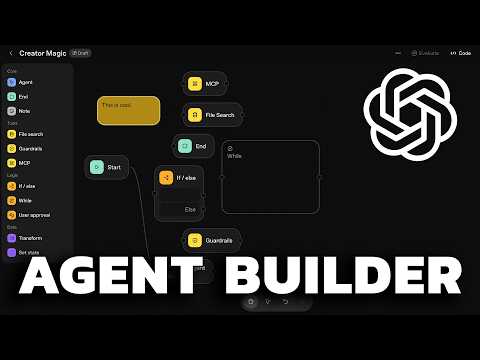
JJ posted on 2025/10/07Ever wondered if OpenAI's Agent Builder could replace Zapier? This hands-on video dives deep into workflow automation with OpenAI, showing you how to integrate tools like ElevenLabs and even mentioning GPT-5! You'll pick up tons of practical workplace vocabulary while learning how to build powerful automations.
Learn this video on the APP!
The VoiceTube App has more in-depth practice for videos!