
astrology
US /əˈstrɑ:lədʒi/
UK /əˈstrɒlədʒi/
- Uncountable Noun
- Study of how the stars influence human lives
C1Moreat least
US /æt list/
UK /æt li:st/
- Adverb
- As a minimum
- Not less than
- Phrase
- No less than; at the minimum
- Used to indicate that something is positive in a bad situation.
C2Moreat school
US
UK
- Phrase
- Present and attending school.
A1Moreat stake
US /æt stek/
UK /æt steik/
- Phrase
- At risk; that can be lost if something is not successful
- In question; depending on what happens
- Adjective
- At risk; that can be lost if something is not successful.
A1Moreattempt
US /əˈtɛmpt/
UK /ə'tempt/
- Verb (Transitive/Intransitive)
- To try to do something challenging or difficult
- Noun
- Effort made to try to do or accomplish something
A2TOEICMoreattend
US /əˈtɛnd/
UK /əˈtend/
- Transitive Verb
- To take care of someone in need
- Verb (Transitive/Intransitive)
- To listen or watch carefully; to concentrate
- To be present at an event
B1TOEICMoreawful
US /ˈɔfəl/
UK /ˈɔ:fl/
- Adjective
- Very bad; horrible; terrible
A2Morebreakup
US /ˈbrekˌʌp/
UK /'breɪk'ʌp/
- Noun
- End of a relationship often due to troubles
- Interruption or disintegration, especially of a radio signal.
C2Morebrutal
US /ˈbrutl/
UK /'bru:tl/
- Adjective
- Extremely violent or mean
B1Morebully
US /ˈbʊli/
UK /'bʊlɪ/
- Noun (Countable/Uncountable)
- a person who habitually seeks to harm or intimidate those whom they perceive as vulnerable
- A person who uses superior strength or influence to intimidate others.
- Verb (Transitive/Intransitive)
- seek to harm, intimidate, or coerce (someone perceived as vulnerable)
B2Moreburst
US /bɚst/
UK /bɜ:st/
- Verb (Transitive/Intransitive)
- To move (arrive, exit, etc.) suddenly or hurriedly
- To break apart/open in a sudden and violent way
- Noun
- Brief time period when something happens and ends
- A sudden outbreak or display of something.
A2Morecollide
US /kəˈlaɪd/
UK /kəˈlaɪd/
- Verb (Transitive/Intransitive)
- To come together or crash with a lot of force
- To disagree with or be very different from others
B1Morecondemn
US /kənˈdɛm/
UK /kənˈdem/
- Transitive Verb
- To say that (a building) is too unsafe to be used
- To state strongly that person, thing is bad, wrong
B1Morecosmic
US /ˈkɑzmɪk/
UK /'kɒzmɪk/
- Adjective
- Concerning space and the universe
B2Moredeceptive
US /dɪˈsɛptɪv/
UK /dɪˈseptɪv/
- Adjective
- Causing someone to believe what is not true
B2Moredeserve
US /dɪˈzɚv/
UK /dɪ'zɜ:v/
- Transitive Verb
- To be worthy of, e.g. getting praise or attention
A2TOEICMoreencounter
US /ɛnˈkaʊntɚ/
UK /ɪn'kaʊntə(r)/
- Verb (Transitive/Intransitive)
- To come up against a problem or trouble; meet
- To meet someone or something unexpectedly
- Noun
- A chance meeting; unexpected or unplanned meeting
B1TOEICMoreessence
US /ˈɛsəns/
UK /'esns/
- Uncountable Noun
- Most important part or quality of something
- Substance that has a very strong, unique smell
B1TOEICMoreeternal
US /ɪˈtɚnəl/
UK /ɪ'tɜ:nl/
- Adjective
- Endless; constant; never ending
B2Moreexistential
US /ˌɛɡzɪˈstɛnʃəl, ˌɛksɪ-/
UK /ˌegzɪˈstenʃəl/
- Adjective
- Philosophy concerning existence
B2Morefetal
US /ˈfitl:/
UK /'fi:tl/
- Adjective
- Of a fetus or unborn baby
B2Moreflow
US /flo/
UK /fləʊ/
- Intransitive Verb
- To move steadily and easily in a certain direction
- Uncountable Noun
- Amount of something that moves through an area
A2Morefor long
US
UK
- Phrase
- For a considerable period of time.
- For a significant duration in the future.
A1Morefrom on high
US /frəm ɔn ˈhaɪ/
UK /frəm ɒn ˈhaɪ/
- other
- Coming from an authority or higher power.
C1Morefury
US /ˈfjʊri/
UK /'fjʊərɪ/
- Uncountable Noun
- Rage; violent anger
B2Morefuss
US /fʌs/
UK /fʌs/
- Uncountable Noun
- Act of being excited in a complaining manner
- Intransitive Verb
- To be very over-worried or excited
B1Moregarlic
US /ˈɡɑrlɪk/
UK /'ɡɑ:lɪk/
- Noun (Countable/Uncountable)
- Strong-smelling white bulb used in cooking
B2Moregoing on
US /ˈɡoɪŋ ɑn/
UK /ˈgəʊɪŋ ɔn/
- Phrasal Verb
- To continue doing something
- To happen (usually negative)
A1Morehaunt
US /hɔnt, hɑnt/
UK /hɔ:nt/
- Transitive Verb
- To remain in the mind causing worry, sadness, pain
- (Of ghosts, etc.) to stay in a place after death
- Noun
- Place that a person repeatedly goes to or visits
B2Morehell
US /hɛl/
UK /hel/
- Noun (Countable/Uncountable)
- Any place of pain and suffering
- A very unpleasant or difficult experience.
A2Moreideally
US /aɪˈdiəli/
UK /aɪ'di:əlɪ/
- Adverb
- In a perfect way; very suitably
- In theory; according to an ideal or theoretical standard.
B2Morein essence
US /ɪn ˈɛsəns/
UK /in ˈesns/
- Phrase
- Used to summarize the main point.
- Relating to the most important aspect of something.
A1Morein the midst of
US
UK
- Phrase
- Surrounded by; in the middle of.
- During; while something is happening.
A1Moreinvolve
US /ɪnˈvɑlv/
UK /ɪn'vɒlv/
- Transitive Verb
- To have or be included as a part of something
- To cause (a person or group) to take part in an event or activity.
A2TOEICMoremanner
US /ˈmænɚ/
UK /ˈmænə(r)/
- Noun
- The way a person acts, talks, or behaves
- Polite and respectful behavior to others
A2TOEICMoremental
US /ˈmɛntl/
UK /ˈmentl/
- Adjective
- Concerning the mind
A2TOEICMoremidst
US /mɪdst, mɪtst/
UK /mɪdst/
- Noun
- Middle area or part of something
B2Morenegotiable
US /nɪˈgoʊʃiəbl/
UK /nɪˈgəʊʃiəbl/
- Adjective
- That can be discussed to come to an agreement
C1TOEICMoreoccasion
US /əˈkeʒən/
UK /ə'keɪʒn/
- Noun
- Significant or important event or function
- Time when something happens or takes place
- Transitive Verb
- To make or cause something to happen; to lead to
A2TOEICMoreoccasional
US /əˈkeʒənəl/
UK /əˈkeɪʒənl/
- Adjective
- Not happening often; irregular; rare
A2Moreodd
US /ɑd/
UK /ɒd/
- Adjective
- Being unmatched with someone or something
- Being a number not able to be divided by two
A2Moreof course
US /ʌv kɔː(r)s/
UK /ɔv kɔː(r)s/
- Adverb
- Sure ; Certainly
- Phrase
- For sure; certainly
A2Moreon earth
US /ɑn ɚθ/
UK /ɔn ə:θ/
- Phrase
- Used to emphasize a question expressing surprise or anger.
- Used to emphasize that something is not possible or will not happen.
A1Moreostensibly
US /ɒ'stensəblɪ/
UK /ɒ'stensəblɪ/
- Adverb
- Apparently true or real, but probably not
B2TOEICMorephilosophical
US /ˌfɪləˈsɑ:fɪkl/
UK /ˌfɪləˈsɒfɪkl/
- Adjective
- Reacting calmly/reasonably if things are difficult
- Concerning philosophy
C1TOEICMoreplay the victim
US
UK
- Intransitive Verb
- To act as if one is a victim in order to gain sympathy or avoid responsibility.
A1Morepolite
US /pəˈlaɪt/
UK /pəˈlaɪt/
- Adjective
- Showing good manners or respect for other people
A2TOEICMorepush back
US /pʊʃ bæk/
UK /puʃ bæk/
- Phrasal Verb
- To force someone to withdraw or retreat
- Verb (Transitive/Intransitive)
- To resist or oppose something.
- To move something to a later time or date; to postpone.
A1Morepuzzle
US /ˈpʌzəl/
UK /'pʌzl/
- Transitive Verb
- To be a challenge to understand; confuse
- Noun (Countable/Uncountable)
- Something challenging to explain or understand
- Game requiring the player to find an answer
A2TOEICMorequest
US /kwɛst/
UK /kwest/
- Noun (Countable/Uncountable)
- Long and challenging journey to find something
- Transitive Verb
- To ask (someone) questions.
- To search or seek for something.
B2Morereferendum
US /ˌrɛfəˈrɛndəm/
UK /ˌrefəˈrendəm/
- Noun
- Public vote on an issue
B2Morerejection
US /rɪˈdʒɛkʃən/
UK /rɪ'dʒekʃn/
- Uncountable Noun
- Decision that something is not good enough
- Act of refusing to consider or believe
B1Moreset out
US /sɛt aʊt/
UK /set aut/
- Phrasal Verb
- To arrange something in an orderly fashion
- To give in detail in writing
A1Moresolitude
US /ˈsɑlɪˌtud, -ˌtjud/
UK /'sɒlɪtju:d/
- Uncountable Noun
- State of preferring to be alone
B2Moresorrow
US /ˈsɑro, ˈsɔro/
UK /'sɒrəʊ/
- Uncountable Noun
- Deep sadness caused by a loss
- Intransitive Verb
- To experience deep sadness
B1Morespot
US /spɑt/
UK /spɒt/
- Noun
- A certain place or area
- A difficult time; awkward situation
- Transitive Verb
- To see someone or something by chance
A2TOEICMorestumble
US /ˈstʌmbəl/
UK /'stʌmbl/
- Noun
- Failing to do something well, e.g. giving a speech
- Act of tripping and almost falling
- Intransitive Verb
- To fail to perform, e.g. when giving a speech
- To trip and almost fall
B1Moresuffer from
US /ˈsʌfɚ frʌm/
UK /ˈsʌfə frɔm/
- Intransitive Verb
- To experience pain or distress; to be badly affected by.
A1Moreswipe
US /swaɪp/
UK /swaɪp/
- Transitive Verb
- To pass a magnetic card through a digital reader
- To hit someone with a big wild swing
C1Morethink of
US /θɪŋk ʌv/
UK /θiŋk ɔv/
- Phrasal Verb
- To look on as (being something specific); consider
- To consider or remember something.
- Verb (Transitive/Intransitive)
- To imagine or call something to mind
A1Moreunconscious
US /ʌnˈkɑnʃəs/
UK /ʌnˈkɒnʃəs/
- Adjective
- Not aware of what is going on around you
- Not being deliberate or on purpose
- Uncountable Noun
- The part of the mind that contains thoughts and feelings that one is not aware of.
B1Moreup there
US /ʌp ðɛr/
UK /ʌp ðɛə/
- Adverb
- In or to a higher place or position; far away.
- In heaven.
A1Moreverdict
US /ˈvɚdɪkt/
UK /ˈvɜ:dɪkt/
- Noun
- Jury or judges finding or decision as to guilt
B1Moreviable
US /ˈvaɪəbəl/
UK /ˈvaɪəbl/
- Adjective
- Being capable of living, growing, and developing
B1TOEICMorevictim
US /ˈvɪktɪm/
UK /ˈvɪktɪm/
- Noun
- Person/thing affected by an unpleasant event
- Person feeling helpless in times of bad luck
B1TOEICMoreward
US /wɔ:rd/
UK /wɔ:d/
- Proper Noun
- Person's name
- Noun
- Child legally protected and cared for by a court
- Section or part of a town or city
B1More
Vocabulary
- of course: Sure ; Certainly
- on earth: Used to emphasize a question expressing surprise or anger.
- suffer from: To experience pain or distress; to be badly affected by.
- at stake: At risk; that can be lost if something is not successful
- in essence: Used to summarize the main point.
- at least: As a minimum
- going on: To continue doing something
- set out: To arrange something in an orderly fashion
- push back: To force someone to withdraw or retreat
- at school: Present and attending school.
- from on high: Coming from an authority or higher power.
- for long: For a considerable period of time.
- play the victim: To act as if one is a victim in order to gain sympathy or avoid responsibility.
- in the midst of: Surrounded by; in the middle of.
- think of: To look on as (being something specific); consider
- up there: In or to a higher place or position; far away.
- mental: Concerning the mind
- deserve: To be worthy of, e.g. getting praise or attention
- encounter: To come up against a problem or trouble; meet
- attempt: To try to do something challenging or difficult
- spot: A certain place or area
- unconscious: Not aware of what is going on around you
- awful: Very bad; horrible; terrible
- odd: Being unmatched with someone or something
- occasion: Significant or important event or function
- brutal: Extremely violent or mean
- victim: Person/thing affected by an unpleasant event
- solitude: State of preferring to be alone
- essence: Most important part or quality of something
- perform: To carry out an action well or successfully
- stumble: Failing to do something well, e.g. giving a speech
- involve: To have or be included as a part of something
- apply: To spread a substance or liquid over a surface
- burst: To move (arrive, exit, etc.) suddenly or hurriedly
- polite: Showing good manners or respect for other people
- manner: The way a person acts, talks, or behaves
- eternal: Endless; constant; never ending
- haunt: To remain in the mind causing worry, sadness, pain
- ostensibly: Apparently true or real, but probably not
- quest: Long and challenging journey to find something
- occasional: Not happening often; irregular; rare
- fall: Season after summer and before winter; Autumn
- viable: Being capable of living, growing, and developing
- activity: An action or task, e.g. sports, washing clothes
- haven: Place where people can feel safe and happy
- hell: Any place of pain and suffering
- fuss: Act of being excited in a complaining manner
- lot: What happens to a person in life from chance; fate
- condemn: To say that (a building) is too unsafe to be used
- bully: a person who habitually seeks to harm or intimidate those whom they perceive as vulnerable
- ideally: In a perfect way; very suitably
- flow: To move steadily and easily in a certain direction
- sorrow: Deep sadness caused by a loss
- puzzle: To be a challenge to understand; confuse
- verdict: Jury or judges finding or decision as to guilt
- astrology: Study of how the stars influence human lives
- order: Religious or social group, as of nuns
- garlic: Strong-smelling white bulb used in cooking
- philosophical: Reacting calmly/reasonably if things are difficult
- existential: Philosophy concerning existence
- referendum: Public vote on an issue
- fetal: Of a fetus or unborn baby
- midst: Middle area or part of something
- rejection: Decision that something is not good enough
- collide: To come together or crash with a lot of force
- swipe: To pass a magnetic card through a digital reader
- cosmic: Concerning space and the universe
- find: To become aware of something that is happening
- attend: To take care of someone in need
- deceptive: Causing someone to believe what is not true
- laugh: To make a happy sound when something is funny
- fury: Rage; violent anger
- ward: Person's name
- finally: used especially at the beginning of a sentence to introduce the last point or idea
- understand: To know the meaning of language, what someone says
- long: Person's name
- date: To have become old-fashioned
- hate: To have a very strong feeling of dislike for
- word: Unit of language that has a meaning
- breakup: End of a relationship often due to troubles
- negotiable: That can be discussed to come to an agreement
Get the full experience in the app
Learn anywhere with detailed sentence and usage analysis
01:03
She took a brave step forward, leaving behind her comfort zone to chase her dreams.
Vocabulary
- brave
adj. Having courage
- comfort zone
phr. A familiar situation where one feels safe
Explanation
a brave step is a noun phrase, where brave is an adjective modifying the noun step, meaning "a courageous step".
forward is an adverb modifying step, meaning "ahead".
The whole phrase serves as the object, answering the "what" of took (verb) — she took a brave step forward.
Get the full experience in the app
Look up words anytime with pronunciation, part of speech, and usage
brave
US/brev/
UK/breɪv/
adj.Brave
v.t.To bravely face
A2 Elementary
Get the full experience in the app
Practice speaking anytime and get instant pronunciation feedback
Try this speaking exercise.
Try practicing with this sentence.
80
0
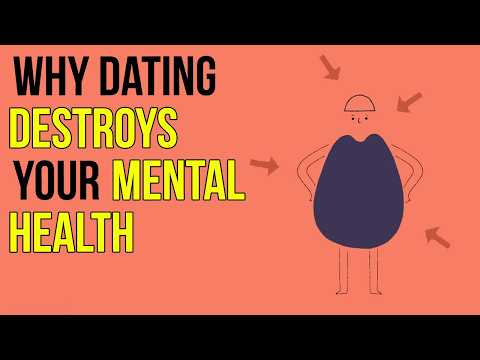
林宜悉 posted on 2025/10/01Feeling the burnout from modern dating? This honest personal essay dives deep into dating burnout, romantic rejection, and existential loneliness, offering a raw look at the struggles singles face today. You'll pick up advanced vocabulary and gain cultural insights into the emotional toll of finding a connection.
Learn this video on the APP!
The VoiceTube App has more in-depth practice for videos!