
affirm
US /əˈfɚm/
UK /ə'fɜ:m/
- Transitive Verb
- To state, strengthen or support a belief you have
- To show you support or agree
B2Morealign
US /əˈlaɪn/
UK /əˈlaɪn/
- Transitive Verb
- To arrange (e.g. objects) in line with one another
- Intransitive Verb
- To be in a line or in the correct position in relation to something else.
B2Moreall at once
US
UK
- Adverb
- Suddenly; at the same time
- At the same time; simultaneously
- Phrase
- Suddenly; at the same time
A1Moreashamed
US /əˈʃemd/
UK /ə'ʃeɪmd/
- Adjective
- Feeling of shame or guilt
- Causing someone to feel shame.
A2Moreassociation
US /əˌsoʊʃi'eɪʃn/
UK /əˌsəʊʃɪ'eɪʃn/
- Noun
- Organization of people with the same interest
B1TOEICMoreat once
US /æt wʌns/
UK /æt wʌns/
- Adverb
- Immediately; without delay
- At the same time; simultaneously
A2Moreavoid
US /əˈvɔɪd/
UK /ə'vɔɪd/
- Transitive Verb
- To prevent from happening
- To stay away from
A2TOEICMoreawkward
US /ˈɔkwəd/
UK /ˈɔ:kwəd/
- Adjective
- Lacking smooth movement
- Causing embarrassment or trouble
B1Morecautious
US /ˈkɔʃəs/
UK /ˈkɔ:ʃəs/
- Adjective
- Careful about avoiding danger, problems
B2Morecome up
US /kʌm ʌp/
UK /kʌm ʌp/
- Phrasal Verb
- To come closer to someone; approach
- (Of sun) to rise into the sky in the morning
A1Moreconflict
US /ˈkɑnˌflɪkt/
UK /'kɒnflɪkt/
- Noun (Countable/Uncountable)
- Argument or struggle between two or more parties
- A serious disagreement or argument.
- Verb (Transitive/Intransitive)
- To have opposite ideas; to disagree; To not match
A2Moreconfusion
US /kənˈfjuʒən/
UK /kən'fju:ʒən/
- Uncountable Noun
- Not knowing what to do; state of disorder
B1Morecrave
US /krev/
UK /kreɪv/
- Verb (Transitive/Intransitive)
- To have a very strong desire for something
B2Morecuriosity
US /ˌkjʊriˈɑsɪti/
UK /ˌkjʊərɪ'ɒsətɪ/
- Noun (Countable/Uncountable)
- Something unusual and perhaps worthy of collecting
- Eager desire to learn more about something
B1Morecurious
US /ˈkjʊriəs/
UK /ˈkjʊəriəs/
- Adjective
- Wanting to know more about something
- Attracting interest by being strange or unusual
A2Moredepend
US /dɪˈpend/
UK /dɪˈpend/
- Verb (Transitive/Intransitive)
- Be controlled or determined by (someone/something)
- To rely on someone or something for support, help, or existence.
B1TOEICMoredepending on
US
UK
- Phrasal Verb
- To rely on for support (financial or emotional)
- Influenced or determined by.
- Preposition
- Subject to; contingent on
- Relying on someone or something for support or assistance.
A2Morediscomfort
US /dɪsˈkʌmfərt/
UK /dɪsˈkʌmfət/
- Transitive Verb
- To cause to feel uncomfortable or not at ease
- Uncountable Noun
- Feelings of being uncomfortable or uneasy
B2Moredisconnect
US /ˌdɪskəˈnɛkt/
UK /ˌdɪskəˈnekt/
- Transitive Verb
- To separate something from something else
- Noun
- State of being separated from something else
B2Moredue to
US /du tu/
UK /dju: tu:/
- Preposition
- Because of; owing to
- Adjective
- Attributable to; caused by.
A1Moreembrace it
US
UK
- Transitive Verb
- To accept something enthusiastically.
C1Moreemotional
US /ɪˈmoʃənəl/
UK /ɪˈməʊʃənl/
- Adjective
- Causing, feeling, or appealing to the emotions
- Relating to or characterized by emotion
A2Moreempower
US /ɛmˈpaʊɚ/
UK /ɪm'paʊə(r)/
- Transitive Verb
- To give someone a power or ability
B2Moreexplicit
US /ɪkˈsplɪsɪt/
UK /ɪkˈsplɪsɪt/
- Adjective
- Definite; clearly stated; specific
- (Of images/language) very clear, e.g. showing sex
B1Moreexplore
US /ɪkˈsplɔr/
UK /ɪk'splɔ:(r)/
- Transitive Verb
- To examine something in detail to learn about it
- To travel to a place to discover more about it
A2TOEICMorefeel like
US
UK
- Intransitive Verb
- To have a desire or inclination for something.
- To have a particular quality or sensation; resemble.
A1Moreguilty
US /ˈɡɪlti/
UK /'ɡɪltɪ/
- Adjective
- Responsible for doing something wrong
- Feeling or showing guilt; having a sense of remorse.
A2TOEICMorehave to
US /hæv tu/
UK /ˈhæv tə/
- Auxiliary Verb
- Must do
A1Moreheal
US /hi:l/
UK /hi:l/
- Verb (Transitive/Intransitive)
- To recover from or forget a bad experience
- To make or become healthy or well again
B1Morehesitate
US /'hezɪteɪt/
UK /'hezɪteɪt/
- Intransitive Verb
- To pause because unsure or reluctant to do
B1TOEICMorein ways
US
UK
- Phrase
- In a manner or by methods that.
- In certain respects or aspects.
A1Morein with
US /ɪn wɪð/
UK /in wið/
- Phrase
- Fashionable or popular at the moment.
- Having influence or favor with someone.
- Phrasal Verb
- To introduce or bring something new into a system or organization.
A1Moreinitiate
US /ɪˈnɪʃ.i.eɪt/
UK /ɪˈnɪʃ.i.eɪt/
- Transitive Verb
- To cause something to begin
- To allow someone into a group by a special ceremony
- Noun
- A person who has been initiated into an organization or activity.
A2TOEICMoreinsecure
US /ˌɪnsɪˈkjʊr/
UK /ˌɪnsɪ'kjʊə(r)/
- Adjective
- Lacking confidence or certainty about yourself
- Not being safe or stable
B1Moreintimacy
US /ˈɪntəməsi/
UK /'ɪntɪməsɪ/
- Uncountable Noun
- The sharing of private and personal things
B2Morejudge
US /dʒʌdʒ/
UK /dʒʌdʒ/
- Noun (Countable/Uncountable)
- Person who decides on the results of a contest
- Person who has the power to make a decision
- Verb (Transitive/Intransitive)
- To reach a decision about who won a contest
- To form an opinion after careful consideration
A2TOEICMorelayer
US /ˈleɚ/
UK /ˈleiə/
- Noun (Countable/Uncountable)
- One of several sheets of a material or object
- A covering of something spread over a surface.
- Transitive Verb
- To put things one on top of another
B1TOEICMorelead to
US /lid tu/
UK /li:d tu:/
- Phrasal Verb
- To result in some action
- Verb (Transitive/Intransitive)
- To have something as a consequence or result.
A1Moreliberate
US /ˈlɪbəˌret/
UK /'lɪbəreɪt/
- Transitive Verb
- To free someone or something that was captured
B2Morelike new
US /laɪk nu/
UK /laɪk nju:/
- other
- In very good, almost perfect condition as if unused.
A2Morelonely
US /ˈloʊnli/
UK /ˈləʊnli/
- Adjective
- Sad because apart from other people
- Being far away and rarely visited by people
B2Morelook away
US /lʊk əˈwe/
UK /luk əˈwei/
- Phrasal Verb
- To turn your eyes in a different direction, especially because you are embarrassed, frightened, or upset.
A2Moremold
US /mold/
UK /məʊld/
- Noun
- Distinctive type of character or nature
- Fungus growing on old food or in wet dark places
- Transitive Verb
- To influence a person's character or behavior
- To form something into a shape
B1Moreno fear
US /no fɪɚ/
UK /nəʊ fɪə/
- other
- Showing confidence or bravery; not afraid.
B1Morepermission
US /pɚˈmɪʃən/
UK /pəˈmɪʃn/
- Noun (Countable/Uncountable)
- Right to do something as allowed by another
- Formal authorization from an authority.
A2Morepleasure
US /ˈplɛʒɚ/
UK /'pleʒə(r)/
- Noun (Countable/Uncountable)
- Feeling of happiness, enjoyment, or satisfaction
- A thing that causes enjoyment or delight.
- Transitive Verb
- To give someone pleasure or satisfaction.
A2TOEICMoreproud of you
US
UK
- Phrase
- Feeling pleased and satisfied about something you own or have done, or are connected to.
B1Morequiz
US /kwɪz/
UK /kwɪz/
- Noun (Countable/Uncountable)
- A game in which players answer questions on topics
- Brief spoken or written test, given to students
- Transitive Verb
- To ask a person many questions about something
B1Morerefer
US /rɪˈfɚ/
UK /rɪ'fɜ:(r)/
- Verb (Transitive/Intransitive)
- To talk about or write about something
- To give information about something
A2TOEICMorereflect
US /rɪˈflɛkt/
UK /rɪ'flekt/
- Verb (Transitive/Intransitive)
- To indicate or be a sign of something
- To bounce back light, heat, sound from a surface
A2TOEICMorereflect on
US /rɪˈflɛkt ɑn/
UK /riˈflekt ɔn/
- Phrasal Verb
- To think deeply or carefully about something.
B2Moreregularly
US /ˈregjələrli/
UK /ˈregjələli/
- Adverb
- At the usual time each day, week, or month
- In a normal or customary way.
B1TOEICMorereligion
US /rɪˈlɪdʒən/
UK /rɪˈlɪdʒən/
- Countable Noun
- Organized set of beliefs about a god or gods
- Noun (Countable/Uncountable)
- Belief in God or gods that governs people's lives
- A person's particular system of beliefs and worship.
A2Morerepress
US /rɪˈprɛs/
UK /rɪ'pres/
- Transitive Verb
- To keep (emotions) under control; restrict
B2Morerepression
US /rɪˈprɛʃən/
UK /rɪˈpreʃn/
- Uncountable Noun
- Psych act of restricting or holding back emotions
B2Moreresonate
US /ˈrɛzəˌnet/
UK /'rezəneɪt/
- Intransitive Verb
- (Of ideas) to have a big impact for a long time
- (E.g. of a bell) to sound clearly for a long time
C2TOEICMoreright for
US
UK
- Adjective
- Suitable or appropriate for a particular person, purpose, or situation.
- Correct or most appropriate.
A1Moresensuality
US /ˌsenʃʊ'ælətɪ/
UK /ˌsenʃʊ'ælətɪ/
- Uncountable Noun
- Desire for sensual pleasures
B2Moreshow up
US /ʃo ʌp/
UK /ʃəu ʌp/
- Phrasal Verb
- To arrive or be seen at a place, e.g. a party
- To be noticeably better than (someone else)
A1Moresuppress
US /səˈprɛs/
UK /səˈpres/
- Transitive Verb
- To prevent the display of emotion or feeling
- To use force to prevent something happening
B1TOEICMoretaboo
US /təˈbu, tæ-/
UK /təˈbu:/
- Adjective
- Not being accepted by customs or society
- Transitive Verb
- To not allow something
B2Moretalking about
US
UK
- Phrasal Verb
- To discuss a particular topic.
- To be constantly mentioning or bringing up a subject.
A1Moretender
US /ˈtɛndɚ/
UK /'tendə(r)/
- Adjective
- Gentle; with great care or consideration
- Feeling pain when an area of skin is touched
- Noun
- A formal offer for something (e.g. some business)
B2TOEICMoreterritory
US /ˈtɛrɪˌtɔri, -ˌtori/
UK /'terətrɪ/
- Noun (Countable/Uncountable)
- Area of land defended by an animal
- Area of particular knowledge or experience
B1TOEICMorethink about
US /θɪŋk əˈbaʊt/
UK /θiŋk əˈbaut/
- Phrasal Verb
- To consider something carefully.
- To remember or call to mind.
A1Morevalid
US /ˈvælɪd/
UK /'vælɪd/
- Adjective
- Being in effect or in force, often legally
- Reasonable; based on sound assumptions
A2TOEICMore
Vocabulary
- talking about: To discuss a particular topic.
- think about: To consider something carefully.
- depending on: To rely on for support (financial or emotional)
- in ways: In a manner or by methods that.
- in with: Fashionable or popular at the moment.
- due to: Because of; owing to
- show up: To arrive or be seen at a place, e.g. a party
- look away: To turn your eyes in a different direction, especially because you are embarrassed, frightened, or upset.
- come up: To come closer to someone; approach
- embrace it: To accept something enthusiastically.
- feel like: To have a desire or inclination for something.
- lead to: To result in some action
- no fear: Showing confidence or bravery; not afraid.
- proud of you: Feeling pleased and satisfied about something you own or have done, or are connected to.
- reflect on: To think deeply or carefully about something.
- like new: In very good, almost perfect condition as if unused.
- right for: Suitable or appropriate for a particular person, purpose, or situation.
- all at once: Suddenly; at the same time
- at once: Immediately; without delay
- have to: Must do
- awkward: Lacking smooth movement
- intimacy: The sharing of private and personal things
- crave: To have a very strong desire for something
- conflict: Argument or struggle between two or more parties
- fear: Unpleasant feeling caused by being aware of danger
- curious: Wanting to know more about something
- express: To send something by fast mail
- emotional: Causing, feeling, or appealing to the emotions
- explore: To examine something in detail to learn about it
- territory: Area of land defended by an animal
- align: To arrange (e.g. objects) in line with one another
- reflect: To indicate or be a sign of something
- insecure: Lacking confidence or certainty about yourself
- permission: Right to do something as allowed by another
- guilty: Responsible for doing something wrong
- avoid: To prevent from happening
- association: Organization of people with the same interest
- judge: Person who decides on the results of a contest
- suppress: To prevent the display of emotion or feeling
- religion: Organized set of beliefs about a god or gods
- refer: To talk about or write about something
- curiosity: Something unusual and perhaps worthy of collecting
- initiate: To cause something to begin
- resonate: (Of ideas) to have a big impact for a long time
- ashamed: Feeling of shame or guilt
- tender: Gentle; with great care or consideration
- explicit: Definite; clearly stated; specific
- valid: Being in effect or in force, often legally
- pleasure: Feeling of happiness, enjoyment, or satisfaction
- taboo: Not being accepted by customs or society
- mold: Distinctive type of character or nature
- quiz: A game in which players answer questions on topics
- layer: One of several sheets of a material or object
- hesitate: To pause because unsure or reluctant to do
- cautious: Careful about avoiding danger, problems
- heal: To recover from or forget a bad experience
- regularly: At the usual time each day, week, or month
- depend: Be controlled or determined by (someone/something)
- empower: To give someone a power or ability
- confusion: Not knowing what to do; state of disorder
- learn: To get knowledge or skills by study or experience
- allow: To admit the validity or truth of something
- natural: Being as one would expect; being usual or normal
- wrong: Action that is harmful, unjust or illegal
- remember: To give someone a gift, e.g. birthday, wedding
- question: To ask for or try to get information
- grow: To get bigger and more mature; make plants do this
- hide: To go to, or put a thing where it can't be found
- discomfort: To cause to feel uncomfortable or not at ease
- part: Division of a book
- start: First time or place that a thing exists; beginning
- hold: To agree to keep something for someone
- liberate: To free someone or something that was captured
- real: Actually existing or happening, not imagined
- think: To have an idea about something without certainty
- repression: Psych act of restricting or holding back emotions
- affirm: To state, strengthen or support a belief you have
- repress: To keep (emotions) under control; restrict
- disconnect: To separate something from something else
- lonely: Sad because apart from other people
- sensuality: Desire for sensual pleasures
Get the full experience in the app
Learn anywhere with detailed sentence and usage analysis
01:03
She took a brave step forward, leaving behind her comfort zone to chase her dreams.
Vocabulary
- brave
adj. Having courage
- comfort zone
phr. A familiar situation where one feels safe
Explanation
a brave step is a noun phrase, where brave is an adjective modifying the noun step, meaning "a courageous step".
forward is an adverb modifying step, meaning "ahead".
The whole phrase serves as the object, answering the "what" of took (verb) — she took a brave step forward.
Get the full experience in the app
Look up words anytime with pronunciation, part of speech, and usage
brave
US/brev/
UK/breɪv/
adj.Brave
v.t.To bravely face
A2 Elementary
Get the full experience in the app
Practice speaking anytime and get instant pronunciation feedback
Try this speaking exercise.
Try practicing with this sentence.
80
0
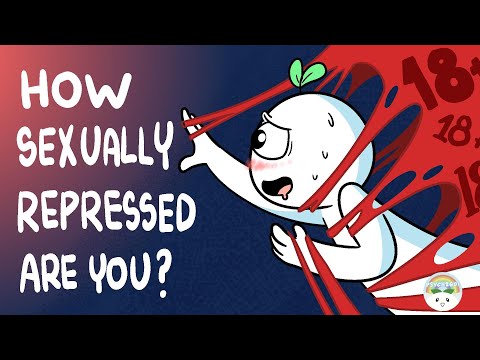
林宜悉 posted on 2025/10/01Ever wondered about your own comfort level with intimacy and sensuality? This engaging self-quiz dives into psychological concepts like sexual repression, helping you explore self-reflection and potentially boost your sexual empowerment! You'll pick up some advanced vocabulary while learning about cultural influences on sexuality.
Learn this video on the APP!
The VoiceTube App has more in-depth practice for videos!