
all at once
US
UK
- Adverb
- Suddenly; at the same time
- At the same time; simultaneously
- Phrase
- Suddenly; at the same time
A1Moreat once
US /æt wʌns/
UK /æt wʌns/
- Adverb
- Immediately; without delay
- At the same time; simultaneously
A2Moreat the end of the day
US
UK
- Phrase
- Ultimately; when everything else is considered.
- After a day's work or activities.
A1Morebarrier
US /ˈbæriɚ/
UK /'bærɪə(r)/
- Noun
- Difficult situation preventing something happening
- Structure or object that stops free movement
B1TOEICMoreblock
US /blɑk/
UK /blɒk/
- Noun (Countable/Uncountable)
- Solid piece of material used for building
- A piece of wood, chocolate etc.
- Transitive Verb
- To stop from going forward or making progress
- To obstruct or prevent the movement or passage of.
A2Morebury
US /ˈbɛri/
UK /'berɪ/
- Transitive Verb
- To put something into the ground and cover it
B1Morecatastrophic
US /ˌkætəˈstrɑfɪk/
UK /ˌkætə'strɒfɪk/
- Adjective
- Causing a lot of damage or suffering
B2Morecause
US /kɔz/
UK /kɔ:z/
- Noun
- Belief, goal or organization that people support
- Reason for
- Transitive Verb
- To make something happen; create effect or result
A2Morecreek
US /krik, krɪk/
UK /kri:k/
- Countable Noun
- Water channel that is smaller than a river
B2Morecubic
US /ˈkjubɪk/
UK /ˈkju:bɪk/
- Adjective
- Measurement of the length, width, and height
B2Moredam up
US /dæm ʌp/
UK /dæm ʌp/
- Phrasal Verb
- To block or obstruct with a dam.
- To suppress or restrain (emotions).
A1Moredebris
US /dəˈbri, de-, ˈdeˌbri/
UK /dəˈbri:, deɪ-, ˈdeɪˌbri:/
- Uncountable Noun
- Remains of something broken or destroyed
- Accumulated fragments of rock.
B2TOEICMoredestroy
US /dɪˈstrɔɪ/
UK /dɪ'strɔɪ/
- Transitive Verb
- To damage so badly that something no longer exists
- To defeat someone or something easily
A2TOEICMoredevastating
US
UK
- Transitive Verb
- To cause extensive destruction or ruin utterly
- Adjective
- Destroying everything; very shocking
- Causing great emotional pain or shock.
B1Moredisaster
US /dɪˈzæstɚ, -ˈsæs-/
UK /dɪ'zɑ:stə(r)/
- Noun (Countable/Uncountable)
- State of extreme ruin and misfortune
- A complete failure.
- Uncountable Noun
- A situation that has gone terribly wrong.
A2Moredownstream
US /ˈdaʊnˌstrim/
UK /ˌdaʊn'stri:m/
- Adverb
- In the direction of a stream's current
C1Moreemergency
US /ɪˈmɚdʒənsi/
UK /ɪ'mɜ:dʒənsɪ/
- Noun (Countable/Uncountable)
- Sudden event needing an immediate action
- A medical condition manifesting itself by acute symptoms of sufficient severity such that the absence of immediate medical attention could reasonably be expected to result in placing the patient's health in serious jeopardy.
- Adjective
- Used in an emergency; for use when something dangerous happens.
- Designed for use in an emergency.
A2TOEICMoreentire
US /ɛnˈtaɪr/
UK /ɪn'taɪə(r)/
- Adjective
- Complete or full; with no part left out; whole
- Undivided; not shared or distributed.
A2TOEICMoreepisode
US /ˈɛpɪˌsod/
UK /'epɪsəʊd/
- Noun
- One separate event in a series of events
- Show which is part of a larger story
B1TOEICMoreessential
US /ɪˈsɛnʃəl/
UK /ɪ'senʃl/
- Adjective
- Extremely or most important and necessary
- Fundamental; basic.
- Noun
- A concentrated hydrophobic liquid containing volatile aroma compounds from plants.
B1TOEICMorefarmland
US /ˈfɑrmˌlænd,-lənd/
UK /ˈfɑ:mlænd/
- Uncountable Noun
- Rural area where farming is practiced
B2Moreflood
US /flʌd/
UK /flʌd/
- Verb (Transitive/Intransitive)
- To quickly appear unexpectedly and in volume
- (Of liquid) to fill or cover something completely
- Noun (Countable/Uncountable)
- A quick unexpectedly volume of something
- Large number of people or things arriving at once
B1Moreflow
US /flo/
UK /fləʊ/
- Intransitive Verb
- To move steadily and easily in a certain direction
- Uncountable Noun
- Amount of something that moves through an area
A2Morego out
US /ɡo aʊt/
UK /ɡəu aut/
- Phrase
- To leave a building (e.g. a house)
- Phrasal Verb
- (Of a fire) to burn out; be extinguished
- Go out of fashion to stop being fashionable
A1Morehold up to
US /hoʊld ʌp tu/
UK /hould ʌp tu:/
- other
- To withstand or endure something unpleasant or difficult.
B2Morehuge
US /hjudʒ/
UK /hju:dʒ/
- Adjective
- Very very large
A2Moreimpact
US /ˈɪmˌpækt/
UK /'ɪmpækt/
- Noun
- A striking effect or result to hit with force
- Act or force of one thing hitting something else
- Verb (Transitive/Intransitive)
- To hit or strike someone or something with force
- To have a strong effect on someone or something.
A2TOEICMoreinfrastructure
US /ˈɪnfrəˌstrʌktʃɚ/
UK /'ɪnfrəstrʌktʃə(r)/
- Uncountable Noun
- Basic necessary equipment for a country or region
- The underlying framework or system of an organization.
B1Morelandslide
US /ˈlændˌslaɪd/
UK /ˈlændslaɪd/
- Noun (Countable/Uncountable)
- Slide of dirt and rock down a mountain or cliff
- A very big win (in an election)
B2Moreloose
US /lus/
UK /lu:s/
- Transitive Verb
- To shoot or fire something from a gun
- Adjective
- (Idea, thought, or work) unclear or imprecise
- Not tightly attached or held
A2Moremassive
US /ˈmæsɪv/
UK /ˈmæsɪv/
- Adjective
- Very big; large; too big
- Large or imposing in scale or scope.
B1Morepile
US /paɪl/
UK /paɪl/
- Noun (Countable/Uncountable)
- Large amount of something
- Group of things one on top of another
- Verb (Transitive/Intransitive)
- (E.g. of problems) to increase; get more or worse
- To place things on top of each other; to heap up.
B1TOEICMoreprovincial
US /prəˈvɪnʃəl/
UK /prəˈvɪnʃl/
- Adjective
- People living out of a main city
- Unsophisticated; narrow-minded
B1Moreremind
US /rɪˈmaɪnd/
UK /rɪ'maɪnd/
- Transitive Verb
- To cause someone to remember what they forgot
- To cause someone to think of something similar or related.
A2TOEICMorereplace
US /rɪˈples/
UK /rɪ'pleɪs/
- Transitive Verb
- To use instead of something else
- To return an item to its original location
A2TOEICMorerescue
US /ˈrɛskju/
UK /'reskju:/
- Transitive Verb
- To save someone who is in danger or in trouble
- To provide financial assistance to save a company or economy from collapse.
- Noun (Countable/Uncountable)
- Act of saving someone in danger or in trouble
- An act of saving someone or something from a dangerous or difficult situation.
A2TOEICMorereservoir
US /ˈrezərvwɑ:(r)/
UK /ˈrezəvwɑ:(r)/
- Noun (Countable/Uncountable)
- A lake storing water for use by the community
- Large, extra supply of something future use
B1Moreroughly
US /ˈrʌflɪ/
UK /ˈrʌfli/
- Adverb
- Approximately; (of numbers) about; around
- In a manner that is violent or not careful
B1Morerush
US /rʌʃ/
UK /rʌʃ/
- Verb (Transitive/Intransitive)
- To attack someone suddenly in a group
- To perform or finish with speed and urgency
- Noun (Countable/Uncountable)
- Actions performed or finishes with speed, urgency
- State of hurried action
A2TOEICMorerush out
US
UK
- Phrasal Verb
- To leave a place quickly or suddenly.
- Verb (Transitive/Intransitive)
- To produce or publish something very quickly.
A1Morescale
US /skel/
UK /skeɪl/
- Noun (Countable/Uncountable)
- Size, level, or amount when compared
- Small hard plates that cover the body of fish
- Verb (Transitive/Intransitive)
- To change the size of but keep the proportions
- To climb something large (e.g. a mountain)
A2TOEICMoreseep
US /sip/
UK /si:p/
- Intransitive Verb
- To flow slowly through small openings or pores
B2Moresoil
US /sɔɪl/
UK /sɔɪl/
- Uncountable Noun
- Conditions in which something develops
- Mix of natural material in which plants grow
- Transitive Verb
- To get or become dirty
B1Moretragedy
US /ˈtrædʒɪdi/
UK /'trædʒədɪ/
- Noun
- Play that has a sad ending with many deaths
- Very sad event that usually involves death
B1Moretrigger
US /ˈtrɪɡɚ/
UK /'trɪɡə(r)/
- Noun
- Lever on a gun that you pull to fire
- Device that starts a process
- Transitive Verb
- To start a process off e.g. a memory
- To cause something to begin or happen.
B1More
Vocabulary
- dam up: To block or obstruct with a dam.
- hold up to: To withstand or endure something unpleasant or difficult.
- rush out: To leave a place quickly or suddenly.
- all at once: Suddenly; at the same time
- at once: Immediately; without delay
- at the end of the day: Ultimately; when everything else is considered.
- go out: To leave a building (e.g. a house)
- episode: One separate event in a series of events
- entire: Complete or full; with no part left out; whole
- massive: Very big; large; too big
- essential: Extremely or most important and necessary
- trigger: Lever on a gun that you pull to fire
- devastating: To cause extensive destruction or ruin utterly
- scale: Size, level, or amount when compared
- infrastructure: Basic necessary equipment for a country or region
- impact: A striking effect or result to hit with force
- catastrophic: Causing a lot of damage or suffering
- barrier: Difficult situation preventing something happening
- roughly: Approximately; (of numbers) about; around
- pile: Large amount of something
- disaster: State of extreme ruin and misfortune
- cause: Belief, goal or organization that people support
- huge: Very very large
- debris: Remains of something broken or destroyed
- create: To make, cause, or bring into existence
- tragedy: Play that has a sad ending with many deaths
- risk: To do something potentially dangerous or foolish
- break: To create a new record e.g. running the 100m dash
- emergency: Sudden event needing an immediate action
- rush: To attack someone suddenly in a group
- soil: Conditions in which something develops
- scary: Causing fear; frightening
- rescue: To save someone who is in danger or in trouble
- bury: To put something into the ground and cover it
- destroy: To damage so badly that something no longer exists
- loose: To shoot or fire something from a gun
- flow: To move steadily and easily in a certain direction
- hit: To have a negative impact on a person/place/thing
- block: Solid piece of material used for building
- remind: To cause someone to remember what they forgot
- replace: To use instead of something else
- flood: To quickly appear unexpectedly and in volume
- natural: Being as one would expect; being usual or normal
- hard: Difficult to do; difficult to understand
- make: To arrange or prepare something e.g. dinner
- part: Division of a book
- hold: To agree to keep something for someone
- service: Work that a person does to assist others
- wide: Having a great distance from one side to the other
- disappear: To no longer see because it's not there any more
- train: Line of people, animals moving the same direction
- reservoir: A lake storing water for use by the community
- time: Speed at which music is played; tempo
- seep: To flow slowly through small openings or pores
- landslide: Slide of dirt and rock down a mountain or cliff
- provincial: People living out of a main city
- creek: Water channel that is smaller than a river
- cubic: Measurement of the length, width, and height
- farmland: Rural area where farming is practiced
- downstream: In the direction of a stream's current
Get the full experience in the app
Learn anywhere with detailed sentence and usage analysis
01:03
She took a brave step forward, leaving behind her comfort zone to chase her dreams.
Vocabulary
- brave
adj. Having courage
- comfort zone
phr. A familiar situation where one feels safe
Explanation
a brave step is a noun phrase, where brave is an adjective modifying the noun step, meaning "a courageous step".
forward is an adverb modifying step, meaning "ahead".
The whole phrase serves as the object, answering the "what" of took (verb) — she took a brave step forward.
Get the full experience in the app
Look up words anytime with pronunciation, part of speech, and usage
brave
US/brev/
UK/breɪv/
adj.Brave
v.t.To bravely face
A2 Elementary
Get the full experience in the app
Practice speaking anytime and get instant pronunciation feedback
Try this speaking exercise.
Try practicing with this sentence.
80
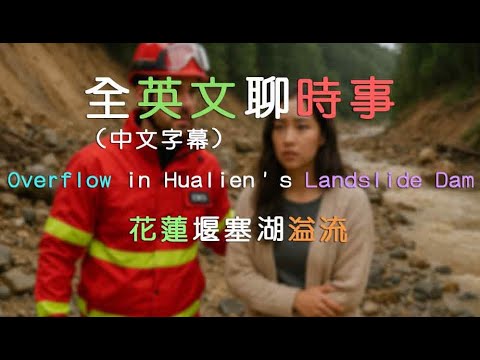
全英文聊時事|Overflow in Hualien’s Landslide Dam|花蓮堰塞湖溢流|沉浸式英語聽力&口語訓練
0
Gary Moore posted on 2025/09/29Wow, Hualien's landslide dam overflow was a serious event! This video dives deep into the disaster, helping you understand the situation with tons of useful vocabulary related to natural disasters and emergency responses. You'll boost your listening and speaking skills by discussing real-world news like this!
Learn this video on the APP!
The VoiceTube App has more in-depth practice for videos!