
algorithm
US /ˈælɡəˌrɪðəm/
UK /'ælɡərɪðəm/
- Noun
- A step-by-step problem-solving feature
B2Morealso known as
US
UK
- Phrase
- Also called; alternatively named.
- Identified by another term; synonymous with.
A1Moreapproach
US /əˈprəʊtʃ/
UK /ə'prəʊtʃ/
- Verb (Transitive/Intransitive)
- To get close to reaching something or somewhere
- To request someone to do something specific
- Noun (Countable/Uncountable)
- Means of reaching a place, often a road or path
- Request of someone with a specific goal in mind
A2TOEICMorearrive at
US /əˈraɪv æt/
UK /əˈraiv æt/
- Phrasal Verb
- To reach a place, especially at the end of a journey.
- To reach a conclusion or decision after thinking about something.
A2Moreat a time
US /æt e taɪm/
UK /æt ə taim/
- Phrase
- Separately; one by one
- Simultaneously; together
A1Moreat once
US /æt wʌns/
UK /æt wʌns/
- Adverb
- Immediately; without delay
- At the same time; simultaneously
A2Moreaverage
US /ˈævərɪdʒ, ˈævrɪdʒ/
UK /'ævərɪdʒ/
- Noun (Countable/Uncountable)
- Total of numbers divided by the number of items
- Transitive Verb
- To add numbers then divide by the number of items
A2TOEICMoreback into
US /bæk ˈɪntu/
UK /bæk ˈɪntuː/
- Phrasal Verb
- To drive a vehicle backwards into a space or area.
- To accidentally collide with something while moving backwards.
A1Morebased on
US
UK
- Phrasal Verb
- To use something as the foundation or starting point for something else.
- Preposition
- Using something as the main idea or foundation.
- Relying on something as evidence or justification.
A1Moreblurry
US /ˈblə:ɪ/
UK /ˈblɜ:ri/
- Adjective
- Being indistinguishable or unclear in shape
B2Morebreaks down
US
UK
- Phrasal Verb
- To forcibly break, destroy or make collapse
- (Machine) to stop working or become weaker
A1Moreclip
US /klɪp/
UK /klɪp/
- Countable Noun
- A metal holder used for keeping things together
- Brief part of a television show or movie
- Transitive Verb
- To attach things together using a metal pin
- To cut a small section or piece out from something
B1Morecondition
US /kənˈdɪʃən/
UK /kənˈdɪʃn/
- Transitive Verb
- To improve something to make it better
- To cause to behave automatically in a certain way
- Noun (Countable/Uncountable)
- Disease or other medical problem
- The state of living you are in, e.g. good health
A2Morecorrespond
US /ˌkɔ:rəˈspɑ:nd/
UK /ˌkɒrəˈspɒnd/
- Intransitive Verb
- To have similarity or equality with something
- To write letters or emails to someone
B1Morecut down
US /kʌt daʊn/
UK /kʌt daun/
- Phrasal Verb
- To reduce your use of something
- To fell a tree.
A1Moredatum
US /ˈdetəm, ˈdætəm, ˈdɑtəm/
UK /ˈdeɪtəm/
- Noun
- Item of factual information
B1Moredifferential
US /ˌdɪfəˈrɛnʃəl/
UK /ˌdɪfəˈrenʃl/
- Adjective
- Different, as in treatment; discriminatory
- Relating to or based on a difference; involving derivatives.
- Noun
- A gear to let back wheels spin at different speeds
- An infinitesimal change in a variable; a derivative.
B2Morediffusion
US /dɪˈfjuʒən/
UK /dɪ'fju:ʒn/
- Uncountable Noun
- Spreading out over a larger area
B2Moredig into
US
UK
- Phrasal Verb
- To start eating food enthusiastically.
- To investigate or research something thoroughly.
B1Moredimensional
US /dɪˈmɛnʃənl:/
UK /dɪ'menʃənəl/
- Adjective
- Concerning how many planes an object exists in
B1Moredirection
US /dɪˈrɛkʃən, daɪ-/
UK /də'rekʃn/
- Noun (Countable/Uncountable)
- When someone tells people what to do
- Describes the way you are going, e.g. North
A2TOEICMoredistribution
US /ˌdɪstrəˈbjuʃən/
UK /ˌdɪstrɪˈbju:ʃn/
- Noun (Countable/Uncountable)
- Dividing or spreading out to others
- Act of sending products to stores to sell
- Adjective
- Sending products to stores to sell
B1Moredue to
US /du tu/
UK /dju: tu:/
- Preposition
- Because of; owing to
- Adjective
- Attributable to; caused by.
A1Moreeffectively
US /ɪˈfɛktɪvli/
UK /ɪˈfektɪvli/
- Adverb
- In a way that produces the desired result
B1Moreembed
US /ɛmˈbɛd/
UK /ɪm'bed/
- Transitive Verb
- To place or set inside rock, etc.
- To integrate (something) into something else.
B2Moreencoder
US
UK
- Noun
- Machine that turns a message into code
B1Moreend up with
US
UK
- Phrasal Verb
- To have something as a result.
A1Moreequation
US /ɪˈkweʒən, -ʃən/
UK /ɪˈkweɪʒn/
- Noun (Countable/Uncountable)
- Mathematical statement showing things to be equal
- Complex set of different facts, ideas or issues
B1Moreequivalent
US /ɪˈkwɪvələnt/
UK /ɪˈkwɪvələnt/
- Adjective
- Equal to something in value, use or meaning
- Having the same meaning or significance.
- Noun
- Thing like another in quality, quantity or degree
B1TOEICMorefeel for
US /fil fɔr/
UK /fi:l fɔ:/
- Phrasal Verb
- To have sympathy for someone; to empathize with someone's situation.
- To try to find something by touching it.
A1Morefeel like
US
UK
- Intransitive Verb
- To have a desire or inclination for something.
- To have a particular quality or sensation; resemble.
A1Morefit together
US /fɪt təˈɡɛðɚ/
UK /fɪt təˈɡeðə/
- other
- To combine or join parts properly or correctly.
B1Morefor example
US
UK
- Phrase
- As an illustration or instance.
generate
US /ˈdʒɛnəˌret/
UK /ˈdʒenəreɪt/
- Transitive Verb
- To create or be produced or bring into existence
- To create electricity, heat, energy and power
A2TOEICMoreget hands on
US
UK
- Adjective
- Involving active participation and direct experience.
- Verb (Transitive/Intransitive)
- To become actively involved in managing or doing something.
A1Morego about it
US
UK
- Phrasal Verb
- To approach something; to tackle a task or problem
A1Morehold in
US /hold ɪn/
UK /həuld in/
- Phrasal Verb
- To hide your emotions and not let them show
A1Morein a sense
US /ɪn e sɛns/
UK /in ə sens/
- Phrase
- In one way of thinking; to some extent; in some ways.
B1Morein action
US
UK
- Phrase
- Actively doing something; performing a task or duty.
in addition to
US /ɪn əˈdɪʃən tu/
UK /in əˈdiʃən tu:/
- Preposition
- Besides; as well as
- Phrase
- Besides; as well as.
- Furthermore; moreover.
B1Morein general
US /ɪn ˈdʒɛnərəl/
UK /in ˈdʒenərəl/
- Phrase
- Typically; usually; on the whole.
- Not specific or detailed; broadly.
- Adjective
- Not detailed or specific; overall.
C2Morein practice
US /ɪn ˈpræktɪs/
UK /in ˈpræktis/
- Phrase
- In reality or actual use; as opposed to in theory.
A1Morein step
US
UK
- Phrase
- Moving or progressing at the same rate or in harmony.
- With each foot movement synchronized.
- Adjective
- In agreement or conformity with current trends or ideas.
A1Morein the field
US
UK
- Phrase
- Working or doing research in a real-world environment, not in a classroom or laboratory.
- Located on the playing area of a sports ground.
A1Morein the space of
US /ɪn ðə ˈspeɪs ʌv/
UK /in ðə ˈspeis ɔv/
- Preposition
- Within a certain period of time.
B2Moreinstead of
US /ɪnˈstɛd ʌv/
UK /inˈsted ɔv/
- Preposition
- When one thing is replaced by another
- Adverb
- As a substitute or alternative.
A1Moreintensity
US /ɪnˈtɛnsɪti/
UK /ɪn'tensətɪ/
- Uncountable Noun
- Great energy, strength, or concentration
- The quality of being intense; the degree or amount of strength, force, etc.
A2TOEICMoreintuitive sense
US
UK
- Noun (Countable/Uncountable)
- An instinctive feeling not based on conscious reasoning.
- A natural understanding of something.
leave out
US /liv aʊt/
UK /li:v aut/
- Phrasal Verb
- To forget; omit
A1Morelong for
US /lɔŋ fɔr/
UK /lɔŋ fɔ:/
- Phrasal Verb
- To have a strong desire or yearning for something.
A1Morelook at
US /lʊk æt/
UK /luk æt/
- Phrasal Verb
- To use your eyes to focus on something
- To focus your eyes on something carefully
A1Moremake up
US /mek ʌp/
UK /meik ʌp/
- Phrasal Verb
- To invent or create a story
- To add up to
- Verb (Transitive/Intransitive)
- To invent a story, excuse, etc.
- To compensate for something lost, missed, or deficient.
A1Moremove to
US /muv tu/
UK /mu:v tu:/
- Phrasal Verb
- To change the place where you live or work.
- Verb (Transitive/Intransitive)
- To proceed to the next stage or action.
A2Moreneural
US /ˈnʊrəl, ˈnjʊr-/
UK /ˈnjuərəl/
- Adjective
- About the nerves or nervous system
B2Moreon average
US /ɑn ˈævərɪdʒ/
UK /ɔn ˈævəridʒ/
- Phrase
- Typically; usually; based on an average calculation.
B1Moreon time
US /ɑn taɪm/
UK /ɔn taim/
- Phrase
- Adjective
- Arriving at or done by the required time
- Meeting a deadline; punctual in fulfilling obligations.
A1Moreon top of that
US
UK
- Phrase
- In addition to something already mentioned; furthermore.
A1Moreover time
US /ˈovɚ taɪm/
UK /ˈəuvə taim/
- Phrase
- Gradually; as time passes.
- During a long period.
- Adverb
- Gradually; as time passes.
B1Morepass through
US /pæs θru/
UK /pɑ:s θru:/
- Phrasal Verb
- To experience something, often unpleasant or difficult.
- To go through something; to move from one side to the other of something.
A2Morepixel
US /ˈpɪksəl, -ˌsɛl/
UK /ˈpɪksl/
- Noun
- Small element forming image on TV/computer screen
C1Morepoint at
US
UK
- Phrasal Verb
- To aim (gun, etc.) at someone or something
A1Morepractice
US /ˈpræktɪs/
UK /'præktɪs/
- Noun
- The office and place for legal or medical work
- Doing something many times to become better at it
- Verb (Transitive/Intransitive)
- To work as a doctor or lawyer
- To live according to the teachings of a religion
A2TOEICMorepredict
US /prɪˈdɪkt/
UK /prɪ'dɪkt/
- Transitive Verb
- To guess or estimate what will or might happen
A2TOEICMoreprocess
US /ˈprɑsˌɛs, ˈproˌsɛs/
UK /prə'ses/
- Transitive Verb
- To organize and use data in a computer
- To deal with official forms in the way required
- Noun (Countable/Uncountable)
- Dealing with official forms in the way required
- Set of changes that occur slowly and naturally
A2TOEICMoreprompt
US /prɑmpt/
UK /prɒmpt/
- Noun
- Message on a computer requiring attention
- Encouragement to ask someone else to talk
- Transitive Verb
- To display a message to requires a user to act
- To say something to encourage someone else to talk
B1Morequality
US /ˈkwɑlɪti/
UK /'kwɒlətɪ/
- Noun (Countable/Uncountable)
- Feature associated with someone or something
- High level of worth or excellence
- Adjective
- Of a high standard
A2TOEICMorerandom
US /ˈrændəm/
UK /'rændəm/
- Adjective
- Chosen, done without a particular plan or pattern
B1Morereach out
US /ritʃ aʊt/
UK /ri:tʃ aut/
- Phrasal Verb
- To attempt to communicate with someone.
- To offer help and support to someone.
B1Morerealistic
US /ˌriəˈlɪstɪk/
UK /ˌri:əˈlɪstɪk/
- Adjective
- Looks or appears real; like things really are
- Having or showing a practical awareness of things as they are
A2Moreregardless of
US /rɪˈɡɑrdlɪs ʌv/
UK /riˈɡɑ:dlis ɔv/
- Phrase
- Preposition
- Without being affected or influenced by something; despite.
A2Morereverse
US /rɪˈvɚs/
UK /rɪ'vɜ:s/
- Noun
- Setting that makes the vehicle go backward
- Instance of a significant change, for the worse
- Verb (Transitive/Intransitive)
- To drive a vehicle backward
- To change to an opposite state, way or condition
B1TOEICMoreroll back
US /rol bæk/
UK /rəul bæk/
- Phrasal Verb
- To restore a system or database to a previous state.
A2Moresame time
US
UK
- Phrase
- Occurring simultaneously or at the same point in time.
- At the identical time as before; recurring at a fixed hour.
- Noun
- An equal duration or period.
A1Morescale
US /skel/
UK /skeɪl/
- Noun (Countable/Uncountable)
- Size, level, or amount when compared
- Small hard plates that cover the body of fish
- Verb (Transitive/Intransitive)
- To change the size of but keep the proportions
- To climb something large (e.g. a mountain)
A2TOEICMoresearch for
US /sɚtʃ fɔr/
UK /sə:tʃ fɔ:/
- Phrasal Verb
- To try to find someone or something.
B1Moresee in
US /si ɪn/
UK /si: in/
- Phrasal Verb
- To accompany someone to the entrance of a building or room.
A1Moreshow up
US /ʃo ʌp/
UK /ʃəu ʌp/
- Phrasal Verb
- To arrive or be seen at a place, e.g. a party
- To be noticeably better than (someone else)
A1Moresingle step
US /ˈsɪŋɡəl stɛp/
UK /ˈsiŋɡl step/
- Noun
- A solitary action or measure.
- A basic movement in dancing.
B1Morespecific
US /spɪˈsɪfɪk/
UK /spəˈsɪfɪk/
- Adjective
- Precise; particular; just about that thing
- Concerning one particular thing or kind of thing
A2Morespiral
US /ˈspaɪrəl/
UK /'spaɪrəl/
- Noun
- A continuous curve round a central point
- Intransitive Verb
- To move in a continuous curve round a point
B2Moresteer
US /stɪr/
UK /stɪə(r)/
- Countable Noun
- A cow
- Transitive Verb
- To control the direction in which something moves
B1Morestep back
US /stɛp bæk/
UK /step bæk/
- Phrasal Verb
- To move backwards; to move away from something.
- To take a break from something; to gain perspective.
A1Morestep into
US /stɛp ˈɪntu/
UK /step ˈɪntuː/
- Phrasal Verb
- To enter a place or situation.
- To become involved in something, especially a job or role.
A1Morestochastic
US /stə'kæstɪk/
UK /stə'kæstɪk/
- Adjective
- Being or having a random variable
C2Morestructure
US /ˈstrʌk.tʃɚ/
UK /ˈstrʌk.tʃə/
- Noun (Countable/Uncountable)
- The way in which the parts of a system or object are arranged or organized, or a system arranged in this way
- A building or other man-made object.
- Transitive Verb
- To plan, organize, or arrange the parts of something
A2TOEICMorethanks to
US /θæŋks tu/
UK /θæŋks tu:/
- Preposition
- Because of; as a result of.
A1Moretheory
US /ˈθiəri, ˈθɪri/
UK /ˈθiəri/
- Noun (Countable/Uncountable)
- Ideas or principles that explain facts or events
- An idea or belief about something
A2TOEICMorethink about
US /θɪŋk əˈbaʊt/
UK /θiŋk əˈbaut/
- Phrasal Verb
- To consider something carefully.
- To remember or call to mind.
A1Morethink of
US /θɪŋk ʌv/
UK /θiŋk ɔv/
- Phrasal Verb
- To look on as (being something specific); consider
- To consider or remember something.
- Verb (Transitive/Intransitive)
- To imagine or call something to mind
A1Moreturned out
US
UK
- Phrasal Verb
- To arrive for a public event or entertainment
- To happen to be in the end
- Transitive Verb
- To extinguish or switch off lights.
A1Moreused to
US /juzd tu/
UK /ˈju:st tə/
- Adjective
- Did regularly before, but don't do now
- Auxiliary Verb
- Have done before, but do not do now
A1Morevector
US /ˈvɛktɚ/
UK /'vektə(r)/
- Noun
- Math a quantity that has both size and direction
B2Morewant in
US
UK
- Intransitive Verb
- To desire to participate or be included in something.
A1Morewith time
US
UK
- Phrase
- As time passes; eventually.
- Given enough time; in the course of time.
A1Morework in
US /wɚk ɪn/
UK /wə:k in/
- Phrasal Verb
- To make an opening for something in your schedule
- To fit person/thing into a schedule or sequence
A1Morewrite out
US /raɪt aʊt/
UK /rait aut/
- Phrasal Verb
- To write something in full instead of using abbreviations or symbols.
- To copy something by writing it.
A1More
Vocabulary
- in practice: In reality or actual use; as opposed to in theory.
- instead of: When one thing is replaced by another
- single step: A solitary action or measure.
- dig into: To start eating food enthusiastically.
- back into: To drive a vehicle backwards into a space or area.
- at a time: Separately; one by one
- end up with: To have something as a result.
- fit together: To combine or join parts properly or correctly.
- work in: To make an opening for something in your schedule
- cut down: To reduce your use of something
- look at: To use your eyes to focus on something
- for example: As an illustration or instance.
- arrive at: To reach a place, especially at the end of a journey.
- think about: To consider something carefully.
- point at: To aim (gun, etc.) at someone or something
- with time: As time passes; eventually.
- get hands on: Involving active participation and direct experience.
- feel for: To have sympathy for someone; to empathize with someone's situation.
- in the field: Working or doing research in a real-world environment, not in a classroom or laboratory.
- long for: To have a strong desire or yearning for something.
- think of: To look on as (being something specific); consider
- make up: To invent or create a story
- search for: To try to find someone or something.
- turned out: To arrive for a public event or entertainment
- step into: To enter a place or situation.
- in step: Moving or progressing at the same rate or in harmony.
- intuitive sense: An instinctive feeling not based on conscious reasoning.
- show up: To arrive or be seen at a place, e.g. a party
- on average: Typically; usually; based on an average calculation.
- step back: To move backwards; to move away from something.
- also known as: Also called; alternatively named.
- on time
- due to: Because of; owing to
- move to: To change the place where you live or work.
- in the space of: Within a certain period of time.
- breaks down: To forcibly break, destroy or make collapse
- pass through: To experience something, often unpleasant or difficult.
- over time: Gradually; as time passes.
- regardless of
- thanks to: Because of; as a result of.
- used to: Did regularly before, but don't do now
- at once: Immediately; without delay
- see in: To accompany someone to the entrance of a building or room.
- same time: Occurring simultaneously or at the same point in time.
- in action: Actively doing something; performing a task or duty.
- in addition to: Besides; as well as
- based on: To use something as the foundation or starting point for something else.
- leave out: To forget; omit
- in general: Typically; usually; on the whole.
- roll back
- want in: To desire to participate or be included in something.
- write out: To write something in full instead of using abbreviations or symbols.
- on top of that: In addition to something already mentioned; furthermore.
- hold in: To hide your emotions and not let them show
- feel like: To have a desire or inclination for something.
- in a sense: In one way of thinking; to some extent; in some ways.
- go about it: To approach something; to tackle a task or problem
- reach out: To attempt to communicate with someone.
- specific: Precise; particular; just about that thing
- equivalent: Equal to something in value, use or meaning
- approach: To get close to reaching something or somewhere
- process: To organize and use data in a computer
- practice: The office and place for legal or medical work
- scale: Size, level, or amount when compared
- average: Total of numbers divided by the number of items
- structure: The way in which the parts of a system or object are arranged or organized, or a system arranged in this way
- random: Chosen, done without a particular plan or pattern
- quality: Feature associated with someone or something
- algorithm: A step-by-step problem-solving feature
- realistic: Looks or appears real; like things really are
- field: Area of study, such as physics or biology
- theory: Ideas or principles that explain facts or events
- reverse: Setting that makes the vehicle go backward
- predict: To guess or estimate what will or might happen
- intensity: Great energy, strength, or concentration
- condition: To improve something to make it better
- clever: Funny in a way that shows intelligence
- effectively: In a way that produces the desired result
- similar: Nearly the same; alike
- prompt: Message on a computer requiring attention
- neural: About the nerves or nervous system
- direction: When someone tells people what to do
- generate: To create or be produced or bring into existence
- steer: A cow
- clip: A metal holder used for keeping things together
- equation: Mathematical statement showing things to be equal
- spiral: A continuous curve round a central point
- text: To send a message by phone or other device
- distribution: Dividing or spreading out to others
- learn: To get knowledge or skills by study or experience
- blurry: Being indistinguishable or unclear in shape
- point: An item to be discussed
- step: Movement done as part of a particular dance
- space: Empty area kept for a specific reason, like a car
- wear: To have clothes, glasses, shoes etc. on your body
- start: First time or place that a thing exists; beginning
- embed: To place or set inside rock, etc.
- train: Line of people, animals moving the same direction
- remove: To get rid of something completely
- correspond: To have similarity or equality with something
- dimensional: Concerning how many planes an object exists in
- time: Speed at which music is played; tempo
- datum: Item of factual information
- add: To include as well
- center: Community place people go health or social reasons
- diffusion: Spreading out over a larger area
- pixel: Small element forming image on TV/computer screen
- vector: Math a quantity that has both size and direction
- differential: Different, as in treatment; discriminatory
- stochastic: Being or having a random variable
- encoder: Machine that turns a message into code
Get the full experience in the app
Learn anywhere with detailed sentence and usage analysis
01:03
She took a brave step forward, leaving behind her comfort zone to chase her dreams.
Vocabulary
- brave
adj. Having courage
- comfort zone
phr. A familiar situation where one feels safe
Explanation
a brave step is a noun phrase, where brave is an adjective modifying the noun step, meaning "a courageous step".
forward is an adverb modifying step, meaning "ahead".
The whole phrase serves as the object, answering the "what" of took (verb) — she took a brave step forward.
Get the full experience in the app
Look up words anytime with pronunciation, part of speech, and usage
brave
US/brev/
UK/breɪv/
adj.Brave
v.t.To bravely face
A2 Elementary
Get the full experience in the app
Practice speaking anytime and get instant pronunciation feedback
Try this speaking exercise.
Try practicing with this sentence.
80
But how do AI images and videos actually work? | Guest video by Welch Labs
0
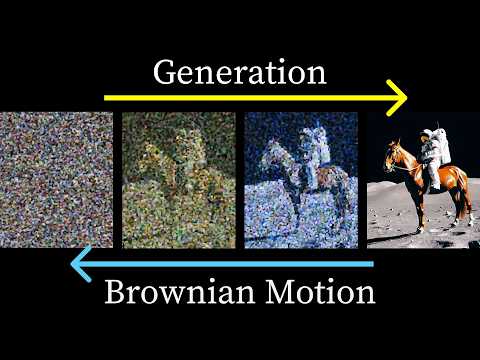
Danny Chi posted on 2025/09/27Ever wondered how AI conjures up those amazing images and videos from just text? This awesome video from Welch Labs dives deep into the fascinating world of diffusion models, explaining concepts like CLIP and DDPM in a super intuitive way. You'll pick up some seriously advanced vocabulary and get a handle on complex sentence structures, making it perfect for boosting your English comprehension!
Learn this video on the APP!
The VoiceTube App has more in-depth practice for videos!