Vocabulary
- due to: Because of; owing to
- on the other hand : Considering a different aspect of the matter; alternatively.
- such as: For example; like
- in areas: Located or occurring within specific regions or locations.
- break down: To forcibly break, destroy or make collapse
- think of: To look on as (being something specific); consider
- deal with
- rely on: To depend on someone or something
- in general: Typically; usually; on the whole.
- breaks down: To forcibly break, destroy or make collapse
- saying goes: An expression or proverb that is commonly known and used.
- call for: To demand, need or require (an action or thing)
- in private: Not in public; in a place where other people cannot see or hear you
- in addition to: Besides; as well as
- make certain: To ensure or ascertain something.
- based on: To use something as the foundation or starting point for something else.
- intense: Very strong, great or extreme in degree
- chronic: Always or often doing something, e.g. lying
- approach: To get close to reaching something or somewhere
- significant: Large enough to be noticed or have an effect
- opportunity: Time, situation when a thing might be done; chance
- physical: Health check at the doctors' or hospital
- practice: The office and place for legal or medical work
- trauma: A very severe or upsetting experience
- fascinating: To attract or interest greatly
- average: Total of numbers divided by the number of items
- treat: To pay for the food or enjoyment of someone else
- approximately: Around; nearly; almost; about (a number)
- career: Particular occupation in professional life
- intellectual: connected with or using a person’s ability to think in a logical way and understand things
- emotional: Causing, feeling, or appealing to the emotions
- complex: Group of buildings all used for the same purpose
- demand: Desire customers have to buy product, service
- research: To study in order to discover new ideas and facts
- consistently: In a manner that is the same almost every time
- reflect: To indicate or be a sign of something
- dementia: Illness characterized by loss of memory
- stroke: When blood cannot get to brain, causing damage
- field: Area of study, such as physics or biology
- affect: To cause a change in something else
- toll: Sound that a big bell makes, when it is rung
- brain: To strike someone forcefully on the head
- dramatically: In a sudden or extreme manner
- perform: To carry out an action well or successfully
- substantial: (Of a meal) able to satisfy your hunger; filling
- nervous: Concerning the system of nerves in the body
- intervention: Getting involved to solve a disagreement, problem
- organ: Part of a person's body with a particular function
- due: When something is required or expected
- surgery: Medical operation involving cutting into body
- rate: To assess something or consider its qualities
- neurological: Concerning, used in or practicing neurology
- extensive: Large; full or complete
- clinical: Concerning the treatment or observing patients
- competitive: Being strongly driven to win or be better than
- spine: Line of bones that runs down your back
- regularly: At the usual time each day, week, or month
- invasive: Entering the body, etc. in a destructive way
- diagnosis: Judgments by a doctor about a person's illness
- exceptional: Being extremely and unusually good
- system: Set of organized, planned ideas that work together
- operate: To control or handle something, such as a machine
- specialty: Skill or a dish that a person, business is good at
- surgeon: A doctor who performs surgery
- difference: A thing or issue that people do not agree about
- epilepsy: Medical condition involving fits or seizures
- burnout: When you get exhausted from the effort of your job
- train: Line of people, animals moving the same direction
- cover: To record a different version of another song
- life: All the living things e.g. animals, plants, humans
- nature: Person's character or particular way of behaving
- work: The product of some artistic or literary endeavor
- surgical: Of or relating to surgery or operations
- residency: Training for a junior doctor in hospital
- neurologist: Doctor specializing in the nervous system
- outpatient: Patient treated at hospital without staying there
Get the full experience in the app
Learn anywhere with detailed sentence and usage analysis
01:03
She took a brave step forward, leaving behind her comfort zone to chase her dreams.
Vocabulary
- brave
adj. Having courage
- comfort zone
phr. A familiar situation where one feels safe
Explanation
a brave step is a noun phrase, where brave is an adjective modifying the noun step, meaning "a courageous step".
forward is an adverb modifying step, meaning "ahead".
The whole phrase serves as the object, answering the "what" of took (verb) — she took a brave step forward.
Get the full experience in the app
Look up words anytime with pronunciation, part of speech, and usage
brave
US/brev/
UK/breɪv/
adj.Brave
v.t.To bravely face
A2 Elementary
Get the full experience in the app
Practice speaking anytime and get instant pronunciation feedback
Try this speaking exercise.
Try practicing with this sentence.
80
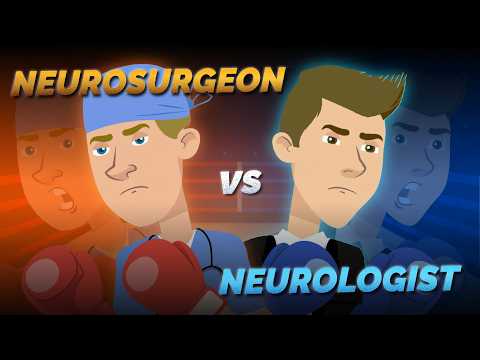
Neurosurgeon vs Neurologist 💥 Career Battle (Training, Lifestyle, & Pay)
0
林宜悉 posted on 2025/09/26Ever wondered about the difference between a neurosurgeon and a neurologist? This video dives deep into their training, daily lives, and salaries, giving you a clear picture of these demanding careers! You'll pick up tons of advanced vocabulary related to medicine and professional paths, making it a fantastic way to boost your English knowledge.
Learn this video on the APP!
The VoiceTube App has more in-depth practice for videos!