
ability
US /əˈbɪlɪti/
UK /ə'bɪlətɪ/
- Noun (Countable/Uncountable)
- The power, resources or skill to do something
- A particular skill or talent.
A2TOEICMoreabsorb
US /əbˈsɔrb, -ˈzɔrb/
UK /əb'sɔ:b/
- Transitive Verb
- To take up all attention / energy of something
- To take in a liquid; soak up
B1TOEICMoreacknowledge
US /ækˈnɑlɪdʒ/
UK /ək'nɒlɪdʒ/
- Transitive Verb
- To say you have received a letter, gift, etc.
- To say you accept the truth or value of something
A2Moreassume
US /əˈsum/
UK /ə'sju:m/
- Transitive Verb
- To act in a false manner to mislead others
- To believe, based on the evidence; suppose
A2TOEICMoreat work
US /æt wɚk/
UK /æt wə:k/
- Phrase
- Located at one's place of employment
A1Morecoincidence
US /koʊˈɪnsɪdəns/
UK /kəʊˈɪnsɪdəns/
- Noun (Countable/Uncountable)
- Occurrence by chance, not design or planned
- State in which two ideas or opinions are the same
B1Morecommit
US /kəˈmɪt/
UK /kə'mɪt/
- Transitive Verb
- To do something bad, usually a crime
- To promise your permanent love or loyalty (to)
A2TOEICMoreconvince
US /kənˈvɪns/
UK /kən'vɪns/
- Transitive Verb
- To persuade someone, or make them feel sure
A2TOEICMoredate back
US /det bæk/
UK /deit bæk/
- Intransitive Verb
- To have existed since a particular time in the past.
- Phrasal Verb
- To have originated at a certain time in the past.
A1Moredeal with
US /dil wɪð/
UK /di:l wið/
- Verb (Transitive/Intransitive)
- To buy or sell goods or services.
- Phrasal Verb
- To take action to solve a problem or manage a situation.
- To be about; concern.
A1Moredimly
US /ˈdɪmlɪ/
UK /ˈdɪmli/
- Adverb
- (Of memories) in a vague or unclear manner
B2Moredissipate
US /ˈdɪsəˌpet/
UK /ˈdɪsɪpeɪt/
- Intransitive Verb
- To disappear over time
B2TOEICMoredistract
US /dɪˈstrækt/
UK /dɪ'strækt/
- Transitive Verb
- To draw someone's attention away from something
B1TOEICMoreemotional
US /ɪˈmoʃənəl/
UK /ɪˈməʊʃənl/
- Adjective
- Causing, feeling, or appealing to the emotions
- Relating to or characterized by emotion
A2Moreessence
US /ˈɛsəns/
UK /'esns/
- Uncountable Noun
- Most important part or quality of something
- Substance that has a very strong, unique smell
B1TOEICMoreeventual
US /ɪˈvɛntʃuəl/
UK /ɪˈventʃuəl/
- Adjective
- Coming or happening at a later or end of the time
B2TOEICMoreeventually
US /ɪˈvɛntʃuəli/
UK /ɪˈventʃuəli/
- Adverb
- After a long time; after many attempts; in the end
- At some later time; in the future
A2Morefamiliar
US /fəˈmɪljɚ/
UK /fəˈmɪliə(r)/
- Adjective
- Well-known or easily recognized
- Having a good knowledge of something.
- Noun
- A close friend or associate.
- (In folklore) a spirit, often in animal form, believed to attend and serve a witch.
A2TOEICMorefoundational
US /faʊn'deɪʃənəl/
UK /faʊn'deɪʃənəl/
- Adjective
- Being the base or important starting point
C1Morefrustration
US /frʌˈstreʃən/
UK /frʌ'streɪʃn/
- Noun (Countable/Uncountable)
- Annoyance because things don't go the way you want
- The prevention of the progress, success, or fulfillment of something.
B1Morego on
US /ɡo ɑn/
UK /ɡəu ɔn/
- Phrasal Verb
- To continue doing something
- To happen (usually negative)
- Interjection
- Used to encourage someone
A1Moregoing on
US /ˈɡoɪŋ ɑn/
UK /ˈgəʊɪŋ ɔn/
- Phrasal Verb
- To continue doing something
- To happen (usually negative)
A1Moregradually
US /ˈɡrædʒʊəlɪ/
UK /ˈgrædʒuəli/
- Adverb
- Occurring in a slow manner over a period of time
- Little by little; in a slow and progressive manner.
B1TOEICMorehave to
US /hæv tu/
UK /ˈhæv tə/
- Auxiliary Verb
- Must do
A1Moreidentify
US /aɪˈdɛntəˌfaɪ/
UK /aɪ'dentɪfaɪ/
- Transitive Verb
- To indicate who or what someone or something is
- To say exactly what something is
B1TOEICMoreimpulse
US /ˈɪmˌpʌls/
UK /'ɪmpʌls/
- Noun
- Sudden desire to do something that is not planned
- A brief electrical signal transmitted along a nerve fiber or muscle fiber
B1TOEICMorein essence
US /ɪn ˈɛsəns/
UK /in ˈesns/
- Phrase
- Used to summarize the main point.
- Relating to the most important aspect of something.
A1Morein order that
US /ɪn ˈɔrdɚ ðæt/
UK /in ˈɔ:də ðæt/
- Conjunction
- With the purpose or intention that.
A2Morein particular
US /ɪn pɚˈtɪkjəlɚ/
UK /in pəˈtikjulə/
- Phrase
- Specifically; especially.
- Detailed or precise.
A1Morein relation to
US /ɪn rɪˈleʃən tu/
UK /in riˈleiʃən tu:/
- Phrase
- Concerning; with reference to; regarding.
- Compared with.
B1Morein the grip of
US /ɪn ðə ˈɡrɪp ʌv/
UK /in ðə ˈɡrɪp ɔv/
- other
- Under the strong influence or control of something.
B2Moreissue
US /ˈɪʃu/
UK /'ɪʃu:/
- Transitive Verb
- To make something available to be used or sold
- To deliver a statement, etc. in an official manner
- Noun (Countable/Uncountable)
- Important topic discussed, debated or argued over
- Single edition of a magazine
A2TOEICMoremanifest
US /ˈmænəˌfɛst/
UK /'mænɪfest/
- Countable Noun
- List of cargo on a ship
- Transitive Verb
- To express or show clearly
- Display or show (a quality or feeling) by one's acts or appearance; demonstrate.
B1TOEICMoremess
US /mɛs/
UK /mes/
- Noun (Countable/Uncountable)
- Something that is untidy, dirty or unclean
- A difficult or confused situation.
- Transitive Verb
- To make something untidy or dirty
A2Moremourn
US /mɔ:rn/
UK /mɔ:n/
- Intransitive Verb
- To feel or show extreme sadness
- To feel or express sorrow or grief over (someone's death or something lost).
B2Morenegative
US /ˈnɛɡətɪv/
UK /'neɡətɪv/
- Noun
- The opposite to a positive electrical charge
- In grammar, containing words such as 'no' or 'not'
- Adjective
- Being harmful, unwanted or unhelpful
- In mathematics, being less than zero
A2Morenotion
US /ˈnoʃən/
UK /ˈnəuʃən/
- Noun
- Sudden idea or desire to do something
B1TOEICMoreon board
US /ɑn bɔrd/
UK /ɔn bɔ:d/
- Phrase
- Being on a ship, plane, or other vehicle
- Adverb
- On or in a ship, aircraft, train, or other vehicle
A1Moreon to
US /ɑn tu/
UK /ɔn tu:/
- Preposition
- Toward something; forward
- Aware of someone's activities.
- Adjective
- Aware of someone's deception or illegal activities.
A1Morepanic
US /ˈpænɪk/
UK /'pænɪk/
- Uncountable Noun
- Overwhelming feeling of fear and anxiety
- Intransitive Verb
- To feel sudden anxiety and fear and cannot think
B1Moreprecisely
US /prɪˈsaɪsli/
UK /prɪˈsaɪsli/
- Adverb
- In an exact and accurate manner
- (Emphasizes that a statement is totally correct)
B1TOEICMoreprimal
US /ˈpraɪməl/
UK /ˈpraɪml/
- Adjective
- Existing from the beginning of known time
C1Moreproperly
US /ˈprɑːpərli/
UK /ˈprɔpəlɪ/
- Adverb
- In an appropriate or correct manner
- In a way that is suitable or appropriate.
A2Morepsychotherapy
US /ˌsaɪkoʊˈθerəpi/
UK /ˌsaɪkəʊˈθerəpi/
- Uncountable Noun
- Therapy for the mind
C1Morerelationship
US /rɪˈleʃənˌʃɪp/
UK /rɪˈleɪʃnʃɪp/
- Noun (Countable/Uncountable)
- Connection between two or more people or things
- Way people interact or live with each other
A2TOEICMorerepetition
US /ˌrɛpɪˈtɪʃən/
UK /ˌrepəˈtɪʃn/
- Noun (Countable/Uncountable)
- When something occurs again
- Saying something again
A2TOEICMorereputation
US /ˌrɛpjəˈteʃən/
UK /ˌrepjuˈteɪʃn/
- Noun (Countable/Uncountable)
- Common opinion that people have about someone
- A widespread belief that someone or something has a particular characteristic.
B1TOEICMoreresonance
US /ˈrɛzənəns/
UK /ˈrezənəns/
- Noun (Countable/Uncountable)
- Continuing to make a loud clear deep sound
- The quality in a sound of being deep, full, and reverberating.
C2Morereward
US /rɪˈwɔrd/
UK /rɪ'wɔ:d/
- Transitive Verb
- To give something because of someone's good work
- To give someone money for helping the police
- Noun
- Money given for information about criminals
- Something given in recognition of service, effort, or achievement.
A2TOEICMoresabotage
US /ˈsæbəˌtɑʒ/
UK /'sæbətɑ:ʒ/
- Transitive Verb
- To destroy or damage, often secretly, to weaken
- Noun (Countable/Uncountable)
- Destroying or damaging so as to weaken enemy, etc.
B2Moresearch for
US /sɚtʃ fɔr/
UK /sə:tʃ fɔ:/
- Phrasal Verb
- To try to find someone or something.
B1Moresquare up
US
UK
- Phrasal Verb
- To stand facing someone in a fighting position; to prepare to fight.
- To settle an account; to pay what is owed.
A1Moretake on
US /tek ɑn/
UK /teik ɔn/
- Phrasal Verb
- To acquire a new characteristic
- To accept a new responsibility, role
A1Moreunconscious
US /ʌnˈkɑnʃəs/
UK /ʌnˈkɒnʃəs/
- Adjective
- Not aware of what is going on around you
- Not being deliberate or on purpose
- Uncountable Noun
- The part of the mind that contains thoughts and feelings that one is not aware of.
B1Morevulnerability
US /ˌvʌlnərə'bɪlətɪ/
UK /ˌvʌlnərə'bɪlətɪ/
- Uncountable Noun
- Being weak and able to be easily hurt or damaged
- A weakness or flaw that makes something susceptible to harm or damage.
B1More
Vocabulary
- have to: Must do
- at work: Located at one's place of employment
- in the grip of: Under the strong influence or control of something.
- take on: To acquire a new characteristic
- on board: Being on a ship, plane, or other vehicle
- in particular: Specifically; especially.
- on to: Toward something; forward
- square up: To stand facing someone in a fighting position; to prepare to fight.
- go on: To continue doing something
- in order that: With the purpose or intention that.
- going on: To continue doing something
- date back: To have existed since a particular time in the past.
- search for: To try to find someone or something.
- in essence: Used to summarize the main point.
- in relation to: Concerning; with reference to; regarding.
- deal with
- eventually: After a long time; after many attempts; in the end
- assume: To act in a false manner to mislead others
- vulnerability: Being weak and able to be easily hurt or damaged
- properly: In an appropriate or correct manner
- panic: Overwhelming feeling of fear and anxiety
- period: Set amount of time during which events take place
- repetition: When something occurs again
- negative: The opposite to a positive electrical charge
- force: Group of persons trained for military action; army
- anxious: Afraid of what may happen; worried and nervous
- convince: To persuade someone, or make them feel sure
- manifest: List of cargo on a ship
- coincidence: Occurrence by chance, not design or planned
- reputation: Common opinion that people have about someone
- familiar: Well-known or easily recognized
- mess: Something that is untidy, dirty or unclean
- identify: To indicate who or what someone or something is
- unconscious: Not aware of what is going on around you
- distract: To draw someone's attention away from something
- emotional: Causing, feeling, or appealing to the emotions
- reward: To give something because of someone's good work
- commit: To do something bad, usually a crime
- impulse: Sudden desire to do something that is not planned
- relationship: Connection between two or more people or things
- ability: The power, resources or skill to do something
- frustration: Annoyance because things don't go the way you want
- notion: Sudden idea or desire to do something
- absorb: To take up all attention / energy of something
- precisely: In an exact and accurate manner
- acknowledge: To say you have received a letter, gift, etc.
- gradually: Occurring in a slow manner over a period of time
- issue: To make something available to be used or sold
- sabotage: To destroy or damage, often secretly, to weaken
- similar: Nearly the same; alike
- essence: Most important part or quality of something
- board: Surface for posting or showing information
- mood: Emotion or a state of mind; how you feel
- fully: Completely or entirely
- active: Moving around a lot or doing many things
- rise: To wake up and get out of bed after sleeping
- drive: A person's ambition and motivation to do something
- remember: To give someone a gift, e.g. birthday, wedding
- hide: To go to, or put a thing where it can't be found
- resonance: Continuing to make a loud clear deep sound
- mourn: To feel or show extreme sadness
- dissipate: To disappear over time
- wind: A current of air moving approximately horizontally, especially one strong enough to be felt
- part: Division of a book
- understand: To know the meaning of language, what someone says
- primal: Existing from the beginning of known time
- psychotherapy: Therapy for the mind
- dimly: (Of memories) in a vague or unclear manner
- eventual: Coming or happening at a later or end of the time
- foundational: Being the base or important starting point
Get the full experience in the app
Learn anywhere with detailed sentence and usage analysis
01:03
She took a brave step forward, leaving behind her comfort zone to chase her dreams.
Vocabulary
- brave
adj. Having courage
- comfort zone
phr. A familiar situation where one feels safe
Explanation
a brave step is a noun phrase, where brave is an adjective modifying the noun step, meaning "a courageous step".
forward is an adverb modifying step, meaning "ahead".
The whole phrase serves as the object, answering the "what" of took (verb) — she took a brave step forward.
Get the full experience in the app
Look up words anytime with pronunciation, part of speech, and usage
brave
US/brev/
UK/breɪv/
adj.Brave
v.t.To bravely face
A2 Elementary
Get the full experience in the app
Practice speaking anytime and get instant pronunciation feedback
Try this speaking exercise.
Try practicing with this sentence.
80
0
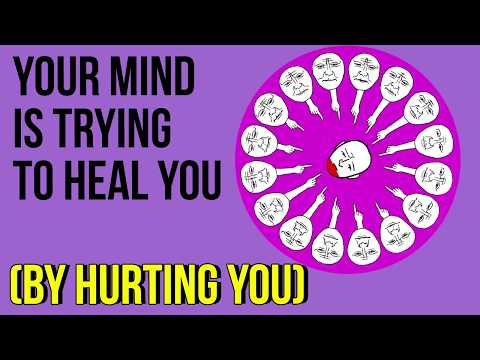
林宜悉 posted on 2025/09/25Ever wonder why you keep repeating the same mistakes? This video dives into the fascinating concept of 'repetition compulsion' and how childhood patterns might be steering you towards self-sabotage. You'll boost your advanced vocabulary and gain insights into emotional memory and healing!
Learn this video on the APP!
The VoiceTube App has more in-depth practice for videos!