
agent
US /ˈedʒənt/
UK /'eɪdʒənt/
- Noun
- Chemical with the power to make chemical reactions
- Person who represents or decides for others
A2TOEICMoreanymore
US /ˌɛniˈmɔr, -ˈmor/
UK /'enɪmɔ:/
- Adverb
- No longer; no more
A2Morecapture
US /ˈkæptʃɚ/
UK /'kæptʃə(r)/
- Transitive Verb
- To attract and hold e.g. interest, attention
- To record, tape, or film something
- Noun
- The act of seizing or taking control of something.
B1Morecharacter
US /ˈkærəktɚ/
UK /'kærəktə(r)/
- Noun
- Person in a story, movie or play
- Writing symbols, e.g. alphabet or Chinese writing
A2Morechew
US /tʃu:/
UK /tʃu:/
- Verb (Transitive/Intransitive)
- To bite something many times without swallowing it
- Noun
- Act of biting something many times
B1Morecute
US /kjut/
UK /kju:t/
- Adjective
- Attractive in a pretty or endearing way
B2Moredude
US /dud, djud/
UK /du:d/
- Noun
- Form of address for a man
- (informal) A man; a fellow.
- Interjection
- (informal) Used as a term of address, often between men.
B2Moredumb
US /dʌm/
UK /dʌm/
- Adjective
- Senseless; stupid
B1Moreget out of
US /ɡɛt aʊt ʌv/
UK /ɡet aut ɔv/
- Phrasal Verb
- To leave or escape responsibilities, troubles
- To leave a small, enclosed vehicle
A1Morehamster
US /ˈhæmstɚ/
UK /ˈhæmstə(r)/
- Countable Noun
- Small animal with small tail, and large cheeks
B2Morehuge
US /hjudʒ/
UK /hju:dʒ/
- Adjective
- Very very large
A2Morein the middle of
US
UK
- Phrase
- In the central part or point of something.
- Engaged or occupied with something.
A2Morejoint
US /dʒɔɪnt/
UK /dʒɔɪnt/
- Noun (Countable/Uncountable)
- Body parts where bones meet and can move together
- Point at which two things meet (e.g. a road)
- Adjective
- Shared; involving working together; in common
A2Morekoala
US /koʊˈɑ:lə/
UK /kəʊˈɑ:lə/
- Noun
- Small tree-living Australian grey animal
C2Morelettuce
US /ˈlɛtəs/
UK /ˈletɪs/
- Uncountable Noun
- Salad vegetable that has large thin green leaves
A2Moreout of the way
US /aʊt ʌv ði we/
UK /aut ɔv ðə wei/
- Adjective
- Remote; isolated.
- No longer obstructing or hindering.
- Phrase
- Not obstructing or impeding progress; in a position where one does not cause an obstruction.
- Completed; finished; no longer needing attention.
B1Morerid
US /rɪd/
UK /rɪd/
- Transitive Verb
- To cause to no longer have (pest, problem)
- Adjective
- Freed or delivered from something.
A2Morescene
US /sin/
UK /si:n/
- Noun
- Incident where someone behaves angrily, badly
- View that looks like a picture
A2TOEICMoreshoot
US /ʃut/
UK /ʃu:t/
- Verb (Transitive/Intransitive)
- To kick or throw a ball at a goal
- To fire a gun; injure or kill someone with a gun
- Countable Noun
- Emerging new part of a plant
A2Moreshot
US /ʃɑt/
UK /ʃɒt/
- Transitive Verb
- To kick or throw a ball at a goal
- To fire a gun; injure or kill someone with a gun
- Countable Noun
- An attempt to kick or throw a ball at a goal
A2Morestuff
US /stʌf/
UK /stʌf/
- Uncountable Noun
- Generic description for things, materials, objects
- Transitive Verb
- To push material inside something, with force
B1Moretogether with
US /təˈɡɛðɚ wɪð/
UK /təˈɡeðə wið/
- Preposition
- In addition to; along with.
- Including; as well as.
A1Morevideo
US /ˈvɪdiˌo/
UK /'vɪdɪəʊ/
- Noun (Countable/Uncountable)
- Recording capturing action with sound
- A recording of moving visual images made digitally or on videotape.
- Transitive Verb
- To make a moving film of, with sound
- To make a video call.
A2Morewake up
US /wek ʌp/
UK /weik ʌp/
- Phrasal Verb
- To stop sleeping
- To become fully aware and alert to a situation.
A1Morewild
US /waɪld/
UK /waɪld/
- Adverb
- In a manner which lacks control
- Adjective
- Living in nature; not tame
- (Of land) not developed by people
A2Morewrap
US /ræp/
UK /ræp/
- Countable Noun
- Piece of clothing worn loosely on the shoulders
- Thin bread filled with food and rolled
- Transitive Verb
- To be or move around something
- To cover something with paper or a cloth e.g. gift
B1Moreyah
US
UK
- Interjection
- Another way of saying 'yes'
B2More
Vocabulary
- get out of: To leave or escape responsibilities, troubles
- out of the way: Remote; isolated.
- together with: In addition to; along with.
- in the middle of: In the central part or point of something.
- wake up: To stop sleeping
- stuff: Generic description for things, materials, objects
- sort: To organize things by putting them into groups
- character: Person in a story, movie or play
- scene: Incident where someone behaves angrily, badly
- wrap: Piece of clothing worn loosely on the shoulders
- rid: To cause to no longer have (pest, problem)
- dumb: Senseless; stupid
- dude: Form of address for a man
- huge: Very very large
- capture: To attract and hold e.g. interest, attention
- guess: To give an answer without knowing if it is correct
- agent: Chemical with the power to make chemical reactions
- wild: In a manner which lacks control
- chew: To bite something many times without swallowing it
- joint: Body parts where bones meet and can move together
- piece: A counter in a board game
- middle: Place that is halfway between two things
- great: Very good; better than before
- lettuce: Salad vegetable that has large thin green leaves
- shot: To kick or throw a ball at a goal
- hard: Difficult to do; difficult to understand
- shoot: To kick or throw a ball at a goal
- hamster: Small animal with small tail, and large cheeks
- guy: Man; boy; any person
- happen: To take place or occur
- stay: To keep trying without giving up
- dead: Not alive
- care: To feel interest, concern, or worry
- anymore: No longer; no more
- video: Recording capturing action with sound
- man: Humans in general, including male and female
- wake: To cause to become more energetic or attentive
- true: Agreeing with the facts; not false; real or actual
- cut: Act/instance of reducing the size or amount of
- cute: Attractive in a pretty or endearing way
- koala: Small tree-living Australian grey animal
- yah: Another way of saying 'yes'
Get the full experience in the app
Learn anywhere with detailed sentence and usage analysis
01:03
She took a brave step forward, leaving behind her comfort zone to chase her dreams.
Vocabulary
- brave
adj. Having courage
- comfort zone
phr. A familiar situation where one feels safe
Explanation
a brave step is a noun phrase, where brave is an adjective modifying the noun step, meaning "a courageous step".
forward is an adverb modifying step, meaning "ahead".
The whole phrase serves as the object, answering the "what" of took (verb) — she took a brave step forward.
Get the full experience in the app
Look up words anytime with pronunciation, part of speech, and usage
brave
US/brev/
UK/breɪv/
adj.Brave
v.t.To bravely face
A2 Elementary
Get the full experience in the app
Practice speaking anytime and get instant pronunciation feedback
Try this speaking exercise.
Try practicing with this sentence.
80
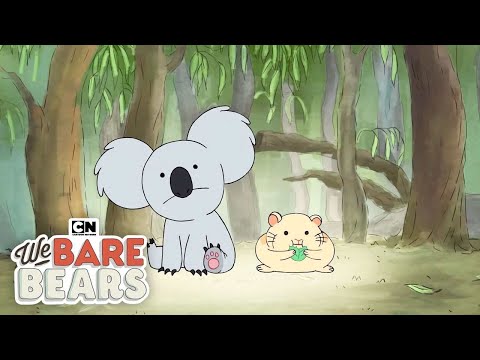
Minisode - Nom Nom vs. Hamster | We Bare Bears | Cartoon Network
0
Minjane posted on 2025/09/23Get ready for some adorable chaos as a cute koala and a tiny hamster have a hilarious 'pet skit' showdown! You'll love the improvised comedy and bloopers in this multi-species collab, and it's a fantastic way to practice situational dialogue and simple sentence structures you'd hear on set.
Learn this video on the APP!
The VoiceTube App has more in-depth practice for videos!