
accumulate
US /əˈkjumjəˌlet/
UK /əˈkju:mjəleɪt/
- Verb (Transitive/Intransitive)
- To gather or acquire so that you have more of it
C2Moreafford
US /əˈfɔrd, əˈford/
UK /ə'fɔ:d/
- Transitive Verb
- To make available, to provide
- To have enough money to pay for something
A2TOEICMoreartificial
US /ˌɑrtəˈfɪʃəl/
UK /ˌɑ:tɪ'fɪʃl/
- Adjective
- Dishonest, to seem fake, not sincere
- (Something) made by people; not created by nature
B1TOEICMoreat the end of the day
US
UK
- Phrase
- Ultimately; when everything else is considered.
- After a day's work or activities.
A1Moreavoid
US /əˈvɔɪd/
UK /ə'vɔɪd/
- Transitive Verb
- To prevent from happening
- To stay away from
A2TOEICMorebankruptcy
US /ˈbæŋkrʌptsi/
UK /ˈbæŋkrʌptsi/
- Uncountable Noun
- State of having no money and unable to pay debts
- The legal process by which a person or organization is declared unable to pay their debts.
B2TOEICMorebased on
US
UK
- Phrasal Verb
- To use something as the foundation or starting point for something else.
- Preposition
- Using something as the main idea or foundation.
- Relying on something as evidence or justification.
A1Morebudget
US /ˈbʌdʒɪt/
UK /'bʌdʒɪt/
- Noun (Countable/Uncountable)
- Amount of money planned to be spent
- Verb (Transitive/Intransitive)
- To make a plan for how to spend your money
A2TOEICMorecheck out
US /tʃɛk aʊt/
UK /tʃek aut/
- Phrase
- Phrasal Verb
- To find out information about something
- To take books out of a library
A1Morecollapse
US /kəˈlæps/
UK /kə'læps/
- Verb (Transitive/Intransitive)
- To fold (e.g. a stroller) down to make it smaller
- To suddenly fall down or break apart into pieces
- Noun
- The sudden failure of a structure or system.
- The sudden failure of a bodily organ or function.
B1Morecurrency
US /ˈkɚrənsi, ˈkʌr-/
UK /'kʌrənsɪ/
- Uncountable Noun
- Widespread acceptance
- Money system that a country uses
B1Morecurrent
US /ˈkɚrənt, ˈkʌr-/
UK /'kʌrənt/
- Uncountable Noun
- Electricity flowing through wires
- Movement of water in a river, or air in the sky
- Adjective
- Happening or being in the present time
- In general use or accepted by most people.
A2Moredebt
US /dɛt/
UK /det/
- Noun (Countable/Uncountable)
- Sum of money owed to someone that is not yet paid
- A moral or social obligation.
A2TOEICMoredefault
US /dɪˈfɔlt/
UK /dɪ'fɔ:lt/
- Noun (Countable/Uncountable)
- Automatic setting when no indicated preference
- Failure to meet an agreement or make a payment
- Verb (Transitive/Intransitive)
- To fail to meet as agreed; failure to pay
- To return to a previously determined state
B2TOEICMoredeficit
US /ˈdɛfɪsɪt/
UK /ˈdefɪsɪt/
- Noun (Countable/Uncountable)
- Amount less than what is needed or required
- The amount by which expenditure or liabilities exceed income or assets.
B1Moredemand
US /dɪˈmænd/
UK /dɪ'mɑ:nd/
- Noun (Countable/Uncountable)
- Desire customers have to buy product, service
- A strong request for someone to do something
- Transitive Verb
- To strongly request someone to do something
- To need something.
A2TOEICMoredown with
US /daʊn wɪð/
UK /daun wið/
- Adjective
- Suffering from an illness.
- Agreeable to; in favor of.
- Interjection
- An expression of opposition to something.
A1Moredrag down
US
UK
- Phrasal Verb
- To cause something to fall to a lower level or standard.
- To make someone feel unhappy or depressed.
B1Moredrastically
US /ˈdræstɪkl:ɪ/
UK /'drɑ:stɪklɪ/
- Adverb
- In a sudden, extreme or severe manner
B2TOEICMoreentire
US /ɛnˈtaɪr/
UK /ɪn'taɪə(r)/
- Adjective
- Complete or full; with no part left out; whole
- Undivided; not shared or distributed.
A2TOEICMoreera
US /'ɪrə/
UK /'ɪərə/
- Noun
- Period characterized by particular events, people
- A major division of geological time, usually divided into periods.
B1Moreexact
US /ɪɡˈzækt/
UK /ɪɡ'zækt/
- Adjective
- Completely correct; accurate; specific
- Transitive Verb
- To get something, sometimes using force
A2TOEICMoreextremely
US /ɪk'strimlɪ/
UK /ɪkˈstri:mli/
- Adverb
- In a way that is much more than usual or expected
- Remarkably; unusually.
B1Morefall behind
US /fɔl bɪˈhaɪnd/
UK /fɔ:l biˈhaind/
- Phrasal Verb
- To get behind or late, because of going slowly
- To do worse than someone else, e.g. in rank
A1Morefraction
US /ˈfrækʃən/
UK /ˈfrækʃn/
- Noun (Countable/Uncountable)
- Small part of something
- A numerical quantity that is not a whole number (e.g., 1/2, 0.5).
B1TOEICMorehave to
US /hæv tu/
UK /ˈhæv tə/
- Auxiliary Verb
- Must do
A1Morein fact
US /ɪn fækt/
UK /in fækt/
- Adverb
- Used to emphasize the truth of a statement, especially one that contrasts with or contradicts something else.
- Used to introduce a more detailed or surprising piece of information.
- Phrase
- Used to emphasize the truth of a statement, especially one that is surprising or contrary to what might be expected.
C1Morein relation to
US /ɪn rɪˈleʃən tu/
UK /in riˈleiʃən tu:/
- Phrase
- Concerning; with reference to; regarding.
- Compared with.
B1Morein the open
US /ɪn ði ˈopən/
UK /in ðə ˈəupən/
- Phrase
- Publicly; not secret.
- Outdoors; not inside a building or covered space.
A1Morein the world
US /ɪn ði wɜrld/
UK /in ðə wɜː(r)ld/
- Phrase
- Used to emphasize a question expressing surprise, confusion, disbelief
- Used to indicate the extent or degree of something, often in a superlative sense
A1Moreintervene
US /ˌɪntərˈvi:n/
UK /ˌɪntəˈvi:n/
- Intransitive Verb
- To get involved to try to prevent trouble
- To interrupt a situation, argument, etc.
B1Moreissue
US /ˈɪʃu/
UK /'ɪʃu:/
- Transitive Verb
- To make something available to be used or sold
- To deliver a statement, etc. in an official manner
- Noun (Countable/Uncountable)
- Important topic discussed, debated or argued over
- Single edition of a magazine
A2TOEICMorekind of easy
US
UK
- Phrase
- Somewhat easy; relatively easy.
- Slightly easy; not very difficult.
A1Moreliterally
US /ˈlɪtərəli/
UK
- Adverb
- In a literal manner or sense; exactly as stated.
- Used for emphasis to describe something that is actually true, often to highlight surprise or intensity.
B1Moreloan
US /lon/
UK /ləʊn/
- Transitive Verb
- To give money, etc. that must be paid back
- Noun (Countable/Uncountable)
- Act of allowing someone to borrow something
A2TOEICMorelook at
US /lʊk æt/
UK /luk æt/
- Phrasal Verb
- To use your eyes to focus on something
- To focus your eyes on something carefully
A1Morenegative
US /ˈnɛɡətɪv/
UK /'neɡətɪv/
- Noun
- The opposite to a positive electrical charge
- In grammar, containing words such as 'no' or 'not'
- Adjective
- Being harmful, unwanted or unhelpful
- In mathematics, being less than zero
A2Moreon time
US /ɑn taɪm/
UK /ɔn taim/
- Phrase
- Adjective
- Arriving at or done by the required time
- Meeting a deadline; punctual in fulfilling obligations.
A1Moreoption
US /ˈɑpʃən/
UK /'ɒpʃn/
- Noun (Countable/Uncountable)
- A choice
- A right to buy or sell something at a particular price within a particular period.
A2TOEICMoreout of it
US /aʊt ʌv ɪt/
UK /aut ɔv it/
- Adjective
- Unconscious or not completely alert; dazed or confused.
- Not able to think clearly or react quickly; not with it.
A1Morepaid off
US
UK
- Phrasal Verb
- To give money to get person to do something; bribe
- To give money to settle a debt
- Transitive Verb
- To have bribed someone.
- To have paid a debt in full.
A1Morepay off
US /pe ɔf/
UK /pei ɔf/
- Phrasal Verb
- To give money to get person to do something; bribe
- To give money to settle a debt
- Transitive Verb
- To bribe someone.
- To pay a debt in full.
A1Morepaying off
US
UK
- Phrasal Verb
- To give money to get person to do something; bribe
- To give money to settle a debt
- Verb (Transitive/Intransitive)
- To bribe someone.
- To result in success; to be worthwhile.
A1Morepersistent
US /pərˈsɪstənt/
UK /pəˈsɪstənt/
- Adjective
- Continuing to do something despite challenges
- Continuing to exist or occur for a long time.
C1TOEICMorequarter
US /ˈkwɔrtɚ/
UK /'kwɔ:tə(r)/
- Countable Noun
- 25 cents
- 3-month period of time for businesses, etc.
- Transitive Verb
- To split something into four equal parts
- To give a soldier a place to live for a short time
A2TOEICMoreratio
US /ˈreɪʃioʊ/
UK /ˈreɪʃiəʊ/
- Noun (Countable/Uncountable)
- The relationship in relative size, etc.
- The quantitative relation between two amounts showing the number of times one value contains or is contained within the other.
C2Morerecession
US /rɪˈsɛʃən/
UK /rɪˈseʃn/
- Uncountable Noun
- Act of moving backward gradually
- Decreased business activity, when work is scarce
- Noun
- a period of low economic activity
- period of economic decline
B2TOEICMorerefinance
US /ˌri:'faɪnæns/
UK /ˌri:ˈfaɪnæns/
- Transitive Verb
- To finance something for the second time
C2Moresee in
US /si ɪn/
UK /si: in/
- Phrasal Verb
- To accompany someone to the entrance of a building or room.
A1Morespend
US /spɛnd/
UK /spend/
- Transitive Verb
- To use money to pay for something
- To use time in order to do something
A2TOEICMoresuch as
US /sʌtʃ æz/
UK /sʌtʃ æz/
- Preposition
- For example; like
A1Moretremendously
US /trɪˈmɛndəslɪ/
UK /trə'mendəslɪ/
- Adverb
- Very well or very impressively
B1Moreunemployment
US /ˌʌnɛmˈplɔɪmənt,-ɪm-/
UK /ˌʌnɪmˈplɔɪmənt/
- Uncountable Noun
- Number of people without jobs in a country
- State of not having a job
B1Moreunion
US /ˈjunjən/
UK /'ju:nɪən/
- Noun (Countable/Uncountable)
- Act of joining two or more things into one
- Marriage
- Proper Noun
- The United States of America, especially during the Civil War.
A2TOEICMorewith it
US /wɪð ɪt/
UK /wið it/
- Adjective
- Intelligent, alert, and up-to-date.
- Understanding and knowledgeable about current trends or information.
A1More
Vocabulary
- have to: Must do
- at the end of the day: Ultimately; when everything else is considered.
- on time
- based on: To use something as the foundation or starting point for something else.
- paid off: To give money to get person to do something; bribe
- paying off: To give money to get person to do something; bribe
- fall behind: To get behind or late, because of going slowly
- in the world: Used to emphasize a question expressing surprise, confusion, disbelief
- pay off: To give money to get person to do something; bribe
- down with: Suffering from an illness.
- with it: Intelligent, alert, and up-to-date.
- drag down: To cause something to fall to a lower level or standard.
- in relation to: Concerning; with reference to; regarding.
- look at: To use your eyes to focus on something
- such as: For example; like
- in the open: Publicly; not secret.
- see in: To accompany someone to the entrance of a building or room.
- in fact: Used to emphasize the truth of a statement, especially one that contrasts with or contradicts something else.
- kind of easy: Somewhat easy; relatively easy.
- out of it: Unconscious or not completely alert; dazed or confused.
- check out
- literally: In a literal manner or sense; exactly as stated.
- entire: Complete or full; with no part left out; whole
- extremely: In a way that is much more than usual or expected
- situation: Place, position or area that something is in
- negative: The opposite to a positive electrical charge
- artificial: Dishonest, to seem fake, not sincere
- develop: To explain something in steps and in detail
- exact: Completely correct; accurate; specific
- position: Person's opinion or attitude about something
- current: Electricity flowing through wires
- demand: Desire customers have to buy product, service
- default: Automatic setting when no indicated preference
- imagine: To think creatively about; form mental picture of
- drastically: In a sudden, extreme or severe manner
- increase: To make or become larger in size or amount
- debt: Sum of money owed to someone that is not yet paid
- recession: Act of moving backward gradually
- avoid: To prevent from happening
- currency: Widespread acceptance
- collapse: To fold (e.g. a stroller) down to make it smaller
- afford: To make available, to provide
- fraction: Small part of something
- issue: To make something available to be used or sold
- accumulate: To gather or acquire so that you have more of it
- persistent: Continuing to do something despite challenges
- compare: To consider how similar and different things are
- deficit: Amount less than what is needed or required
- create: To make, cause, or bring into existence
- budget: Amount of money planned to be spent
- option: A choice
- interest: Best or most advantageous thing for someone
- rate: To assess something or consider its qualities
- economy: Using money, resources in a careful, effective way
- era: Period characterized by particular events, people
- fall: Season after summer and before winter; Autumn
- normal: Standard or regular way of doing something
- ratio: The relationship in relative size, etc.
- quarter: 25 cents
- lot: What happens to a person in life from chance; fate
- single: One run in cricket or a hit baseball
- kind: In a caring and helpful manner
- loan: To give money, etc. that must be paid back
- spend: To use money to pay for something
- union: Act of joining two or more things into one
- intervene: To get involved to try to prevent trouble
- tremendously: Very well or very impressively
- unemployment: Number of people without jobs in a country
- bankruptcy: State of having no money and unable to pay debts
- refinance: To finance something for the second time
Get the full experience in the app
Learn anywhere with detailed sentence and usage analysis
01:03
She took a brave step forward, leaving behind her comfort zone to chase her dreams.
Vocabulary
- brave
adj. Having courage
- comfort zone
phr. A familiar situation where one feels safe
Explanation
a brave step is a noun phrase, where brave is an adjective modifying the noun step, meaning "a courageous step".
forward is an adverb modifying step, meaning "ahead".
The whole phrase serves as the object, answering the "what" of took (verb) — she took a brave step forward.
Get the full experience in the app
Look up words anytime with pronunciation, part of speech, and usage
brave
US/brev/
UK/breɪv/
adj.Brave
v.t.To bravely face
A2 Elementary
Get the full experience in the app
Practice speaking anytime and get instant pronunciation feedback
Try this speaking exercise.
Try practicing with this sentence.
80
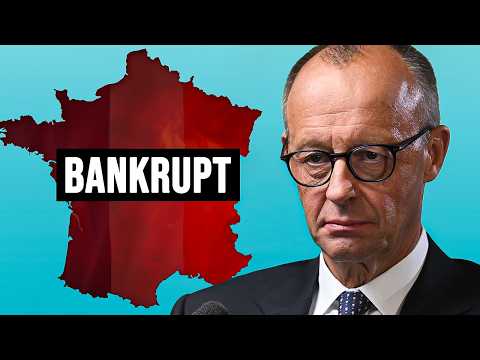
France’s Economy is Collapsing - Will Germany save France? (again)
0
林宜悉 posted on 2025/09/18Ever wondered if France's economy is on the brink and if Germany will step in to help, like before? This video dives deep into the French debt crisis, exploring complex financial terms like 'sovereign debt' and 'interest rate shock' that will seriously boost your vocabulary. You'll gain fascinating insights into the Eurozone's economic challenges and learn advanced terms that will make your English sound super sophisticated!
Learn this video on the APP!
The VoiceTube App has more in-depth practice for videos!