
actual
US /ˈæktʃuəl/
UK /ˈæktʃuəl/
- Adjective
- Real or existing in fact, not imagined; real
- Current; existing at the present time.
A2TOEICMoreakin
US /əˈkɪn/
UK /əˈkɪn/
- Adjective
- Similar to; like; almost the same as
B2Morearc
US /ɑrk/
UK /ɑ:k/
- Noun
- Smoothly curving line or movement
- Intransitive Verb
- To bend in a smooth curve
B2Moreas for
US /æz fɔr/
UK /æz fɔ:/
- Preposition
- Concerning; regarding.
- Phrase
- Used to introduce a new topic or aspect of a subject.
A1Moreas well as
US /æz wɛl æz/
UK /æz wel æz/
- Adverb
- Also; in addition to
- Preposition
- In addition to; and also.
A1Moreathletic
US /æθˈlɛtɪk/
UK /æθˈletɪk/
- Adjective
- Fit and strong; physically capable
B1Morebased on
US
UK
- Phrasal Verb
- To use something as the foundation or starting point for something else.
- Preposition
- Using something as the main idea or foundation.
- Relying on something as evidence or justification.
A1Morebasically
US /ˈbesɪkəli,-kli/
UK /ˈbeɪsɪkli/
- Adverb
- Used before you explain something simply, clearly
- In essence; when you consider the most important aspects of something.
A2Morebear
US /bɛr/
UK /bɛː/
- Transitive Verb
- To accept (responsibilities or duties)
- To give birth to a child; to produce fruit
- Countable Noun
- Large brown animal with fur that lives in forests
- Someone who expects stock market to fall
A2Morebetter known as
US /ˈbɛtɚ non æz/
UK /ˈbetə nəʊn æz/
- Phrase
- More widely or commonly recognized by a particular name or description.
A1Morebone structure
US
UK
- Noun (Countable/Uncountable)
- The arrangement and composition of bones in a body.
- The shape and arrangement of the bones in the face.
B1Morebreathe in
US /brið ɪn/
UK /bri:ð in/
- Phrasal Verb
- To inhale; to take air into the lungs.
B1Morebuddhism
US /ˈbuˌdɪzəm, ˈbʊdˌɪz-/
UK /'bʊdɪzəm/
- Uncountable Noun
- Religion devoted to the teaching of Buddha
C2Morecancer
US /ˈkænsɚ/
UK /'kænsə(r)/
- Noun
- Any growth caused by abnormal cell division
B1Morecause
US /kɔz/
UK /kɔ:z/
- Noun
- Belief, goal or organization that people support
- Reason for
- Transitive Verb
- To make something happen; create effect or result
A2Morecome up with
US /kʌm ʌp wɪð/
UK /kʌm ʌp wið/
- Phrasal Verb
- To think of an idea or solution; produce
A1Morecondition
US /kənˈdɪʃən/
UK /kənˈdɪʃn/
- Transitive Verb
- To improve something to make it better
- To cause to behave automatically in a certain way
- Noun (Countable/Uncountable)
- Disease or other medical problem
- The state of living you are in, e.g. good health
A2Morecontrast
US /ˈkɑ:ntræst/
UK /'kɒntrɑ:st/
- Verb (Transitive/Intransitive)
- To compare; to show clear, obvious differences
- Noun (Countable/Uncountable)
- Comparison that shows obvious differences
- Difference in light and dark in photos, etc.
A2Moredemon
US /ˈdimən/
UK /'di:mən/
- Noun
- Cruel wicked and inhuman person or spirit
B1Moredepict
US /dɪˈpɪkt/
UK /dɪ'pɪkt/
- Transitive Verb
- To represent or describe something using words
- To represent or show something in a picture or painting; to portray visually.
B1TOEICMoredisease
US /dɪˈziz/
UK /dɪˈzi:z/
- Noun (Countable/Uncountable)
- Illness that affects a person, animal, or plant
- A disorder of structure or function in a plant, especially one caused by a pathogen.
- Transitive Verb
- To affect with disease; to corrupt or sicken.
A2TOEICMoreend in
US /ɛnd ɪn/
UK /end in/
- Phrasal Verb
- To have something as the final result.
essentially
US /ɪˈsenʃəli/
UK /ɪˈsenʃəli/
- Adverb
- Basically; (said when stating the basic facts)
- Used to emphasize the basic truth or fact of a situation.
A2Moreever since
US /ˈɛvɚ sɪns/
UK /ˈevə sins/
- Adverb
- Continuously from a past time until now.
- Conjunction
- From the time that; because.
B2Moreextreme
US /ɪkˈstrim/
UK /ɪk'stri:m/
- Adjective
- Very great in degree
- Farthest from a center
- Noun
- Effort that is thought more than is necessary
- The furthest point or limit of something.
B1Morefigure out
US /ˈfɪɡjɚ aʊt/
UK /ˈfiɡə aut/
- Phrasal Verb
- To understand the behavior of someone
- To think through logically to find a solution
- Verb (Transitive/Intransitive)
- To understand or find an answer to something.
- To find a solution to a problem or understand something.
A1Morefleshy
US /ˈflɛʃi/
UK /ˈfleʃi/
- Adjective
- Rather fat
C1Moreforehead
US /ˈfɔ:rhed/
UK /ˈfɔ:hed/
- Noun
- Area of the face above the eyes
B1Moregenetic
US /dʒəˈnɛtɪk/
UK /dʒəˈnetɪk/
- Adjective
- Of, relating to, or controlled by genes
- Relating to genes or heredity.
B1Moregiant
US /ˈdʒaɪənt/
UK /'dʒaɪənt/
- Countable Noun
- Tall, large, and powerful human-like creatures
- Very successful, powerful person or organization
- Adjective
- Very large, or much bigger than other things
A2Morehave to
US /hæv tu/
UK /ˈhæv tə/
- Auxiliary Verb
- Must do
A1Morehorn
US /hɔ:rn/
UK /hɔ:n/
- Noun (Countable/Uncountable)
- Device that makes a loud warning noise
- (Animals) hard pointed structure growing on heads
B1Morein particular
US /ɪn pɚˈtɪkjəlɚ/
UK /in pəˈtikjulə/
- Phrase
- Specifically; especially.
- Detailed or precise.
A1Morein the middle of
US
UK
- Phrase
- In the central part or point of something.
- Engaged or occupied with something.
A2Moreinflammation
US /ˌɪnfləˈmeʃən/
UK /ˌɪnfləˈmeɪʃn/
- Noun (Countable/Uncountable)
- Painful swelling in the body due to illness
- A condition in which a part of the body becomes reddened, swollen, hot, and often painful, especially as a reaction to injury or infection.
B2Moreinside of
US /ɪnˈsaɪd ʌv/
UK /inˈsaid ɔv/
- Preposition
- Within; in the inner part of.
- Within a certain period of time.
A1Morekill off
US /kɪl ɔf/
UK /kil ɔf/
- Phrasal Verb
- To eliminate or destroy completely; to cause to die.
lead to
US /lid tu/
UK /li:d tu:/
- Phrasal Verb
- To result in some action
- Verb (Transitive/Intransitive)
- To have something as a consequence or result.
A1Moreleprosy
US /ˈlɛprəsi/
UK /ˈleprəsi/
- Uncountable Noun
- Disfiguring infectious skin disease
C1Morelook at
US /lʊk æt/
UK /luk æt/
- Phrasal Verb
- To use your eyes to focus on something
- To focus your eyes on something carefully
A1Moremedication
US /ˌmɛdɪˈkeʃən/
UK /ˌmedɪˈkeɪʃn/
- Noun (Countable/Uncountable)
- Substance to relieve pain or cure sickness
B2Moremiss out
US /mɪs aʊt/
UK /mis aut/
- Phrasal Verb
- To exclude; not include in something
- To fail to take advantage of something; to lose an opportunity.
A1Morename for
US
UK
- Phrasal Verb
- To give someone or something a particular name, often in honor of someone else.
A1Moreof all time
US /ʌv ɔl taɪm/
UK /ɔv ɔ:l taim/
- Adjective
- The best or most significant in history.
- Phrase
- Ever; in all of history.
A1Moreof course
US /ʌv kɔː(r)s/
UK /ɔv kɔː(r)s/
- Adverb
- Sure ; Certainly
- Phrase
- For sure; certainly
A2Moreon the streets
US /ɑn ðə strits/
UK /ɒn ðə stri:ts/
- other
- Without a home; homeless or exposed outdoors.
B2Moreparasitic
US /ˌpærəˈsɪtɪk/
UK /ˌpærəˈsɪtɪk/
- Adjective
- Living on larger plant/animal and dependent on it
- Exploiting or preying on others; living off another's resources.
B2Morepersonality
US /ˌpɚsəˈnælɪti/
UK /ˌpɜ:səˈnæləti/
- Noun (Countable/Uncountable)
- Way someone is or reacts to life or other people
- Person who is famous; celebrity
A2Moreplague
US /pleɡ/
UK /pleɪɡ/
- Transitive Verb
- To cause to have continual problems with something
- Noun (Countable/Uncountable)
- (Deadly) disease passing rapidly between people
- An unusually large number of insects or animals infesting a place and causing damage.
B1Moreplum
US /plʌm/
UK /plʌm/
- Countable Noun
- Type of juicy red or yellow fruit with a stone
B2Morerank
US /ræŋk/
UK /ræŋk/
- Transitive Verb
- To rate or class things
- To assign a level or status, as of importance, to
- Noun
- Group of people with a certain level of status
- Level or position, as in society/sport competition
B1TOEICMorereference
US /ˈrɛfərəns, ˈrɛfrəns/
UK /'refrəns/
- Noun
- A letter of recommendation, e.g. for a job
- Note in a book, etc. giving source of information
- Transitive Verb
- To cite a piece of research in speech or writing
- Mention or refer to.
A2TOEICMorerepresent
US /ˌrɛprɪˈzɛnt/
UK /ˌreprɪ'zent/
- Transitive Verb
- To depict art objects, figures, scenes; to portray
- To show or describe something in a particular way
A2TOEICMoreresemble
US /rɪˈzɛmbəl/
UK /rɪˈzembl/
- Verb (Transitive/Intransitive)
- To be similar to in looks or manner
B1TOEICMorerun through
US
UK
- Phrasal Verb
- To pierce with a sharp pointed object
- To practice or rehearse quickly, e.g. for a play
A1Moreseparate
US /'sepəreɪt/
UK /'sepəreɪt/
- Adjective
- Being different from or unrelated to another
- Not connected; different.
- Transitive Verb
- To divide two things by being in between them
- To move things away from each other
A2TOEICMoreslayer
US /'sleɪə/
UK /'sleɪə/
- Countable Noun
- A killer or murderer
B2Moresplit
US /splɪt/
UK /splɪt/
- Adjective
- No longer married or in a relationship
- (Injured) by cutting it open, as in someone's lip
- Verb (Transitive/Intransitive)
- To become divided or broken along a straight line
- To cause a cut in (lip, etc.)
A2Morestark contrast
US
UK
- Noun
- A sharp, clear, and obvious difference between two things.
subconscious
US /sʌbˈkɑnʃəs/
UK /ˌsʌbˈkɒnʃəs/
- Adjective
- Occurring in the mind without direct thinking
B1Moresymptom
US /ˈsɪmtəm, ˈsɪmp-/
UK /'sɪmptəm/
- Noun
- Sign that suggests that there is a problem
B1Moretheory
US /ˈθiəri, ˈθɪri/
UK /ˈθiəri/
- Noun (Countable/Uncountable)
- Ideas or principles that explain facts or events
- An idea or belief about something
A2TOEICMoreto death
US /tu dɛθ/
UK /tu: deθ/
- Phrase
- Extremely; to a great degree
- Until death
B1Moretuberculosis
US /tu:ˌbɜ:rkjəˈloʊsɪs/
UK /tju:ˌbɜ:kjuˈləʊsɪs/
- Uncountable Noun
- Disease affecting especially the lungs
C2Moretumor
US /'tju:mə/
UK /'tju:mə/
- Noun (Countable/Uncountable)
- Abnormal growth of cells; cancer
- A swelling of a part of the body, generally without inflammation, caused by an abnormal growth of tissue, whether benign or malignant.
B1Moreupper
US /ˈʌpɚ/
UK /ˈʌpə(r)/
- Noun (Countable/Uncountable)
- Drug that improves mood or increases energy
- Something happy or encouraging
- Adjective
- Located above others of the same kind
- Being the northern part of a region
B1Morevaccine
US /vækˈsin,ˈvækˌsin/
UK /'væksi:n/
- Noun (Countable/Uncountable)
- Shot using weak disease cells to stop same disease
- A preparation of weakened or killed microorganisms, or of antigenic proteins derived from them, used to induce protective immunity in animals.
B2More
Vocabulary
- of course: Sure ; Certainly
- figure out: To understand the behavior of someone
- lead to: To result in some action
- to death: Extremely; to a great degree
- based on: To use something as the foundation or starting point for something else.
- run through: To pierce with a sharp pointed object
- miss out: To exclude; not include in something
- look at: To use your eyes to focus on something
- name for: To give someone or something a particular name, often in honor of someone else.
- inside of: Within; in the inner part of.
- end in: To have something as the final result.
- as well as: Also; in addition to
- kill off: To eliminate or destroy completely; to cause to die.
- breathe in: To inhale; to take air into the lungs.
- as for: Concerning; regarding.
- in the middle of: In the central part or point of something.
- stark contrast: A sharp, clear, and obvious difference between two things.
- better known as: More widely or commonly recognized by a particular name or description.
- of all time: The best or most significant in history.
- have to: Must do
- in particular: Specifically; especially.
- bone structure: The arrangement and composition of bones in a body.
- on the streets: Without a home; homeless or exposed outdoors.
- ever since: Continuously from a past time until now.
- come up with: To think of an idea or solution; produce
- essentially: Basically; (said when stating the basic facts)
- figure: To appear in a game, play or event
- basically: Used before you explain something simply, clearly
- extreme: Very great in degree
- common: Area in a city or town that is open to everyone
- sense: Certain mental feeling or emotion
- split: No longer married or in a relationship
- disease: Illness that affects a person, animal, or plant
- represent: To depict art objects, figures, scenes; to portray
- inflammation: Painful swelling in the body due to illness
- symptom: Sign that suggests that there is a problem
- separate: Being different from or unrelated to another
- bit: Device put in a horse's mouth to control it
- theory: Ideas or principles that explain facts or events
- personality: Way someone is or reacts to life or other people
- mean: Average of a set of numbers
- condition: To improve something to make it better
- similar: Nearly the same; alike
- reference: A letter of recommendation, e.g. for a job
- contrast: To compare; to show clear, obvious differences
- genetic: Of, relating to, or controlled by genes
- cause: Belief, goal or organization that people support
- form: Sports team or person's current winning record
- vaccine: Shot using weak disease cells to stop same disease
- plague: To cause to have continual problems with something
- giant: Tall, large, and powerful human-like creatures
- subconscious: Occurring in the mind without direct thinking
- pretty: Being attractive to the eye in a simple way
- introduce: To open an essay to set the scene
- actual: Real or existing in fact, not imagined; real
- depict: To represent or describe something using words
- resemble: To be similar to in looks or manner
- bear: To accept (responsibilities or duties)
- fact: Something that is known or proved to be true
- akin: Similar to; like; almost the same as
- athletic: Fit and strong; physically capable
- protect: To defend someone or something from harm or danger
- remember: To give someone a gift, e.g. birthday, wedding
- medication: Substance to relieve pain or cure sickness
- set: Prepared for something; ready
- person: Man, woman or child
- tumor: Abnormal growth of cells; cancer
- demon: Cruel wicked and inhuman person or spirit
- interesting: Taking your attention; making you want to know
- rank: To rate or class things
- tuberculosis: Disease affecting especially the lungs
- forehead: Area of the face above the eyes
- cancer: Any growth caused by abnormal cell division
- horn: Device that makes a loud warning noise
- parasitic: Living on larger plant/animal and dependent on it
- upper: Drug that improves mood or increases energy
- plum: Type of juicy red or yellow fruit with a stone
- arc: Smoothly curving line or movement
- fleshy: Rather fat
- leprosy: Disfiguring infectious skin disease
- buddhism: Religion devoted to the teaching of Buddha
- slayer: A killer or murderer
Get the full experience in the app
Learn anywhere with detailed sentence and usage analysis
01:03
She took a brave step forward, leaving behind her comfort zone to chase her dreams.
Vocabulary
- brave
adj. Having courage
- comfort zone
phr. A familiar situation where one feels safe
Explanation
a brave step is a noun phrase, where brave is an adjective modifying the noun step, meaning "a courageous step".
forward is an adverb modifying step, meaning "ahead".
The whole phrase serves as the object, answering the "what" of took (verb) — she took a brave step forward.
Get the full experience in the app
Look up words anytime with pronunciation, part of speech, and usage
brave
US/brev/
UK/breɪv/
adj.Brave
v.t.To bravely face
A2 Elementary
Get the full experience in the app
Practice speaking anytime and get instant pronunciation feedback
Try this speaking exercise.
Try practicing with this sentence.
80
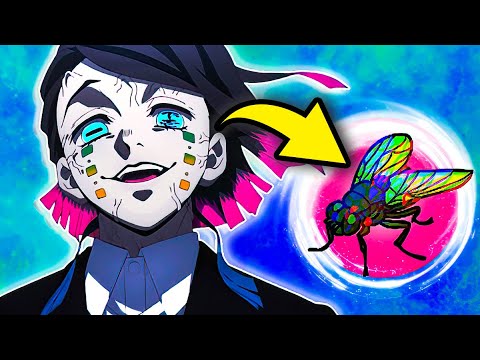
The 12 Kizuki Were Inspired By Real-Life Diseases! (Demon Slayer)
0
niko posted on 2025/09/30Ever wondered if the terrifying 12 Kizuki from Demon Slayer were inspired by real diseases? This video dives deep into fascinating fan theories, connecting characters like Muzan and Hantengu to specific medical conditions, and you'll pick up some advanced vocabulary along the way! It's a fantastic chance to explore the cultural depth behind your favorite anime.
Learn this video on the APP!
The VoiceTube App has more in-depth practice for videos!