
at the end of the day
US
UK
- Phrase
- Ultimately; when everything else is considered.
- After a day's work or activities.
A1Moreback then
US
UK
- Phrase
- At that time in the past.
A1Morebankrupt
US /ˈbæŋkˌrʌpt, -rəpt/
UK /ˈbæŋkrʌpt/
- Adjective
- Unable to pay debts
- Lacking in moral qualities; morally deficient.
- Transitive Verb
- To cause to not be able to pay debts
- To ruin or destroy something.
B2TOEICMorebill
US /bɪl/
UK /bɪl/
- Noun
- Plan for a new law being discussed by a government
- Sign or poster advertising something
- Transitive Verb
- To request payment by handing over an invoice
A2TOEICMoreboom
US /bum/
UK /bu:m/
- Noun (Countable/Uncountable)
- Very fast increase in growth or popularity
- A very loud and deep sound
- Intransitive Verb
- To experience a rapid increase in growth
- To make a very loud and deep sound
B1Morebring down
US /brɪŋ daʊn/
UK /briŋ daun/
- Phrasal Verb
- To destroy (government, etc.) forcefully
- To kill someone, often with a gun
A1Morebudget
US /ˈbʌdʒɪt/
UK /'bʌdʒɪt/
- Noun (Countable/Uncountable)
- Amount of money planned to be spent
- Verb (Transitive/Intransitive)
- To make a plan for how to spend your money
A2TOEICMorecause
US /kɔz/
UK /kɔ:z/
- Noun
- Belief, goal or organization that people support
- Reason for
- Transitive Verb
- To make something happen; create effect or result
A2Morecheck out
US /tʃɛk aʊt/
UK /tʃek aut/
- Phrase
- Phrasal Verb
- To find out information about something
- To take books out of a library
A1Morecome up with
US /kʌm ʌp wɪð/
UK /kʌm ʌp wið/
- Phrasal Verb
- To think of an idea or solution; produce
A1Moredeficit
US /ˈdɛfɪsɪt/
UK /ˈdefɪsɪt/
- Noun (Countable/Uncountable)
- Amount less than what is needed or required
- The amount by which expenditure or liabilities exceed income or assets.
B1Moreeconomic
US /ˌɛkəˈnɑmɪk, ˌikə-/
UK /ˌi:kəˈnɒmɪk/
- Adjective
- Concerning trade, industry, and money
- Financially worthwhile; profitable.
- Noun
- A system relating to economics
- A factor relating to economics
A2Moreentire
US /ɛnˈtaɪr/
UK /ɪn'taɪə(r)/
- Adjective
- Complete or full; with no part left out; whole
- Undivided; not shared or distributed.
A2TOEICMoreexact
US /ɪɡˈzækt/
UK /ɪɡ'zækt/
- Adjective
- Completely correct; accurate; specific
- Transitive Verb
- To get something, sometimes using force
A2TOEICMoreextent
US /ɪkˈstɛnt/
UK /ɪkˈstent/
- Noun (Countable/Uncountable)
- Point, level or limit to which something reaches
- Range or space included in something
A2TOEICMoreextra
US /'ekstrə/
UK /'ekstrə/
- Adjective
- More than necessary; additional
- Of especially good quality or grade.
- Noun (Countable/Uncountable)
- Items more than you need; additional items
- Person who has a small part in a movie
A2Morefor example
US
UK
- Phrase
- As an illustration or instance.
get out of
US /ɡɛt aʊt ʌv/
UK /ɡet aut ɔv/
- Phrasal Verb
- To leave or escape responsibilities, troubles
- To leave a small, enclosed vehicle
A1Moreglobe
US /gloʊb/
UK /gləʊb/
- Noun (Countable/Uncountable)
- A round object, e.g. like the earth; sphere
B1TOEICMorego out
US /ɡo aʊt/
UK /ɡəu aut/
- Phrase
- To leave a building (e.g. a house)
- Phrasal Verb
- (Of a fire) to burn out; be extinguished
- Go out of fashion to stop being fashionable
A1Morehave to
US /hæv tu/
UK /ˈhæv tə/
- Auxiliary Verb
- Must do
A1Moreimpact
US /ˈɪmˌpækt/
UK /'ɪmpækt/
- Noun
- A striking effect or result to hit with force
- Act or force of one thing hitting something else
- Verb (Transitive/Intransitive)
- To hit or strike someone or something with force
- To have a strong effect on someone or something.
A2TOEICMorein fact
US /ɪn fækt/
UK /in fækt/
- Adverb
- Used to emphasize the truth of a statement, especially one that contrasts with or contradicts something else.
- Used to introduce a more detailed or surprising piece of information.
- Phrase
- Used to emphasize the truth of a statement, especially one that is surprising or contrary to what might be expected.
C1Morein order to
US /ɪn ˈɔrdɚ tu/
UK /in ˈɔ:də tu:/
- Preposition
- For the purpose of; with the aim of.
- Phrase
- In a specific sequence or arrangement.
- With the aim of; for the purpose of.
C1Morein the first place
US
UK
- Phrase
- To begin with; as the first point or consideration.
- From the beginning; initially.
A1Moreinflation
US /ɪnˈfleʃən/
UK /ɪn'fleɪʃn/
- Noun (Countable/Uncountable)
- Act of filling something with air or gas
- Continual rise in the prices of products
B1TOEICMoreinstantly
US /ˈɪnstəntli/
UK /ˈɪnstəntli/
- Adverb
- In a manner without delay; immediately
A2Morelead to
US /lid tu/
UK /li:d tu:/
- Phrasal Verb
- To result in some action
- Verb (Transitive/Intransitive)
- To have something as a consequence or result.
A1Moreliterally
US /ˈlɪtərəli/
UK
- Adverb
- In a literal manner or sense; exactly as stated.
- Used for emphasis to describe something that is actually true, often to highlight surprise or intensity.
B1Morelook at
US /lʊk æt/
UK /luk æt/
- Phrasal Verb
- To use your eyes to focus on something
- To focus your eyes on something carefully
A1Moremassive
US /ˈmæsɪv/
UK /ˈmæsɪv/
- Adjective
- Very big; large; too big
- Large or imposing in scale or scope.
B1Moremuch about
US /mʌtʃ əˈbaʊt/
UK /mʌtʃ əˈbaut/
- Phrase
- A lot of information or knowledge concerning something.
- To a great extent or degree regarding something; caring.
A1Morenegative
US /ˈnɛɡətɪv/
UK /'neɡətɪv/
- Noun
- The opposite to a positive electrical charge
- In grammar, containing words such as 'no' or 'not'
- Adjective
- Being harmful, unwanted or unhelpful
- In mathematics, being less than zero
A2Moreof course
US /ʌv kɔː(r)s/
UK /ɔv kɔː(r)s/
- Adverb
- Sure ; Certainly
- Phrase
- For sure; certainly
A2Moreon the brink of
US /ɑːn ðiː brɪŋk ɑːv/
UK
- Phrase
- Very near to experiencing something, usually something unpleasant.
- About to happen; imminent.
A1Moreout of it
US /aʊt ʌv ɪt/
UK /aut ɔv it/
- Adjective
- Unconscious or not completely alert; dazed or confused.
- Not able to think clearly or react quickly; not with it.
A1Morepass down
US
UK
- Phrasal Verb
- To give something to someone younger than you in your family, often after you die.
- To teach or give something to people who will live after you.
A2Moreprofit
US /'prɑ:fɪt/
UK /'prɒfɪt/
- Noun (Countable/Uncountable)
- Benefit from doing something
- Money earned from sales, after costs are deducted
- Verb (Transitive/Intransitive)
- To be a benefit to someone
- To earn money from something
A2TOEICMorerecession
US /rɪˈsɛʃən/
UK /rɪˈseʃn/
- Uncountable Noun
- Act of moving backward gradually
- Decreased business activity, when work is scarce
- Noun
- a period of low economic activity
- period of economic decline
B2TOEICMorerevenue
US /ˈrevənju/
UK /'revənju:/
- Noun (Countable/Uncountable)
- Money that is made by or paid to a business
- Money a government collects from its people
A2TOEICMorespend
US /spɛnd/
UK /spend/
- Transitive Verb
- To use money to pay for something
- To use time in order to do something
A2TOEICMorestagflation
US
UK
- Noun (Countable/Uncountable)
- Period of slow economic growth while prices rise
C2Morestimulate
US /ˈstɪmjəˌlet/
UK /'stɪmjʊleɪt/
- Transitive Verb
- To arouse or excite emotionally
B1Morestock
US /stɑk/
UK /stɒk/
- Noun (Countable/Uncountable)
- Animals such as cattle kept for breeding
- Merchandise; goods kept by a business for sale
- Uncountable Noun
- Tasty liquid added to stews, soups etc.
B2TOEICMoresuch as
US /sʌtʃ æz/
UK /sʌtʃ æz/
- Preposition
- For example; like
A1Moretrend
US /trɛnd/
UK /trend/
- Noun (Countable/Uncountable)
- Current style or fashion
- General direction that is taken
- Intransitive Verb
- To be current and popular
- To move up or down
A2More
Vocabulary
- at the end of the day: Ultimately; when everything else is considered.
- have to: Must do
- in fact: Used to emphasize the truth of a statement, especially one that contrasts with or contradicts something else.
- look at: To use your eyes to focus on something
- of course: Sure ; Certainly
- for example: As an illustration or instance.
- back then: At that time in the past.
- much about: A lot of information or knowledge concerning something.
- on the brink of: Very near to experiencing something, usually something unpleasant.
- bring down: To destroy (government, etc.) forcefully
- in order to: For the purpose of; with the aim of.
- lead to: To result in some action
- pass down: To give something to someone younger than you in your family, often after you die.
- get out of: To leave or escape responsibilities, troubles
- such as: For example; like
- in the first place: To begin with; as the first point or consideration.
- come up with: To think of an idea or solution; produce
- go out: To leave a building (e.g. a house)
- out of it: Unconscious or not completely alert; dazed or confused.
- check out
- literally: In a literal manner or sense; exactly as stated.
- entire: Complete or full; with no part left out; whole
- massive: Very big; large; too big
- situation: Place, position or area that something is in
- impact: A striking effect or result to hit with force
- negative: The opposite to a positive electrical charge
- revenue: Money that is made by or paid to a business
- exact: Completely correct; accurate; specific
- extent: Point, level or limit to which something reaches
- increase: To make or become larger in size or amount
- recession: Act of moving backward gradually
- stimulate: To arouse or excite emotionally
- instantly: In a manner without delay; immediately
- inflation: Act of filling something with air or gas
- cause: Belief, goal or organization that people support
- stock: Animals such as cattle kept for breeding
- raise: To increase a bet above another when playing cards
- extra: More than necessary; additional
- deficit: Amount less than what is needed or required
- labor: To struggle to do something because it's difficult
- create: To make, cause, or bring into existence
- budget: Amount of money planned to be spent
- reason: To think and make conclusions in a logical manner
- rate: To assess something or consider its qualities
- lead: Wire for electricity, computer, etc.; cable
- economy: Using money, resources in a careful, effective way
- trend: Current style or fashion
- normal: Standard or regular way of doing something
- profit: Benefit from doing something
- bill: Plan for a new law being discussed by a government
- place: To put someone in a particular type of situation
- single: One run in cricket or a hit baseball
- kind: In a caring and helpful manner
- order: Religious or social group, as of nuns
- spend: To use money to pay for something
- continue: To do something without stopping, or after pausing
- economic: Concerning trade, industry, and money
- boom: Very fast increase in growth or popularity
- globe: A round object, e.g. like the earth; sphere
- bankrupt: Unable to pay debts
- stagflation: Period of slow economic growth while prices rise
Get the full experience in the app
Learn anywhere with detailed sentence and usage analysis
01:03
She took a brave step forward, leaving behind her comfort zone to chase her dreams.
Vocabulary
- brave
adj. Having courage
- comfort zone
phr. A familiar situation where one feels safe
Explanation
a brave step is a noun phrase, where brave is an adjective modifying the noun step, meaning "a courageous step".
forward is an adverb modifying step, meaning "ahead".
The whole phrase serves as the object, answering the "what" of took (verb) — she took a brave step forward.
Get the full experience in the app
Look up words anytime with pronunciation, part of speech, and usage
brave
US/brev/
UK/breɪv/
adj.Brave
v.t.To bravely face
A2 Elementary
Get the full experience in the app
Practice speaking anytime and get instant pronunciation feedback
Try this speaking exercise.
Try practicing with this sentence.
80
0
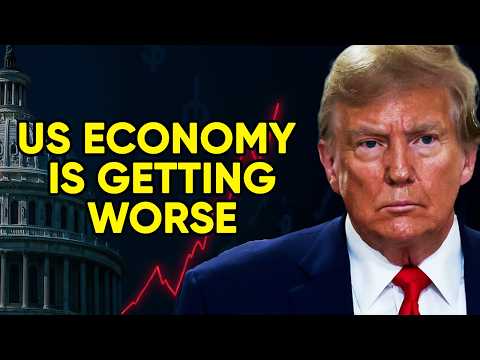
林宜悉 posted on 2025/09/14Ever wondered if the US economy is heading for trouble? This video dives deep into the potential for stagflation, explaining complex ideas like rising inflation and the US deficit with clear examples. You'll pick up advanced vocabulary and gain fascinating insights into economic policy that you can use in everyday conversations!
Learn this video on the APP!
The VoiceTube App has more in-depth practice for videos!