
acknowledge
US /ækˈnɑlɪdʒ/
UK /ək'nɒlɪdʒ/
- Transitive Verb
- To say you have received a letter, gift, etc.
- To say you accept the truth or value of something
A2Moreafter all
US /ˈæftɚ ɔl/
UK /ˈɑ:ftə ɔ:l/
- Adverb
- In spite of what was expected; used to introduce a statement that supports a previous statement or explains why it was made
- Considering everything; used to indicate that something is happening or is true despite some difficulty or obstacle
- Phrase
- Despite what was expected or thought; in spite of everything.
- Taking everything into consideration; considering that.
B1Moreautonomy
US /ɔˈtɑnəmi/
UK /ɔ:'tɒnəmɪ/
- Uncountable Noun
- The power to make independent decisions
B1Morebrace
US /bres/
UK /breɪs/
- Noun
- Structure that strengthens a joint
- Verb (Transitive/Intransitive)
- To prepare yourself for a struggle/difficult time
B2Morebury
US /ˈbɛri/
UK /'berɪ/
- Transitive Verb
- To put something into the ground and cover it
B1Morecapable
US /ˈkepəbəl/
UK /'keɪpəbl/
- Adjective
- Being able to do something very well; proficient
- Having the ability, fitness, or quality necessary to do or achieve a specified thing.
A2Morechallenge
US /ˈtʃæləndʒ/
UK /'tʃælɪndʒ/
- Noun (Countable/Uncountable)
- An activity you wish to try that may be hard to do
- Act of formally inviting someone to compete
- Transitive Verb
- To formally invite someone to compete at something
- To question the correctness of something
A2Morechildhood
US /ˈtʃaɪldˌhʊd/
UK /ˈtʃaɪldhʊd/
- Uncountable Noun
- The time when you are a child
B1Morecling to
US /klɪŋ tu/
UK /kliŋ tu:/
- Phrasal Verb
- To hold onto something tightly, often for support or safety.
- To adhere strongly to a belief, idea, or principle, even when it may be difficult or unpopular.
C2Morecloseness
US /ˈklosnɪs/
UK /'kləʊsnəs/
- Uncountable Noun
- A feeling of being intimate and belonging together
B1Morecomparison
US /kəmˈpærɪsən/
UK /kəmˈpærɪsn/
- Noun (Countable/Uncountable)
- Act of comparing things
- The quality or state of being similar or alike.
A2Moreconstant
US /ˈkɑnstənt/
UK /'kɒnstənt/
- Adjective
- Happening frequently or without pause
- Remaining the same over time or not changing.
- Noun
- Thing that happens always or at a regular rate
- A physical quantity that is believed to have a fixed value and is used in calculations.
A2TOEICMoreconstantly
US /ˈkɑnstəntlɪ/
UK /ˈkɒnstəntli/
- Adverb
- Frequently, or without pause
- In a way that is unchanging or faithful
B1Morecrave
US /krev/
UK /kreɪv/
- Verb (Transitive/Intransitive)
- To have a very strong desire for something
B2Morecriticize
US /ˈkrɪtɪˌsaɪz/
UK /ˈkrɪtɪsaɪz/
- Transitive Verb
- To assess the work of others
- To say that someone or something is bad
B1Moredefine
US /dɪˈfaɪn/
UK /dɪ'faɪn/
- Transitive Verb
- To explain the meaning of words
- To set or mark the limits of something
A2TOEICMoredepend
US /dɪˈpend/
UK /dɪˈpend/
- Verb (Transitive/Intransitive)
- Be controlled or determined by (someone/something)
- To rely on someone or something for support, help, or existence.
B1TOEICMoredepressive
US /dɪˈprɛsɪv/
UK /dɪˈpresɪv/
- Adjective
- Suffering a psychological lack of happiness
B2Moredeserve
US /dɪˈzɚv/
UK /dɪ'zɜ:v/
- Transitive Verb
- To be worthy of, e.g. getting praise or attention
A2TOEICMoredictate
US /ˈdɪkˌtet/
UK /dɪk'teɪt/
- Transitive Verb
- To speak while someone writes down your words
- To make a thing necessary
B1TOEICMoredisease
US /dɪˈziz/
UK /dɪˈzi:z/
- Noun (Countable/Uncountable)
- Illness that affects a person, animal, or plant
- A disorder of structure or function in a plant, especially one caused by a pathogen.
- Transitive Verb
- To affect with disease; to corrupt or sicken.
A2TOEICMoreemotional
US /ɪˈmoʃənəl/
UK /ɪˈməʊʃənl/
- Adjective
- Causing, feeling, or appealing to the emotions
- Relating to or characterized by emotion
A2Moreend in
US /ɛnd ɪn/
UK /end in/
- Phrasal Verb
- To have something as the final result.
familiar
US /fəˈmɪljɚ/
UK /fəˈmɪliə(r)/
- Adjective
- Well-known or easily recognized
- Having a good knowledge of something.
- Noun
- A close friend or associate.
- (In folklore) a spirit, often in animal form, believed to attend and serve a witch.
A2TOEICMorefamily dynamic
US
UK
- Noun
- The pattern of relationships and interactions between family members.
A1Morefeel like
US
UK
- Intransitive Verb
- To have a desire or inclination for something.
- To have a particular quality or sensation; resemble.
A1Moreflaw
US /flɔ/
UK /flɔ:/
- Noun (Countable/Uncountable)
- Quality that makes something imperfect
- A weakness or undesirable quality.
- Transitive Verb
- To impair, damage, or spoil.
B1TOEICMorefor fear of
US /fɔr fɪr ʌv/
UK /fɔ: fiə ɔv/
- Phrase
- Because of anxiety or apprehension that something undesirable might happen.
A1Moregrow up
US /ɡro ʌp/
UK /ɡrəu ʌp/
- Phrasal Verb
- To develop from a child into an adult
A1Morehave to
US /hæv tu/
UK /ˈhæv tə/
- Auxiliary Verb
- Must do
A1Moreheal
US /hi:l/
UK /hi:l/
- Verb (Transitive/Intransitive)
- To recover from or forget a bad experience
- To make or become healthy or well again
B1Moreheartbreak
US /ˈhɑ:rtbreɪk/
UK /ˈhɑ:tbreɪk/
- Uncountable Noun
- Great sorrow caused by e.g. death of loved one
- Overwhelming distress caused by the end of a romantic relationship or the loss of a loved one.
C1Moreimpair
US /ɪmˈpɛr/
UK /ɪm'peə(r)/
- Transitive Verb
- To damage or weaken something
B2TOEICMorein the past
US
UK
- Phrase
- During a former period of time; previously.
A1Morein the world
US /ɪn ði wɜrld/
UK /in ðə wɜː(r)ld/
- Phrase
- Used to emphasize a question expressing surprise, confusion, or disbelief.
- Used to indicate the extent or degree of something, often in a superlative sense.
A1Morein ways
US
UK
- Phrase
- In a manner or by methods that.
- In certain respects or aspects.
A1Moreinconsistent
US /ˌɪnkənˈsɪstənt/
UK /ˌɪnkənˈsɪstənt/
- Adjective
- Not tying together logically or with the facts
- Not staying the same in quality, behavior, or beliefs.
B1Moreinstead of
US /ɪnˈstɛd ʌv/
UK /inˈsted ɔv/
- Preposition
- When one thing is replaced by another
- Adverb
- As a substitute or alternative.
A1Morelead to
US /lid tu/
UK /li:d tu:/
- Phrasal Verb
- To result in some action
- Verb (Transitive/Intransitive)
- To have something as a consequence or result.
A1Morelonely
US /ˈloʊnli/
UK /ˈləʊnli/
- Adjective
- Sad because apart from other people
- Being far away and rarely visited by people
B2Moreno matter
US
UK
- Conjunction
- Regardless of; it does not matter.
- Adverb
- Regardless of; it is not important
A1Moreoutside of
US /aʊtˈsaɪd ʌv/
UK /ˌautˈsaid ɔv/
- Preposition
- Located or situated beyond the boundaries or confines of something.
- Beyond the scope, range, or limits of something.
A1Moreover time
US /ˈovɚ taɪm/
UK /ˈəuvə taim/
- Phrase
- Gradually; as time passes.
- During a long period.
- Adverb
- Gradually; as time passes.
B1Morepatience
US /ˈpeʃəns/
UK /ˈpeɪʃns/
- Uncountable Noun
- Ability to wait without being annoyed
- Perseverance; the ability to continue doing something despite difficulties.
B2TOEICMorepractice
US /ˈpræktɪs/
UK /'præktɪs/
- Noun
- The office and place for legal or medical work
- Doing something many times to become better at it
- Verb (Transitive/Intransitive)
- To work as a doctor or lawyer
- To live according to the teachings of a religion
A2TOEICMorepsychologist
US /saɪˈkɑlədʒɪst/
UK /saɪˈkɒlədʒɪst/
- Noun (Countable/Uncountable)
- An expert who studies the mind and behavior
- A therapist specializing in mental health.
C2Morepull away
US /pʊl əˈwe/
UK /pul əˈwei/
- Phrasal Verb
- To drive (vehicle) away;
- To withdraw emotionally; to become distant.
A1Morerejection
US /rɪˈdʒɛkʃən/
UK /rɪ'dʒekʃn/
- Uncountable Noun
- Decision that something is not good enough
- Act of refusing to consider or believe
B1Moreresearch
US /rɪˈsɚtʃ, ˈriˌsɚtʃ/
UK /rɪ'sɜ:tʃ/
- Verb (Transitive/Intransitive)
- To study in order to discover new ideas and facts
- To study the market relating to marketing products and services.
- Noun (Countable/Uncountable)
- Study done to discover new ideas and facts
- A particular area or topic of study.
A2TOEICMoreresilience
US /rɪˈzɪljəns/
UK /rɪˈzɪliəns/
- Uncountable Noun
- Ability to recover quickly from something bad
- The capacity to withstand or recover quickly from difficulties; toughness.
B2TOEICMorerise above
US /raɪz əˈbʌv/
UK /raiz əˈbʌv/
- Phrasal Verb
- To overcome or surmount a difficult situation or challenge.
- To not allow oneself to be affected by negative emotions or behaviors.
A1Morerun deep
US
UK
- Intransitive Verb
- To be strongly felt or held; to be deeply rooted or ingrained.
- To be serious or extensive; to affect many aspects of something.
A2Moreschema
US /ˈskimə/
UK /ˈski:mə/
- Noun
- Pattern used to aid in understanding
C2Moreshare in
US /ʃɛr ɪn/
UK /ʃɛə in/
- Phrasal Verb
- To participate in something; to have a part or interest in something.
- To receive a portion of something, such as profits or losses.
A1Moreshow up
US /ʃo ʌp/
UK /ʃəu ʌp/
- Phrasal Verb
- To arrive or be seen at a place, e.g. a party
- To be noticeably better than (someone else)
A1Morespiral
US /ˈspaɪrəl/
UK /'spaɪrəl/
- Noun
- A continuous curve round a central point
- Intransitive Verb
- To move in a continuous curve round a point
B2Morestay in
US /ste ɪn/
UK /stei in/
- Phrasal Verb
- To remain inside one's home.
- Intransitive Verb
- To remain as an inpatient in a hospital.
step to
US
UK
- Phrasal Verb
- To approach someone or something, often with a specific purpose.
- To challenge or confront someone, often aggressively.
A1Morestick
US /stɪk/
UK /stɪk/
- Verb (Transitive/Intransitive)
- To push a sharp or pointed object into something
- To join together using glue or paste
- Countable Noun
- Long thin piece of wood from a tree
A2Morestruggle
US /ˈstrʌɡəl/
UK /'strʌɡl/
- Verb (Transitive/Intransitive)
- To try very hard to do something difficult
- To fight or struggle violently
- Noun (Countable/Uncountable)
- Strong efforts made to do something difficult
- A difficult or challenging situation or task
A2Moreterrify
US /ˈtɛrəˌfaɪ/
UK /ˈterɪfaɪ/
- Transitive Verb
- To scare or greatly frighten
B1Morethink back
US /θɪŋk bæk/
UK /θiŋk bæk/
- Phrasal Verb
- To recapture the past
A1Morethink twice
US /θɪŋk twaɪs/
UK /θiŋk twais/
- Verb (Transitive/Intransitive)
- To consider something carefully before doing it, especially because it could have negative consequences.
A1Moreto let
US /tu lɛt/
UK /tu let/
- Preposition
- Indicates that a property is available for rent.
A2Moretrauma
US /ˈtraʊmə/
UK /'trɔ:mə/
- Noun (Countable/Uncountable)
- A very severe or upsetting experience
- Serious injury to part of the body
B2Moreunhealthy
US /ʌnˈhɛlθi/
UK /ʌn'helθɪ/
- Adjective
- Being in poor health; sickly
B1Morevalidate
US /ˈvælɪˌdet/
UK /'vælɪdeɪt/
- Transitive Verb
- To show to be officially correct or allowable
B2TOEICMorevalidation
US /ˌvælɪ'deɪʃn/
UK /ˌvælɪ'deɪʃn/
- Uncountable Noun
- Act of finding or testing the truth of something
- In computer science, the process of ensuring that data meets certain criteria before it is processed.
B2Moreworth
US /wɚθ/
UK /wɜ:θ/
- Noun (Countable/Uncountable)
- the financial, practical or moral value of somebody/something
- having a particular value, especially in money
- Adjective
- Having a specified value.
A2More
Vocabulary
- feel like: To have a desire or inclination for something.
- in the world: Used to emphasize a question expressing surprise, confusion, or disbelief.
- stay in: To remain inside one's home.
- in the past: During a former period of time; previously.
- in ways: In a manner or by methods that.
- step to: To approach someone or something, often with a specific purpose.
- rise above: To overcome or surmount a difficult situation or challenge.
- end in: To have something as the final result.
- think back: To recapture the past
- no matter: Regardless of; it does not matter.
- over time: Gradually; as time passes.
- for fear of: Because of anxiety or apprehension that something undesirable might happen.
- cling to: To hold onto something tightly, often for support or safety.
- pull away: To drive (vehicle) away;
- run deep: To be strongly felt or held; to be deeply rooted or ingrained.
- think twice: To consider something carefully before doing it, especially because it could have negative consequences.
- have to: Must do
- to let: Indicates that a property is available for rent.
- outside of: Located or situated beyond the boundaries or confines of something.
- family dynamic: The pattern of relationships and interactions between family members.
- instead of: When one thing is replaced by another
- grow up: To develop from a child into an adult
- show up: To arrive or be seen at a place, e.g. a party
- lead to: To result in some action
- share in: To participate in something; to have a part or interest in something.
- after all: In spite of what was expected; used to introduce a statement that supports a previous statement or explains why it was made
- constantly: Frequently, or without pause
- stick: To push a sharp or pointed object into something
- struggle: To try very hard to do something difficult
- resilience: Ability to recover quickly from something bad
- constant: Happening frequently or without pause
- deserve: To be worthy of, e.g. getting praise or attention
- practice: The office and place for legal or medical work
- trauma: A very severe or upsetting experience
- matter: To be of great importance; to count
- crave: To have a very strong desire for something
- anxious: Afraid of what may happen; worried and nervous
- sense: Certain mental feeling or emotion
- doubt: Not being sure of something; lack of certainty
- develop: To explain something in steps and in detail
- familiar: Well-known or easily recognized
- fear: Unpleasant feeling caused by being aware of danger
- describe: To tell the appearance, sound, smell of something
- disease: Illness that affects a person, animal, or plant
- emotional: Causing, feeling, or appealing to the emotions
- capable: Being able to do something very well; proficient
- research: To study in order to discover new ideas and facts
- flaw: Quality that makes something imperfect
- psychologist: An expert who studies the mind and behavior
- worth: the financial, practical or moral value of somebody/something
- autonomy: The power to make independent decisions
- acknowledge: To say you have received a letter, gift, etc.
- dictate: To speak while someone writes down your words
- validation: Act of finding or testing the truth of something
- define: To explain the meaning of words
- comparison: Act of comparing things
- challenge: An activity you wish to try that may be hard to do
- impair: To damage or weaken something
- brace: Structure that strengthens a joint
- validate: To show to be officially correct or allowable
- break: To create a new record e.g. running the 100m dash
- inconsistent: Not tying together logically or with the facts
- leave: To go away from; depart
- belief: Being sure that something exists or is true
- criticize: To assess the work of others
- heal: To recover from or forget a bad experience
- bury: To put something into the ground and cover it
- spiral: A continuous curve round a central point
- depend: Be controlled or determined by (someone/something)
- important: Having power or authority
- pain: Strong feeling of hurt or discomfort
- patience: Ability to wait without being annoyed
- rejection: Decision that something is not good enough
- wrong: Action that is harmful, unjust or illegal
- step: Movement done as part of a particular dance
- pull: Act of breathing in smoke, as from a pipe
- childhood: The time when you are a child
- lonely: Sad because apart from other people
- terrify: To scare or greatly frighten
- schema: Pattern used to aid in understanding
- closeness: A feeling of being intimate and belonging together
- depressive: Suffering a psychological lack of happiness
- unhealthy: Being in poor health; sickly
- heartbreak: Great sorrow caused by e.g. death of loved one
Get the full experience in the app
Learn anywhere with detailed sentence and usage analysis
01:03
She took a brave step forward, leaving behind her comfort zone to chase her dreams.
Vocabulary
- brave
adj. Having courage
- comfort zone
phr. A familiar situation where one feels safe
Explanation
a brave step is a noun phrase, where brave is an adjective modifying the noun step, meaning "a courageous step".
forward is an adverb modifying step, meaning "ahead".
The whole phrase serves as the object, answering the "what" of took (verb) — she took a brave step forward.
Get the full experience in the app
Look up words anytime with pronunciation, part of speech, and usage
brave
US/brev/
UK/breɪv/
adj.Brave
v.t.To bravely face
A2 Elementary
Get the full experience in the app
Practice speaking anytime and get instant pronunciation feedback
Try this speaking exercise.
Try practicing with this sentence.
80
0
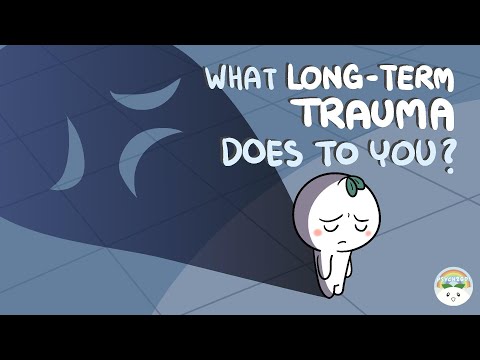
林宜悉 posted on 2025/09/14Ever wondered how past experiences shape who you are today? This video dives deep into the lasting effects of trauma, exploring concepts like maladaptive schemas and attachment anxiety, and it's packed with advanced vocabulary to boost your English knowledge!
Learn this video on the APP!
The VoiceTube App has more in-depth practice for videos!