
a mirror image
US
UK
- Noun
- An image that is identical but reversed, like a reflection in a mirror.
- Something very similar to something else.
actual
US /ˈæktʃuəl/
UK /ˈæktʃuəl/
- Adjective
- Real or existing in fact, not imagined; real
- Current; existing at the present time.
A2TOEICMoreadministration
US / ædˌmɪnɪˈstreʃən/
UK /ədˌmɪnɪˈstreɪʃn/
- Uncountable Noun
- Act of giving e.g. medicine to a patient
- The work of running something, e.g. a business
B1TOEICMoreagency
US /ˈedʒənsi/
UK /'eɪdʒənsɪ/
- Noun (Countable/Uncountable)
- Business that provides some service for others
B1TOEICMoreargument
US /ˈɑrɡjəmənt/
UK /ˈɑ:gjumənt/
- Noun (Countable/Uncountable)
- Discussion in which you disagree with someone
- A presentation of reasons for or against an idea
A2TOEICMoreas opposed to
US
UK
- Preposition
- In contrast to; rather than.
- Instead of; in place of.
A1Moreat best
US /æt bɛst/
UK /æt best/
- Phrase
- Under the most optimistic or favorable circumstances; the most that can be hoped for.
A1Moreat that time
US /æt ðæt taɪm/
UK /æt ðæt taim/
- Phrase
- During a specific point in the past.
A1Moreat worst
US /æt wɚst/
UK /æt wə:st/
- Adverb
- If the most unfavorable outcome happens.
A1Moreback into
US /bæk ˈɪntu/
UK /bæk ˈɪntuː/
- Phrasal Verb
- To drive a vehicle backwards into a space or area.
- To accidentally collide with something while moving backwards.
A1Morebasically
US /ˈbesɪkəli,-kli/
UK /ˈbeɪsɪkli/
- Adverb
- Used before you explain something simply, clearly
- In essence; when you consider the most important aspects of something.
A2Morebill
US /bɪl/
UK /bɪl/
- Noun
- Plan for a new law being discussed by a government
- Sign or poster advertising something
- Transitive Verb
- To request payment by handing over an invoice
A2TOEICMoreblame
US /blem/
UK /bleɪm/
- Transitive Verb
- To say someone is responsible for something bad
- Noun (Countable/Uncountable)
- Act of saying someone did something bad
A2TOEICMorecare of
US /kɛr ʌv/
UK /kɛə ɔv/
- Preposition
- Used in an address to indicate the person who will receive the mail for someone else.
A2Moreclarity
US /ˈklærɪti/
UK /'klærətɪ/
- Uncountable Noun
- Being easy to be seen through, heard or understood
- The quality of an image being sharp and clear
B1Morecorporate
US /ˈkɔrpərɪt, ˈkɔrprɪt/
UK /ˈkɔ:pərət/
- Adjective
- Concerning (usually large) companies
- Relating to a large company or group.
- Noun
- The overall strategy and direction of a company.
- The visual and communicative aspects of a company that create its public image.
A2Morecriticize
US /ˈkrɪtɪˌsaɪz/
UK /ˈkrɪtɪsaɪz/
- Transitive Verb
- To assess the work of others
- To say that someone or something is bad
B1Moredatum
US /ˈdetəm, ˈdætəm, ˈdɑtəm/
UK /ˈdeɪtəm/
- Noun
- Item of factual information
B1Moreevidence of
US
UK
- Phrase
- Facts, objects, or signs that make you believe that something is true.
- Something that shows that something else exists or is true.
A1Morefundamental
US /ˌfʌndəˈmɛntl/
UK /ˌfʌndəˈmentl/
- Adjective
- Forming a necessary part, base, or core
- Of central importance.
- Noun (Countable/Uncountable)
- A basic part of something
- (Music) the lowest note in a harmony
A2TOEICMoreget back to
US /ɡɛt bæk tu/
UK /ɡet bæk tu:/
- Phrasal Verb
- To get in contact with someone again
- To return to someone or something; to respond at a later time.
A1Moreget through
US /ɡɛt θru/
UK /ɡet θru:/
- Phrasal Verb
- To arrive at the end of or finish something
- To succeed in contacting someone by phone
A1Morego higher
US
UK
- Intransitive Verb
- To increase or rise to a greater level.
- To move to a higher physical position.
A2Morego out
US /ɡo aʊt/
UK /ɡəu aut/
- Phrase
- To leave a building (e.g. a house)
- Phrasal Verb
- (Of a fire) to burn out; be extinguished
- Go out of fashion to stop being fashionable
A1Moregot to
US /ɡɑt tu/
UK /gɔt tu:/
- Verb (Transitive/Intransitive)
- To arrive at some place
- To have the opportunity or permission to do something
- Phrasal Verb
- To appeal to the emotions of; move
- To finally begin to start something after a delay
A1Morehuge
US /hjudʒ/
UK /hju:dʒ/
- Adjective
- Very very large
A2Morehuge deal
US
UK
- Noun
- Something very important or significant.
- An event or situation that has a major impact.
B1Moreimpose
US /ɪmˈpoʊz/
UK /ɪmˈpəʊz/
- Transitive Verb
- To make someone to do or endure something
A2TOEICMorein isolation
US
UK
- Phrase
- Separately from other people or things; alone.
- Considered separately and without reference to other related things.
C1Morein terms of
US
UK
- Phrase
- With regard to; concerning a particular aspect.
A1Morein the first place
US
UK
- Phrase
- To begin with; as the first point or consideration.
- From the beginning; initially.
A1Morein the past
US
UK
- Phrase
- During a former period of time; previously.
A1Morein the weeds
US /ɪn ðə widz/
UK /ɪn ðə wi:dz/
- other
- Overwhelmed by complexity or amount of work.
B2Moreinflation
US /ɪnˈfleʃən/
UK /ɪn'fleɪʃn/
- Noun (Countable/Uncountable)
- Act of filling something with air or gas
- Continual rise in the prices of products
B1TOEICMoreinstead of
US /ɪnˈstɛd ʌv/
UK /inˈsted ɔv/
- Preposition
- When one thing is replaced by another
- Adverb
- As a substitute or alternative.
A1Moreissue
US /ˈɪʃu/
UK /'ɪʃu:/
- Transitive Verb
- To make something available to be used or sold
- To deliver a statement, etc. in an official manner
- Noun (Countable/Uncountable)
- Important topic discussed, debated or argued over
- Single edition of a magazine
A2TOEICMorelook at
US /lʊk æt/
UK /luk æt/
- Phrasal Verb
- To use your eyes to focus on something
- To focus your eyes on something carefully
A1Moremassive
US /ˈmæsɪv/
UK /ˈmæsɪv/
- Adjective
- Very big; large; too big
- Large or imposing in scale or scope.
B1Moremention
US /ˈmɛnʃən/
UK /'menʃn/
- Transitive Verb
- To refer to or talk or write about something
- Uncountable Noun
- Act of referring to or talking about something
- A formal acknowledgement of something
A2TOEICMorenegative
US /ˈnɛɡətɪv/
UK /'neɡətɪv/
- Noun
- The opposite to a positive electrical charge
- In grammar, containing words such as 'no' or 'not'
- Adjective
- Being harmful, unwanted or unhelpful
- In mathematics, being less than zero
A2Morenext to
US /nɛkst tu/
UK /nekst tu:/
- Preposition
- Being located along side another
- In comparison with
- Adverb
- Almost; nearly
A1Moreout there
US /aʊt ðɛr/
UK /aut ðɛə/
- Adverb
- In or to a place that is far away
- Existing in the universe
- Adjective
- Unconventional; strange; avant-garde
- Existing or available.
A1Morepast it
US
UK
- Adjective
- No longer capable or effective due to age or declining condition.
- Beyond the point of being useful or functional.
A1Morepolicy
US /ˈpɑlɪsi/
UK /'pɒləsɪ/
- Noun
- Document stating terms of an insurance agreement
- Course of action proposed by an organization, etc.
A2TOEICMorepolitic
US /ˈpɑlɪtɪk/
UK /ˈpɒlətɪk/
- Adjective
- Careful what you say; diplomatic
B2Morepresident
US /ˈprɛzɪdənt,-ˌdɛnt/
UK /ˈprezɪdənt/
- Noun
- Person in charge of a country, or organization
- The highest-ranking executive in a corporation or organization.
A2TOEICMorerepublican
US /rɪˈpʌblɪkən/
UK /rɪˈpʌblɪkən/
- Countable Noun
- Supporter of the conservative US political party
- Adjective
- Of a republic; not favoring a monarchy
B1Morereverse
US /rɪˈvɚs/
UK /rɪ'vɜ:s/
- Noun
- Setting that makes the vehicle go backward
- Instance of a significant change, for the worse
- Verb (Transitive/Intransitive)
- To drive a vehicle backward
- To change to an opposite state, way or condition
B1TOEICMorerule out
US /rul aʊt/
UK /ru:l aut/
- Phrasal Verb
- To eliminate as a possibility; exclude.
A1Morestand by
US
UK
- Phrasal Verb
- To keep to an agreement
- To wait for something to happen, e.g. TV broadcast
A1Morestreak
US /strik/
UK /stri:k/
- Noun (Countable/Uncountable)
- An continuous amount of something, e.g. luck
- Act of running naked in public as an act of daring
- Intransitive Verb
- To run naked in public as an act of daring
B2TOEICMoresuppose
US /səˈpoʊz/
UK /sə'pəʊz/
- Verb (Transitive/Intransitive)
- To imagine or guess what might happen
- Conjunction
- What if
A2TOEICMoretalking about
US
UK
- Phrasal Verb
- To discuss a particular topic.
- To be constantly mentioning or bringing up a subject.
A1Morethink about
US /θɪŋk əˈbaʊt/
UK /θiŋk əˈbaut/
- Phrasal Verb
- To consider something carefully.
- To remember or call to mind.
A1Moreunemployment
US /ˌʌnɛmˈplɔɪmənt,-ɪm-/
UK /ˌʌnɪmˈplɔɪmənt/
- Uncountable Noun
- Number of people without jobs in a country
- State of not having a job
B1More
Vocabulary
- go out: To leave a building (e.g. a house)
- look at: To use your eyes to focus on something
- in terms of
- get back to: To get in contact with someone again
- got to: To arrive at some place
- instead of: When one thing is replaced by another
- in the past: During a former period of time; previously.
- in isolation: Separately from other people or things; alone.
- back into: To drive a vehicle backwards into a space or area.
- evidence of: Facts, objects, or signs that make you believe that something is true.
- rule out: To eliminate as a possibility; exclude.
- stand by: To keep to an agreement
- a mirror image: An image that is identical but reversed, like a reflection in a mirror.
- at that time: During a specific point in the past.
- huge deal: Something very important or significant.
- get through: To arrive at the end of or finish something
- as opposed to: In contrast to; rather than.
- out there: In or to a place that is far away
- at best: Under the most optimistic or favorable circumstances; the most that can be hoped for.
- at worst: If the most unfavorable outcome happens.
- talking about: To discuss a particular topic.
- care of: Used in an address to indicate the person who will receive the mail for someone else.
- past it: No longer capable or effective due to age or declining condition.
- next to: Being located along side another
- think about: To consider something carefully.
- in the weeds: Overwhelmed by complexity or amount of work.
- in the first place: To begin with; as the first point or consideration.
- go higher: To increase or rise to a greater level.
- massive: Very big; large; too big
- basically: Used before you explain something simply, clearly
- term: Conditions applying to an agreement, contract
- negative: The opposite to a positive electrical charge
- fundamental: Forming a necessary part, base, or core
- suppose: To imagine or guess what might happen
- blame: To say someone is responsible for something bad
- reverse: Setting that makes the vehicle go backward
- issue: To make something available to be used or sold
- mention: To refer to or talk or write about something
- corporate: Concerning (usually large) companies
- inflation: Act of filling something with air or gas
- huge: Very very large
- administration: Act of giving e.g. medicine to a patient
- reason: To think and make conclusions in a logical manner
- actual: Real or existing in fact, not imagined; real
- interest: Best or most advantageous thing for someone
- rate: To assess something or consider its qualities
- clarity: Being easy to be seen through, heard or understood
- argument: Discussion in which you disagree with someone
- economy: Using money, resources in a careful, effective way
- agency: Business that provides some service for others
- fall: Season after summer and before winter; Autumn
- criticize: To assess the work of others
- bill: Plan for a new law being discussed by a government
- place: To put someone in a particular type of situation
- important: Having power or authority
- policy: Document stating terms of an insurance agreement
- kind: In a caring and helpful manner
- impose: To make someone to do or endure something
- president: Person in charge of a country, or organization
- control: A device designed to operate a machine
- fact: Something that is known or proved to be true
- streak: An continuous amount of something, e.g. luck
- point: An item to be discussed
- head: To hit a ball with your head in a game
- drive: A person's ambition and motivation to do something
- great: Very good; better than before
- unemployment: Number of people without jobs in a country
- datum: Item of factual information
- republican: Supporter of the conservative US political party
- politic: Careful what you say; diplomatic
Get the full experience in the app
Learn anywhere with detailed sentence and usage analysis
01:03
She took a brave step forward, leaving behind her comfort zone to chase her dreams.
Vocabulary
- brave
adj. Having courage
- comfort zone
phr. A familiar situation where one feels safe
Explanation
a brave step is a noun phrase, where brave is an adjective modifying the noun step, meaning "a courageous step".
forward is an adverb modifying step, meaning "ahead".
The whole phrase serves as the object, answering the "what" of took (verb) — she took a brave step forward.
Get the full experience in the app
Look up words anytime with pronunciation, part of speech, and usage
brave
US/brev/
UK/breɪv/
adj.Brave
v.t.To bravely face
A2 Elementary
Get the full experience in the app
Practice speaking anytime and get instant pronunciation feedback
Try this speaking exercise.
Try practicing with this sentence.
80
America lost jobs for the first time since 2020
0
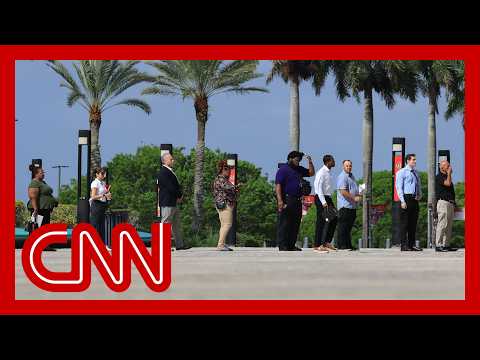
Kanta Mori posted on 2025/09/06Did you hear the latest on the US job market? This video dives into the surprising news about job losses and what it means for the economy, using real-world examples of advanced vocabulary related to unemployment and tariffs. You'll get a fantastic chance to boost your English while learning about current events!
Learn this video on the APP!
The VoiceTube App has more in-depth practice for videos!