
affect
US /əˈfɛkt/
UK /ə'fekt/
- Transitive Verb
- To cause a change in something else
- To pretend to have or feel (something).
- Noun
- (Psychology) Emotion or feeling.
A2TOEICMoreas soon as
US /æz sun æz/
UK /æz su:n æz/
- Phrase
- In a short time after (something happens)
- Without any delay; immediately
- Conjunction
- At the moment that, or immediately after.
A1Moreask for help
US
UK
- Verb (Transitive/Intransitive)
- To request assistance or support.
at a time
US /æt e taɪm/
UK /æt ə taim/
- Phrase
- Separately; one by one
- Simultaneously; together
A1Moreat least
US /æt list/
UK /æt li:st/
- Adverb
- As a minimum
- Not less than
- Phrase
- No less than; at the minimum
- Used to indicate that something is positive in a bad situation.
C2Moreat that time
US /æt ðæt taɪm/
UK /æt ðæt taim/
- Phrase
- During a specific point in the past.
A1Moreattend
US /əˈtɛnd/
UK /əˈtend/
- Transitive Verb
- To take care of someone in need
- Verb (Transitive/Intransitive)
- To listen or watch carefully; to concentrate
- To be present at an event
B1TOEICMoreawareness
US /əˈwɛrnɪs/
UK /əˈweənəs/
- Uncountable Noun
- Having knowledge of something
A2TOEICMorebipolar
US /ˌbaɪˈpoʊlər/
UK /ˌbaɪˈpəʊlə(r)/
- Adjective
- (Disorder) exhibiting extremes of behavior
- Having two opposite poles
B2Moreblame
US /blem/
UK /bleɪm/
- Transitive Verb
- To say someone is responsible for something bad
- Noun (Countable/Uncountable)
- Act of saying someone did something bad
A2TOEICMoreblessing in disguise
US
UK
- Noun (Countable/Uncountable)
- Something that seems bad or unlucky at first, but results in something good.
B2Morecheck out
US /tʃɛk aʊt/
UK /tʃek aut/
- Phrase
- Phrasal Verb
- To find out information about something
- To take books out of a library
A1Moreclear up
US /klɪr ʌp/
UK /kliə ʌp/
- Phrasal Verb
- To tidy things away, e.g. dirty dishes after meal
- To explain something in an understandable way
A1Morecompound
US /kɑmˈpaUnd/
UK /'kɒmpaʊnd/
- Noun (Countable/Uncountable)
- Series of buildings that are walled or fenced off
- Chemical made up of several others
- Transitive Verb
- To pay interest on a loan including the interest
- To make something from various parts or components
B1Morecompulsive
US /kəmˈpʌlsɪv/
UK /kəm'pʌlsɪv/
- Adjective
- Having difficulty to stop yourself doing something
- Acting as a result of an irresistible urge; addicted.
B2Morecondition
US /kənˈdɪʃən/
UK /kənˈdɪʃn/
- Transitive Verb
- To improve something to make it better
- To cause to behave automatically in a certain way
- Noun (Countable/Uncountable)
- Disease or other medical problem
- The state of living you are in, e.g. good health
A2Moreconfine
US /kənˈfaɪn/
UK /kənˈfaɪn/
- Transitive Verb
- To hold or imprison someone in a place
- Limit to your movements or behavior s
B1Morecope
US /koʊp/
UK /kəʊp/
- Verb (Transitive/Intransitive)
- To deal with something in spite of difficulties
A2Morecoping mechanism
US
UK
- Noun
- A psychological strategy used to manage stress or emotional distress.
B2Morecot
US /kɑ:t/
UK /kɒt/
- Countable Noun
- Bed with high sides for a baby
- Small simple bed
B2Morecream
US /krim/
UK /kri:m/
- Adjective
- Pale color that is yellowish white
- Noun (Countable/Uncountable)
- Type of a thick beauty product used on the skin
- Thick liquid rubbed into the skin
B1Moredefine
US /dɪˈfaɪn/
UK /dɪ'faɪn/
- Transitive Verb
- To explain the meaning of words
- To set or mark the limits of something
A2TOEICMorediagnose
US /ˌdaɪəgˈnoʊs/
UK /ˈdaɪəgnəʊz/
- Transitive Verb
- To determine the cause of an illness or problem
B1Morediscriminate
US /dɪˈskrɪməˌnet/
UK /dɪ'skrɪmɪneɪt/
- Verb (Transitive/Intransitive)
- To distinguish the differences between things
- To treat people unfairly because of race, age etc.
B1Moredisguise
US /dɪsˈɡaɪz/
UK /dɪs'ɡaɪz/
- Noun (Countable/Uncountable)
- Change in appearance so you will not be noticed
- The act of concealing the identity or true nature of something.
- Transitive Verb
- To change your appearance to not be noticed
- To hide something so it will not be noticed
B1Moredisorder
US /dɪsˈɔrdɚ/
UK /dɪs'ɔ:də(r)/
- Uncountable Noun
- State of confusion or a lack of organization
- Illness when the body is not functioning well
- Transitive Verb
- To disrupt the order or arrangement of something.
B2Moreeviction
US /ɪ'vɪkʃn/
UK /ɪ'vɪkʃn/
- Noun
- Action by a landlord compelling a tenant to leave
B2Morefeel like
US
UK
- Intransitive Verb
- To have a desire or inclination for something.
- To have a particular quality or sensation; resemble.
A1Morehave at
US
UK
- Phrasal Verb
- To attack someone or something.
- To begin doing something with enthusiasm.
A1Morehazard
US /ˈhæzəd/
UK /'hæzəd/
- Noun (Countable/Uncountable)
- Something that is dangerous and causes problems
- Something that is dangerous and likely to cause damage.
- Verb (Transitive/Intransitive)
- To try, with the risk of being wrong or losing
B1TOEICMorehoard
US /hɔ:rd/
UK /hɔ:d/
- Noun (Countable/Uncountable)
- Large amount of hidden (valuable) items
- Transitive Verb
- To keep a large amount of hidden (valuable) items
B2Moreimmune
US /ɪˈmjoon/
UK /ɪˈmju:n/
- Adjective
- Having a special protection from, e.g. the law
- Protected against a particular disease or condition because of antibodies or vaccination.
B1Morein disguise
US /ɪn dɪsˈɡaɪz/
UK /in disˈɡaiz/
- Phrase
- Having altered one's appearance to conceal one's identity.
- Seeming different from what it really is; concealing the true nature.
B2Morein fact
US /ɪn fækt/
UK /in fækt/
- Adverb
- Used to emphasize the truth of a statement, especially one that contrasts with or contradicts something else.
- Used to introduce a more detailed or surprising piece of information.
- Phrase
- Used to emphasize the truth of a statement, especially one that is surprising or contrary to what might be expected.
C1Morein the world
US /ɪn ði wɜrld/
UK /in ðə wɜː(r)ld/
- Phrase
- Used to emphasize a question expressing surprise, confusion, or disbelief.
- Used to indicate the extent or degree of something, often in a superlative sense.
A1Morein truth
US
UK
- Phrase
- In fact; actually; really
A1Moreincredibly
US /ɪnˈkrɛdəblɪ/
UK /ɪnˈkredəbli/
- Adverb
- To a great degree; very; amazingly
- Extremely; so much so it is hard to believe
A2Moreisolate
US /ˈaɪsəˌlet/
UK /ˈaɪsəleɪt/
- Transitive Verb
- To identify, consider, or deal with separately
- To keep in a place or situation apart from others
B1Morelift
US /lɪft/
UK /lɪft/
- Noun
- Picking someone up in a car and taking to a place
- Machine carrying people up or down to other floors
- Transitive Verb
- To stop or cancel something, such as a rule
- To move something to higher position
A2Moremagnify
US /ˈmæɡnəˌfaɪ/
UK /'mæɡnɪfaɪ/
- Transitive Verb
- To increase the importance or seriousness of
- To make something larger, louder, or greater
B2Morenegatively
US /ˈnɛɡətɪvlɪ/
UK /'neɡətɪvlɪ/
- Adverb
- In a harmful, unwanted or unhelpful manner
B1Morenest
US /nɛst/
UK /nest/
- Noun (Countable/Uncountable)
- Home, e.g. of twigs, made by a bird, insect etc.
- Things designed to fit together
- Intransitive Verb
- To create or live in a nest
- To settle comfortably within or against something.
B1Moreobsessive
US /əbˈsɛsɪv, ɑb-/
UK /əbˈsesɪv/
- Adjective
- Characterized by or constituting an obsession
- Thinking about something or someone all the time
B2Moreover to
US
UK
- Preposition
- Used to hand over to someone else to speak
- The responsibility is now yours
potentially
US /pəˈtɛnʃəlɪ/
UK /pə'tenʃəlɪ/
- Adverb
- That could happen or become reality
B1Moreregularly
US /ˈregjələrli/
UK /ˈregjələli/
- Adverb
- At the usual time each day, week, or month
- In a normal or customary way.
B1TOEICMorescale
US /skel/
UK /skeɪl/
- Noun (Countable/Uncountable)
- Size, level, or amount when compared
- Small hard plates that cover the body of fish
- Verb (Transitive/Intransitive)
- To change the size of but keep the proportions
- To climb something large (e.g. a mountain)
A2TOEICMoresee past
US /si pæst/
UK /si: pɑ:st/
- other
- To overlook flaws or errors and accept.
B2Moreseek
US /sik/
UK /si:k/
- Transitive Verb
- To ask someone for help
- To search for; try to find or do; look for
A2TOEICMoreseek help
US
UK
- Verb (Transitive/Intransitive)
- To ask for or try to get assistance or support.
A1Moreshame
US /ʃem/
UK /ʃeɪm/
- Uncountable Noun
- Feeling of guilt because you did something wrong
- Transitive Verb
- To make someone feel ashamed
A2Moresolution
US /səˈluʃən/
UK /səˈlu:ʃn/
- Noun (Countable/Uncountable)
- Mix of a liquid and a solid or a gas
- Way to solve or deal with a problem
A2Moresquare
US /skwɛr/
UK /skweə(r)/
- Noun (Countable/Uncountable)
- Shape with 4 equal length sides and 4 equal angles
- The result of multiplying Length by the width
- Adjective
- Being fair or honest
- Multiply a number by itself e.g. 2x2 or 6x6
A2TOEICMorestress
US / strɛs/
UK /stres/
- Transitive Verb
- To emphasize one or more parts of a word, sentence
- To put pressure on something or someone
- Noun (Countable/Uncountable)
- Emphasis on part of a word or sentence
- Pressure on something or someone
A2TOEICMoresuch as
US /sʌtʃ æz/
UK /sʌtʃ æz/
- Preposition
- For example; like
A1Moretrauma
US /ˈtraʊmə/
UK /'trɔ:mə/
- Noun (Countable/Uncountable)
- A very severe or upsetting experience
- Serious injury to part of the body
B2Moretraumatic
US /traʊˈmætɪk/
UK /trɔ:ˈmætɪk/
- Adjective
- Causing upsetting emotional effects over time
- Causing an injury
B2Moretrigger
US /ˈtrɪɡɚ/
UK /'trɪɡə(r)/
- Noun
- Lever on a gun that you pull to fire
- Device that starts a process
- Transitive Verb
- To start a process off e.g. a memory
- To cause something to begin or happen.
B1Moreturned out
US
UK
- Phrasal Verb
- To arrive for a public event or entertainment
- To happen to be in the end
- Transitive Verb
- To extinguish or switch off lights.
A1Morewith time
US
UK
- Phrase
- As time passes; eventually.
- Given enough time; in the course of time.
A1Morewound
US /waʊnd/
UK /waʊnd/
- Transitive Verb
- To rotate a part of say a watch to make it work
- To hurt someone emotionally
- Noun (Countable/Uncountable)
- Sadness or displeasure caused by a bad memory
- Physical injury, especially that suffered in war
A2More
Vocabulary
- seek help: To ask for or try to get assistance or support.
- clear up: To tidy things away, e.g. dirty dishes after meal
- over to: Used to hand over to someone else to speak
- as soon as: In a short time after (something happens)
- ask for help: To request assistance or support.
- at that time: During a specific point in the past.
- in disguise: Having altered one's appearance to conceal one's identity.
- turned out: To arrive for a public event or entertainment
- blessing in disguise: Something that seems bad or unlucky at first, but results in something good.
- in the world: Used to emphasize a question expressing surprise, confusion, or disbelief.
- with time: As time passes; eventually.
- in truth: In fact; actually; really
- have at: To attack someone or something.
- such as: For example; like
- at least: As a minimum
- at a time: Separately; one by one
- feel like: To have a desire or inclination for something.
- in fact: Used to emphasize the truth of a statement, especially one that contrasts with or contradicts something else.
- coping mechanism: A psychological strategy used to manage stress or emotional distress.
- see past: To overlook flaws or errors and accept.
- check out
- sort: To organize things by putting them into groups
- incredibly: To a great degree; very; amazingly
- immune: Having a special protection from, e.g. the law
- trigger: Lever on a gun that you pull to fire
- trauma: A very severe or upsetting experience
- scale: Size, level, or amount when compared
- experience: Thing a person has done or that happened to them
- potentially: That could happen or become reality
- disorder: State of confusion or a lack of organization
- traumatic: Causing upsetting emotional effects over time
- stress: To emphasize one or more parts of a word, sentence
- blame: To say someone is responsible for something bad
- compound: Series of buildings that are walled or fenced off
- awareness: Having knowledge of something
- cope: To deal with something in spite of difficulties
- affect: To cause a change in something else
- condition: To improve something to make it better
- wonder: Surprise caused by experiencing something amazing
- disguise: Change in appearance so you will not be noticed
- obsessive: Characterized by or constituting an obsession
- compulsive: Having difficulty to stop yourself doing something
- define: To explain the meaning of words
- suddenly: In an unexpected or very quick manner
- seek: To ask someone for help
- subject: The person, thing, or idea that is being discussed, described, or studied.
- lift: Picking someone up in a car and taking to a place
- throw: To use your arm to make something fly in the air
- shame: Feeling of guilt because you did something wrong
- solution: Mix of a liquid and a solid or a gas
- regularly: At the usual time each day, week, or month
- wound: To rotate a part of say a watch to make it work
- hazard: Something that is dangerous and causes problems
- square: Shape with 4 equal length sides and 4 equal angles
- diagnose: To determine the cause of an illness or problem
- simple: Not hard to understand or do; not complex
- support: To give assistance or advice to someone
- discriminate: To distinguish the differences between things
- person: Man, woman or child
- attend: To take care of someone in need
- hide: To go to, or put a thing where it can't be found
- hoard: Large amount of hidden (valuable) items
- include: To make someone, something part of a group
- isolate: To identify, consider, or deal with separately
- start: First time or place that a thing exists; beginning
- understand: To know the meaning of language, what someone says
- hold: To agree to keep something for someone
- world: All the humans, events, activities on the earth
- magnify: To increase the importance or seriousness of
- confine: To hold or imprison someone in a place
- negatively: In a harmful, unwanted or unhelpful manner
- nest: Home, e.g. of twigs, made by a bird, insect etc.
- bipolar: (Disorder) exhibiting extremes of behavior
- cream: Pale color that is yellowish white
- cot: Bed with high sides for a baby
- eviction: Action by a landlord compelling a tenant to leave
Get the full experience in the app
Learn anywhere with detailed sentence and usage analysis
01:03
She took a brave step forward, leaving behind her comfort zone to chase her dreams.
Vocabulary
- brave
adj. Having courage
- comfort zone
phr. A familiar situation where one feels safe
Explanation
a brave step is a noun phrase, where brave is an adjective modifying the noun step, meaning "a courageous step".
forward is an adverb modifying step, meaning "ahead".
The whole phrase serves as the object, answering the "what" of took (verb) — she took a brave step forward.
Get the full experience in the app
Look up words anytime with pronunciation, part of speech, and usage
brave
US/brev/
UK/breɪv/
adj.Brave
v.t.To bravely face
A2 Elementary
Get the full experience in the app
Practice speaking anytime and get instant pronunciation feedback
Try this speaking exercise.
Try practicing with this sentence.
80
0
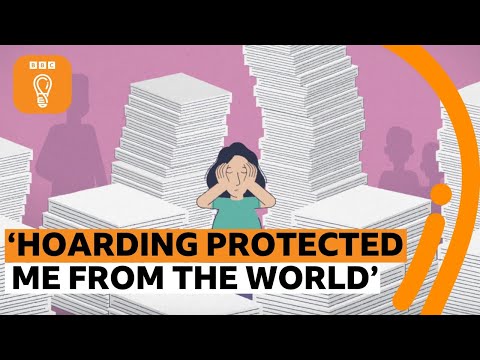
林宜悉 posted on 2025/08/29Ever wondered about the real impact of hoarding? This powerful personal story dives deep into how it affects lives, touching on themes like bereavement and PTSD, and offers practical advice on starting small with support. You'll pick up advanced vocabulary and gain cultural insight into a challenging topic.
Learn this video on the APP!
The VoiceTube App has more in-depth practice for videos!