
advantage
US /ædˈvæntɪdʒ/
UK /əd'vɑ:ntɪdʒ/
- Noun (Countable/Uncountable)
- Thing making the chance of success higher
- A positive point about something
- Transitive Verb
- To make use of something, especially to further one's own position; exploit.
A2TOEICMorebasically
US /ˈbesɪkəli,-kli/
UK /ˈbeɪsɪkli/
- Adverb
- Used before you explain something simply, clearly
- In essence; when you consider the most important aspects of something.
A2Moreblow
US /blo/
UK /bləʊ/
- Verb (Transitive/Intransitive)
- To move something using air
- To make air come quickly out of your mouth
- Noun
- Something that causes you difficulty or sadness
- Act of making air come out of your mouth
A2Moreblow away
US /blo əˈwe/
UK /bləu əˈwei/
- Phrasal Verb
- To completely beat or defeat someone, or kill them
- To amaze someone, e.g. by great performance
- Transitive Verb
- To impress someone greatly.
- To defeat someone easily.
A2Morebust
US /bʌst/
UK /bʌst/
- Transitive Verb
- To arrest people involved in crime
- To break something with force
- Noun
- A woman's chest or breasts
B2Morebust out
US /bʌst aʊt/
UK /bʌst aut/
- Phrasal Verb
- To escape from a place, especially prison.
- To suddenly begin doing something, such as laughing or singing.
A1Morecasual
US /ˈkæʒuəl/
UK /ˈkæʒuəl/
- Adjective
- Being careless or having little thought or effort
- (Of clothes, etc.) not formal; easy to wear
- Countable Noun
- A worker employed on a temporary or irregular basis.
- A job as a musician that is not regular or permanent.
A2Morechill
US /tʃɪl/
UK /tʃɪl/
- Uncountable Noun
- State of being a little cold
- Feeling of fear or being frightened
- Transitive Verb
- To make something cold, e.g. a drink
B1Morechill out
US /tʃɪl aʊt/
UK /tʃil aut/
- Verb (Transitive/Intransitive)
- To relax and stop being angry or nervous about something.
- To calm down; to become less excited or agitated.
- Phrasal Verb
- To relax and stop being angry or nervous about something.
B2Morecomplain
US /kəmˈplen/
UK /kəmˈpleɪn/
- Verb (Transitive/Intransitive)
- To say something is wrong and should be changed
- To make a formal accusation or charge.
B1Morecontext
US /ˈkɑnˌtɛkst/
UK /ˈkɒntekst/
- Noun (Countable/Uncountable)
- Set of facts surrounding a person or event
- The circumstances that form the setting for an event, statement, or idea, and in terms of which it can be fully understood and assessed.
A2Morecouch
US /kaʊtʃ/
UK /kaʊtʃ/
- Transitive Verb
- To formulate in a particular style or language
- Noun (Countable/Uncountable)
- Sofa; settee
B1Morecrank
US /kræŋk/
UK /kræŋk/
- Noun
- Device for turning
B2Morecrank up
US
UK
- Phrasal Verb
- To increase the level of something, such as sound or intensity.
- To start or initiate something, often with energy or enthusiasm.
A1Moreeffort
US /ˈɛfət/
UK /ˈefət/
- Uncountable Noun
- Amount of work used trying to do something
- A conscious exertion of power; a try.
A2TOEICMoreexpression
US /ɪkˈsprɛʃən/
UK /ɪk'spreʃn/
- Noun (Countable/Uncountable)
- Act of making your thoughts and feelings known
- Group of words that have a specific meaning
A2TOEICMorefor someone
US /fɚ ˈsʌmwʌn/
UK /fə ˈsʌmwʌn/
- other
- On behalf of or intended for a particular person.
A1Moreforget about
US /fɚˈɡɛt əˈbaʊt/
UK /fəˈɡet əˈbaut/
- Phrasal Verb
- To stop thinking about something; to ignore something.
A1Moreformal
US / ˈfɔrməl/
UK /'fɔ:ml/
- Adjective
- Observing rules and procedures strictly
- Behaving well, politely; wearing your best clothes
A2TOEICMorefrustration
US /frʌˈstreʃən/
UK /frʌ'streɪʃn/
- Noun (Countable/Uncountable)
- Annoyance because things don't go the way you want
- The prevention of the progress, success, or fulfillment of something.
B1Moregenerally
US /ˈdʒɛnərəli/
UK /ˈdʒenrəli/
- Adverb
- Usually; as a rule; by, to or for most people
A2Moreget out of
US /ɡɛt aʊt ʌv/
UK /ɡet aut ɔv/
- Phrasal Verb
- To leave or escape responsibilities, troubles
- To leave a small, enclosed vehicle
A1Morego ahead
US /ɡo əˈhɛd/
UK /ɡəu əˈhed/
- Phrasal Verb
- To start an activity; start doing, working etc.
- To give permission to do something
- Intransitive Verb
- To start or proceed with something
- To proceed despite potential obstacles or doubts.
A1Morego on
US /ɡo ɑn/
UK /ɡəu ɔn/
- Phrasal Verb
- To continue doing something
- To happen (usually negative)
- Interjection
- Used to encourage someone
A1Morego out
US /ɡo aʊt/
UK /ɡəu aut/
- Phrase
- To leave a building (e.g. a house)
- Phrasal Verb
- (Of a fire) to burn out; be extinguished
- Go out of fashion to stop being fashionable
A1Morego together
US
UK
- Phrasal Verb
- To match well; to be harmonious or aesthetically pleasing.
- To date; to be in a romantic relationship.
A1Morehave at
US
UK
- Phrasal Verb
- To attack someone or something.
- To begin doing something with enthusiasm.
A1Morehave to
US /hæv tu/
UK /ˈhæv tə/
- Auxiliary Verb
- Must do
A1Morehold on
US /hold ɑn/
UK /həuld ɔn/
- Phrasal Verb
- To wait for someone (e.g. on a phone call)
- To wait for a short time.
A1Morehook
US /hʊk/
UK /hʊk/
- Noun (Countable/Uncountable)
- Bent tool used to catch fish or to hang things on
- The start of a story which catches your interest
- Transitive Verb
- To make a bent or curved shape
- To catch your interest completely
B1Morein a bad way
US /ɪn ə bæd weɪ/
UK /ɪn ə bæd wei/
- other
- In poor physical or emotional condition.
B2Morein the past
US
UK
- Phrase
- During a former period of time; previously.
A1Morein trouble
US /ɪn ˈtrʌbəl/
UK /in ˈtrʌbl/
- Adjective
- Experiencing difficulties, problems, or legal issues.
- other
- In serious trouble or difficulty.
A1Moreindividual
US /ˌɪndəˈvɪdʒuəl/
UK /ˌɪndɪˈvɪdʒuəl/
- Countable Noun
- Single person, looked at separately from others
- A single thing or item, especially when part of a set or group.
- Adjective
- Made for use by one single person
- Having a distinct manner different from others
A2Moreinformal
US /ɪnˈfɔrməl/
UK /inˈfɔ:məl/
- Adjective
- Casual; relaxed
- Not official; not done by the rules
B1TOEICMoreliteral
US /ˈlɪtərəl/
UK /ˈlɪtərəl/
- Adjective
- Being the basic exact meaning of a word/expression
- Being real and true and without exaggerating
B1Moremention
US /ˈmɛnʃən/
UK /'menʃn/
- Transitive Verb
- To refer to or talk or write about something
- Uncountable Noun
- Act of referring to or talking about something
- A formal acknowledgement of something
A2TOEICMoremove on
US /muv ɑn/
UK /mu:v ɔn/
- Phrasal Verb
- To decide to change or go to a different place
- To start talking about something different.
A1Morenative
US /ˈnetɪv/
UK /ˈneɪtɪv/
- Noun (Countable/Uncountable)
- Someone from or born in a specific country
- Original inhabitant, e.g. before others
- Adjective
- Caused by natural ability; innate
A2Moreon to
US /ɑn tu/
UK /ɔn tu:/
- Preposition
- Toward something; forward
- Aware of someone's activities.
- Adjective
- Aware of someone's deception or illegal activities.
A1Moreout of the blue
US
UK
- Phrase
- Unexpectedly; without warning
- Idiom
- Unexpectedly; without warning.
A1Morepermission
US /pɚˈmɪʃən/
UK /pəˈmɪʃn/
- Noun (Countable/Uncountable)
- Right to do something as allowed by another
- Formal authorization from an authority.
A2Morephrasal
US
UK
- Adjective
- Concerning or consisting of a phrase
B1Morepress
US /prɛs/
UK /pres/
- Noun
- Machine using pressure to shape, flatten, squeeze
- General term for TV, radio, newspapers
- Transitive Verb
- To make clothes smooth using a heated iron; iron
- To repeatedly ask someone to do something
A2TOEICMorequiz
US /kwɪz/
UK /kwɪz/
- Noun (Countable/Uncountable)
- A game in which players answer questions on topics
- Brief spoken or written test, given to students
- Transitive Verb
- To ask a person many questions about something
B1Moreregularly
US /ˈregjələrli/
UK /ˈregjələli/
- Adverb
- At the usual time each day, week, or month
- In a normal or customary way.
B1TOEICMorerusty
US /ˈrʌsti/
UK /'rʌstɪ/
- Adjective
- Performing badly from lack of practice
- Covered with or consisting of rust
B1Moresinge
US /sɪndʒ/
UK /sɪndʒ/
- Transitive Verb
- To burn lightly, often to remove hair
C2Moreslang
US /slæŋ/
UK /slæŋ/
- Uncountable Noun
- Words or phrases used in a very informal way
B1Morestay home
US
UK
- Intransitive Verb
- To remain in one's house or residence.
A1Morestraightforward
US /stretˈfɔrwəd/
UK /ˌstreɪtˈfɔ:wəd/
- Adjective
- Easy to do or understand; not complicated
- Honest and open; not trying to hide anything.
B1TOEICMoresudden
US /ˈsʌdn/
UK /ˈsʌdn/
- Adjective
- Happening or done quickly or unexpectedly
B1Moresynonym
US /ˈsɪnəˌnɪm/
UK /ˈsɪnənɪm/
- Noun
- Word that has the same meaning as another word
B2Moretalking about
US
UK
- Phrasal Verb
- To discuss a particular topic.
- To be constantly mentioning or bringing up a subject.
A1Morethink about
US /θɪŋk əˈbaʊt/
UK /θiŋk əˈbaut/
- Phrasal Verb
- To consider something carefully.
- To remember or call to mind.
A1Moreto let
US /tu lɛt/
UK /tu let/
- Preposition
- Indicates that a property is available for rent.
A2Moreupset
US /ʌpˈsɛt/
UK /ʌpˈset/
- Adjective
- (Of stomach, etc.) not functioning well; sick
- Troubled, worried, or angry
- Transitive Verb
- To turn upside down or on its side
- To trouble, worry, or anger someone
A2Moreviolently
US /ˈvaɪələntlɪ/
UK /ˈvaɪələntli/
- Adverb
- In a forceful way that may cause physical damage
- In a manner involving the use of physical force to cause harm or damage
B1Morework on
US /wɚk ɑn/
UK /wə:k ɔn/
- Phrasal Verb
- To devote effort to improve or develop something
- To try to persuade or influence someone.
A1More
Vocabulary
- have at: To attack someone or something.
- bust out: To escape from a place, especially prison.
- crank up: To increase the level of something, such as sound or intensity.
- have to: Must do
- chill out: To relax and stop being angry or nervous about something.
- go ahead: To start an activity; start doing, working etc.
- move on: To decide to change or go to a different place
- in trouble: Experiencing difficulties, problems, or legal issues.
- get out of: To leave or escape responsibilities, troubles
- in a bad way: In poor physical or emotional condition.
- for someone: On behalf of or intended for a particular person.
- talking about: To discuss a particular topic.
- to let: Indicates that a property is available for rent.
- out of the blue: Unexpectedly; without warning
- go together: To match well; to be harmonious or aesthetically pleasing.
- forget about: To stop thinking about something; to ignore something.
- in the past: During a former period of time; previously.
- on to: Toward something; forward
- go on: To continue doing something
- work on: To devote effort to improve or develop something
- go out: To leave a building (e.g. a house)
- stay home: To remain in one's house or residence.
- blow away: To completely beat or defeat someone, or kill them
- think about: To consider something carefully.
- hold on: To wait for someone (e.g. on a phone call)
- individual: Single person, looked at separately from others
- context: Set of facts surrounding a person or event
- effort: Amount of work used trying to do something
- expression: Act of making your thoughts and feelings known
- basically: Used before you explain something simply, clearly
- native: Someone from or born in a specific country
- advantage: Thing making the chance of success higher
- straightforward: Easy to do or understand; not complicated
- express: To send something by fast mail
- frustration: Annoyance because things don't go the way you want
- permission: Right to do something as allowed by another
- slang: Words or phrases used in a very informal way
- bit: Device put in a horse's mouth to control it
- casual: Being careless or having little thought or effort
- mean: Average of a set of numbers
- chill: State of being a little cold
- mention: To refer to or talk or write about something
- generally: Usually; as a rule; by, to or for most people
- upset: (Of stomach, etc.) not functioning well; sick
- suddenly: In an unexpected or very quick manner
- literal: Being the basic exact meaning of a word/expression
- blow: To move something using air
- bust: To arrest people involved in crime
- quiz: A game in which players answer questions on topics
- press: Machine using pressure to shape, flatten, squeeze
- formal: Observing rules and procedures strictly
- leave: To go away from; depart
- regularly: At the usual time each day, week, or month
- informal: Casual; relaxed
- phrasal: Concerning or consisting of a phrase
- couch: To formulate in a particular style or language
- preposition: Word such as 'at' 'on' etc. showing position/time
- steal: A bargain; something bought very cheaply
- hook: Bent tool used to catch fish or to hang things on
- sudden: Happening or done quickly or unexpectedly
- verb: Word that expresses an action or state
- turn: To become (a particular age)
- hard: Difficult to do; difficult to understand
- concert: Musical entertainment performed in public
- synonym: Word that has the same meaning as another word
- start: First time or place that a thing exists; beginning
- rusty: Performing badly from lack of practice
- understand: To know the meaning of language, what someone says
- lesson: Something done to learn or teach something; class
- work: The product of some artistic or literary endeavor
- complain: To say something is wrong and should be changed
- crank: Device for turning
- violently: In a forceful way that may cause physical damage
- singe: To burn lightly, often to remove hair
Get the full experience in the app
Learn anywhere with detailed sentence and usage analysis
01:03
She took a brave step forward, leaving behind her comfort zone to chase her dreams.
Vocabulary
- brave
adj. Having courage
- comfort zone
phr. A familiar situation where one feels safe
Explanation
a brave step is a noun phrase, where brave is an adjective modifying the noun step, meaning "a courageous step".
forward is an adverb modifying step, meaning "ahead".
The whole phrase serves as the object, answering the "what" of took (verb) — she took a brave step forward.
Get the full experience in the app
Look up words anytime with pronunciation, part of speech, and usage
brave
US/brev/
UK/breɪv/
adj.Brave
v.t.To bravely face
A2 Elementary
Get the full experience in the app
Practice speaking anytime and get instant pronunciation feedback
Try this speaking exercise.
Try practicing with this sentence.
80
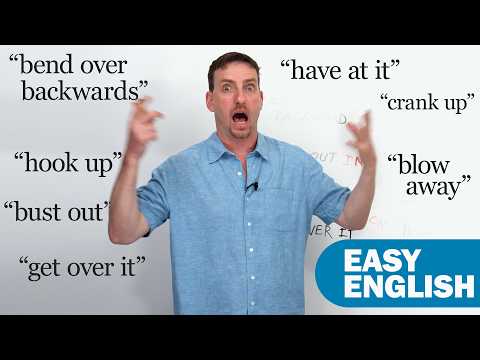
“Get over it”, “hook up”, “blow away”: 10 Everyday English Expressions
0
林宜悉 posted on 2025/08/13Ever wondered what it really means to "hook up" or be "blown away"? This video dives into 10 everyday English expressions that will make your conversations sound super natural and fluent! You'll pick up practical vocabulary and learn how to use these common phrases confidently in no time.
Learn this video on the APP!
The VoiceTube App has more in-depth practice for videos!