
adapt
US /əˈdæpt/
UK /ə'dæpt/
- Transitive Verb
- To change something for a different function
- To change something to fit or suit a new purpose
- Intransitive Verb
- To change your behaviour so that it is easier to live in a new place or situation
B1TOEICMoreaffect
US /əˈfɛkt/
UK /ə'fekt/
- Transitive Verb
- To cause a change in something else
- To pretend to have or feel (something).
- Noun
- (Psychology) Emotion or feeling.
A2TOEICMoreambassador
US /æmˈbæsədɚ, -ˌdɔr/
UK /æm'bæsədə(r)/
- Countable Noun
- Official representing a country in another country
- A person who acts as a representative or promoter of a specified activity.
B1Moreas long as
US /æz lɔŋ æz/
UK /æz lɔŋ æz/
- Conjunction
- For the period that; provided that.
- For the length of time that
- Preposition
- On the condition that; providing that.
- Having the same length as.
A1Moreas well as
US /æz wɛl æz/
UK /æz wel æz/
- Adverb
- Also; in addition to
- Preposition
- In addition to; and also.
A1Moreat sea
US /æt si/
UK /æt si:/
- Phrase
- Adjective
- Confused; not knowing what to do.
A1Moreblow
US /blo/
UK /bləʊ/
- Verb (Transitive/Intransitive)
- To move something using air
- To make air come quickly out of your mouth
- Noun
- Something that causes you difficulty or sadness
- Act of making air come out of your mouth
A2Morebreed
US /brid/
UK /bri:d/
- Noun
- Kind of / sort of
- Particular kind of animal, e.g. a Labrador dog
- Verb (Transitive/Intransitive)
- To create situations for a (bad) thing to happen
- To produce baby animals of specific kinds
A2Morecapable
US /ˈkepəbəl/
UK /'keɪpəbl/
- Adjective
- Being able to do something very well; proficient
- Having the ability, fitness, or quality necessary to do or achieve a specified thing.
A2Morecoast
US /kost/
UK /kəʊst/
- Noun
- Land near the sea or ocean
- Intransitive Verb
- To progress in something without trying hard
- (Of a vehicle) to move forward without power
A2TOEICMoreconsecutive
US /kənˈsɛkjətɪv/
UK /kənˈsekjətɪv/
- Adjective
- Following one after the other in order
B2Morecreep
US /krip/
UK /kri:p/
- Intransitive Verb
- To move quietly so as not to be seen
- Countable Noun
- Scary or disliked person
B1Moredeal with
US /dil wɪð/
UK /di:l wið/
- Verb (Transitive/Intransitive)
- To buy or sell goods or services.
- Phrasal Verb
- To take action to solve a problem or manage a situation.
- To be about; concern.
A1Moredeem
US /dim/
UK /di:m/
- Transitive Verb
- To judge something to be a certain thing, way
B2Moredense
US /dɛns/
UK /dens/
- Adjective
- Very thick and difficult to see, get through
- Hard to understand
B1TOEICMoredownpour
US /ˈdaʊnˌpɔr, -ˌpor/
UK /ˈdaʊnpɔ:(r)/
- Countable Noun
- A heavy rain shower
C2Moredue to
US /du tu/
UK /dju: tu:/
- Preposition
- Because of; owing to
- Adjective
- Attributable to; caused by.
A1Moreexceptionally
US /ɪkˈsɛpʃənəlɪ/
UK /ɪkˈsepʃənəli/
- Adverb
- In an extremely and unusually good way
B2Moreexpertise
US /ˌekspɜːrˈtiːz/
UK /ˌekspɜ:ˈti:z/
- Uncountable Noun
- The special knowledge that an expert has
- Expert skill or knowledge in a particular field.
B1TOEICMorefrequency
US /ˈfrikwənsi/
UK /'fri:kwənsɪ/
- Uncountable Noun
- Number of repetitions of (radio or sound) wave
- How often something happens
B1TOEICMorefur
US /fɚ/
UK /fɜ:(r)/
- Noun (Countable/Uncountable)
- Hairy coat of an animal
- Clothing item made with animal fur
- Transitive Verb
- To apply strips of wood or metal to a wall or ceiling to create a level surface.
B1Moregroom
US /ɡrum, ɡrʊm/
UK /gru:m/
- Transitive Verb
- To make neat and smart in appearance
- To take care of an animal by brushing, cleaning it
- Countable Noun
- Man employed to brush, trim and clean horses
- Man who is, or who has recently married
B1TOEICMorehail
US /hel/
UK /heɪl/
- Transitive Verb
- To speak of something with admiration/excitement
- To call out to (taxi) to get it to pick you up
- Intransitive Verb
- To fly, fall together through the air
- Used to say that hail is falling
B2Morehaul
US /hɔl/
UK /hɔ:l/
- Transitive Verb
- To pull or drag something heavy (e.g. boat)
B2Morehaul out
US /hɔl aʊt/
UK /hɔ:l aʊt/
- other
- To pull or drag something out from a place.
B2Morehave to
US /hæv tu/
UK /ˈhæv tə/
- Auxiliary Verb
- Must do
A1Morein areas
US
UK
- Phrase
- Located or occurring within specific regions or locations.
- Relating to specific fields, subjects, or disciplines.
A1Morein order to
US /ɪn ˈɔrdɚ tu/
UK /in ˈɔ:də tu:/
- Preposition
- For the purpose of; with the aim of.
- Phrase
- In a specific sequence or arrangement.
- With the aim of; for the purpose of.
C1Moreinspire
US /ɪnˈspaɪr/
UK /ɪn'spaɪə(r)/
- Transitive Verb
- To give someone an idea to do or make something
- To make someone feel a certain emotion
- Intransitive Verb
- To breathe in
- To draw (air, etc.) into the lungs.
B1TOEICMoreintensity
US /ɪnˈtɛnsɪti/
UK /ɪn'tensətɪ/
- Uncountable Noun
- Great energy, strength, or concentration
- The quality of being intense; the degree or amount of strength, force, etc.
A2TOEICMoreisolate
US /ˈaɪsəˌlet/
UK /ˈaɪsəleɪt/
- Transitive Verb
- To identify, consider, or deal with separately
- To keep in a place or situation apart from others
B1Morekeep from
US /kip frʌm/
UK /ki:p frɔm/
- Phrasal Verb
- To prevent someone from doing something
A1Morekelp
US /kɛlp/
UK /kelp/
- Uncountable Noun
- Large brown seaweed with fluted leathery fronds
C2Moremarine
US /məˈrin/
UK /mə'ri:n/
- Countable Noun
- Soldier trained to serve on land and sea
- Adjective
- Of the ocean or ocean plants and animals
- Concerning sailing or doing business by sea
B1Moremiserable
US /ˈmɪzərəbəl, ˈmɪzrə-/
UK /ˈmɪzrəbl/
- Adjective
- Very unhappy
- Causing someone to be unhappy or uncomfortable
- Noun
- A person who is always unhappy or complaining
A2Moremisery
US /ˈmɪzəri/
UK /'mɪzərɪ/
- Uncountable Noun
- Thing that causes unhappiness
- Extreme suffering or unhappiness
B1Moremortality
US /mɔrˈtælɪti/
UK /mɔ:ˈtæləti/
- Uncountable Noun
- Quality or state of being capable of dying
- The state of being subject to death; the proportion of deaths to population.
B2Morenewborn
US /ˈnu:bɔ:rn/
UK /ˈnju:bɔ:n/
- Adjective
- Having just/recently arisen or come into existence
C2Morenotify
US /ˈnotəˌfaɪ/
UK /'nəʊtɪfaɪ/
- Transitive Verb
- To inform; to communicate specific information
B2Moreoccur
US /əˈkɚ/
UK /əˈkɜ:(r)/
- Intransitive Verb
- To come to pass or to happen
- To be found to exist; to be present.
A2TOEICMoreon to
US /ɑn tu/
UK /ɔn tu:/
- Preposition
- Toward something; forward
- Aware of someone's activities.
- Adjective
- Aware of someone's deception or illegal activities.
A1Moreotter
US /ˈɑtɚ/
UK /'ɒtə(r)/
- Noun (Countable/Uncountable)
- Aquatic, carnivorous mammal of the weasel family
- The fur of an otter, used for clothing.
C1Morepour
US /pɔr, por/
UK /pɔ:(r)/
- Verb (Transitive/Intransitive)
- To fill a person's glass or cup with a drink
- To make something flow in a steady stream
A2Moreraft
US /ræft/
UK /rɑ:ft/
- Countable Noun
- Pieces of wood tied together as a kind of boat
B2Morereach out
US /ritʃ aʊt/
UK /ri:tʃ aut/
- Phrasal Verb
- To attempt to communicate with someone.
- To offer help and support to someone.
B1Morereduce
US /rɪˈdus, -ˈdjus/
UK /rɪ'dju:s/
- Verb (Transitive/Intransitive)
- To try to decrease, e.g. your weight if overweight
- To boil a liquid until it has decreased in amount
A2TOEICMoreseparate
US /'sepəreɪt/
UK /'sepəreɪt/
- Adjective
- Being different from or unrelated to another
- Not connected; different.
- Transitive Verb
- To divide two things by being in between them
- To move things away from each other
A2TOEICMorestay in
US /ste ɪn/
UK /stei in/
- Phrasal Verb
- To remain inside one's home.
- Intransitive Verb
- To remain as an inpatient in a hospital.
suppose
US /səˈpoʊz/
UK /sə'pəʊz/
- Verb (Transitive/Intransitive)
- To imagine or guess what might happen
- Conjunction
- What if
A2TOEICMoretalking about
US
UK
- Phrasal Verb
- To discuss a particular topic.
- To be constantly mentioning or bringing up a subject.
A1Moretend
US /tɛnd/
UK /tend/
- Intransitive Verb
- To move or act in a certain manner
- Transitive Verb
- To take care of
A2Moreterritory
US /ˈtɛrɪˌtɔri, -ˌtori/
UK /'terətrɪ/
- Noun (Countable/Uncountable)
- Area of land defended by an animal
- Area of particular knowledge or experience
B1TOEICMoretrap
US /træp/
UK /træp/
- Countable Noun
- Device used for catching animals
- Vehicle pulled by a single horse
- Transitive Verb
- To use a device to catch animals or people
- To hold, e.g. a nerve, so that it cannot move
A2Moretypically
US /ˈtɪpɪklɪ/
UK /ˈtɪpɪkli/
- Adverb
- In a normal or usual way
B1Morevulnerable
US /ˈvʌlnərəbəl/
UK /ˈvʌlnərəbl/
- Adjective
- Being open to attack or damage
- Being easily harmed, hurt, or wounded
B1Morewaterproof
US /ˈwɔtɚˌpruf, ˈwɑtə-/
UK /'wɔ:təpru:f/
- Adjective
- That keeps water out, as of clothes
- Resistant to water entering
- Transitive Verb
- To make resistant to water entering
C2Morewild
US /waɪld/
UK /waɪld/
- Adverb
- In a manner which lacks control
- Adjective
- Living in nature; not tame
- (Of land) not developed by people
A2More
Vocabulary
- deal with
- as well as: Also; in addition to
- as long as: For the period that; provided that.
- have to: Must do
- at sea
- in order to: For the purpose of; with the aim of.
- keep from: To prevent someone from doing something
- in areas: Located or occurring within specific regions or locations.
- haul out: To pull or drag something out from a place.
- stay in: To remain inside one's home.
- due to: Because of; owing to
- on to: Toward something; forward
- talking about: To discuss a particular topic.
- reach out: To attempt to communicate with someone.
- vulnerable: Being open to attack or damage
- typically: In a normal or usual way
- tend: To move or act in a certain manner
- miserable: Very unhappy
- mortality: Quality or state of being capable of dying
- capable: Being able to do something very well; proficient
- territory: Area of land defended by an animal
- separate: Being different from or unrelated to another
- suppose: To imagine or guess what might happen
- affect: To cause a change in something else
- intensity: Great energy, strength, or concentration
- occur: To come to pass or to happen
- deal: To cope with something - usually troubles
- inspire: To give someone an idea to do or make something
- adapt: To change something for a different function
- expertise: The special knowledge that an expert has
- dense: Very thick and difficult to see, get through
- trap: Device used for catching animals
- raise: To increase a bet above another when playing cards
- pour: To fill a person's glass or cup with a drink
- ambassador: Official representing a country in another country
- breed: Kind of / sort of
- blow: To move something using air
- consecutive: Following one after the other in order
- deem: To judge something to be a certain thing, way
- misery: Thing that causes unhappiness
- reduce: To try to decrease, e.g. your weight if overweight
- groom: To make neat and smart in appearance
- exceptionally: In an extremely and unusually good way
- frequency: Number of repetitions of (radio or sound) wave
- marine: Soldier trained to serve on land and sea
- wild: In a manner which lacks control
- creep: To move quietly so as not to be seen
- coast: Land near the sea or ocean
- kind: In a caring and helpful manner
- hit: To have a negative impact on a person/place/thing
- storm: To act violently or angrily
- catch: Amount of something that has been caught
- haul: To pull or drag something heavy (e.g. boat)
- hail: To speak of something with admiration/excitement
- fur: Hairy coat of an animal
- land: Region or country
- isolate: To identify, consider, or deal with separately
- wind: A current of air moving approximately horizontally, especially one strong enough to be felt
- hold: To agree to keep something for someone
- choice: Decision between two or more possibilities
- life: All the living things e.g. animals, plants, humans
- weak: Not having a strong character
- time: Speed at which music is played; tempo
- raft: Pieces of wood tied together as a kind of boat
- live: To be alive
- stay: To keep trying without giving up
- waterproof: That keeps water out, as of clothes
- notify: To inform; to communicate specific information
- otter: Aquatic, carnivorous mammal of the weasel family
- newborn: Having just/recently arisen or come into existence
- kelp: Large brown seaweed with fluted leathery fronds
- downpour: A heavy rain shower
Get the full experience in the app
Learn anywhere with detailed sentence and usage analysis
01:03
She took a brave step forward, leaving behind her comfort zone to chase her dreams.
Vocabulary
- brave
adj. Having courage
- comfort zone
phr. A familiar situation where one feels safe
Explanation
a brave step is a noun phrase, where brave is an adjective modifying the noun step, meaning "a courageous step".
forward is an adverb modifying step, meaning "ahead".
The whole phrase serves as the object, answering the "what" of took (verb) — she took a brave step forward.
Get the full experience in the app
Look up words anytime with pronunciation, part of speech, and usage
brave
US/brev/
UK/breɪv/
adj.Brave
v.t.To bravely face
A2 Elementary
Get the full experience in the app
Practice speaking anytime and get instant pronunciation feedback
Try this speaking exercise.
Try practicing with this sentence.
80
0
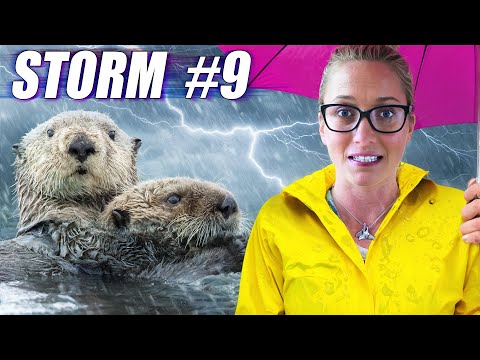
rakko posted on 2025/08/10Ever wondered how sea otters handle wild coastal storms? This video dives into their amazing survival tactics, like how they raft together and groom their fur to stay safe during atmospheric rivers! You'll pick up some fantastic vocabulary related to marine life and extreme weather, making it a super engaging way to boost your English skills.
Learn this video on the APP!
The VoiceTube App has more in-depth practice for videos!